Dota 2 Patch 7.41 Release Date, PvE Event Leak, and Everything We Know

Patch 7.41 is coming, and it might be the biggest Dota 2 update since Crownfall. Valve’s test servers just received 14 rapid-fire updates in a single night, dataminers are losing their minds, and a well-connected insider claims a massive PvE event — comparable to Siltbreaker — has been in development for over a year. Meanwhile, patch 7.40c has been live for over two months with no balance changes, the meta has fully crystallized around a handful of dominant heroes, and the community is desperate for something new.
In this article, we break down everything we know about patch 7.41’s release date, what the test server activity actually means, the rumored PvE event, which heroes are most likely to get nerfed or buffed, and how you should prepare your hero pool and MMR strategy for the biggest shake-up of 2026.
Table of Contents

What the Test Server Activity Actually Means
On the night of March 12, 2026, Dota 2’s dedicated test servers received 14 consecutive version updates in rapid succession. This was first reported by dataminer Fay through his Telegram channel, and it immediately set the community on fire.
If you are new to how Valve operates, here is why this matters. Dota 2 has a separate test client called the “stage server” that Valve uses internally to test upcoming changes before pushing them to the live game. Most of the time, this server sits dormant with minimal activity. When Valve starts pushing multiple updates to the test server in a short time frame, it historically means they are actively testing and polishing a significant update.
The pattern is well-documented:
- Patch 7.37 (2024): Test server received 8 updates over 3 days before release
- Crownfall Event (April 2024): Test server showed 11 updates in the week before launch
- Patch 7.40 (January 2026): Test server received 10 updates roughly 5 days before the patch went live
Fourteen updates in a single night is aggressive even by Valve’s standards. Fay noted that this level of activity “probably means content is coming soon” and estimated the update could arrive in early to mid April. However, other community analysts believe the window could be much tighter — potentially within one to two weeks of the test server burst, which would place it between March 16 and March 27.
What makes this particular burst interesting is the timing. Patch 7.40c has been live since mid-January with zero balance adjustments. That is over two months of the exact same meta, which is unusually long for Dota 2. The community has been vocal about wanting changes, pro players have been complaining about stale drafts, and PGL Wallachia Season 7 just concluded with a noticeably repetitive hero pool. Valve is clearly aware the game needs a refresh.
When Is Patch 7.41 Dropping Realistic Timeline
Nobody outside of Valve knows the exact date. But we can piece together a realistic window based on multiple data points:
| Evidence | Suggested Window | Confidence |
|---|---|---|
| 14 test server updates (March 12) | March 16 – March 27 | High |
| Dataminer Fay’s estimate | Early to mid April | Medium |
| NS insider claim (PvE event) | April 2026 | Medium |
| Crownfall anniversary (April 19) | Around April 19 | Speculative |
| Premier Series starts March 16 | After March 21 (Play-In ends) | Logical |
| Historical 7.40 to 7.40c gap | Overdue for major patch | High |
There are essentially two scenarios being discussed right now:
Scenario 1: Patch 7.41 Ships This Month (March 16-27)
This is the optimistic timeline. Historical data shows that major patches typically drop within one to two weeks of heavy test server activity. If Valve follows their usual pattern, patch 7.41 could arrive as early as this week.
The main argument against this: the Premier Series Play-In stage runs from March 16 to 21. Valve generally avoids dropping gameplay patches in the middle of a significant tournament. That said, Premier Series is a regional online event, not a Tier 1 LAN. Valve has shipped patches during similar events before.
Scenario 2: Patch 7.41 Arrives in April Alongside a PvE Event
This is the scenario that has the community most excited. Multiple sources suggest Valve is not just preparing a balance patch — they are building a full-scale PvE event that would ship alongside or shortly after 7.41. If this is the case, Valve would likely delay the patch to polish the event content, pushing the release to early or mid April.
The strongest argument for this timeline comes from Yaroslav “NS” Kuznetsov, a former pro player and one of the most connected figures in the CIS Dota scene. More on his claims in the next section.
The PvE Event Leak: Siltbreaker 2.0
This is the part that has the Dota 2 community genuinely hyped for the first time in months. During a recent Twitch stream, Yaroslav “NS” Kuznetsov dropped what he described as insider information about Valve’s plans:
“I was told that in April there will be some kind of [incredible] event. Valve has been working on it day and night for about a year now. It will be something crazy, like Siltbreaker.”
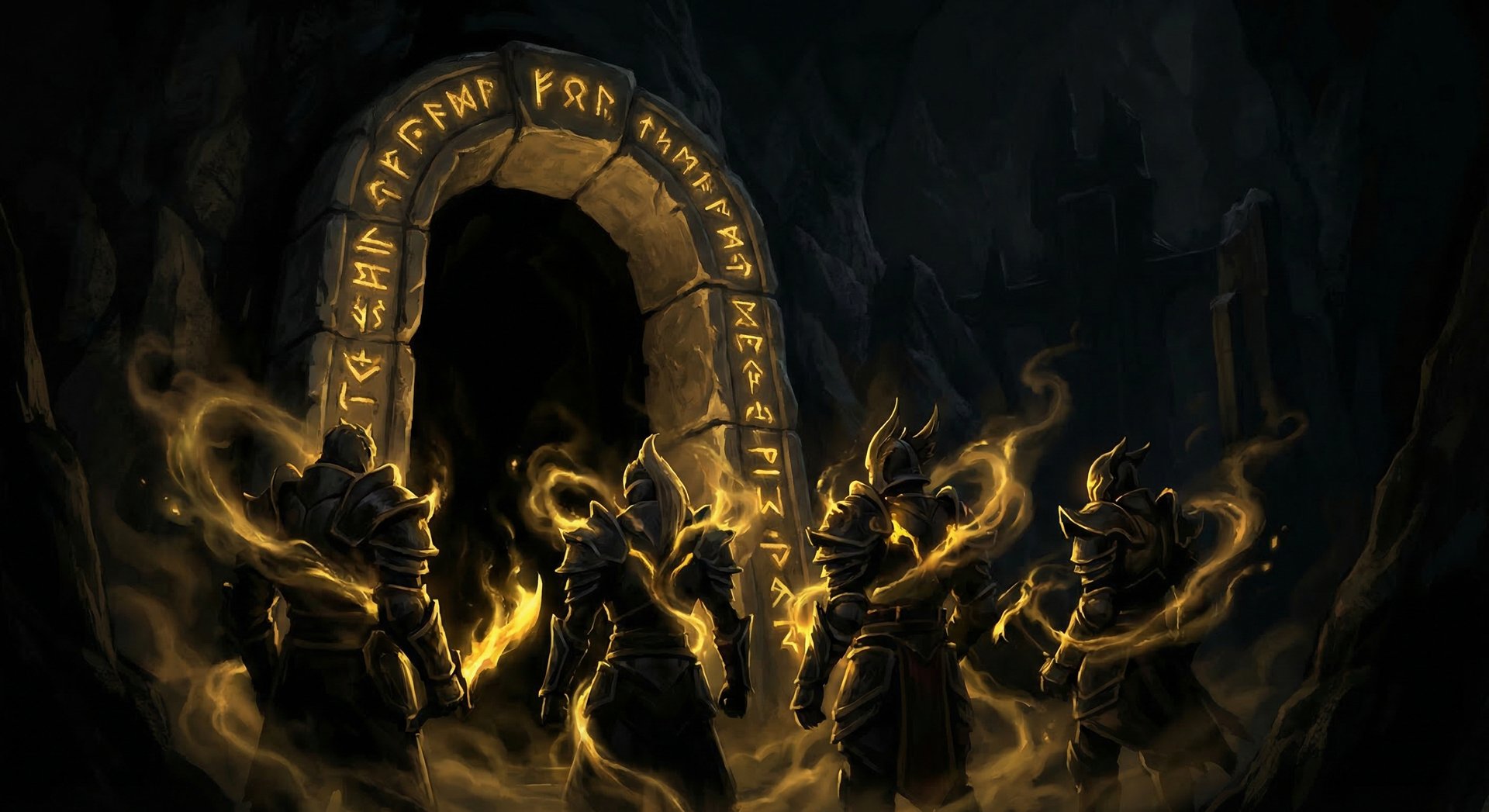
For newer players who may not know what Siltbreaker was: it was a cooperative PvE campaign released as part of The International 2017 Battle Pass. Four players worked together to fight through waves of monsters and bosses in a completely separate game mode from regular Dota. It was split into two acts — “Siltbreaker: Act I” launched in June 2017 and “Act II” followed in August. The event was widely considered one of the best pieces of content Valve ever created for Dota 2, and the community has been asking for something similar ever since.
Why This Leak Is Credible
NS is not some random Reddit poster making stuff up. He is a former professional player who played competitively from 2005 to 2015, including stints with Natus Vincere, Virtus.pro, and Empire. After retiring, he became one of the most prominent Dota 2 streamers and analysts in the CIS region, running his own casting studio (Narodnyy Kast). He has direct connections to Valve employees and has accurately leaked information before.
That said, even NS himself acknowledged uncertainty. Dataminer Fay noted: “I always treat insiders with skepticism because I think even Valve themselves don’t always know the exact dates of their updates.” This is a fair point. Valve is notorious for internal schedule changes and delays.
What We Think the PvE Event Could Include
Based on the Siltbreaker comparison and Valve’s recent approach to content updates, here is what we expect:
- Cooperative 4-player campaign: Similar to Siltbreaker, probably with a new storyline and boss encounters
- Unique rewards: Cosmetics, battle points, or exclusive drops tied to event completion
- Battle Pass integration: Valve has not released a 2026 Battle Pass yet, and a PvE event would be the perfect vehicle to launch one
- Multiple acts: Following the Siltbreaker model, Valve could release the event in stages to keep players engaged over several months
- New hero potential: Major content updates have historically been paired with new hero releases
If Valve has genuinely been working on this for over a year, as NS claims, it would represent the most significant content investment in Dota 2 since Crownfall in April 2024. Crownfall was well-received but relatively lightweight compared to what a full Siltbreaker-style PvE campaign would require.
The 7.40c Meta Problem: Why Patch 7.41 Cannot Come Soon Enough
Let us be honest about the state of the game right now. Patch 7.40c has been live since mid-January 2026, and while it was initially well-received, two months without any balance changes has created a stale and frustrating meta. Here is what the data shows:
Carry Meta: Ursa Dominance
Ursa has been the undisputed king of the safe lane since patch 7.40b buffed his Overpower and Enrage interactions. His win rate in Divine and Immortal brackets has hovered around 55-56% for weeks. Juggernaut and Terrorblade sit just behind him, but Ursa’s combination of lane dominance, Roshan speed, and mid-game power spike makes him the default first-pick carry in most ranked games.
The problem is not just that Ursa is strong. It is that picking against Ursa requires specific counter-drafting that warps the entire draft around him. When one hero has this much gravity in the pick phase, it reduces draft diversity across all five positions.
Mid Lane: The Huskar and Ember Show
Huskar and Ember Spirit have traded places at the top of the mid lane tier list throughout 7.40c. Huskar dominates certain matchups so completely that he forces enemies to draft magic burst specifically to deal with him, while Ember Spirit remains the most versatile and reliable mid laner in the game with consistent 53%+ win rates across all skill brackets.
Storm Spirit and Invoker round out the S-tier mids. The common thread is mobility — the current meta heavily rewards heroes who can move across the map quickly and create pick-off opportunities.
Offlane: Axe, Legion Commander, and the Aura Problem
The offlane has been dominated by Axe, Legion Commander, and Lycan for essentially the entire 7.40 patch cycle. All three heroes share a similar identity: strong laners who transition into mid-game initiators or aura carriers. The meta has evolved to the point where offlaners are expected to build items like Pipe of Insight, Crimson Guard, or Vladimir’s Offering almost every game, regardless of the specific hero.
| Role | S-Tier Heroes | Win Rate Range |
|---|---|---|
| Carry (Pos 1) | Ursa, Juggernaut, Terrorblade, Slark | 54-57% |
| Mid (Pos 2) | Huskar, Ember Spirit, Storm Spirit, Invoker | 52-55% |
| Offlane (Pos 3) | Axe, Legion Commander, Lycan, Slardar, Timbersaw | 52-55% |
| Soft Support (Pos 4) | Bounty Hunter, Spirit Breaker, Earthshaker, Lion | 53-56% |
| Hard Support (Pos 5) | Pugna, Venomancer, Silencer, Clockwerk, Crystal Maiden | 53-56% |
Support Meta: The Rise of Damage Supports
One of the defining features of 7.40c is how much damage supports are expected to contribute. Pugna leads the hard support category with a dominant win rate, primarily because Decrepify and Life Drain allow him to contribute meaningful damage throughout the game while also saving allies. Venomancer and Silencer follow a similar pattern — supports who deal sustained damage rather than just providing saves and utility.
This has pushed traditional save-oriented supports like Dazzle, Oracle, and Io further down the tier list. The meta rewards aggression, and supports who can fight are valued more than supports who can protect.
Heroes Most Likely to Get Nerfed in 7.41
Based on pub win rates, pro pick/ban data from PGL Wallachia Season 7 and DreamLeague Season 28, and historical Valve balancing patterns, here are the heroes most likely to receive nerfs:
1. Ursa — Almost Guaranteed Nerf
Ursa’s Fury Swipes and Overpower interaction has been the defining mechanic of 7.40c. His ability to melt Roshan before the 15-minute mark while simultaneously dominating lane and team fights is simply too much. Expect nerfs to either his Overpower attack count, Fury Swipes damage scaling, or Enrage damage reduction.
The most likely change is a reduction in Enrage’s status resistance, which currently makes him nearly impossible to control during his ultimate. Valve tends to nerf the aspect of a hero that creates the least counterplay, and Enrage’s status resistance is exactly that.
2. Huskar — Targeted Adjustments
Huskar’s Burning Spears changes in 7.40 made him significantly stronger in the laning phase, to the point where certain mid matchups are effectively unwinnable against him. Valve will likely reduce his early-game Burning Spears damage or adjust his Berserker’s Blood thresholds to make him less oppressive before level 6.
3. Treant Protector — The Most Banned Hero in Pro Dota
Treant Protector accumulated 170 bans during DreamLeague Season 28, making him by far the most targeted hero in professional play. His Living Armor provides too much value in the current meta where trading and sustain are king. Expect nerfs to Living Armor’s heal or cooldown.
4. Bounty Hunter — Track Gold Economy
Bounty Hunter has been a fixture in the position 4 role across all skill levels. Track provides too much bonus gold in a meta where supports are already farming efficiently. Valve will likely reduce Track’s bonus gold values or increase its cooldown at early levels.
5. Pugna — Hard Support Damage Ceiling
Pugna sitting at the top of the hard support tier list for multiple patches in a row suggests his numbers are slightly too high. Expect minor nerfs to Nether Blast damage or Decrepify’s slow duration.
Heroes Most Likely to Get Buffed in 7.41
Equally important: which forgotten heroes could become relevant again
1. Io (Wisp) — The Forgotten Save Support
Io has been languishing in C-tier for the entire 7.40 patch cycle. In a meta that rewards damage over utility, Io’s entire kit feels underwhelming. Valve typically buffs Io through Tether or Overcharge adjustments to make the hero relevant without making Io plus carry combos oppressive.
2. Grimstroke — Needs a Rework
Grimstroke has been one of the weakest supports in the game for multiple patches. His kit has never quite found a clear identity, and his Soulbind ultimate — while theoretically powerful — requires too much setup to be reliable. Expect significant number buffs or possibly a minor ability rework.
3. Mirana — Fallen from Grace
Mirana was a meta staple throughout 2024 but has completely fallen off in 7.40. Her Sacred Arrow stun duration and Starfall damage both feel insufficient in the current meta. A Moonlight Shadow buff could also make her relevant as a utility pick again.
4. Tidehunter — The Forgotten Offlaner
Tidehunter sitting in C-tier for offlane is almost shocking given his historical relevance. Ravage is still one of the best team fight ultimates in the game, but his laning phase is too weak to survive against current meta offlaners like Axe and Legion Commander. Expect Kraken Shell buffs or base stat increases.
5. Jakiro — Needs Some Love
Jakiro has been consistently underperforming for several patches. His spells are too slow and too easy to dodge in a meta dominated by mobile heroes. Valve might increase his cast point speeds or boost his Macropyre damage to make him a viable zone-control pick.
Expected Item and Economy Changes
Major patches rarely touch just heroes. Here are the item and economy changes we expect based on the current meta trends:
Falcon Blade — Probably Getting Nerfed
Falcon Blade has been the default first item for mid laners and many carries throughout 7.40c. Its combination of mana regen, damage, and health for just 1125 gold makes it too efficient compared to other early-game options. Expect either a price increase or a reduction in one of its stat values.
Manta Style — Due for Adjustments
Manta Style has been a core pickup on practically every agility carry in the game. The item provides too many benefits — dispel, damage, stats, and push potential — for its cost. Valve might increase its recipe cost or reduce the duration of illusions.
Pipe of Insight — Meta Warping Aura
With offlaners building Pipe of Insight almost every game, the item might receive adjustments to make magic damage heroes more viable. A reduction in the barrier’s damage absorption or an increase in cooldown would make sense.
Potential New Items or Recipes
Major numbered patches (7.XX) often introduce new items or rework item build paths. Valve might add:
- A new support-oriented item to compete with Glimmer Cape and Force Staff
- A counter to status resistance stacking (currently too strong on heroes like Ursa and Slardar)
- Adjustments to neutral item tiers and drop timings
- Changes to Roshan rewards to shake up the mid-game objective priority
What PGL Wallachia Season 7 Taught Us About the Meta
PGL Wallachia Season 7 just concluded on March 15 in Bucharest, with Team Yandex pulling off one of the most impressive tournament runs we have seen in recent memory. The $1,000,000 event featured 16 of the world’s best teams and provided the clearest picture yet of where the 7.40c meta stands heading into patch 7.41.
Team Yandex’s Championship Run
Team Yandex won the entire tournament from the lower portion of the group stage, losing their first match before rattling off an incredible playoff run. In the grand finals, they defeated Team Liquid 3-2 in a best-of-five that went the full distance. This was particularly impressive given that Team Liquid had gone 3-0 in the group stage and looked dominant throughout most of the tournament.
Key takeaway: Team Yandex succeeded by consistently draft-countering their opponents rather than relying on comfort picks. In a stale meta, the teams that innovated within the existing framework found the most success.
Final Standings and Prize Distribution
| Place | Team | Prize |
|---|---|---|
| 1st | Team Yandex | $300,000 |
| 2nd | Team Liquid | $175,000 |
| 3rd | BetBoom Team | $120,000 |
| 4th | Team Spirit | $80,000 |
| 5th-6th | Heroic / Tundra Esports | $60,000 each |
| 7th-8th | Vici Gaming / Aurora | $40,000 each |
Pro Meta Trends from Wallachia
Several patterns emerged from the tournament that Valve is almost certainly paying attention to:
- First-phase bans were extremely predictable: The same 5-6 heroes were banned in virtually every game, indicating the meta has too many “must-ban” heroes with no viable alternatives
- Carry diversity was low: Ursa, Juggernaut, and Terrorblade accounted for a disproportionate share of carry picks across all teams
- Mid lane had the most diversity: Teams experimented with a wider range of mid heroes, suggesting the mid lane is the closest to balanced
- Support farm was critical: The winning teams consistently had supports who farmed efficiently between fights rather than just standing behind cores
How to Prepare Your MMR for Patch 7.41
Here is the practical advice for players who want to be ready when the new patch drops:
Step 1: Play Your Best Heroes Now
If you are trying to climb MMR, the final days of any patch are the best time to do it. The meta is fully solved, everyone knows what works, and execution matters more than innovation. Spam your highest win rate heroes and gain as much MMR as possible before everything changes.
Step 2: Expand Your Hero Pool Preemptively
When a new major patch drops, the players who adapt fastest gain the most MMR. Start practicing heroes that are currently B-tier or C-tier in unranked modes. Heroes like Tidehunter, Mirana, and Grimstroke could become meta overnight with the right buffs.
Step 3: Wait 3-5 Days Before Playing Ranked After the Patch
This is advice we give every time a new patch drops, and it is always correct. The first few days after a major patch are chaos. Win rates are meaningless because nobody understands the changes yet. Smart players use those first few days to study patch notes, watch high-MMR streams, and identify the new broken heroes — then they start spamming ranked with a massive information advantage.
Step 4: Focus on Fundamentals That Never Change
Patches change hero balance, but they do not change the fundamentals that win games at every MMR:
- Last-hitting: 80+ CS at 10 minutes will always be strong regardless of meta
- Map awareness: Checking the minimap every few seconds prevents deaths across all patches
- Objective focus: Taking towers after won fights will always be the fastest path to victory
- Communication: Pinging smokes, calling Roshan timers, and coordinating pushes win games at every skill level
Step 5: Watch Pro Players During the Transition
High-MMR streamers and pro players figure out the new meta within 24-48 hours of a patch dropping. Channels to watch include top Immortal players on Twitch, and pro team boot camp streams. Pay attention to what heroes they are picking, what items they are building, and which lane matchups they are prioritizing.
Struggling to Climb in the Current Meta
Don’t grind through a stale patch alone. Team Smurf’s Immortal-rank boosters know exactly which heroes dominate every bracket. Whether you want to hit a new rank before 7.41 drops or need help adapting to the new meta, we have you covered.