1win Essence II Results: Why Liquid Look TI-Ready

1win Essence II results could have ended up as just another pre-TI online cup recap. Instead, Team Liquid used it to make the strongest last-second statement of any team heading into Shanghai. They finished the event by sweeping Team Falcons 3-0 in the grand final on August 5, even after Falcons had already beaten them 2-0 in the upper bracket final one day earlier.
That reversal is why this event matters. Liquid did not just win a title. They showed they can lose a read, patch the draft logic overnight, and come back with cleaner lanes, faster objective windows, and much better late-game discipline. If you are a pub grinder, that is the part worth stealing. Tournament winners are not always the best teachers, but this Liquid run gave away a lot of practical information.
Below, we break down the event with real match IDs, series scores, player performances, and the specific ideas that translate into ranked. If you want the shortest version, it is this: mobile mid, stable offlane frontliner, and one carry who can hit buildings without griefing the first 15 minutes still beats fancy theorycraft when the pressure gets high. If your own games feel chaotic, a structured climb plan matters even more, which is exactly why players use guides like our MMR boosting guide and specialist help through Team Smurf's MMR boost.
Table of Contents
What Happened at 1win Essence II
1win Essence II ran from July 30 to August 5, 2026 with a $200,000 prize pool and a compact format that looked small on paper but very useful in practice. The group stage used two five-team round robins with best-of-two matches, then the top eight moved into a double-elimination playoff bracket. Because nine of the ten participating teams are TI-bound, this was basically a disguised final dress rehearsal.
Liquid topped Group A at 7-1. Falcons topped Group B at 6-2. Both teams reached the upper bracket, both looked stable across multiple draft styles, and both ended up on collision courses. Falcons won the first meeting 2-0 in the upper bracket final through cleaner tempo and more comfortable teamfight execution. Then Liquid reset the whole picture less than 24 hours later.
| Event snapshot | Key detail | Why it mattered |
|---|---|---|
| Dates | July 30 to August 5, 2026 | Last meaningful tournament right before TI 2026 |
| Prize pool | $200,000 | Not massive, but enough for every team to take it seriously |
| Group leaders | Liquid 7-1, Falcons 6-2 | Both finalists already looked like the class of the event |
| Grand final | Liquid 3-0 Falcons | Huge because Falcons had swept Liquid 2-0 one day earlier |
| Winner's share | $100,000 | Momentum, confidence, and useful draft tape before TI |
For raw reference, the grand final match IDs on OpenDota were 8930940469, 8931094863, and 8931183918. Those three games tell the whole story: Liquid won one long comeback, one stomp, and one late-game grind. That is the healthiest possible title run because it proves they were not relying on one script.
How Liquid Reached the Final
Liquid's path looked clean, but not effortless. In groups they finished 7-1, drawing only with MOUZ and then beating BetBoom 2-0, GamerLegion 2-0, and LGD by forfeit. That matters because it shows their floor was already high before playoffs. They were not surviving messy games. They were banking points and controlling pace.
In playoffs, Liquid beat Vici Gaming 2-1, lost 0-2 to Falcons in the upper bracket final, then dropped into the lower bracket and swept 1w 2-0 to force the rematch. That lower bracket final is easy to skip when people only read headlines, but it matters for two reasons:
- Liquid had to show emotional reset. Getting rolled by Falcons and then immediately playing a hot 1w team is where weaker rosters tilt.
- Liquid showed different game lengths. Against 1w they won one quick game and one longer one, which prepared them for the very different rhythms in the final.
Falcons, meanwhile, came in with a simpler story. They were excellent in groups, beat BetBoom 2-0, then beat Liquid 2-0 in the upper bracket final. From a confidence angle, they should have been in the driver's seat. That is exactly why the 3-0 reversal hit so hard. Liquid did not steal a fluky best-of-one. They solved the best team in the event across a full final.
Grand Final Breakdown
The easiest mistake is to look at 3-0 and assume this was one-sided. It was not. Game 2 was one-sided. Games 1 and 3 were real late-game tests where Liquid survived Falcons' midgame pressure and took better decisions when every death mattered. That is why the result should carry more weight than a routine bracket run.
Game 1: Liquid survived the bad matchup and outscaled the chaos
Game 1 lasted 67:58 and ended 44-37 for Liquid in match ID 8930940469. Falcons drafted Ursa for skiter, mid Centaur Warrunner for Malr1ne, Razor for ATF, plus support Pugna and Hoodwink. Liquid answered with Sven for miCKe, Puck for Nisha, Timbersaw for Ace, Spirit Breaker for Boxi, and Mirana for tOfu.
On paper, Falcons had real answers to Sven. ATF's Razor naturally punishes a melee carry that wants long commit windows, and Ursa gives Falcons another way to force chaotic Roshan and triangle fights. Early on, that script looked correct. Falcons got the cleaner opening fights and made Sven's first timing feel awkward.
What changed the game was Nisha's Puck. Gosu credited him with 13 kills and 22 assists, and the replay data shows why. Liquid never needed one giant five-man wipe. They needed someone who could keep side fights alive long enough for Falcons' formation to split. That is classic Puck value in high-level games: not raw damage, but the ability to keep everyone misaligned by two seconds. At 7k and above, two seconds is usually enough to decide the whole map.
Liquid eventually reached mega creeps, Falcons delayed longer than they should have been able to, and then Liquid finally closed. The lesson was simple: if your draft can keep the game unstable after losing the first clean window, Falcons become much easier to play against. Their front-to-back is brutal when they are hitting first. It is less scary when they are chasing blinking targets through fog.
Game 2: Liquid hit Falcons before the greedy draft could breathe
Game 2 was the shortest and most instructive game of the final. Match ID 8931094863 lasted only 26:24, ending 27-9 for Liquid. Falcons repeated mid Centaur for Malr1ne, put skiter on Lone Druid, ATF on Necrophos, then rounded things out with Oracle and Clockwerk. Liquid went with miCKe Windranger, Nisha Ember Spirit, Ace Lycan, Boxi Tusk, and tOfu Mirana.
This is where draft theory became visible. Falcons were asking for space with three cores that all want stable zones. Liquid drafted the opposite: heroes that can show in lane, kill one target, hit a tower, and force the next move before the response is ready. Once Liquid scored three early kills on ATF's Necrophos, the game was basically a timer.
MiCKe finished game 2 at 13/0/9. Liquid took towers before Falcons had real footing, secured Roshan, and forced a 26-minute GG. If you only watch one replay from the event as a pub player, make it this one. It is the cleanest example of how to punish a greedy core spread without needing cheese picks or some fake pub gimmick.
| Grand final game | Core story | Key numbers |
|---|---|---|
| Game 1 | Liquid survived early pressure and won the long map | 67:58, Liquid 44-37, match 8930940469 |
| Game 2 | Liquid punished Falcons' greed with early tempo | 26:24, Liquid 27-9, match 8931094863 |
| Game 3 | Liquid won another long game after Falcons' strong start | 63:41, Liquid 39-29, match 8931183918 |
Game 3: Falcons found a better shape, but Liquid still won the hard moments
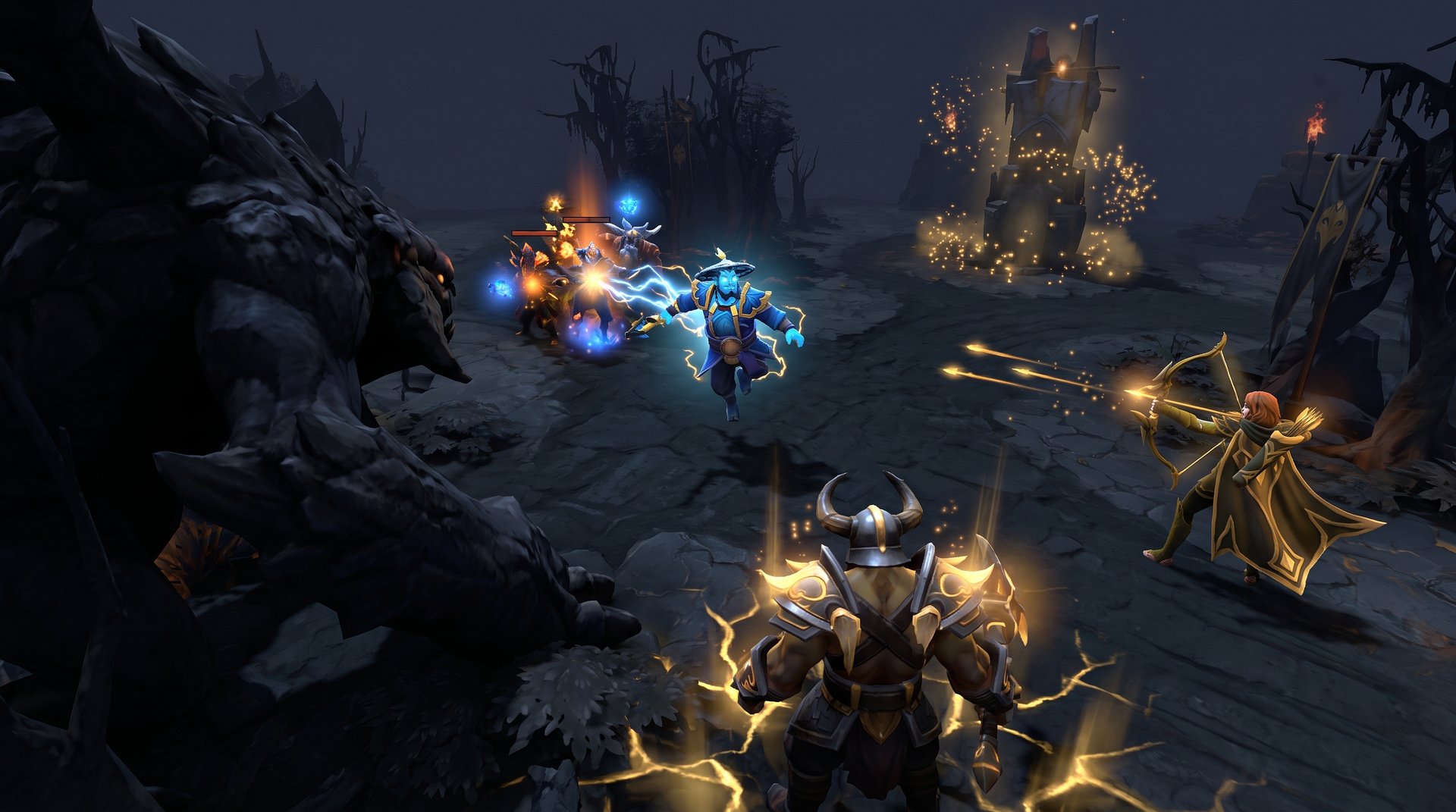
Game 3 lasted 63:41 in match ID 8931183918. Falcons finally moved Malr1ne off Centaur and onto Pangolier, kept ATF on Necrophos, and gave skiter Lifestealer. Liquid trusted the same structural idea as game 2: miCKe on Windranger again, Nisha on Storm Spirit, Ace on Centaur, Boxi on Skywrath Mage, and tOfu on Tusk.
This was the best Falcons game after the opening map. Their lanes were more stable, Pangolier gave them a cleaner initiator, and ATF was huge for long stretches. But even here, Liquid's draft asked better late-game questions. Storm Spirit can choose fights. Windranger with real items can hit buildings and still reposition. Centaur is a boring answer, but that is why it keeps winning serious games: it does not need to look pretty to make your teamfight playable.
Gosu credited Nisha with 19/3/17 and miCKe with 10/5/18. Those are not empty numbers. They describe the shape of the game. Nisha was the freedom piece. MiCKe was the closer. When Falcons overextended to finish isolated kills, Liquid had two heroes who could punish the second and third layer of the fight instead of just trading one-for-one.
That is the real reason the series ended 3-0. Liquid were simply better at the second decision of every fight. Most pub players only think about who started first. At high MMR, the first initiation often matters less than who keeps their formation after buybacks, resets, and cooldown tradeoffs.
The Real Meta Lessons
Results posts usually stop at "X team looked strong." That is lazy. The useful part is understanding which ideas actually traveled across the series. At 1win Essence II, three themes kept showing up in Liquid's wins.
1. Mobile mids still decide everything when the map gets weird
Nisha won games on Puck, Ember, and Storm because those heroes let Liquid re-enter fights instead of committing once and praying. That is a huge deal in current high-level Dota because so many fights are now two-stage fights: first contact around a tower or rune, then a second contact near triangle ramps, gates, or Roshan entry points.
If your mid can only walk forward, your team has to be right immediately. If your mid can reset vision and threaten side angles, your team gets multiple chances inside the same fight. In lower brackets, this is why players feel some mids are "broken" even when win rates look normal. The hero is not broken. The reset options are.
2. Offlane stability is worth more than offlane ego
Ace did not need flashy offlane heroes to make this series work. Timbersaw in game 1 and Centaur in game 3 were enough because Liquid already had playmakers elsewhere. Too many pub offlaners grief games by drafting a third greedy core when their team really needs one hero who can start, tank vision, and not explode.
This is one reason our coaching clients keep improving when they simplify draft priorities. If you already have an active mid and a carry with scaling plus objective damage, your offlaner does not need to "carry from offlane." He needs to give the other two heroes a game. If you want outside help learning those draft tradeoffs, that is exactly the kind of bracket-specific review covered in Dota 2 coaching.
3. The best carry is the one that converts, not the one that looks coolest
MiCKe's Windranger looked simple, but it did everything Liquid needed. She hit towers, punished supports, scaled into real physical damage, and still had the mobility to avoid the worst parts of Falcons' commit. In game 2 she was the tempo hero. In game 3 she was the closer.
That matters for pub drafting because players often separate "lane winner" and "game winner" too hard. Heroes like Windranger, Sven, and similar conversion carries are strong because they can turn one clean fight into map damage immediately. That is how you actually climb. One fight without structural gain is just noise.
What Pub Players Should Copy From This Final
If you are not scrimming for TI, what do you actually steal from this series? More than most people think. You do not need Team Liquid's mechanics to copy Team Liquid's priorities.
| Pro lesson | Pub version | Common mistake |
|---|---|---|
| Draft one hero that can restart fights | Pick Puck, Storm, Ember, or any mid with angle control | Picking five straight-line heroes that die after first jump |
| Make offlane absorb pressure | Choose Centaur, Timber, Mars-type stability over greed | Turning offlane into a third farm sponge |
| Convert wins into towers and Roshan | Push after kills instead of jungling your item timing away | Winning a fight then splitting to farm side camps |
| Fix the second decision in fights | Ask "where do we go after the first spell dump?" | Overcommitting on the first support you see |
| Use item timings as map timings | Smoke when your BKB, Blink, or Vessel actually arrives | Buying timing items and then taking no map action |
The easiest way to apply this tomorrow is to cut one greedy habit from your role:
- If you are mid: stop forcing every jump to become a full commit. Hit once, reset, and re-enter when their save spells are gone.
- If you are carry: when your team wins a fight, hit the closest structure before you think about one more camp.
- If you are offlane: ask whether your pick gives your carry space to farm or competes with him for the same gold.
- If you are support: your ward is strongest right after a won fight, not 90 seconds later after the map is already dark again.
And if your bracket is still stuck because your games swing between decent mechanics and terrible map discipline, comparing your own replays against pro structure is a much better use of time than spamming ten random pubs. That is also why so many players read our Dota 2 boosting safety guide and best Dota 2 boosting services breakdown before deciding whether they want coaching, done-for-you help, or just better review frameworks.
Does This Make Liquid a TI Favorite?
It makes them a real favorite, yes, but not an untouchable one. The strongest argument for Liquid is not the 3-0 itself. It is the variety inside the 3-0. They won long, won short, won from behind, and won after losing to the same opponent the day before. That is champion behavior.
The strongest argument against overreacting is also obvious: this was still an online event. TI main stage pressure is different, preparation windows are different, and Falcons are not suddenly weak because they lost one final. They still looked like one of the best structured teams in the field across the whole week.
My read is that Liquid improved their TI stock more than any other team in the last 48 hours because they answered the exact question people had about them: can they adjust fast enough when another elite team punches first? At 1win Essence II, the answer was yes.
FAQ
Want to Climb With the Same Draft Logic?
Most players do not lose MMR because they missed one last hit. They lose because their drafts, item timings, and map moves never line up. Team Smurf helps fix that with Immortal-level coaching and high-trust Dota 2 services built only for this game.
Get MMR Boost Book Coaching Fix Calibration