Games of the Future 2026 Meta Guide

Games of the Future 2026 is not TI, but if you care about what wins on patch 7.41e right now, you should be watching it like a pub grinder watches the first two pages of Dotabuff after a letter patch. The event runs from July 31 to August 5 in Astana, Kazakhstan, with 16 teams, a $1,000,000 prize pool, and a modified-GSL group stage feeding a single-elimination playoff bracket.
That makes it perfect for one thing: finding which ideas are actually working before the rest of ranked catches up. We pulled the first 31 recorded maps from the event, tracked the team records, checked the hero picks and bans, and then dug into specific match IDs instead of writing another empty “meta is changing” article.
This post is the practical version. You are getting the day-2 standings snapshot, the most banned heroes, the heroes that are quietly farming wins, the picks that look overrated, and the pub takeaways that matter if you are trying to climb instead of just spectate. If you want the earlier event overview, TeamSmurf already covered that in our Games of the Future 2026 preview. This one is the live meta read.
Table of Contents
Games of the Future 2026 Snapshot
The short version: this event is already one of the cleanest 7.41e readouts we have outside scrim leaks. The field is not packed with every TI favorite, but the draft quality is good enough that patterns are showing up fast, especially in support openings and tempo mids.
From the public event listings and live league data, the key context looks like this:
| Category | Current Read | Why It Matters |
|---|---|---|
| Event | Games of the Future 2026 | Live tournament sample on patch 7.41e |
| Dates | July 31 to August 5, 2026 | Fresh enough to reflect current pub and pro priorities |
| Location | Astana, Kazakhstan | Offline play usually gives cleaner draft signals than random online cups |
| Prize Pool | $1,000,000 | Large enough that teams are not treating it like a joke event |
| Format | Modified-GSL groups into single-elimination playoffs | Early series are still serious because one bad read can snowball your bracket |
| Patch | 7.41e | Exactly the patch most high-MMR pubs are trying to solve right now |
| Maps Reviewed | 31 maps from Aug 1 to Aug 2 | Big enough sample to separate real trends from one-draft cheese |
The first thing that jumps off the page is that this is not a slow, turtle-heavy patch sample. The event has had enough 50-minute games to show late-game routes, but the opening trend is still about tempo control, support impact, and lineups that can start fights without waiting for some perfect three-item timing.
Day-2 Standings That Actually Matter
The headline after 31 maps: LGD.Pinghu, Yakult Brothers, and Team resilience have put together the most convincing multi-series bodies of work, while Xtreme Gaming, Vici Gaming, Rune Eaters, and GLYPH have all shown sharp opening form in smaller samples.
I care less about raw wins than about how those wins happened. If a team goes 2-0 because both games lasted 55 minutes and the enemy threw high ground, I do not copy the draft. If a team goes 2-0 by choking map space, forcing bad teleports, and making their position four decide every rune fight, that is something ranked players can steal immediately.
| Team | Map Record | Quick Read |
|---|---|---|
| LGD.Pinghu | 4-1 | Most stable mix of scaling core play and active supports |
| Yakult Brothers | 4-2 | Flexible, messy, still dangerous — happy to brawl if needed |
| Team resilience | 4-2 | Good at resetting after one bad map instead of spiraling |
| Xtreme Gaming | 2-0 | Small sample, but brutal lane pressure and clean midgame |
| Vici Gaming | 2-0 | Very controlled wins over Yellow Submarine |
| Rune Eaters | 2-0 | Comfortable in long maps if their carry is protected early |
| GLYPH | 2-0 | Tempo-focused and ruthless against weak lanes |
| Execration | 3-3 | High ceiling, but not clean enough yet to trust blind |
| Zero Tenacity | 0-4 | Struggled badly against faster drafts and support pressure |
Some of the cleanest series results:
- LGD.Pinghu beat L1GA TEAM 2-1 after recovering from a dropped middle map. That is usually a better sign than a flat 2-0 because it shows draft adjustment, not just momentum.
- LGD.Pinghu then beat Zero Tenacity 2-0 with match IDs 8926523280 and 8926636219, winning both maps in 36 and 32 minutes.
- Yakult Brothers beat REKONIX 2-1 across match IDs 8926022375, 8926232913, and 8926381426. The series had two 58-minute maps, which matters because their hero choices still held up when the game stopped being easy.
- Team resilience beat Yellow Submarine 2-1 and got stronger as the series went on. Their closing map was a 49-16 stomp in match 8925847726.
- Xtreme Gaming beat REKONIX 2-0 in 8924530036 and 8924616191, both sub-34-minute wins. That is the kind of series you watch if you want the patch’s efficient version of pressure.
The important thing for pub players is this: the best teams are not winning by picking greedy lanes and praying for one late fight. They are winning by making their first 15 minutes matter, then drafting at least one hero that can force the map to respond.
The 7.41e Heroes Actually Winning
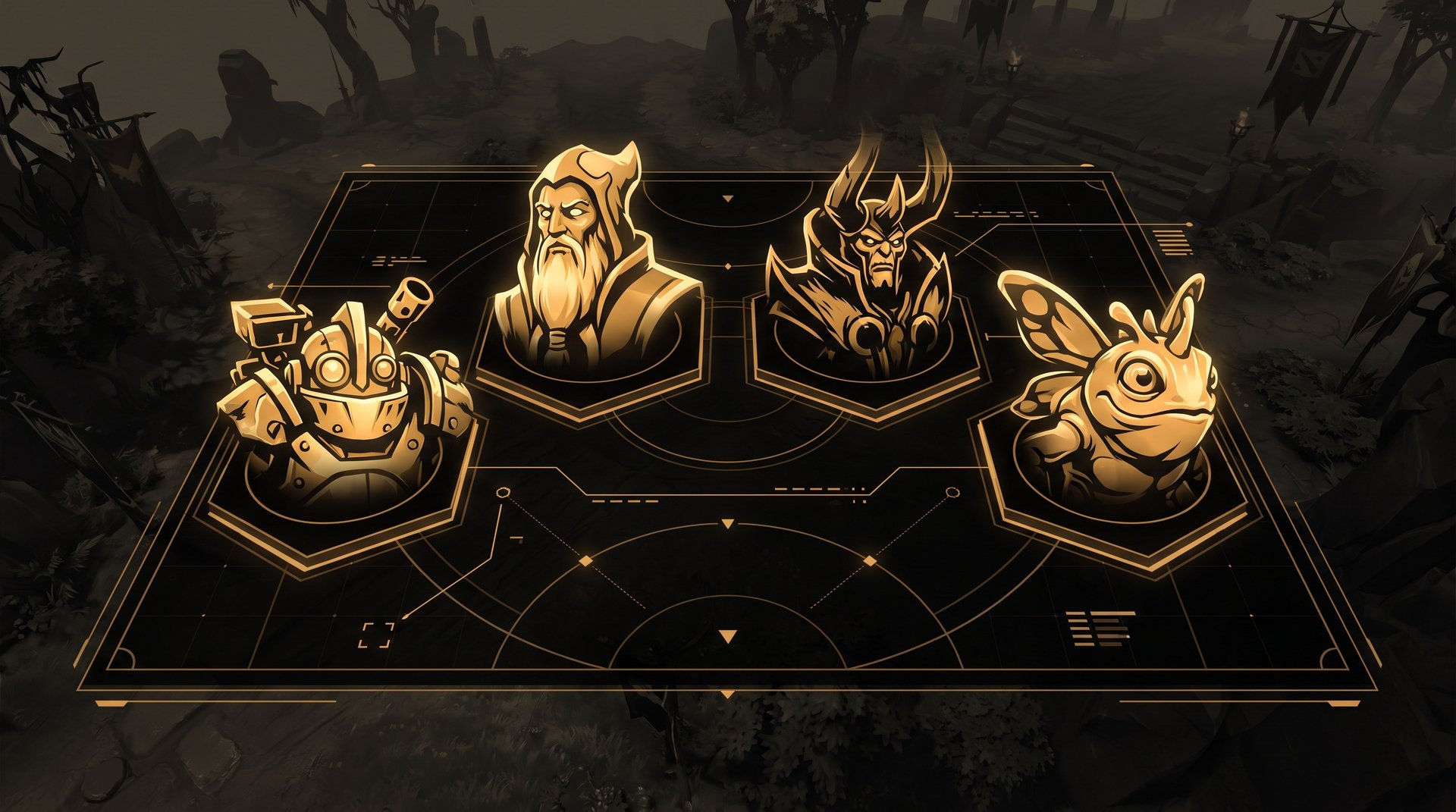
The best early signal from this event is not the most-picked hero list. It is the intersection of pick volume, ban respect, and whether the hero is winning without needing a dream game. That is where you find the real abuse picks.
Across the first 31 maps, the most-picked heroes included Hoodwink at 15 picks, Winter Wyvern at 11, Lina at 11, Ember Spirit at 11, and Earth Spirit at 10. But volume alone lies. Hoodwink at 15 picks only converted into a 6-9 record, or 40%. Ember Spirit sat at 5-6. Lina sat at 5-6 overall even though some individual Lina games were absurd.
The better list is this one:
| Hero | Record | Pick Count | What It Means |
|---|---|---|---|
| Doom | 5-0 | 5 | Still one of the cleanest “your one hero no longer plays Dota” buttons in coordinated games |
| Puck | 4-1 | 5 | Heavy ban respect plus strong conversion when it gets through |
| Clockwerk | 6-2 | 8 | Best support opener if you want vision, catch, and instant chaos |
| Keeper of the Light | 6-3 | 9 | Fast lane shove, sustain, and fight tempo all in one slot |
| Earth Spirit | 6-4 | 10 | Still the best “I decide the pace” four for good players |
| Undying | 4-2 | 6 | Drafted less often than feared, but still miserable to lane into |
| Timbersaw | 4-2 | 6 | Survives pressure and punishes weak frontlines |
The bans tell the same story. Treant Protector was banned 27 times, Lone Druid 26, and Puck 23. Invoker drew 19 bans. Undying drew 18. Keeper of the Light drew 15. Those are not fear bans on random comfort heroes. They are bans against lane security, teamfight reset, and map control.
If you play in high Ancient, Divine, or low Immortal, you already know what this means in practice: the patch reward is going to the team that can either start the fight first or make the other side waste 20 seconds deciding where to show on the map. Clock, KotL, Puck, Doom, and Earth Spirit all do that in different ways.
Draft Lessons From Real Match IDs
The fastest way to understand a patch is to stop reading summaries and study the games where one idea broke the match open. Here are the maps that told the truth fastest.
1. Execration’s Broodmother game showed how fast side lanes collapse on 7.41e
In match 8923614281, Execration beat Amaru Gaming 47-14 in 33 minutes. The reason was not just “Brood is good.” It was how the whole draft played around timing windows. Mireska’s Broodmother finished 16/1/17, ^ on Earth Spirit went 10/2/14, and Daredevil’s Dark Willow stacked enough disable to punish every bad movement.
The Brood lesson is not “first-pick Brood every game.” The lesson is that 7.41e still rewards offlaners that force supports to stay home. The second enemy five leaves lane to contest a rune or defend a stack, the whole side of the map can become unplayable.
2. Team resilience proved Puck is still the cleanest mid when the game gets messy
In match 8925703946, Team resilience beat Yellow Submarine 37-29 in 52 minutes. Nikaido^HirO’s Puck ended 11/2/20 with 47,964 hero damage. That is the kind of stat line that explains why Puck keeps eating bans even when it is not first-phase picked constantly.
Why does Puck still work on this patch? Because the hero does not need the enemy to cooperate. If the map is split, Puck shoves and escapes. If the game is grouped, Dream Coil punishes overchase. If your supports miss their first move, Puck can still buy time until the next one.
3. Xtreme’s fast wins were a blueprint for tempo, not just star power
Xtreme Gaming’s 2-0 over REKONIX in 8924530036 and 8924616191 was one of the cleanest “do not overcook the draft” series of the event. In the second map, NothingToSay’s Tinker went 14/1/16. The prettier line, though, was how the supporting cast made that game playable: Ame’s carry pressure, Xxs on initiation, and early support movement that never gave REKONIX free recovery windows.
Immortal takeaway: if your draft already has wave clear, catch, and one scaling damage core, stop trying to get cute with a fourth job. That is how pubs lose. Xtreme’s wins were clean because every hero had one sharp responsibility.
4. LGD.Pinghu are making support tempo look easier than it is
LGD.Pinghu’s pair of wins over Zero Tenacity in 8926523280 and 8926636219 is the series I would show to any five-stack trying to understand patch pacing. In 8926523280, Yuma’s Luna went 13/1/4, but the real engine was behind him: a on Keeper of the Light finished 5/0/16, while Qianyu’s Enigma went 5/0/13.
KotL is doing exactly what pub players underestimate. The hero lets your team connect lanes faster, keep pressure high without running dry, and turn one good skirmish into enough map control to take the next objective for free.
5. Rune Eaters won a long game because their carry was allowed to hit the real timing
Match 8923874259 between PlayTime and Rune Eaters went 53 minutes, and that matters because long games expose fake heroes. 1nonly’s Naga Siren finished 12/4/11 with an absurd 1,024 GPM, while 99%’s Snapfire dropped 57,476 hero damage. That is not just late-game greed. It is a reminder that if your lineup survives the first three smoke windows, illusion carries still turn map pressure into inevitability.
For ranked players, the key question is simpler: does your team understand how to buy that time? If not, do not copy the Naga. Copy the supports that made the map playable.
The Heroes Looking Overrated So Far
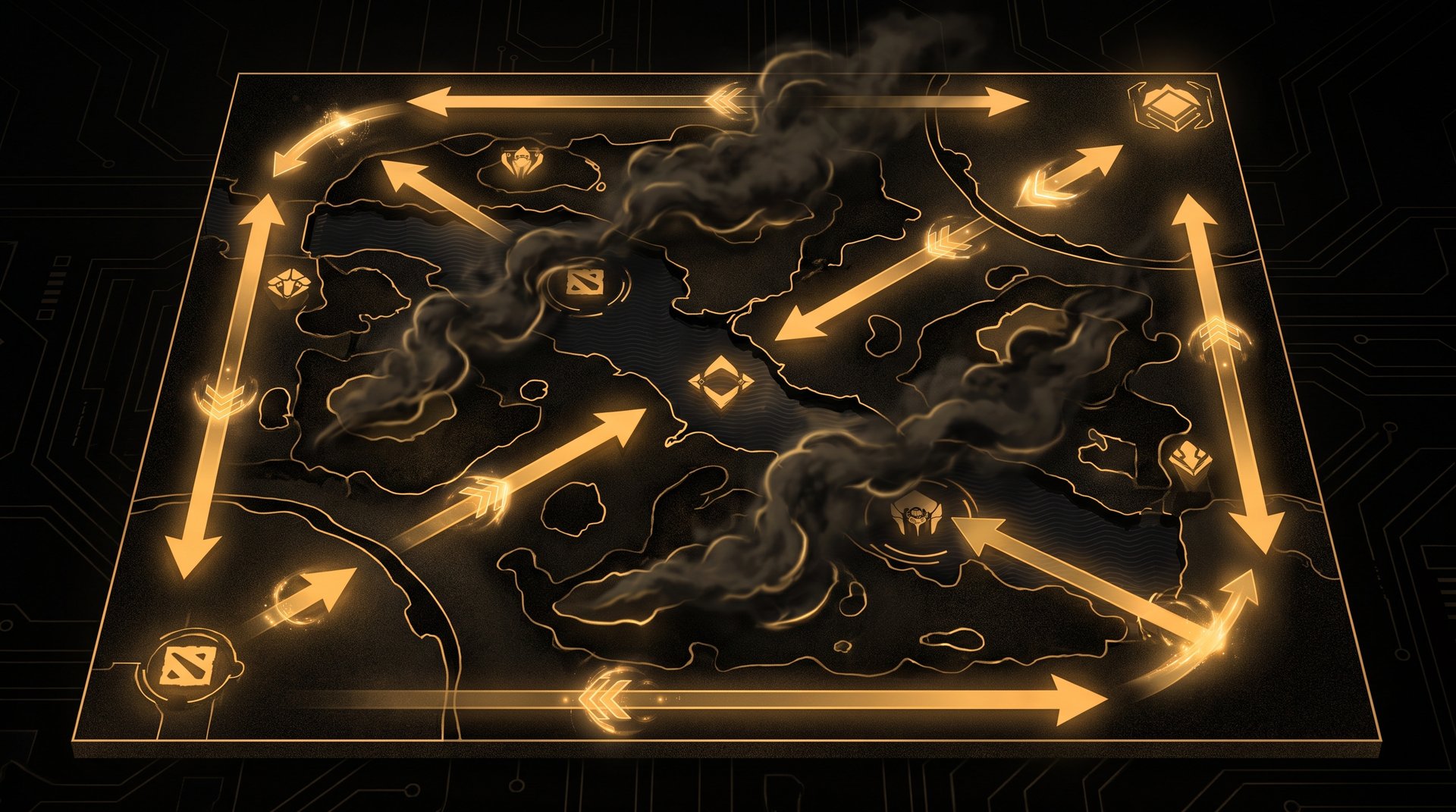
Every patch has bait picks. The scary part is that bait picks are often mechanically strong heroes that players are drafting for the wrong reason. This event already has a few.
| Hero | Record | Why I Am Careful |
|---|---|---|
| Hoodwink | 6-9 | Still useful, but many teams are treating it like a free answer to everything |
| Centaur Warrunner | 2-6 | Decent lane, but too many lineups need more than just Stampede |
| Invoker | 2-5 | High ceiling, but not forgiving if your side lanes are already losing |
| Lich | 2-4 | Comfort hero for some teams, but not creating enough pressure |
| Batrider | 2-4 | Still dangerous situationally, but not a blind solve |
Hoodwink is the big one. Fifteen picks is huge. A 40% win rate is not. The hero still gives vision, catch, and flexible lanes, but too many teams are using it like a comfort blanket instead of asking whether the lineup already has enough real damage and reliable initiation.
Centaur is another trap right now. You can feel good in lane, then realize 20 minutes later that your team still needs someone else to start the fight, someone else to threaten towers, and someone else to punish split push. That is why the record matters more than the theory.
Invoker at 2-5 is the classic “good hero, wrong environment” number. If your supports are already losing the vision war and your offlane is not frontlining cleanly, Invoker ends up trying to solve too many jobs at once.
What You Should Actually Abuse In Pubs
If you want the simple answer, spam heroes that either start fights for free or keep your team’s spell usage clean. That is where this event is screaming.
Best support abuse picks from this sample
- Clockwerk — 6-2 across eight picks. Hookshot still punishes lazy farming patterns better than almost any support spell in the patch.
- Keeper of the Light — 6-3 across nine picks. Better in real games than in spreadsheets because the mana and lane shove change how your whole team moves.
- Earth Spirit — 6-4 across ten picks. If you are actually good at the hero, this is still one of the highest agency position-fours in the game.
- Undying — only six picks, but 4-2 plus 18 bans. Teams are still respecting how ugly the lane gets when Tombstone lands early.
Best core abuse picks from this sample
- Doom — 5-0. Straightforward reason: one winning Doom can remove the only enemy hero that matters.
- Puck — 4-1 with 23 bans. The hero is still one of the best answers to disorganized map states.
- Timbersaw — 4-2. Strong when enemy draft looks light on instant burst.
- Lina — only 5-6 overall, but her ceiling is still disgusting if your team can play around her first timing.
If you are below Immortal and you want the least complicated version of this article, here it is:
- Pick a support that can start the play without begging your carry to wake up.
- Draft one core that can punish map mistakes immediately.
- Do not overvalue “safe” lanes if your lineup has zero way to start fights later.
- Stop blind-picking comfort heroes that only look good if all three lanes are already even.
What It Means for Climbing MMR Right Now
The ranked takeaway from Games of the Future 2026 is brutally simple: 7.41e is rewarding people who understand pressure windows, not people who just memorize a tier list screenshot.
If you are climbing on carry, ask whether your support duo can actually buy you the first 15 minutes you need. If the answer is no, stop picking greed because some pro won with it in a perfect draft. If you are climbing on support, stop being passive. This event keeps rewarding supports that start chain reactions — Clock hook into vision, KotL recall into pressure, Earth Spirit rotation into rune control, Undying lane crush into tower threat.
That is also why so many players get stuck even when they technically understand the patch. They copy the hero, not the job. They see Naga Siren win a 53-minute map and forget that Rune Eaters survived the dangerous part first. They see Lina drop 16 kills and forget that someone else had to protect her map while she came online.
If your goal is pure efficiency, there are only two honest routes:
- Learn the job behind the winning draft and queue enough games to internalize it.
- Skip the experimentation phase with direct help from players who already understand the patch at Immortal level, whether that means coaching or full rank acceleration.
That is where TeamSmurf fits naturally. Our MMR boosting guide breaks down how climbs work in practice, our Dota 2 boosting safety guide explains the risk side properly, and if you want patch-specific help instead of generic advice, our coaching service is the fastest way to turn these event trends into your own replay reviews.
And if you are just done with random teammates turning every letter patch into a three-week science project, our Dota 2 MMR boost service is built for exactly that problem.
FAQ
Want to Abuse the Patch Instead of Study It for 30 Games?
Games of the Future 2026 is already showing what 7.41e rewards: tempo supports, clean initiation, and cores that can punish map mistakes immediately. If you want that translated into faster wins, TeamSmurf can help you skip the trial-and-error phase.
Get MMR Boost Book Coaching See More Guides