


Blink Dagger in Dota 2: Cost, Cooldown, the Damage-Disable Rule and Who Builds It

Blink Dagger is one of the most impactful items in Dota 2. At 2,250 gold it costs less than most stat items, yet it single-handedly determines which heroes can threaten high-ground, which initiators can land clean setups, and which cores can escape ganks that should have ended a game. This guide covers every number, every rule, and every hero decision you need to get full value from it.
We will walk through the exact stats, explain the damage-disable mechanic in detail (including the interactions that trip up even experienced players), list which heroes treat Blink Dagger as a mandatory first buy, which heroes pick it situationally, and when leaving it in the shop is the right call. Stats verified for patch 7.41f from Dotacoach and Liquipedia item data.
In This Guide
Blink Dagger Stats at a Glance
Before getting into strategy, here are the core numbers verified for patch 7.41f. Blink Dagger provides no attribute bonuses — you are paying entirely for one active ability.
| Stat | Value | Notes |
|---|---|---|
| Cost | 2,250 gold | No recipe — bought directly from the Shop |
| Active Range | 1,200 units | Targeting beyond range stops you at 1,200 in that direction |
| Cooldown | 15 seconds | Standard cooldown from casting |
| Damage Disable Duration | 3.0 seconds | Resets each time you take qualifying damage |
| Mana Cost | 0 | No mana required |
| Projectile Disjoint | Yes | Targeted projectiles heading at you are immediately cancelled |
| Self-Cast Direction | Toward your fountain | Useful for retreat along the direct line |
The zero-stat profile is important to keep in mind. Every gold you spend on Blink Dagger is gold you are not putting into HP, damage, or resistances. On heroes like Axe or Earthshaker whose entire kit scales with their ability to land spells on multiple targets, that trade is clearly worth it. On a carry who needs right-click items to function, it usually is not — at least not until the core items are done.
Blink Dagger is also a prerequisite component for three late-game upgrades: Overwhelming Blink, Swift Blink, and Arcane Blink. These are covered in the Variants section. The base item itself does not recipe into anything passively — it only becomes a component when you actively choose to upgrade it.
The Damage-Disable Rule Explained
The single mechanic that separates intermediate Blink Dagger players from experienced ones is understanding exactly when the item gets disabled — and when it does not. The rule is simple to state: if you take damage from an enemy hero or Roshan, Blink Dagger cannot be activated for 3.0 seconds. The 3-second timer resets every time you take another qualifying hit. A chain of auto-attacks, a damage-over-time spell, or consecutive abilities all continuously push the disable window forward and keep the item locked.
What Triggers the Disable
- Enemy hero attacks — all types, including from illusions of enemy heroes
- Enemy hero spells and abilities — all damage-dealing abilities
- Roshan — classified as a dangerous unit for this mechanic
- Enemy towers and buildings — structure damage counts
- Enemy fountain — fountain damage counts as structure damage
What Does NOT Trigger the Disable?
- Allied hero damage — damage from your own team never disables the Blink
- Self-inflicted damage — suicide mechanics, Rot damage (Pudge), etc.
- Neutral creep damage — only enemy heroes and Roshan count, not jungle camps
- Blademail reflected damage — the reflected damage hits the attacker, not you
The BKB Misconception
Black King Bar does NOT prevent the Blink Dagger disable. This is the most common misunderstanding about the item at every skill bracket. BKB prevents most debuffs from being applied to you. But the Blink Dagger disable is triggered by the damage event itself, before status immunity is checked. You still take damage under BKB — the damage event fires, Blink Dagger registers it, and the item goes on the 3-second lockout. The BKB prevents the stun or slow from applying, but it cannot prevent the damage that triggers the Blink disable.
The practical implication: if you plan to fight through BKB and want to blink mid-fight after absorbing a hit, you need to account for the 3-second delay. In many cases the right play is to blink IN at the start of the fight before taking damage, cast your ability under BKB, and not rely on Blink to escape afterward.
The Anti-Blink Harassment Strategy
Supports at high MMR deliberately maintain chip damage on threatening initiators to deny the blink window. Against Axe specifically, a support hero can spam low-damage abilities or auto-attacks to ensure Axe never has a clean 3-second window to blink in. This is one of the most effective ways to neutralize an otherwise-dominant initiator. For more on this approach and how offlaners counter it, see our guide on offlane initiation timing and vision sync. For the support-side view of the matchup, our Axe counter guide covers the full anti-Blink harassment pattern.
Heroes Who Must Build Blink Dagger
Some heroes have abilities designed around the assumption that they can close the gap instantly. For these heroes, Blink Dagger is not an option — it is a required component of their kit functioning at full capacity. Buying it is not a decision; it is a build certainty from the moment you lock in the hero.
Axe
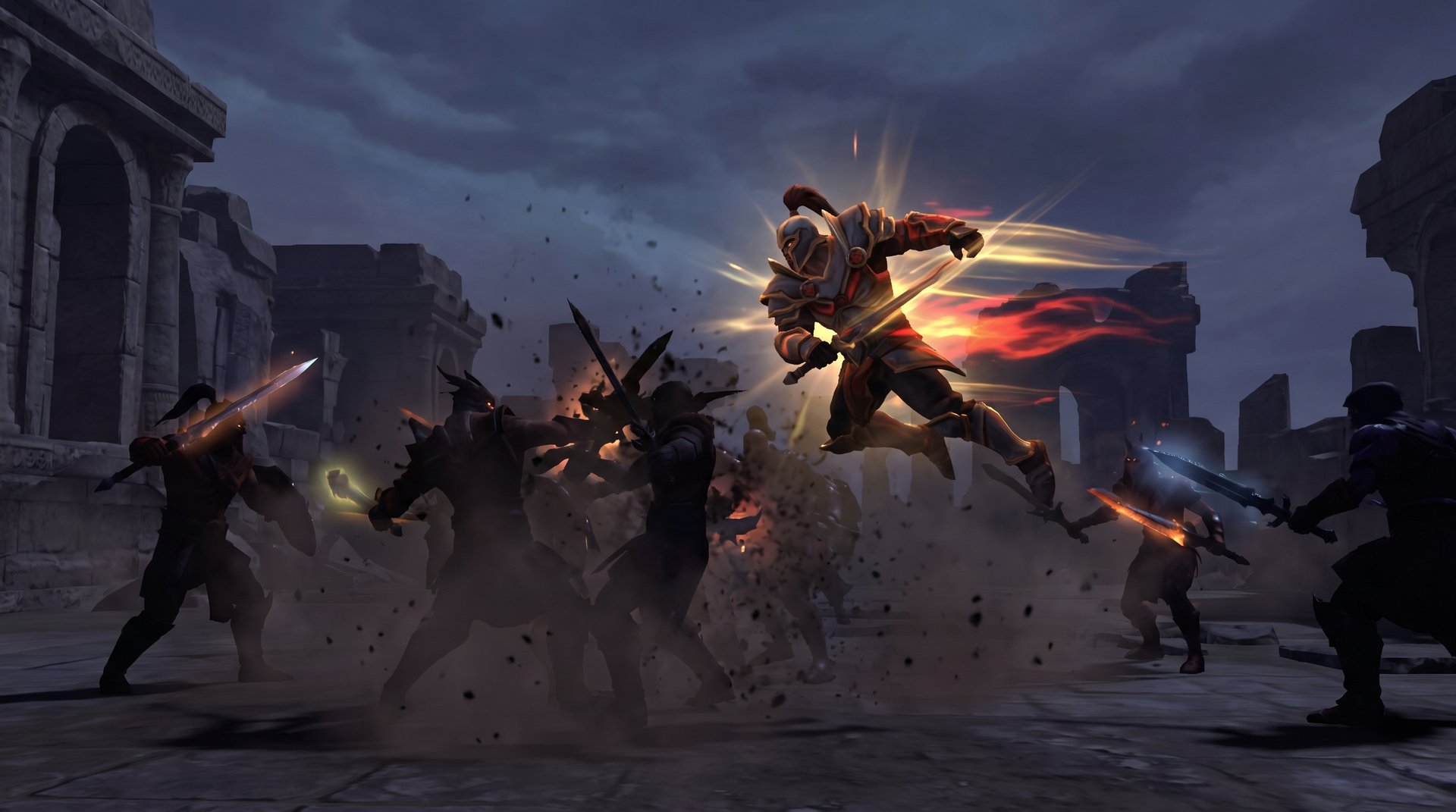
Berserker’s Call forces nearby enemies to attack Axe for 3.2 seconds at max level. The damage from those attacks triggers Counter Helix. But to guarantee Axe can hit every enemy hero with the Call, he needs to land exactly in the center of the enemy cluster — and that requires Blink Dagger. Without it, Axe is limited to walking into fights, which gives enemies time to spread, disable him before he casts, or simply run. A clean Blink-Call on three enemy heroes at once can win a teamfight in under 4 seconds. Axe buys it early, usually before any stat item, and the entire team draft is built around his ability to deliver the Call onto multiple targets. See our complete notes on denying this combo in the Axe counter guide.
Earthshaker
Echo Slam is one of the highest burst ultimates in Dota 2, with damage that chains across every unit in range. But Echo Slam has a 600-unit radius. Landing it on clustered enemies — ideally after they have already grouped to fight — is nearly impossible without Blink Dagger. The standard Earthshaker play is Blink in, Fissure behind the enemy backline to block escape routes, then Echo Slam for maximum chain damage. Without Blink, Earthshaker is stuck hoping enemies walk into his Fissures or initiating from the edge of the fight where few heroes are clustered. Our full Earthshaker guide covers exact Blink-Fissure timing and the one-two-three combo frame by frame.
Magnus
Reverse Polarity is one of the most fight-defining ultimates in Dota 2. A 5-man RP followed by team damage is a near-instant teamfight win. But RP has a 420-unit cast range, meaning Magnus must be standing right next to the enemy carry to pull them in. Walking there unseen in coordinated play is nearly impossible. Blink Dagger is the delivery system for RP, and a Magnus without one is a hero sitting in the backline with a powerful spell that rarely hits more than one target. With Blink, Magnus is a constant game-altering threat — every misposition by the enemy team is a potential 5-man pull.
Faceless Void
Chronosphere freezes every unit inside a 425-unit radius — including allies. For Chronosphere to be a win condition rather than a liability, Faceless Void needs to cast it in a specific position: his own team outside the bubble, multiple enemy heroes inside it. That placement precision requires Blink Dagger. A Chronosphere placed from walking range often catches at least one ally or lets priority targets walk out. A Chrono delivered with Blink can be positioned almost perfectly every time, as long as the player commits to the right moment.
Batrider
Flaming Lasso grabs the highest-threat enemy hero and drags them wherever Batrider walks. The entire value of the spell is in the delivery: Batrider must land on the carry before they can react, lasso them, and drag them into his team. Without Blink, Batrider gets stunned, kited, or killed before the cast lands. With Blink, he is one of the most feared anti-carry heroes in the game. The moment a Batrider reaches level 6 with Blink ready, every enemy carry is playing with the awareness that one mispositioning ends their life.
Brewmaster
Primal Split’s value is dramatically higher when Brewmaster chooses exactly where he is standing when he casts it. Blinking into the center of the enemy team and splitting means each sub-unit engages immediately on a target. Without Blink, Brewmaster often has to pop Primal Split defensively (when already in trouble) rather than offensively (when choosing the engagement). The offensive Blink-into-Split is one of the cleanest teamfight starters in the game if executed before the enemy can react.
Tidehunter
Ravage is a massive-radius ultimate with a long wind-up animation. Everyone on the map sees it coming. Tidehunter’s job in most games is to find the moment where the enemy team is grouped enough to justify the cast, then deliver it perfectly. Blink Dagger gives him both the gap-close and the positioning choice. A Tide with Blink is a constant latent threat — the enemy team must always play around the possibility that he can appear out of fog mid-fight and drop a 5-man Ravage before they react.
Centaur Warrunner
Hoof Stomp stuns every nearby unit. Like Berserker’s Call, it requires Centaur to be standing in exactly the right spot at exactly the right time. Blink in, Stomp, Double Edge, Stampede is the standard kill setup. Without Blink, Centaur relies on Stampede to initiate — which telegraphs the approach and gives enemies time to position against it. With Blink, the engage is instant and the full combo chain follows before enemies can react.
Heroes Who Buy Blink Situationally
These heroes benefit from Blink Dagger in some games but have alternative paths, built-in mobility, or more pressing early-game purchases.
| Hero | Blink Dagger Role | Common Alternative | Build It When… |
|---|---|---|---|
| Anti-Mage | Extra repositioning in extended fights | Relies on native Blink skill | Enemy has no lockdown and fights are long |
| Queen of Pain | Blink in range, Sonic Wave for max damage | Shadow Blade for approach | Enemy lacks burst damage on approach |
| Dark Seer | Ion Shell + Wall of Replica setup | Force Staff is cheaper | Team needs hard initiation, not just peel |
| Nyx Assassin | Blink + Impale + Mana Burn burst combo | Shadow Blade for approach | Enemy does not stack detection early |
| Beastmaster | Primal Roar delivery onto priority target | Boots of Travel + rotation | The target is high-threat and mobile |
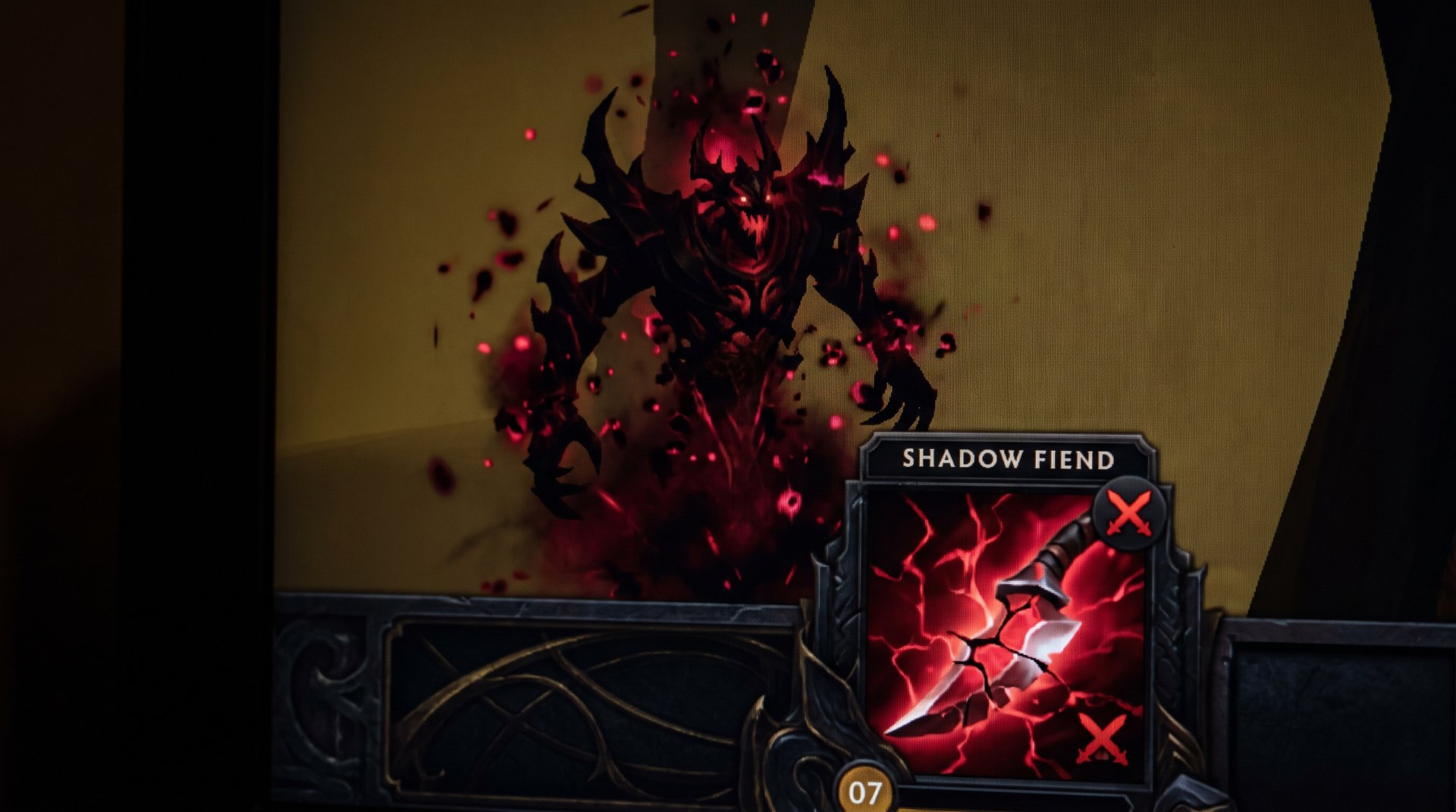
| Shadow Fiend | Requiem of Souls landing position | Shadow Blade for approach | Enemy lacks reliable targeted disables |
| Storm Spirit | Third mobility item after Ball Lightning | Stats or damage items | Farm lead is comfortable and fights are long |
| Mirana | Blink to guaranteed Sacred Arrow range | Leap provides some mobility | Enemy is predictably grouped for arrows |
The key decision for situational Blink buyers is whether the game requires more mobility or more stats. In a slow game where the enemy lacks lockdown and your team has other sources of initiation, the stat items often win. But if the enemy has high-impact heroes who need to be jumped before they can set up — a Faceless Void waiting for the perfect Chrono, a Medusa stacking mana shield, a Tinker with refresher — Blink Dagger’s gap-close becomes the priority purchase.
Position also matters. A Position 1 carry who buys Blink before completing their first damage item is giving up farming efficiency and right-click threat for mobility they may not use. A Position 3 who buys Blink at 12 minutes instead of a Bracer can start dictating fights immediately. The same item serves completely different functions at different positions.
When NOT to Buy Blink Dagger
Because Blink Dagger provides no stats, there are clear situations where it delays your power too much relative to the alternative.
You Are a Right-Click Carry Who Needs Damage First
Hard carries like Phantom Lancer, Spectre, and Medusa get their value from sustained right-click DPS and tankiness. Adding a pure mobility item at 2,250 gold when those gold could go into completing a damage core delays the power spike without a commensurate return in those heroes’ game plans. These heroes either have mobility in their kit or rely on positioning and survivability rather than gap-close.
The Enemy Team Has Heavy Silence Coverage
Both Orchid Malevolence and Scythe of Vyse prevent active item usage when they land. A silenced hero cannot use Blink Dagger. If the enemy team is stacking lockdown into silence, buying Blink Dagger first means the item sits in your inventory doing nothing every time a fight starts. In that game state, Black King Bar or Linken’s Sphere should come before Blink to guarantee you can actually use the item when it matters.
The Game Is Going Late and You Need BKB First
If the game reaches 30+ minutes and the enemy team has full items including hard disables, initiating with Blink Dagger without BKB is asking to be stunned mid-cast and killed. The sequence should be: BKB to guarantee the fight entry, then Blink Dagger as the second major item. Late-game teamfights at high MMR happen too fast to bank on enemies missing their disables.
A Cheaper Mobility Item Solves the Same Problem
Force Staff, Eul’s Scepter of Divinity, or Phase Boots sometimes provide enough repositioning for a hero’s needs at a lower gold cost. A support who just needs to not be the first one caught does not need Blink Dagger — Force Staff escape at 2,200 gold covers most of the same ground. Our breakdown of best escape items for every role in 2026 covers when each mobility item beats the others in a specific game context. See also best defensive items by role (2026) for a broader overview of survivability options.
Blink Dagger Variants: When to Upgrade
Blink Dagger is a component for three late-game upgrades. Each adds meaningful bonuses but costs another 4,000-4,500 gold on top of the base item. In most pub games below Immortal rank, you will not reach a point where the upgrade is the correct next purchase — the base item is the item that matters. But in late-game scenarios where you have already completed your full core build, these upgrades provide substantial value.
| Variant | Additional Cost | Key Bonus | Best On |
|---|---|---|---|
| Overwhelming Blink | 4,250 gold | AoE slow and damage on landing | Initiators (Axe, Centaur, Magnus) |
| Swift Blink | 4,000 gold | Move speed and agility burst after blinking | Agility carries who build Blink |
| Arcane Blink | 4,500 gold | Reduced spell cooldowns after each blink | Nukers and intelligence carries (QoP, Invoker) |
Overwhelming Blink on Axe or Centaur is the most common upgrade in high-MMR and professional games because it adds extra AoE pressure on landing, amplifying the initiation that those heroes are already performing. Arcane Blink on Queen of Pain or Invoker lets them chain abilities with shortened cooldowns after each blink entry, which in practice means more spells in faster succession during the decisive moment of a fight.
Upgrading is only correct if you are not still working on a core item that would provide more value. A Blink upgrade at 35 minutes when you are missing BKB is a mistake — spell immunity matters more in that game state than the upgrade bonus.
Timing Your Blink Purchase
The ideal Blink Dagger timing varies by hero and role. Here are the general benchmarks that high-MMR players use as targets.
Offlane Initiators: 10-16 Minutes
Axe, Earthshaker, Magnus, and similar offlane initiators want their Blink Dagger before the first major teamfight window, which typically opens around 15-18 minutes as midlaners complete first core items. A Blink Dagger completed at 12-14 minutes means you can force fights early — if you have Blink and enemy supports are out of position, you can run down heroes before they have items to fight back. Late Blink (18+ minutes on a hard initiator) usually signals a difficult laning phase. At that point, rushing it is still correct — but acknowledge you have missed the early aggression window and play defensively until it is complete.
Support Initiators: 14-22 Minutes
Support heroes who build Blink (Position 4 Earthshaker, Tidehunter support) have less farm and should prioritize Blink Dagger over any early stat items. A support Earthshaker who lands a fight-ending Echo Slam at 17 minutes is worth far more to the team than a support with 200 extra HP who cannot reach the fight properly. Skip the Bracer, skip the Null Talisman — the Blink is the item that makes your presence in fights felt.
Mid-Game Cores: After Primary Item
Carries and mids who add Blink situationally should complete their primary damage or survivability item first. The exception is identifying during the laning phase that the enemy team is particularly gank-dependent — if the enemy mid is making early rotations and you have no escape, a quick Blink at 12-15 minutes can prevent the deaths that would otherwise set back your whole game.
Item timing decisions like this are one of the areas where working with experienced coaches or boosters creates the most visible improvement in lower brackets. Our MMR boosting guide breaks down how high-MMR players approach these decision trees, and our guide on the best Dota 2 boosting and coaching services can help you identify the right type of service for the specific skills you want to develop. If you are ready to start climbing and want a direct ranking uplift, see our Dota 2 MMR boost options. For peace of mind about the process, our explainer on whether boosting is safe covers everything you need to know before starting.
Frequently Asked Questions
Climb Faster With Proven Dota 2 Improvement
Understanding items is one piece of the puzzle. Consistent execution at the right moment under pressure is another. Our MMR improvement services at TeamSmurf are designed for Dota 2 specifically — not a general esports platform. Whether you want to study how high-MMR players execute Blink Dagger timing, or you want a direct ranking uplift with a dedicated player on your account, we have options built around your goal.
Explore Boosting Options Is Boosting Safe?



