

Virtus.pro Disband International Dota 2 Roster After TI 2026

Virtus.pro shut down their international Dota 2 roster on August 24, 2026 — one week after The International 2026 concluded. The iconic Eastern European organisation had failed to qualify for TI 2026, finishing 5th-6th in the European regional qualifier, and decided not to renew contracts. Six people lost their competitive home in a single announcement: carry player Timado, midlaner Abed, offlaner SabeRLighT-, position 4 support Hellscream, position 5 support and veteran captain Fly, and head coach Bulba.
This is a landmark moment for a brand that helped define Dota 2 competition from its earliest days. We break down exactly what happened, who was on the roster, why they missed TI, what each player might do next, and how this disbandment fits the larger post-TI 2026 shuffle picture. For ongoing updates across all teams, see the Dota 2 Roster Shuffle Tracker 2026.
In This Article
What Happened: Virtus.pro Disbands on August 24
Virtus.pro announced on August 24, 2026 that they were disbanding their international Dota 2 roster. The announcement came through the organisation’s official channels and was confirmed by GosuGamers and multiple other esports outlets. Player contracts had expired following TI 2026, and VP chose not to offer renewals.
The timing was immediate and decisive. Within 24 hours of the announcement, all six people connected to the roster — five players and coach Bulba — were listed as free agents. There was no transitional period or “we are searching for replacements” language in the announcement. This was a clean cut.
The decision clearly stemmed from the team’s failure to qualify for The International 2026. Missing the game’s biggest tournament, especially when the roster had been built specifically to compete at that level, makes it very difficult for an organisation to justify the continued investment. VP leadership opted for a reset rather than another qualifier cycle with the same group.
The Full Virtus.pro Roster: Player-by-Player Breakdown
The disbanded roster was assembled as a genuine international lineup — players from North America, South East Asia, the Czech Republic, and the CIS region, coached by a North American legend. Here is who was on the team and what each person brought to it.
| Player | Real Name | Role | Region | Notable History |
|---|---|---|---|---|
| Timado | Enzo Gianoli | Carry (Pos 1) | South America | Team Liquid, SG, OG carry; known for aggressive tempo heroes |
| Abed | Abed Azel Yusop | Mid (Pos 2) | Philippines (SEA) | EG, Fnatic, Talon — one of the highest-rated mid players of his generation |
| SabeRLighT- | Jonas Volek | Offlane (Pos 3) | Czech Republic | Multiple EU squads; known for durable teamfight offlaners |
| Hellscream | Kirill Lagutik | Pos 4 Support | CIS | Several Eastern European rosters; roaming support specialist |
| Fly | Tal Aizik | Pos 5 Support / Captain | Israel (EU) | TI winner with OG (2018, 2019); among the most decorated supports in Dota 2 history |
| Bulba | Kanishka Sosale | Head Coach | North America | TI champion as coach (Team Falcons, TI 2025); deep strategic knowledge |
Fly: The Captain Who Could Not Replicate TI Magic
Tal “Fly” Aizik deserves a separate mention. He is one of only a handful of players to have won The International multiple times, claiming back-to-back Aegis with OG in 2018 and 2019. His reputation as a captain and support player remained strong going into this lineup, and he was the clear leadership figure on VP.
The problem was that individual pedigree does not guarantee team results in Dota 2. Chemistry, communication, and in-game synergy matter as much as raw talent. This VP roster never found the kind of cohesion that the OG squads had, and without TI qualification, there was no runway to fix it.
Abed: One of the Best Mids in the World, Still Without a Major Title
Abed Azel Yusop has spent years being considered among the top midlaners on the planet. His mechanics are exceptional and his hero pool is deep. Yet like many individual stars in Dota 2, translating personal skill into team success has proven elusive. Playing for VP in 2025-2026 was another chapter in that ongoing story. He enters free agency as one of the most sought-after mid players on the market.
Coach Bulba: A Puzzling Career Move That Did Not Pay Off
Kanishka “Bulba” Sosale had won TI 2025 as head coach for Team Falcons — a huge achievement. Moving to VP after that title was a surprising choice, and the results justified the skepticism. Reaching only 5th-6th in a regional qualifier with a TI-winning coach on the bench is a result that raises questions about fit, player buy-in, and team structure rather than coaching ability alone.
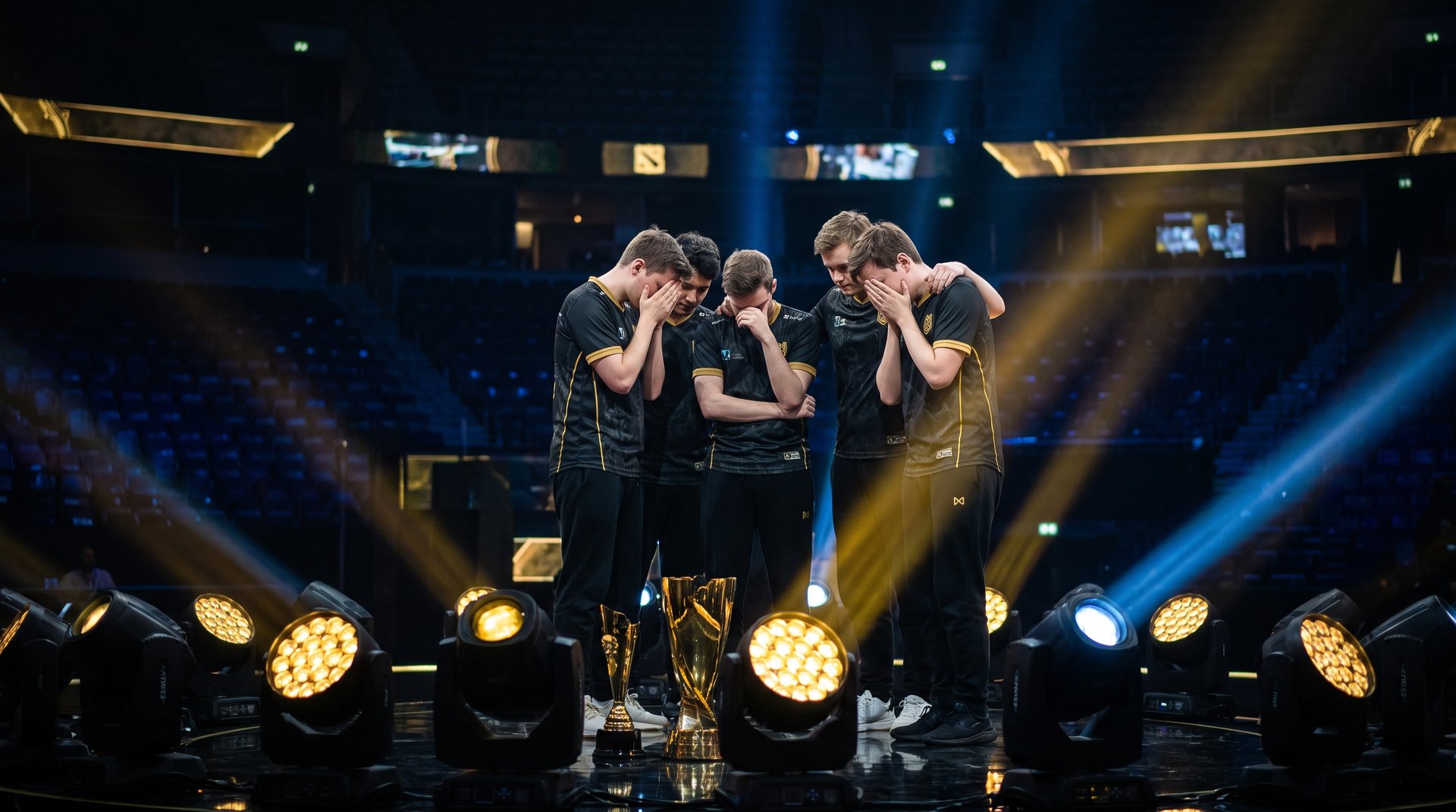
Why Did Virtus.pro Fail to Qualify for TI 2026?
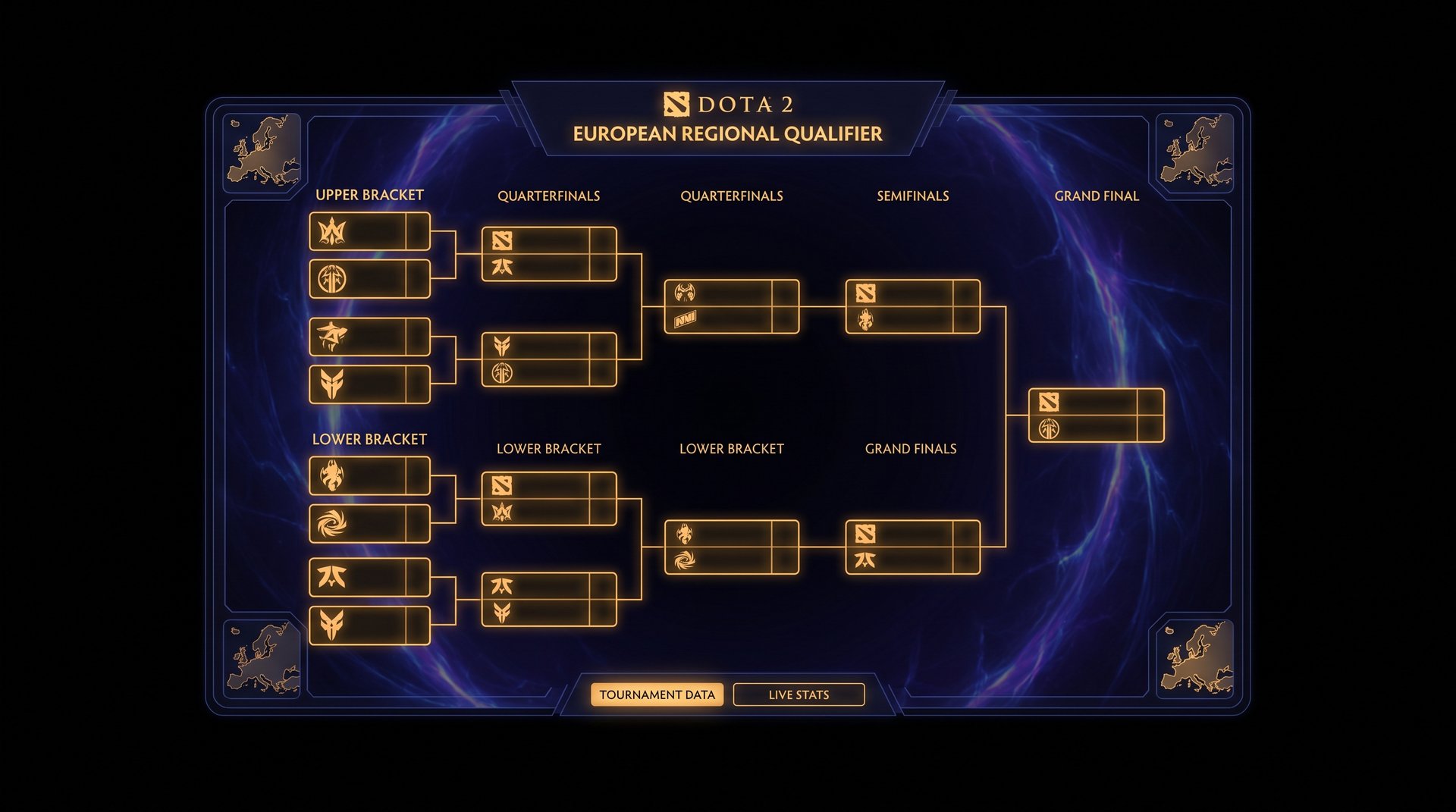
Virtus.pro finished 5th-6th in the European regional qualifier for TI 2026. The EU qualifier is one of the most competitive regional qualifiers in Dota 2, typically featuring multiple top-tier organisations and historically strong CIS teams competing for a limited number of slots. Finishing 5th-6th means they lost in the elimination stage, which typically happens in a best-of-three or best-of-one bracket depending on the format.
Structural Issues Across the Season
The VP international roster was never a dominant force on the DPC circuit in 2025-2026. Their results across league play and major qualifiers were inconsistent. They showed moments of promise — individual performances from Abed and Timado in particular — but struggled to translate those individual moments into reliable series wins against elite competition.
Several structural problems contributed to this:
- Language and communication: Running a roster with players from four different regions with different native languages creates real coordination challenges. Late-game decision-making in Dota 2 is heavily communication-dependent.
- Chemistry timeline: International rosters typically need 6 to 12 months to reach their ceiling. This roster may not have had enough time together to build the instinctive coordination top teams exhibit.
- Meta fit: Patch 7.41 and its iterations shifted the competitive meta in directions that may not have suited VP’s preferred playstyle, particularly given their reliance on individual carry performances from Timado.
- Pressure of expectations: With Fly’s TI pedigree and Abed’s individual rating, there were high expectations. Pressure without results creates team tension that compounds on itself.
The EU Qualifier: One of Dota 2’s Hardest Regional Brackets
The European qualifier for TI 2026 featured teams that had been competing at the top level throughout the entire DPC season. Teams like Team Spirit (who ultimately won TI 2026), Team Falcons, and other well-established EU/CIS organisations occupied the top spots. Breaking through that bracket requires not just individual skill but rock-solid team execution and draft preparation — two areas where VP visibly struggled.
A 5th-6th finish means VP lost two series in the double-elimination bracket. Each loss compounded the mental burden on the roster, and by the time their elimination match arrived, the team was already under enormous pressure.
Virtus.pro in Dota 2: A Brief History of the Brand
Virtus.pro is one of the most recognisable names in competitive gaming. Founded in 2003, the Russian/Eastern European organisation built its reputation across multiple titles. In Dota 2, VP had their golden era in the mid-2010s, fielding rosters that won multiple DPC events and regularly competed at The International.
The Great VP Teams of the Past
The classic VP Dota 2 lineup — Power Rangers era — featured players like No[o]ne, Ramzes666, RodjER, 9pasha, and Solo. That roster was a DPC mainstay and reached TI grand finals in 2018, finishing second to OG. The combination of aggressive mid play from No[o]ne and coordinated teamfights defined their peak era.
After that core broke up, VP went through several roster iterations, each trying to recapture that competitive edge. Some had regional success in CIS; none reached the same height. The decision to go international with the 2025-2026 roster was an attempt to inject fresh talent and a different strategic approach — but it did not deliver the desired results.
TI 2026 Context: Team Spirit Claims Their Third Aegis
The International 2026 concluded with Team Spirit defeating TEAM VISION in the grand final to claim their third Aegis of Champions. It was a dominant performance from a squad that had been building toward this result for years. Spirit’s win came with TI 2026 finishing in the books as one of the most competitive tournaments in recent history.
For Virtus.pro fans, watching TI 2026 from the outside — while a roster bearing their organisation’s name failed to even make it to the main event — was painful. It underscored how far the brand has fallen from its mid-2010s heights.
What Comes Next for Each Player?
All five players and coach Bulba are now free agents as of August 24, 2026. The post-TI shuffle period is typically one of the most active months in Dota 2 roster movement, so most of these players will find new homes before the 2026-2027 DPC season kicks off. Here is where each person is most likely to land.
Timado — Still a Tier-1 Carry Option
Enzo “Timado” Gianoli is one of the better carry players in the Western hemisphere and his free agency will attract interest quickly. Teams looking for a proven Pos 1 who can handle the pressure of high-stakes matches will consider him seriously. South American teams and Western organisations both tend to have him on their shortlists. Expect an announcement within the first month of the shuffle.
Abed — The Most Valuable Free Agent on This Roster
Abed Azel Yusop entering free agency is genuinely significant news for the mid-lane market. His mechanics at Pos 2 are elite, and teams that believe they can build the right structure around him will move fast. Multiple Tier-1 and high-Tier-2 organisations will pursue him. The key question for any team signing Abed is whether they can build a roster where he has the resources to carry games while also enabling him within a team-first system.
SabeRLighT- — Experienced Offlaner Seeking the Right Fit
Jonas “SabeRLighT-” Volek has been a consistent presence in EU/CIS Dota for years. He is not a flashy player, but he is reliable and understands how to play tough teamfight offlaners with discipline. Teams rebuilding their Pos 3 spot will look at him as a safe, experienced option. Czech Republic-based players often fit naturally in EU rosters where English is the primary communication language.
Hellscream — CIS Support Looking for Stability
Kirill “Hellscream” Lagutik is a roaming support specialist who is most effective when given freedom to create space early. His landing zone is likely in a CIS or EU roster where his playstyle complements an aggressive carry. He may take a step down to a Tier-2 organisation if Tier-1 offers do not materialise quickly.
Fly — The Veteran at a Crossroads
Tal “Fly” Aizik is the most complex case on this roster. He is a two-time TI champion and one of the most respected players in Dota 2 history, but his recent results have not matched his reputation. The VP experiment adds another disappointing chapter. At his career stage, Fly faces a decision: find one more serious run with a strong organisation, step into a coaching or analyst role, or step back from competitive play entirely.
If he is committed to one more push as a player, there will be interest. His leadership ability and experience in high-pressure situations are genuinely valuable. But teams will want to see signs that his best playing days are not behind him.
Bulba — A Coaching Career Still Has Momentum
Kanishka “Bulba” Sosale won TI 2025 as a coach and that achievement does not disappear because VP failed to qualify for TI 2026. Coaching performance is heavily dependent on team quality, and Bulba simply may not have had the right roster to work with. He remains a high-value coaching candidate and will likely return to the circuit with a different organisation before the new DPC season.
How This Fits the Broader Post-TI 2026 Roster Shuffle
Virtus.pro disbanding their international roster is one of several major moves happening in the post-TI 2026 shuffle. The same week saw LGD Gaming release their South American roster following contract expiration, and Nigma Galaxy’s superstar carry SumaiL announced his retirement from competitive Dota 2. The shuffle is shaping up to be one of the more significant roster movement windows in recent years.
For context, the post-TI shuffle typically runs from late August through October, when most new rosters lock in before the DPC league season begins. During this window, organisations decide which lineups to keep, which to dismantle, and which players to target from the free agent pool. VP’s released players entering free agency in August gives them a head start in finding new homes before the best spots fill up.
You can track every confirmed move across all organisations in the Dota 2 Roster Shuffle Tracker 2026, which is updated as announcements land.
What Does This Mean for the EU/CIS Region?
Losing VP’s international roster from the EU circuit does not fundamentally weaken the region — the team was not a top-3 EU squad during the DPC season — but it does remove a branded presence that brought name recognition and viewership. The EU/CIS region remains stacked with strong organisations, and the players released by VP will simply redistribute into other rosters, maintaining the region’s overall depth.
The more interesting ripple effect is what happens to the VP brand itself. If VP does not field a Dota 2 roster for the 2026-2027 DPC season, it will mark a significant withdrawal from a title where they were once dominant. That narrative will follow the organisation regardless of performance in their other titles.
What Is Next for Virtus.pro in Dota 2?
As of August 2026, Virtus.pro has not announced plans for a new Dota 2 roster. There are a few paths available to them:
- Full rebuild: Sign a new set of players before the DPC season starts, targeting a different region or a fresh CIS-based core. This is the most likely outcome if VP remains committed to Dota 2.
- Temporary withdrawal: Sit out one or more DPC seasons while evaluating whether the Dota 2 scene makes financial sense for the organisation. Several organisations have done this and returned when the timing was better.
- Academy or feeder approach: Partner with a Tier-2 roster and use that as a pipeline while the organisation figures out its long-term Dota strategy.
The VP brand carries enormous weight in the Dota 2 community, particularly among Eastern European and Russian fans who grew up watching the Power Rangers era. Any future announcement about a new VP roster will generate significant attention. Whether that announcement comes in weeks or months — or not at all for this season — remains to be seen.
What This Means If You Want to Improve Your Own MMR
Roster shuffles and team disbandments are a reminder that even players at the highest level need the right team environment to reach their potential. For pub players grinding MMR, the message is the same: individual skill matters, but systematic improvement matters more. Whether you are stuck in Herald or pushing toward Divine, a structured approach to rank climbing works.
If you want to accelerate your own climb, professional Dota 2 boosting services can help you reach your target bracket while you continue improving your game sense. For players serious about understanding why they win and lose games, check out our detailed MMR boosting guide which covers the mechanics behind ranking up efficiently.
Wondering if using a boosting service is the right move? Read our breakdown of whether Dota 2 boosting is safe before you decide — it covers Valve’s actual enforcement approach and how reputable services operate.
Frequently Asked Questions
Want to Climb MMR While the Pros Shuffle Rosters?
The post-TI shuffle changes the competitive landscape at the top, but your pub games are still happening right now. If you are stuck at a bracket that does not reflect your understanding of the game, a professional boost can get you to the right MMR while the new season rosters lock in.
TeamSmurf uses verified Immortal-rank boosters who play on your account with VPN protection and offline mode. No bots, no sketchy services — just real high-MMR players who know Dota 2 inside and out.


