Nigma Galaxy Qualify for TI 2026: Final EU Slot

Nigma Galaxy qualified for TI 2026 by taking the final European slot, but the useful part for ranked players is not the headline. It is the way they won. Their decider against Yellow Submarine was a good reminder that stable lanes, tower pressure, and clean fight entry matter more than copying flashy heroes without context.
This article breaks down what actually mattered in the qualifier, what pub players should steal from it, and how those lessons translate by role. If you want the bigger field, read our TI 2026 qualified teams breakdown.
Table of Contents
Why This Result Matters
Europe had four qualifier slots for TI 2026, and the last one was not a charity slot. Nigma had to survive a field with real pressure, then close a high-stakes final series. That matters because qualifier games are usually clearer than random patch discussions. Teams show what they trust when the season is on the line.
The big takeaway was simple: Nigma kept drafts functional. Their cores could hit towers, their teamfights had obvious geometry, and they gave themselves enough frontline to protect damage dealers. That is exactly the kind of structure most pub drafts lack.
| Region | Dates | Slots | Qualified Teams |
|---|---|---|---|
| Europe | June 21-28 | 4 | Team Spirit, TEAM VISION, HULIGANI, Nigma Galaxy |
| China | June 15-18 | 2 | Vici Gaming, Team Resilience |
| Southeast Asia | June 19-23 | 1 | OG |
| South America | June 15-19 | 1 | LGD Gaming |
| North America | June 24-26 | 1 | GamerLegion |
Series Breakdown
The final score was 2-1 for Nigma. The better lesson is that each map showed a different version of timing discipline. When Nigma had a clear tower hitter and a protected backline, the game looked playable even in long fights. When Yellow Submarine hit their item timing first, Nigma looked much less comfortable.
| Game | Winner | Key Story | Pub Lesson |
|---|---|---|---|
| Game 1 | Nigma Galaxy | Stable objective pressure outlasted early noise. | One reliable tower hitter changes every post-fight decision. |
| Game 2 | Yellow Submarine | Greed worked because the timing was protected. | If enemy greed is covered by wave clear and saves, your punish window is smaller. |
| Game 3 | Nigma Galaxy | Frontline plus safe damage won the fight geometry. | The stronger scaling hero is useless if it never gets a clean entry. |
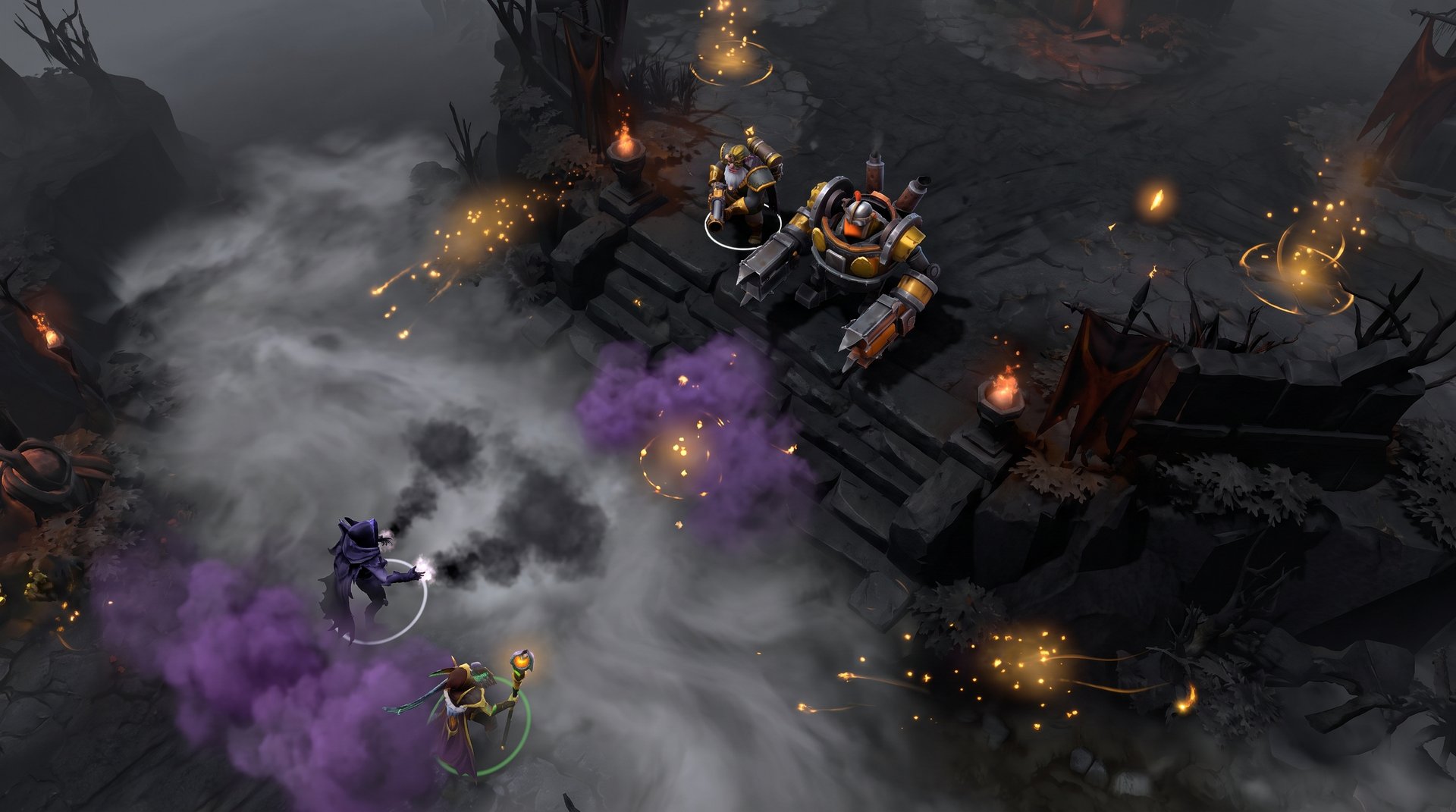
Nigma’s best ideas were not complicated. They drafted damage that could convert won fights into buildings, used a body in front to make space, and kept fight starts predictable. That is boring in the best way. Boring structure wins a lot of MMR.
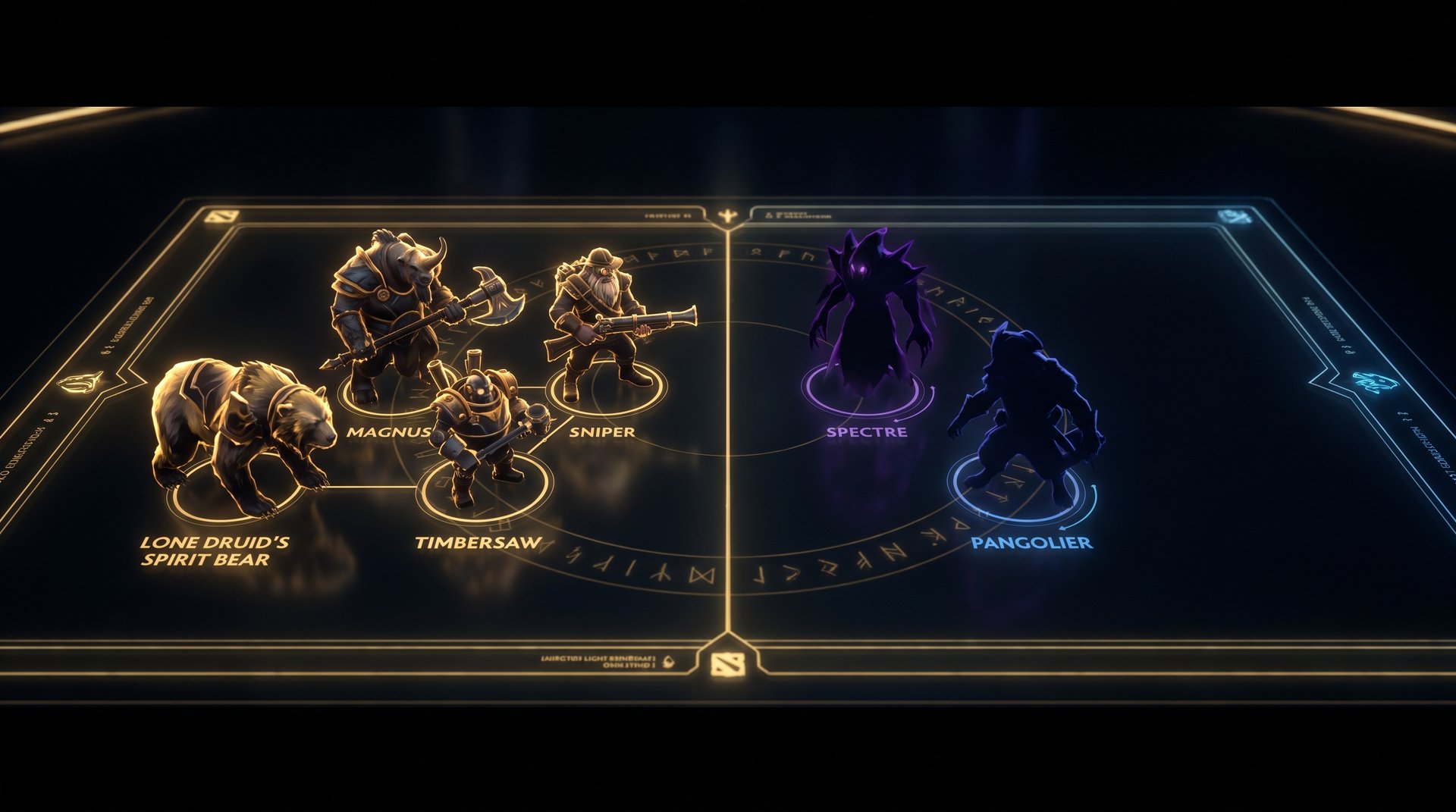
Our read: this looked less like a miracle run and more like a late correction. Nigma simplified what each core had to do, and the whole team got easier to pilot under pressure.
Ranked Lessons Pub Players Should Copy
- Pick at least one building hitter. If every win only turns into wards and reset farming, your draft is fake tempo.
- Know who owns the dangerous lane. Good teams always have one hero who can show first without collapsing the whole map.
- Frontline is about angle, not just tankiness. The job is to make enemy camera movement ugly and keep your real damage safe.
- Do not confuse scaling with control. Late game heroes still need access to waves, wards, and clean fight starts.
- Turn one good fight into an objective immediately. Qualifier Dota punishes hesitation, and ranked does too.
What Nigma got right
They kept their win condition visible. Towers, lane pressure, and fight access all pointed in the same direction.
What pub players usually get wrong
They copy a hero because it won on stream, then ignore whether their own lineup can protect that hero’s timing.
Role-by-Role Translation
If you want this to help your own games, translate the lesson by role instead of by roster name.
| Role | What to Copy | Common Mistake | Fix |
|---|---|---|---|
| Carry | Convert one won fight into tower damage. | Drafting greed with no building threat. | Add one tempo carry to your pool. |
| Mid | Own waves and entry points. | Chasing kills instead of shrinking the map. | Play for wave plus objective timing. |
| Offlane | Create the body that protects backline damage. | Jumping too far with no follow-up angle. | Fight where your damage can actually connect. |
| Support | Ward for the next wave and next move. | Random wards after the fight is already over. | Place vision where your strongest core needs to stand next. |
What It Means for TI 2026
Nigma taking the last European slot does not suddenly make them the tournament favorite. It does mean they arrive with a cleaner identity than they showed earlier in the season. That alone makes them dangerous in draft-heavy series.
For ranked players, the better point is that pro play is still rewarding lineups that can occupy space first. If you want a broader patch view, pair this article with our June 2026 meta watchlist and our tournament meta to pub meta guide.
Want These Concepts Applied to Your Own Games- Team Smurf
If your problem is not raw mechanics but drafting, role clarity, and turning leads into actual MMR, two faster paths exist than random queue suffering.
Best fit for coaching
- You lane fine but throw the map after minute 12.
- You want replay-based feedback by role.
- You need a tighter hero pool and clearer game plan.
Best fit for boosting
- You need rank movement quickly.
- You are stuck in low-quality queues.
- You understand the theory but do not have the time.
Check Team Smurf’s Dota 2 coaching, MMR boost service, or calibration help depending on whether your issue is execution, speed, or placement.
How Nigma Drafted Under Pressure (And What Pubs Can Learn)
High-stakes qualifier games expose one thing that normal pub play hides: the gap between teams that draft with a plan and teams that draft with hope. Nigma’s decider run illustrated this clearly. The final series was not decided by individual skill peaks. It was decided by which team had better answers to the question “what happens after we win a fight.”
When you review the series through a draft lens, three patterns stand out.
They drafted for their map style, not just for patch power. Every hero in Nigma’s lineup had a clear job that matched their intended game plan. No one had to improvise a role mid-game. Drafts that require improvisation are fragile. That coordination starts in picks and bans, not at fountain.
They avoided draft traps. The current meta has several heroes that look correct on paper but require very specific support to function. Nigma consistently picked heroes that could survive imperfect conditions. A carry that needs three specific items before contributing in a fight is a liability at 25 minutes. A carry that can contribute at 20 minutes is a weapon even when things go sideways.
They traded short-term power for long-term clarity. Game 3 is the cleanest example. Nigma chose a lineup that was slower to peak but had a cleaner win condition. They knew when and where their lineup was supposed to hit. That self-knowledge is what the pub bracket is missing in most draft phases.
| Draft Principle | How Nigma Applied It | Pub Equivalent |
|---|---|---|
| Draft for your game plan | Every pick served a clear structural role | Know whether you are sieging early or scaling before the draft ends |
| Avoid hero traps | Heroes that worked in imperfect conditions | Pick carries that can output with two items, not four |
| Prioritize clarity over peak power | Slower ceiling, but team always knew the plan | A coordinated push timing beats an uncoordinated early attempt every time |
| Protect the damage dealer | Frontline positioned to make backline fights clean | Draft one hero whose only job is to stay between the carry and the enemy |
At higher MMR, the gap between 4,000 and 5,500 brackets is rarely mechanics. It is whether your draft lets five players execute the same game plan at the same time. If your position 4 is building a save item while your carry is expecting aggressive fights, you lost the coordination before the battle even started. Try this: after every draft phase, write one sentence describing your team’s win condition. If you cannot do it, the first mistake is already on the board.
Applying the TI Qualifier Mindset to Your MMR Climb
Watching pro games without a filter is low-value for ranked improvement. The heroes are different, the timings are sharper, and the communication is in-game. What you can extract is the structural habit that makes pro drafts work even when individual execution is not perfect.
Here is how to pull real value from Nigma’s run into your own games.
Identify your draft’s worst-case scenario. Nigma’s lineup in each game had a clear fallback position. If their primary win condition was blocked, the team still had wave control, vision access, and a way to reset. Most pub drafts have no fallback. When the initial game plan fails, the whole team plays from chaos. Before you lock in, ask: if we fall behind at 20 minutes, do we have any way to stabilize and reset?
Treat the 25-minute mark as a draft check. In every game you play, ask at 25 minutes whether the game is going according to what your draft intended. If not, was the draft wrong or was execution wrong? Learning to tell the difference is worth more than any hero mechanic. Drafts fail in two ways — wrong heroes for the intended plan, or right heroes that the team cannot pilot in sync. Knowing which problem you have points you toward the right fix.
Pick heroes that reduce coordination costs. High-coordination lineups require your teammates to make the same decision at the same moment. Nigma’s qualifier lineups reduced that dependency. Their carries could hit objectives without perfect timing from all four supports. The lower your bracket, the simpler your coordination requirements should be. A straightforward push timing that three players can execute is better than a five-player smoke combo that requires everyone to commit at the exact same second.
Review fights for entry quality, not just KDA. Nigma won Game 1 not because they accumulated more kills, but because their fights started from better positions. Watch your replays and count how many times your team enters a fight from a disadvantaged angle. That number, reduced over 50 games, adds more rating than any single hero mastery.
Track one metric per game. Pick one: towers taken after won fights, fights started by your team vs fights you reacted to, or vision placed before the next big objective. Single-metric tracking beats vague replay review every time because it forces you to define what success looks like before the game begins.
If you want a structured approach to building these habits with a real high-rank player watching your replays, Team Smurf’s Dota 2 coaching service is built exactly for this. Their coaches work through the same structural breakdown — MMR climb mechanics, draft habits, and execution gaps — rather than just reviewing your last bad game. For players who want to understand whether mechanics are the actual bottleneck or whether coordination and draft awareness are the real issue, the Dota 2 boosting safety guide explains how high-MMR play differs structurally from what most ranked brackets experience.
FAQ
Stop Copying Drafts Blindly. Start Converting Them Into MMR.
If this TI 2026 breakdown made you realize your biggest leak is decision quality, Team Smurf can help you fix it faster than another 200 pub games.