Dota 2 Patch 7.41d Best Heroes Before EWC 2026

Dota 2 Patch 7.41d is in that sweet spot where the fake takes are dying and the real patterns are finally obvious. Valve shipped the balance update on June 5, cleaned up Dark Carnival and role queue friction again on July 1, and now the Esports World Cup 2026 Dota 2 event starts on July 7 with 24 teams playing for a $2,000,000 prize pool. That matters for ranked because right before a big event is when pro trends, pub greed, and lazy copying all collide.
The problem is that most “best heroes” lists are still way too broad. They tell you Snapfire is strong, Spectre is winning, Drow is popular, and then stop there. That is useless if you actually want MMR. You need to know why a hero is winning, what exact lane script makes it work in 7.41d, where the patch hit its worst counters, and which of those tournament ideas actually survive low-coordination pubs.
This guide is built for players who queue to win, not to cosplay a draft panel. We are breaking down the best heroes in Dota 2 patch 7.41d before EWC 2026, the patch notes that changed the pub food chain, the item timings that matter, and the spots where it is smarter to buy coaching or a clean MMR boost than waste another week forcing the wrong meta pick.
Table of Contents
Why 7.41d Matters Right Now
The timing is obvious if you play enough ranked. July 1 brought a follow-up Dota 2 update that restored Scrap tickets for normal and Turbo games, brought Seeing Stones back to some co-op modes, and relaxed role queue consumption so you only need to pick one high-demand role instead of both. That is not a giant balance patch, but it changed queue behavior. More off-role players are now willing to touch support or offlane, which means pub drafting got looser again.
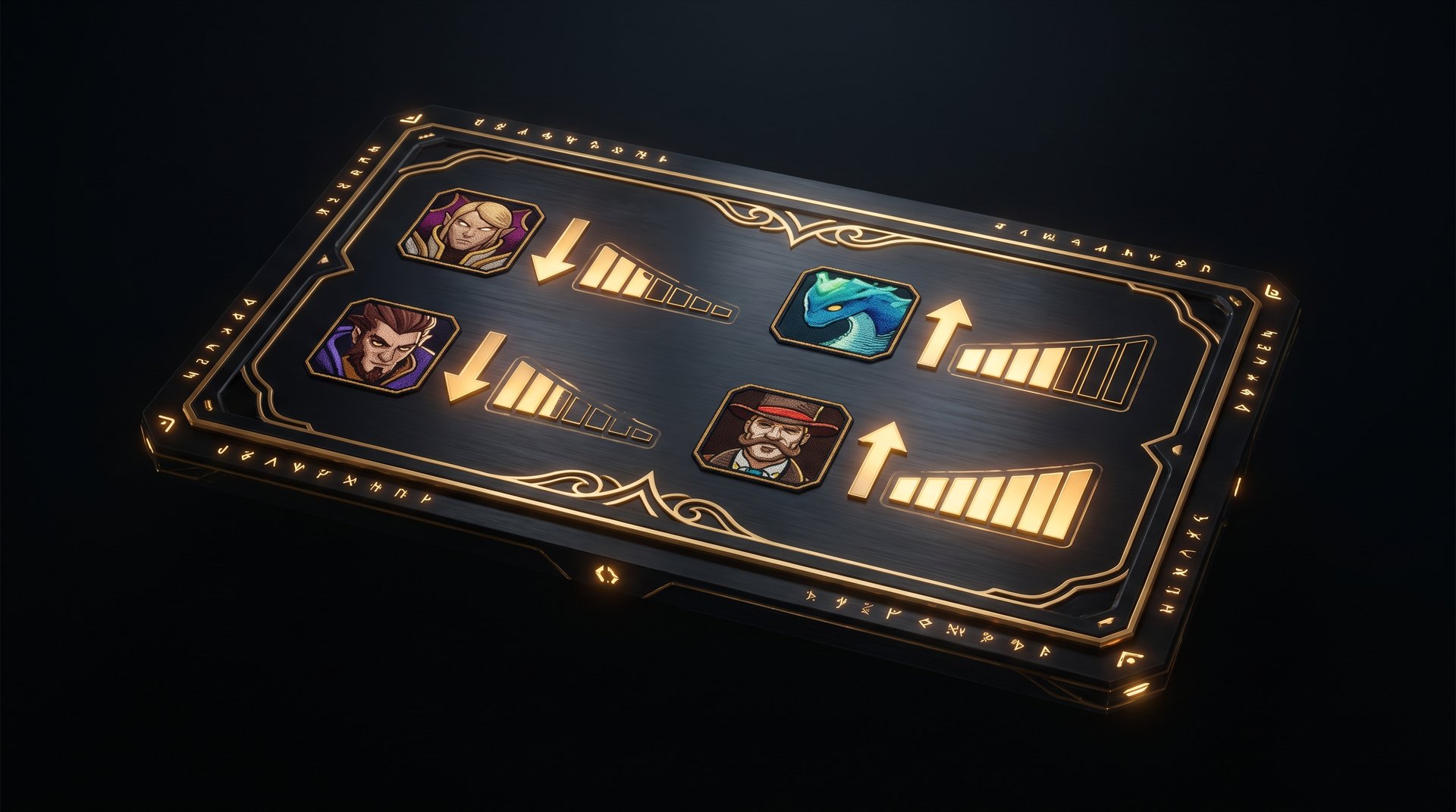
At the same time, the actual balance foundation is still 7.41d. That is the patch where Valve trimmed several oppressive competitive staples. Hotspawn’s patch breakdown highlighted real hits to Invoker, Kez, and Axe, while separate 7.41d reporting across esports outlets also pointed to nerfs on heroes like Hoodwink, Ember Spirit, and Snapfire. So the old “just copy last month’s draft priority” logic is already stale.
That is also why yesterday’s tournament preview angle is weaker than a fresh meta piece. TeamSmurf already covered the event field in our EWC 2026 preview. Repeating group-stage talk would be lazy. What players actually need right now is a sharp answer to one question: what should I spam in 7.41d before everyone else figures it out?
| Current event marker | Specific detail | Why ranked players should care |
|---|---|---|
| Patch baseline | 7.41d still defines hero power and item efficiency | You are not solving a fresh patch anymore — you are exploiting a solved one faster than your bracket |
| Follow-up update | July 1 role queue change only needs one high-demand role selected | More mixed-skill support and offlane games means strong lane-stable heroes gain value |
| Next big event | EWC 2026 Dota 2 starts July 7 with 24 teams and $2,000,000 | Search interest spikes now, and pub players start copying pro heroes badly |
| Current pub pattern | Players are forcing popular picks without lane plans | That makes disciplined comfort picks even stronger than raw tier-list strength |
How Far Are You From Your Goal MMR?
See exactly how many games stand between you and your target rank — then decide how you want to get there.
MMR Goal Calculator
How far are you from the rank you want? Real math, no sugarcoating.
Enter a goal MMR higher than your current MMR (0-12000).
The Patch Changes That Actually Moved The Meta
Most patch summaries are bloated. These are the parts that matter if your goal is to climb instead of just memorize changelogs.
1. Morphling stopped being a fake niche hero
Hotspawn’s 7.41d notes called Morphling the biggest rework of the patch. His base Strength dropped from 23 to 16, while base Agility jumped from 24 to 33. That pushed his level 1 damage from 36-45 to 45-54. In other words, he became much scarier in actual lane trades, while losing some of the sloppy early survivability that let bad Morph players get away with murder.
For pubs, that means one thing: if the Morph player knows attribute shifting and wave control, the lane is now way more punishable for weak offlanes. If he does not, he dies faster. That is why Morph is high ceiling but still not my favorite pub recommendation below Immortal.
2. Kez and Invoker got hit where good players feel it
Kez lost bonus agility base damage on Switch Discipline Katana from 16% to 12%. Kazurai Katana and Shodo Sai cooldowns both moved from 20/15/10/5 to 24/18/12/6, and Parry duration went from 2 seconds to 1.5. That is not a cosmetic nerf. That is Valve saying, “you still get to be flashy, but you are paying for every mis-timed button now.”
Invoker also got tagged in the exact places that were making him obnoxious in 7.41d pubs. Ghost Walk cooldown moved from 32 to 40 seconds. Chaos Meteor contact damage was reduced, and Ice Wall lost top-end slow from 180% to 150%. That matters because so many pub Invoker wins were not about insane spellcasting — they were about getting away with one greedy map cut too many.
3. Ringmaster and utility scaling got more real
Funhouse Mirror’s Proportion Distortion Illusion damage going from 28% to 100% is the kind of number you never ignore. It does not automatically make Ringmaster first-phase pub material, but it does mean serious players should stop treating him like a pure novelty pick.
4. July 1 fixed systems, not hero balance, but that still changes pubs
The July 1 update was not just event cleanup. Role queue friction went down. Soul Ring temporary mana became clearer in the UI. Ability Draft and bot rewards were fixed. Hidden nonsense like infinite Shadow Fiend soul stacking with Feast of Souls plus Octarine Core got patched out. Those changes do not headline Twitch clips, but they absolutely change what sort of players are in your queue and how cleanly they execute item-based heroes.
Best Heroes In 7.41d Right Now
If I had to build one no-nonsense 7.41d shortlist for pub grinding right now, these are the heroes I would center it around.
| Hero | Why it wins in 7.41d | Best role | What bad players get wrong |
|---|---|---|---|
| Spectre | Public July coverage put her at a 55.5% higher-bracket win rate and the third-highest carry win rate in the game | Carry | Fighting too early without blademail timing or haunt angle |
| Snapfire | Still one of the defining core heroes because mid and offlane Snapfire converts spell damage into tempo fast | Mid, Offlane | Playing her like a backline support after winning lane |
| Drow Ranger | Currently the most popular carry hero of the patch and farms cleanly once Aghanim’s comes online | Carry | Blind-picking her into jump and save without lane support |
| Necrophos | Works in three core roles and abuses Consecrated Wraps better than almost anyone | Mid, Offlane, Carry | Rushing greedy damage instead of surviving the first real jump |
| Rubick | Strong lane control plus Curiosity scaling means he is not just a flashy comfort support anymore | Pos 4, Pos 5 | Stealing random spells instead of fight-winning ones |
| Axe | Even after the regen nerf, he is still one of the cleanest offlane punishes in chaotic pubs | Offlane | Blinking first with no vision and no wave shoved |
Spectre is the cleanest pub carry if your lane is not doomed
One of the strongest specific numbers from recent 7.41d coverage is Spectre sitting at 55.5% win rate in higher brackets and ranking as the third-highest carry win rate. That matches what high-MMR players already feel. She is not broken because she wins lane every time. She is broken because 7.41d pubs still give too many free pickoff windows between minute 12 and minute 22, and Spectre punishes those harder than almost any carry once her first two items are online.
The trick is not to play her like old-school AFK Spectre. You want stable lane mechanics, fast treads plus survivability, and clean haunt participation on supports showing one screen too far forward. The players who feed on Spectre are usually the same ones who queue again after reading a win-rate post and then walk into lane with zero creep equilibrium discipline.
Snapfire is still meta, but only if you understand what her job is
Hotspawn flat-out called Snapfire “THE meta hero this patch” and specifically highlighted her as a core that is very strong in mid and offlane. That part matters more than the label. In 7.41d, core Snapfire works because she does not need forever to become relevant. She shoves waves, threatens burst, abuses Kaya-based spell amplification lines, and gets a lot of extra value from early Aghanim’s Shard timing.
The pub mistake is obvious: people copy the pick but not the pace. They win lane, buy one farming item too many, and suddenly their supposed tempo core arrives to the first real map fight five minutes late. If you play Snapfire core, your job is not to look pretty on the scoreboard. Your job is to make every enemy support afraid to stand next to a tower.
Drow Ranger is popular for a reason
Hotspawn’s July list called Drow Ranger the most popular carry hero of the patch. That is believable because her built-in sidestep value made the hero much smoother to pilot, and once Aghanim’s comes out she accelerates wave-to-camp patterns without needing some galaxy-brain farming route.
But Drow is the classic bracket trap too. In good games she feels illegal. In bad games she is a walking bounty rune. So I like Drow most when your team already has at least one of these three things:
- A frontliner that starts fights first
- A save support that can punish dive heroes
- Lane control that stops you from entering minute 8 already behind
Necrophos is the “I do not want to lose side lanes” hero
Necrophos is one of my favorite 7.41d answers when the rest of the lobby wants to play greedy front-to-back Dota. Recent July coverage highlighted that he is viable in all three core roles and specifically called out Consecrated Wraps as one of the new items he uses especially well. That is a big deal because it means the hero is not locked to one lane identity. You can flex him based on draft and still keep the same general game plan.
What makes Necro so annoying in pubs is that he punishes half-committed aggression. Low-discipline teams jump him, fail to chain control, overstay into sustain, then feed the reset. If you already read our safe lane recovery plan or our high-ground throw guide, you already know why that matters: 7.41d has too many games decided by one bad overextension, not by draft genius.
Role By Role Hero Breakdown
Carry
If you want the cleanest carry shortlist right now, I would prioritize Spectre, Drow Ranger, Ursa, and Faceless Void. Another public 7.41d tier list explicitly named Faceless Void, Spectre, Ursa, and Juggernaut as the four strongest carry picks. I do not fully agree with Juggernaut over Drow for raw pub conversion right now, but the larger point stands: carry success is being decided by heroes that either force objective windows or recover lanes faster than average.
Ursa stays good because Roshan remains a real MMR skill-check. If your bracket still ignores Roshan until one random team wipe, Ursa will always have value. Spectre is better when the map is split and uncoordinated. Drow is better when your lineup naturally makes people walk into you.
Mid
Mid lane in 7.41d is less about raw flash and more about who converts first bottle, first catapult, and first side-lane move. That is why Snapfire keeps showing up. Zeus remains a safe default for non-mid specialists. Invoker is still playable, but after the Ghost Walk and Meteor hits, he is much less forgiving for players who used to rely on one free reposition per fight.
If your first ten minutes are shaky, do not ego-pick a hero that needs perfect rune control. You are better off playing a stable shove-and-move hero, or buying one serious coaching session to fix your first-three-wave decisions than spending twenty games pretending your problem is “team diff.”
Offlane
The offlane summary from recent 7.41d meta coverage was simple and correct: tanky frontliners who control teamfights win games. That is why Axe still matters despite the base regen nerf, and why Necrophos and Snapfire remain dangerous flexes. Early 7.41 offlaners that relied more on instant snowball got trimmed. Stable aura timing and guaranteed initiation matter more again.
If you are below Divine, your offlane hero choice should answer this question: can I start or absorb the first real fight around minute 15 without needing perfect help? If the answer is no, it is probably too cute for solo queue.
Support
Pudge and Lion will always dominate popularity charts, but Rubick is the support I trust more in games that matter. Recent July coverage pointed out that Lion remains popular and even got more value from his Finger follow-up attack pattern, but popularity is not the same as game control. Rubick scales better, lanes better into more drafts, and benefits from his newer Curiosity innate in a way that actually pays off if the game goes long.
Support Snapfire is still viable, but right now her real value ceiling is on core roles. If you are stuck in a support-only queue stretch after the July 1 role-queue change, I would rather have stable disable plus save, or a Rubick that can steal the one spell that decides the fight.
Heroes You Should Stop Blind-Picking
A good meta guide also tells you what to stop doing.
| Hero | Why people still pick it | Why that logic is weak in 7.41d |
|---|---|---|
| Invoker | Players still remember the free map-cutting Ghost Walk nonsense | Cooldown hit from 32 to 40 seconds means greedy movement gets punished more often |
| Kez | Looks flashy and still scares people in theory | The 16% to 12% bonus damage cut and cooldown nerfs tax every bad execution |
| Greedy Drow blind picks | Hero is popular and farms fast | Without frontline or save, she turns every dive hero into a good game |
| Pudge support in bad lanes | Comfort and fun factor | Lane griefing yourself in 7.41d is still the fastest route to a fake comeback game |
One of the easiest ways to gain MMR is not finding some hidden god-tier hero. It is simply stopping the blind picks that no longer overperform. A huge number of players keep losing because they are loyal to a previous patch version of a hero instead of the current one.
Immortal-Level Ranked Lessons From 7.41d
Lane stability is worth more than theoretical scaling
I see this every patch cycle. People talk about final item slots, but the MMR is actually won by minute 8. If role queue changes mean more mixed-quality support players in the lobby, then heroes with self-contained lane scripts go up in value. That is why Spectre with a real lane plan is better than some greed carry you only “outplay” on your perfect day.
Objective pressure is still the cleanest pub skill gap
7.41d did not reinvent Dota. Teams still lose because they do not convert a won fight into tower, Roshan, ward line, or map choke. Heroes like Ursa, Snapfire, Axe, and Drow all gain value because they help convert. If your hero only wins fights but does not help end the map state, you are giving chaotic lobbies more chances to throw you.
Do not copy pro support greed without pro vision discipline
Pro players can get away with disgusting support pathing because their team actually respects smoke windows and ward timing. In pubs, copied greed usually turns into free deaths. That is why Rubick is strong when piloted with discipline, but complete bait when used as an excuse to dodge basic support responsibilities.
What actually wins right now
Heroes that survive lane, threaten early objectives, and do not require five players to read the same page. If your hero needs perfect chain-stun setup and three voice-commed teammates to function, it is not a pub hero. It is a fantasy.
What keeps losing right now
Drafts full of “good heroes” that do not cover each other’s jobs. Two greedy cores, a support Pudge, an offlane with no tower pressure, and then everyone wonders why the game felt impossible at minute 18.
Fastest Way To Gain MMR Before EWC Starts
If you want a practical 7.41d plan for the next week, keep it simple.
- Pick one carry pool or one core pool, not five random “meta heroes.”
- Choose heroes with clear first-item and first-objective identity.
- Spam only heroes whose first ten minutes you understand.
- Review losses where your lane was fine but your map decisions were trash.
- If you are out of time, stop pride-grinding and use help intelligently.
That last point matters. Not every player needs a boost. Some just need one sharp replay review and a tighter hero pool. That is exactly where TeamSmurf coaching makes more sense than endless ranked spam. But if you already understand your bracket and just need a clean result before the season gets worse, a safe MMR boost or calibration service can be the rational move.
And if your account is already trapped in punishment queue or behavior issues, do not ignore that either. The best hero in the patch does not matter if your actual queue environment is broken. In that case, fix the problem first with low priority removal and then return to ranked with a real plan.
Want The Fast Track Instead Of Another Tilt Queue?
Team Smurf gives you three clean options: get coached by Immortal players, skip the grind with a safe MMR boost, or fix punishment queue before it tanks another week of progress.
FAQ
Bottom line: 7.41d is not about finding one secret broken hero anymore. It is about identifying which strong heroes still function when your team is messy, your support misses a stack, and the enemy carry insists on one more wave. Right now, that means stable pressure cores, fewer greedy blind picks, and actual lane discipline. If you play like that, you will climb before the rest of your bracket finishes arguing about tier lists.