

Best Soft Support Heroes Dota 2 (2026): Pos 4 Tier List

Position 4 is the most impactful role in Dota 2 that most players get wrong. While everyone argues about which carry or mid to pick, the Pos 4 soft support is quietly deciding games through early rotations, pick-offs, and vision control. The best soft support players in Dota 2 do not wait — they create chaos, shut down enemy carries in the laning phase, and transition into tempo-setters the moment they hit key item timings.
This tier list covers the best Pos 4 heroes in Dota 2 for the current patch (7.41f), ranked by their ability to influence games from the support slot without needing priority farm. We cover Pos 4 specifically — if you want the combined Pos 4 and Pos 5 breakdown, see our guide to the best support heroes Dota 2 has to offer across both roles.
Whether you play from the offlane as a sacrificial laner, roam aggressively from minute 3, or prefer the tempo-support style where you farm enough to buy core items like Orchid or Blink by 15 minutes, this guide ranks the top heroes and explains exactly how to play them in the current meta.
Table of Contents
What Is Pos 4 in Dota 2 and Why Does It Matter?
Position 4 — the soft support or roaming support — is the fifth-priority farm hero who spends early game either laning in the offlane alongside the Position 3 carry, or rotating aggressively to create pressure across the map. Pos 4 sits above Pos 5 in farm priority but well below the three cores. You will buy wards, couriers, and team utility items, but you also get enough gold to transition into fighting items by the midgame.
The fundamental difference between Pos 4 and Pos 5: the Pos 5 (hard support) protects and enables. The Pos 4 hunts and disrupts. If you are playing Pos 4 and spending most of your game behind your carry, you are playing the wrong role. Pos 4 should be in the enemy’s jungle by minute 4, creating space and denying the enemy carry safe farm.
Pos 4 vs Pos 5: The Key Distinctions
| Attribute | Pos 4 (Soft Support) | Pos 5 (Hard Support) |
|---|---|---|
| Farm priority | 4th — gets some farm, buys core items | 5th — almost no farm, pure utility |
| Lane assignment | Offlane with Pos 3 OR roam from minute 1 | Safelane with Pos 1 carry |
| Primary goal | Disrupt enemy carry, create rotations, kill | Protect own carry, secure lane |
| Item style | Utility/damage: Blink, Orchid, Eul’s, Dagger | Aura items, save items: Glimmer, Force Staff |
| Kill participation | Actively seeks kills, can take early kills | Sets up kills, avoids taking kills |
| Ward responsibility | Secondary buyer, aggressive sentries | Primary observer buyer |
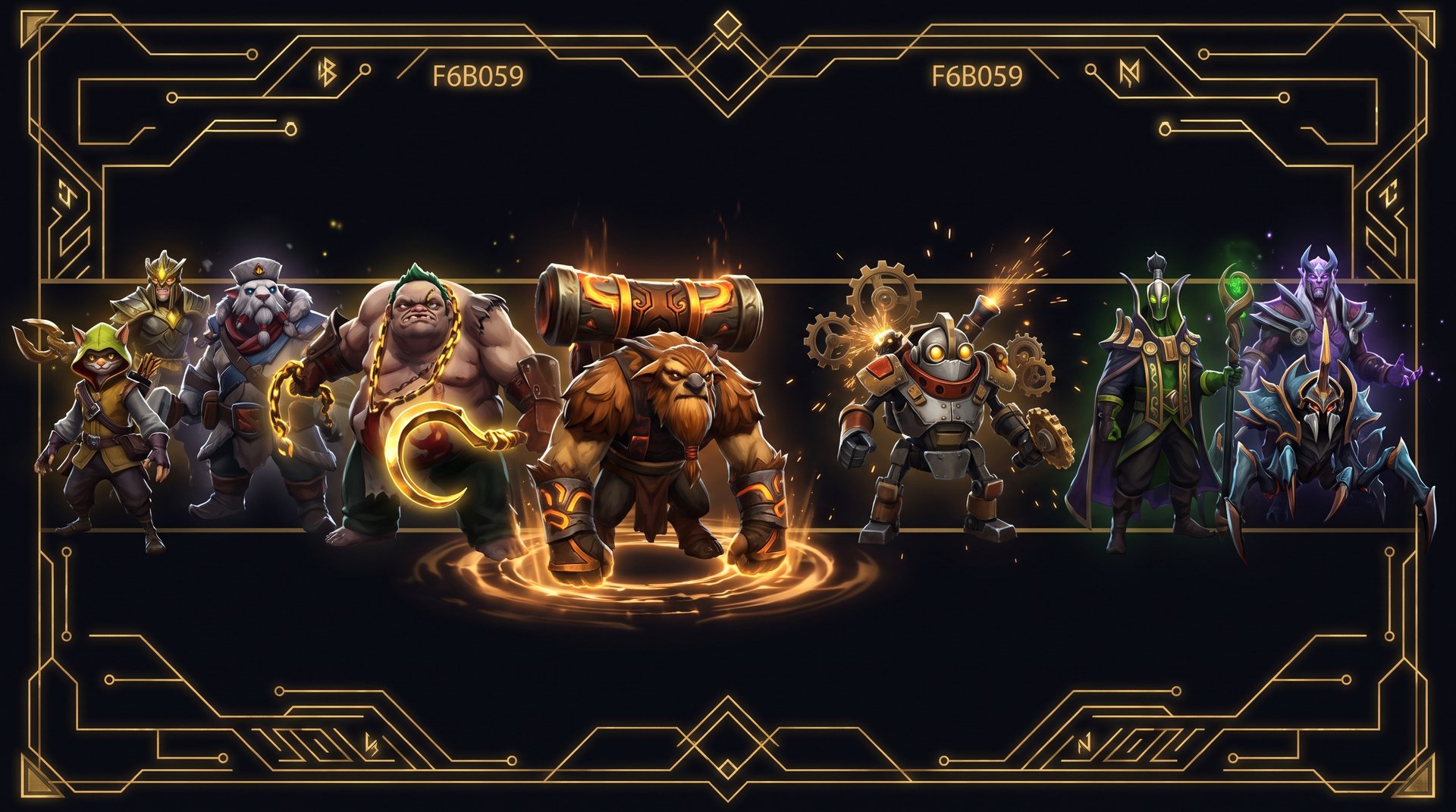
S-Tier Pos 4 Heroes in Dota 2 (7.41f)
S-tier means the hero is overperforming relative to effort required right now. These picks win games at a higher rate than their counterparts and should be first-picked or locked in whenever they fit your team composition.
Pudge
Pudge has been S-tier as a Pos 4 for multiple patches and 7.41f has done nothing to change that. With Meat Hook providing 1300-range catch potential, Dismember as a BKB-piercing 3-second disable, and Rot slowing and damaging everything in his immediate area, Pudge is the most impactful roaming support in the game when played well.
What makes Pudge specifically strong in 7.41f: the armor nerfs across several offlane cores mean that Rot’s flat HP loss deals a larger effective percentage of enemy heroes’ health in the early game. Against Centaur Warrunner or Axe — both of whom lost armor in 7.41f — Rot at level 2 is noticeably more threatening in lane than it was in 7.41e.
Pos 4 Pudge play style: Lane in the offlane for 2-3 minutes, establish yourself as a threat with Rot harass, then rotate mid at level 3-5 for a gank. Smoke Pudge at level 3 is one of the most reliable kill patterns in the game. Hook into Rot into follow-up from your mid is a guaranteed kill on most heroes who are not yet level 5.
Core items: Tranquil Boots — Blink Dagger — Aghanim’s Shard — BKB if needed — Aghanim’s Scepter. Blink is mandatory. Until you have Blink, you are playing at 50% of your potential.
Pros
- Hook provides unmatched 1300-range pick potential
- Dismember pierces BKB — effective at all stages
- Flesh Heap makes Pudge scale into a tanky front-liner
- Psychological pressure forces enemies to play scared
Cons
- Hook misses punish you harder than any other hero mistake
- Slow movement speed without Tranquil Boots
- Requires 100+ hours to hook reliably at high brackets
- Countered by BKB timing on the carry you are trying to kill
Earthshaker
Earthshaker is arguably the best Pos 4 in the game for team-fight-heavy drafts, and 7.41f is a team-fight patch. Echo Slam’s damage scales multiplicatively with enemy unit density — a 5-man Echo Slam deals over 3,000 total damage instantly, which is a full wipe on most supports and even carries without BKB. Fissure adds terrain creation and one of the best long-range stuns in the game.
Why Earthshaker now: The 7.41f post-TI nerfs targeted team fight-dominant heroes like Morphling and Dragon Knight. The heroes who replaced them in the meta tend to clump more in the midgame — they play around team fights rather than split push. Earthshaker reads the current meta perfectly.
Core items: Arcane Boots — Blink Dagger (mandatory, rush before any other big item) — Force Staff (second blink for combo extension) — Aghanim’s Scepter (Aftershock adds to every fissure fragment). Blink is not optional. Walk-up Echoes are not consistent enough at Ancient and above.
Rotation pattern: From the offlane, walk into the enemy safelane at level 2 to zone the enemy carry. After Blink, rotate mid for Fissure setups. Never commit to a fight without Blink unless you have a hard initiation setup from your team.
Sand King
Sand King as Pos 4 is criminally underplayed in the lower brackets and dominant in high MMR. Sand Storm provides a free disjoint and AoE slow. Caustic Finale creates a powerful AoE explosion on ranged right clicks. And Epicenter — when combined with Blink into Sand Storm — is a fight-winning ultimate that stuns the entire enemy team for 2-3 seconds repeatedly.
In 7.41f specifically: Sand King benefits from the slightly slower midgame pace after the TI nerfs. Post-TI patches tend to be more measured as high-level players figure out the new meta. Sand King thrives when fights last long enough for the full Epicenter pulse count. If games are ending at 25 minutes, Sand King is weaker. At 30-40 minutes, SK is unambiguously S-tier.
Core items: Arcane Boots — Blink Dagger — Aghanim’s Shard (optional, gives Burrowstrike buff) — Shiva’s Guard or Lotus Orb depending on the matchup. Sand King scales with every point of damage reduction on himself.
Skywrath Mage
Skywrath Mage is the best Pos 4 into intelligence-heavy lineups and the most devastating laning-phase support in the game when matched against squishy heroes. Arcane Bolt deals damage scaling with your INT stat. Concussive Shot is a global interrupt with a 1.5-second slow radius on a target of your choice. Ancient Seal silences and amplifies magic damage by 30%. And Mystic Flare — his ultimate — deals 2,800 base damage to 2 units over 2 seconds.
The 7.41f mana cost angle: The patch increased mana costs on Lion, Lina, and Shadow Demon. All three heroes commonly appear as Pos 4 or Pos 5 picks. Playing Skywrath Mage against these heroes in the laning phase means they cannot harass effectively without running out of mana, while Skywrath’s Arcane Bolt is extremely mana-efficient. This is a draft matchup you actively look for.
Core items: Arcane Boots — Aether Lens (huge range extension on all spells) — Aghanim’s Shard — Glimmer Cape (Mystic Flare while invisible). Unlike most Pos 4 heroes, Skywrath does NOT need Blink. His range is sufficient without it. Prioritize Lens and then damage amplification.
A-Tier Pos 4 Heroes in Dota 2 (7.41f)
A-tier heroes are strong picks that win games reliably when played well. They are not as dominant as S-tier but outperform the average hero pool significantly. Pick these when the S-tier heroes are banned or unfavorable in the draft.
Clockwerk
Clockwerk is the best Pos 4 for creating isolated kills on a single target. Hookshot provides instant 2000-unit initiation. Power Cogs trap a target in a small area with no escape. Battery Assault deals continuous damage and mini-stuns, preventing enemies from channeling anything. And Rocket Flare gives global vision with a slow.
The defining feature of Clockwerk as Pos 4: he solo kills almost any hero who is out of position. A Hookshot into Power Cogs kills the enemy mid hero, the enemy carry, or an unsuspecting support with zero team coordination required. If your team has poor communication, Clockwerk is one of the best solo-impact Pos 4 picks in the game.
Core items: Power Treads or Tranquil Boots — Blade Mail (anyone inside Cogs while Blade Mail is active and Battery Assault is running simply dies) — Force Staff — Aghanim’s Scepter. Blade Mail is specifically strong in 7.41f because the Hookshot + Blade Mail + Battery Assault inside Cogs combination deals enough damage to kill most non-core heroes on the spot.
Mirana
Mirana remains a top-5 Pos 4 pick for her map control and long-range kill setup. Sacred Arrow stuns for up to 5 seconds at maximum range. Starstorm provides AoE burst. Leap gives Mirana and nearby allies a speed boost for ganks and escapes. And Moonlight Shadow provides team-wide invisibility — the strongest setup ultimate in the game for aggressive ganks and pickoffs.
How to play Mirana Pos 4: You are not a laner. You are a roamer from the start. Pull camps, zone the enemy safelane support with Starstorm, and look for Arrow setups on the enemy mid hero at level 3. After level 6, every gank involving Moonlight Shadow has near-guaranteed kill potential. Use your ult before your team commits to fights, not during them.
Core items: Tranquil Boots — Eul’s Scepter (Eul’s an enemy, Arrow them during the cast animation for a guaranteed full-duration stun) — Force Staff or Aghanim’s Shard — Solar Crest.
Dark Willow
Dark Willow is the highest-DPS Pos 4 in the game in the midgame when fully online. Bramble Maze roots enemies for 3 seconds. Shadow Realm makes her untargetable and charges her next attack for pure damage. Cursed Crown is a 4-second delayed stun that explodes if enemies do not spread out. And both her ultimates — Bedlam and Terrorize — provide massive AoE outputs that scale well into the late game.
Dark Willow requires team coordination to play at peak effectiveness but pays off enormously against slow or immobile lineups. She is particularly strong against carries who rely on right clicks because Terrorize forces them to run toward their fountain at critical fight moments.
Core items: Arcane Boots — Eul’s (for Shadow Realm setup) — Aghanim’s Shard — Ethereal Blade. At Ethereal Blade, Dark Willow’s burst damage becomes one-shot level against most supports and off-builds.
Bounty Hunter
Bounty Hunter is the best vision and gold-denial Pos 4 in the game. Track provides vision of an enemy hero, prevents them from going invisible, and gives your entire team bonus gold when they die. Jinada is a passive 200% damage crit that also mini-stuns on proc. And Shadow Walk makes BH invisible with an amplified first attack on break.
In 7.41f, Bounty Hunter’s value comes from synergy with the Desolator meta. Desolator is a top-3 item this patch due to the armor nerfs on multiple heroes. Bounty Hunter’s Jinada procs Desolator, meaning a BH with Desolator and an ally Desolator user creates -14 armor on a target within 2 hits. This is a one-shot setup at the 15-minute mark against most supports and many carries in the early game.
Core items: Tranquil Boots — Desolator (the gold from Track pays for it) — Aghanim’s Shard — Solar Crest. The desolation stack from BH plus a core teammate is devastating in the current meta.
Tusk
Tusk provides the most reliable instant-stun Pos 4 initiation outside of Earthshaker. Ice Shards creates a wall of ice blocking escape routes and pathing. Snowball provides a pickup for allies and a guaranteed stun entry onto any target. Walrus Punch is a massive single-target knockup that chunks for 2,000+ damage with the right facet.
Tusk is particularly strong against low-mobility carries who cannot easily escape the Snowball plus Walrus Punch combo. Against Drow Ranger, Luna, or Morphling, a Tusk who rolls up with a core teammate is a reliable kill pattern from level 6 onward through all phases of the game.
Core items: Tranquil Boots — Blink Dagger — Aghanim’s Shard — Solar Crest. Blink before Snowball extends the effective catch range significantly and should be rushed after boots in most games.
Rubick
Rubick is the highest skill-ceiling Pos 4 in A-tier. Fade Bolt reduces attack damage on targets it bounces through, which is powerful against physical right-click lineups. Telekinesis is one of the longest-range stuns in the game at max Aether Lens build. And Grand Magus — his ultimate — steals the last enemy spell cast, allowing Rubick to use enemy ultimates against their own team.
Rubick is the best Pos 4 in the draft specifically against teams with high-value ultimates. Stolen Echo Slam, Ravage, Black Hole, or Reverse Polarity from Rubick’s position wins team fights immediately. In 7.41f, with carries like Morphling and Dragon Knight being nerfed out of dominance, Rubick’s stolen spell pool is slightly more varied — but he remains solidly A-tier for his Telekinesis setup potential and Fade Bolt utility in every game.
Core items: Arcane Boots — Aether Lens (extends Telekinesis range dramatically) — Blink Dagger or Force Staff — Aghanim’s Scepter. Check our MMR boosting guide if you are stuck in a bracket where Rubick’s complex kit is not translating into wins.
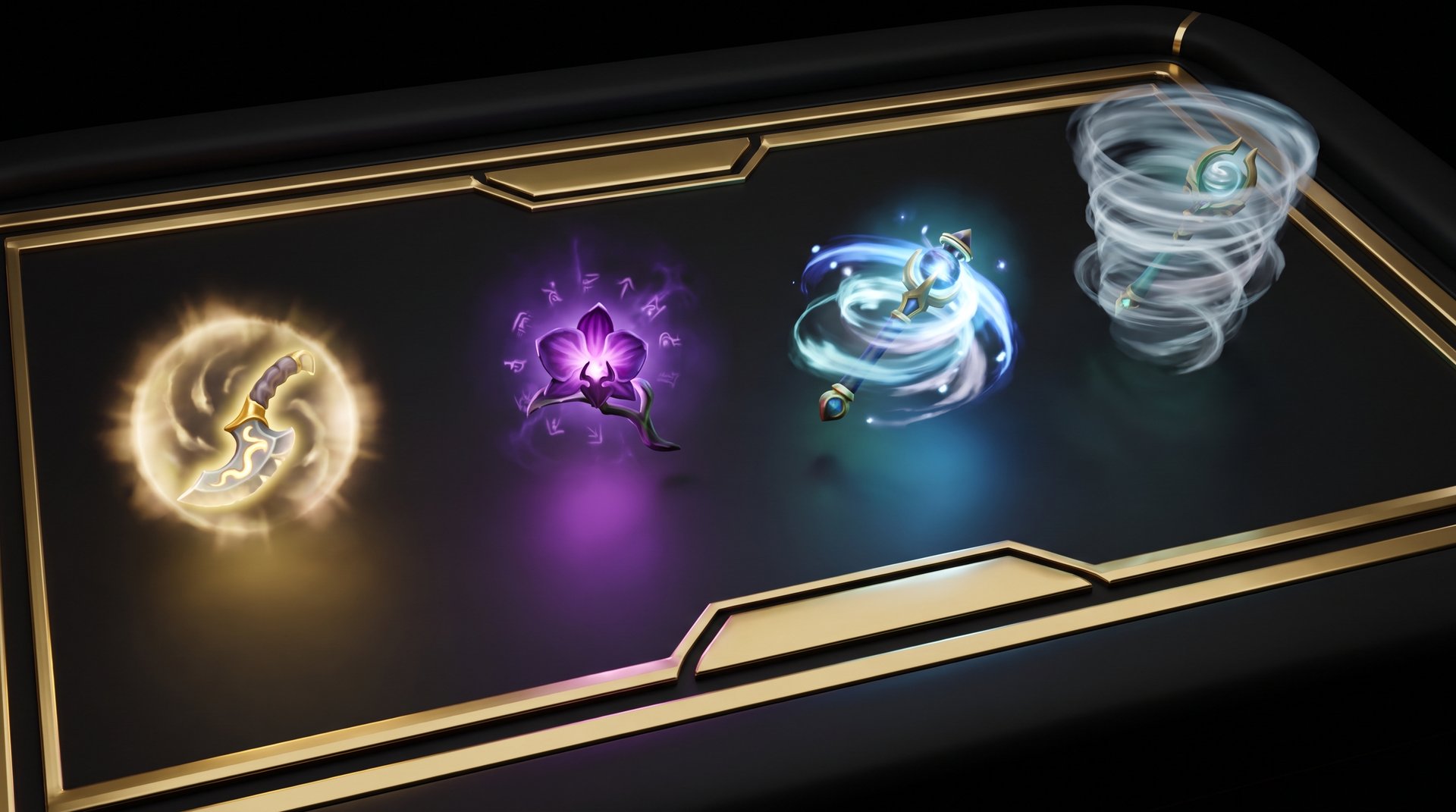
B-Tier: Situational Pos 4 Heroes
B-tier heroes are viable picks in the right context but require specific conditions to reach their ceiling. Pick these when the draft strongly favors them or when you have a game plan built around their mechanics.
Pangolier
Pangolier was the dominant Pos 4 pick at TI 2026. He received nerfs in 7.41f — specifically to Rolling Thunder, which had its damage reduced and its interrupt protection removed in the patch notes. In pubs, he remains dangerous with Pounce plus Shield Crash combos and can build semi-core items like Diffusal Blade and Eul’s Scepter. However, the 7.41f nerfs push him from S-tier to mid B-tier. Play him if you have a specific counter-building game plan, not as a default Pos 4 pick.
Spirit Breaker
Spirit Breaker is the best Pos 4 for snowballing games through charge ganks. Charge of Darkness provides global pick potential on a relatively short cooldown. Greater Bash procs on every 4th attack for a stun. And Nether Strike teleports you to an enemy for a guaranteed stun and knockback. Spirit Breaker’s weakness in 7.41f: BKB is widely built against him (Charge can be BKB’d out of), and the current item meta favors mobility over brute-force pursuit. He is B-tier — strong in the right matchup, average in others.
Core items: Phase Boots — Armlet of Mordiggian — Aghanim’s Shard — Blade Mail. The Armlet-Blade Mail combination makes Spirit Breaker a surprisingly tanky front-liner who can absorb enormous amounts of damage while your cores follow up on the target you have charged.
Ogre Magi
Ogre Magi as Pos 4 is one of the tankiest supports in the game at any bracket. He has the highest base HP gain per level of any intelligence hero, and Bloodlust provides a major attack speed and movement speed buff to a carry when activated. Multicast — his passive — randomly duplicates his abilities 1 to 4 times, meaning a lucky Ignite or Fireblast can completely change a fight even when executed by a below-average player.
Ogre Magi is B-tier because he is passive compared to the heroes above him. He does not create plays — he enables plays. In the current meta, which rewards aggressive Pos 4 heroes who hunt for kills and create tempo, Ogre Magi’s value is lower than in slower, defensive styles. Play him if you want a simpler hero with consistent utility and strong laning phase.
Nyx Assassin
Nyx Assassin excels against intelligence-heavy lineups and is specifically strong in 7.41f given the mana cost increases to Lion, Lina, and Shadow Demon. Mana Burn deals pure damage scaling with the target’s max mana. Impale stuns for up to 2.75 seconds from max range. Spiked Carapace reflects incoming stun damage. And Vendetta makes Nyx invisible with massive first-attack bonus damage.
Against a lineup with 3+ intelligence heroes, Nyx can deal 600-900 pure damage per Mana Burn target at level 7, which is more burst than most core heroes deal in a single rotation at that timing. Pick Nyx specifically into INT-heavy lineups and avoid him against physical right-click-heavy drafts where Mana Burn does minimal damage.
Full Pos 4 Tier List Table (7.41f)
| Tier | Hero | Win Rate | Best Against | Core Items |
|---|---|---|---|---|
| S | Pudge | ~52% | Slow, positioning-dependent heroes | Blink, Aghs Shard, BKB |
| S | Earthshaker | ~51% | Illusion heroes, clumped lineups | Blink, Force Staff, Aghs |
| S | Sand King | ~52% | Slow enemy lineups, physical right-clickers | Blink, Shiva’s, Lotus Orb |
| S | Skywrath Mage | ~53% | INT heroes, fragile supports | Aether Lens, Glimmer Cape |
| A | Clockwerk | ~52% | Isolated targets, pick-off lineups | Blade Mail, Force Staff, Aghs |
| A | Mirana | ~51% | Low-mobility carries, slow draft | Eul’s, Force Staff, Solar Crest |
| A | Dark Willow | ~51% | Right-click carries, immobile teams | Eul’s, Aghs Shard, Ethereal Blade |
| A | Bounty Hunter | ~52% | Gold-dependent lineups, split-push heroes | Desolator, Aghs Shard, Solar Crest |
| A | Tusk | ~51% | Low mobility carries, snowball drafts | Blink, Aghs Shard, Solar Crest |
| A | Rubick | ~50% | Teams with high-value ultimates | Aether Lens, Blink, Aghs |
| B | Pangolier | ~50% | Disorganized lineups, stagger fights | Eul’s, Diffusal, Aghs |
| B | Spirit Breaker | ~51% | Low BKB drafts, squishy lineups | Phase Boots, Armlet, Blade Mail |
| B | Ogre Magi | ~52% | Physical right-click heavy drafts | Arcane Boots, Glimmer, Force Staff |
| B | Nyx Assassin | ~50% | INT-heavy lineups, high-mana heroes | Tranquil Boots, Dagon, Aghs Shard |
Pos 4 Itemization: What to Build and When
Pos 4 itemization follows a different logic than cores. You are spending 60-70% of what a core spends but need items that create impact at every point in the game. The wrong item on Pos 4 means you have neither the utility of a Pos 5 save support nor the damage output of a semi-core. Here is how to think about Pos 4 items in 7.41f.
Boots Choice
Tranquil Boots: Best on roaming Pos 4 heroes who need sustained movement speed between ganks. Pudge, Mirana, Tusk, Bounty Hunter, and Spirit Breaker all default to Tranquil. The HP regen keeps you alive through ganks without spending gold on tangoes after the first few minutes.
Arcane Boots: Best on spellcasters who need mana to function in fights. Earthshaker, Skywrath Mage, Rubick, Dark Willow, and Sand King all benefit more from Arcane Boots than Tranquil. The mana pool turns fights from “I spam 2 spells and go home” into “I can cycle through my full kit twice in a fight.”
Phase Boots: Only on Spirit Breaker or occasionally Pudge. The flat movement speed during Charge is significant on Spirit Breaker and helps Pudge catch up after a missed Hook in the early game.
Blink Dagger vs Force Staff
Blink Dagger is a must-have on Earthshaker, Sand King, Clockwerk, Tusk, and Pudge. On these heroes, Blink is not a luxury — it is the item that enables your kit to function at the level it was designed for. Rush Blink before any other big item on these heroes, even if it means delaying a boots upgrade.
Force Staff is the budget Blink alternative and the correct choice on heroes who need defensive mobility rather than offensive initiation. Rubick, Mirana, and Skywrath Mage prefer Force Staff because they initiate from range and need an escape vector more than a dedicated initiation tool. Force Staff also provides 10 INT, which meaningfully increases Rubick’s and Skywrath’s spell output and effective mana pool.
Orchid Malevolence on Pos 4
Orchid is increasingly viable as a Pos 4 semi-core item in 7.41f. At 3,475 gold it provides +30 INT, +24 attack damage, +30 attack speed, and the 30% spell amplification debuff on an enemy for 5 seconds. Against carries who rely on active abilities — Ember Spirit, Faceless Void, Anti-Mage — Orchid’s silence is a fight-winning item for a Pos 4 who gets enough farm through kills and last hits.
The trade-off: buying Orchid means you are trading ward coverage contributions for raw impact. Only buy Orchid if you are confident in your ability to create enough farm to justify the 3,475 gold investment before the 20-minute mark. If you are 0-3 and never getting farm, build the cheap utility items: Aghanim’s Shard, Glimmer Cape, or Force Staff.
Aghanim’s Shard at 15 Minutes
Aghanim’s Shard at 1,400 gold is the best bang-for-gold item available to Pos 4 heroes in 7.41f. Almost every hero in this tier list has a Shard upgrade that is either a new ability or a significant enhancement of an existing one. Pudge’s Shard gives Rot a massive slow with a larger radius. Mirana’s Shard adds an additional arrow to Starstorm. Earthshaker’s Shard enhances Fissure with a slow-pulse ability. If you only have 1,400 gold at 15 minutes and no other items on the way, Shard is almost always the correct pickup over saving for something bigger.
Early Rotation Patterns for Pos 4
The difference between a Pos 4 who creates value and one who does not is almost entirely in how they rotate in the first 8 minutes. Here are the three rotation patterns used by high-MMR Pos 4 players.
The Level 3 Mid Gank
This is the most reliable rotation pattern for any Pos 4 who has a stun or a setup ability. At level 3, walk or Smoke toward the enemy mid hero. Your goal is a kill before they hit level 6. The timing: if you leave the offlane at 3:00-3:30, you arrive mid between 3:30-4:00. With a level 3 stun and your mid hero’s damage, the kill is available on almost every hero who does not have Midas or a reliable escape ability.
Best heroes for Level 3 mid rotation: Tusk (Snowball plus Walrus Kick), Earthshaker (Fissure block plus Aftershock), Pudge (Rot plus Hook threat), Bounty Hunter (Track plus Shadow Walk backstab), Skywrath Mage (Concussive Shot global slow into Ancient Seal).
The Safelane Dive at 5-7 Minutes
After your offlane dual or tri-lane has either secured or lost its early objectives, the Pos 4 should rotate to the enemy safelane at minute 5-7 to threaten the carry. Dive past the tier 1 tower with your Pos 3 or by yourself using invisibility or initiation tools. The carry at level 5-6 is extremely vulnerable to a coordinated gank because they have not yet built survivability items. Killing the enemy Pos 1 at minute 6 is equivalent to denying them 4 minutes of farm — the single highest-impact action available to a Pos 4 in the laning phase.
The Jungle Camp Contest
From minute 2-4, the enemy’s Pos 5 will pull a neutral camp to deny creep farm from the enemy offlane. Your job as Pos 4 is to contest that pull or counterpull in your own jungle. By placing aggressive wards in the enemy’s jungle and contesting their pulls, you deny their Pos 5 the ability to secure safe CS for their Pos 1 carry. This is a lower-visibility pattern than kill rotations but contributes massive value over the course of a laning phase.
For players looking to climb MMR efficiently, understanding how to leverage these rotation patterns — or getting a professional Dota 2 boosting service to demonstrate these patterns at your MMR level — is the fastest way to internalize the mechanics without thousands of hours of trial and error.
How to Climb MMR as Pos 4 in 2026
The single biggest mistake Pos 4 players make when trying to climb: they play reactively instead of proactively. They wait for their team to engage before contributing, which means they function as an expensive Pos 5 without the ward coverage. The Pos 4 role rewards aggression and commitment. If you are not creating at least 2 kills or assists in the first 10 minutes, you are playing too passively.
Pool Size: Two Heroes, Not Ten
Pick two Pos 4 heroes and play them exclusively until you reach your target rank. One initiator (Earthshaker, Pudge, Clockwerk) and one roamer (Mirana, Bounty Hunter, Skywrath Mage). The initiator covers team-fight-heavy drafts. The roamer covers early-game tempo drafts. Between these two archetypes, you have 90% of pub drafts covered at any bracket from Crusader through Ancient.
Rotation Timing: Use the Clock, Not Your Gut
In high MMR games, Pos 4 rotations happen on a timer. Leave the offlane at 3:00 for the mid gank. Return by 4:30. Leave again at 7:00 for the safelane dive. This clock-based approach removes the hesitation that kills lower-bracket Pos 4 players. They wait for “the right moment” which never comes. The right moment is always the clock.
Track Win Rates Over Multiple Sessions, Not Games
MMR variance is significant enough that a bad patch does not mean you are playing incorrectly. Track your win rate across 20+ games on each hero in your pool. If you are above 50% over 20 games on Pudge and below 50% on Earthshaker, the data tells you something. If both heroes are below 50% over 20 games, the issue is not the hero — it is your decision-making, specifically when and how you rotate.
If you are committed to climbing but finding your MMR consistently stuck in the same range despite good games, our Dota 2 boosting safety guide walks through how MMR assistance works and what to expect from a professional service. Or, get your rank moving directly with our Dota 2 boost service, where Immortal-ranked players demonstrate these exact Pos 4 patterns in your bracket.
Stuck in the Same Bracket as Pos 4?
You understand the rotation patterns but the rank is not moving. Our Immortal-rank Pos 4 specialists play a Dota 2 boost on your account to demonstrate exactly how the best soft support players rotate, itemize, and carry from the support position in your specific MMR range.


