

Post-TI Meta Data: What Actually Spiked in Pubs After the Final

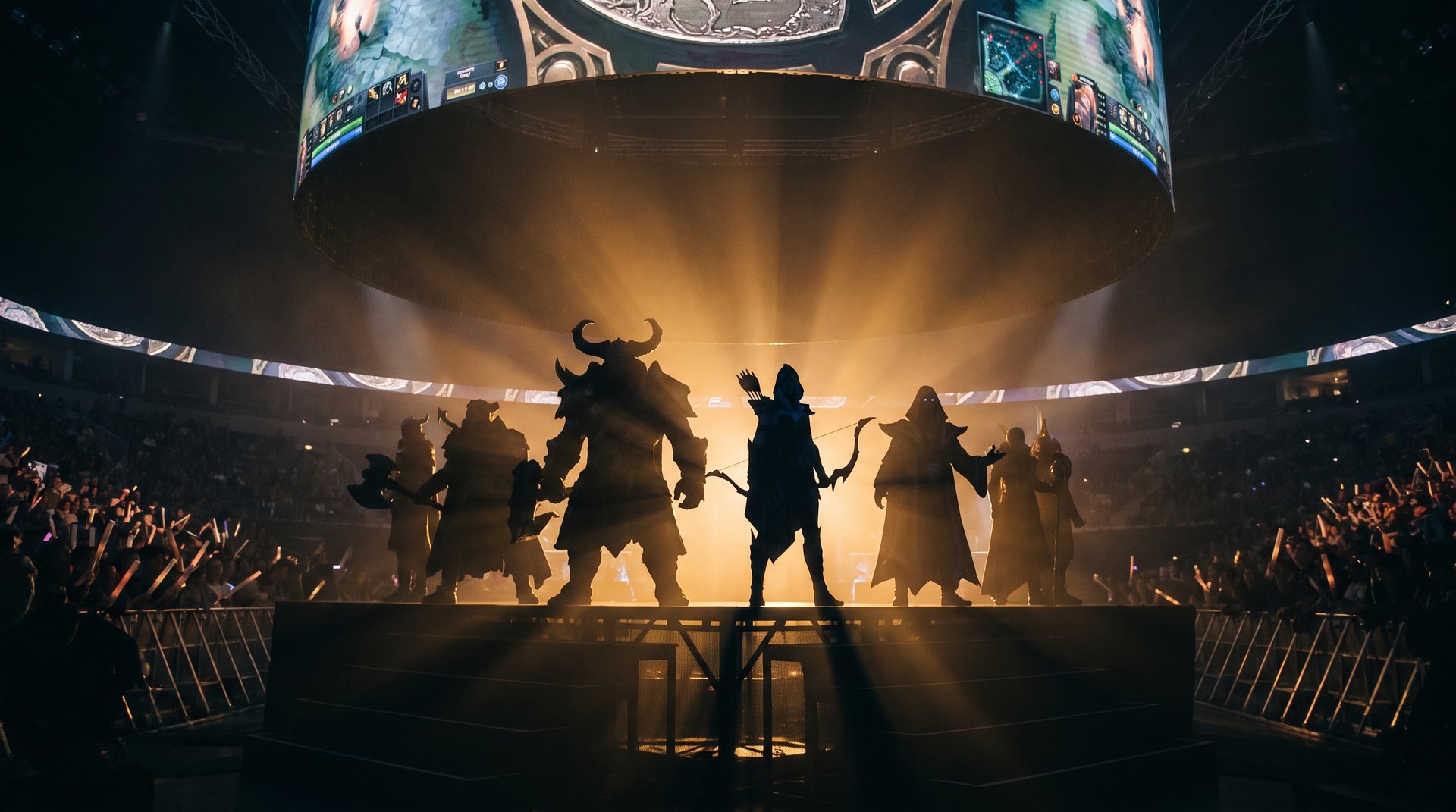
The International 2026 final is over. Team Spirit raised the Aegis, the confetti settled, and then something familiar happened — pubs exploded. Within 24 hours of the grand final broadcast ending, hero pick rates in ranked matchmaking began shifting. Within a week, entire queues looked different. This is the post-TI meta spike, and it happens every single year.
This article breaks down exactly which heroes and strategies surged in pub games after TI 2026, why the copycat effect is stronger after The International than after any other event, and — most importantly — which of those spiked heroes are actually worth playing for your MMR and which will just get you killed.
Table of Contents
What Is the Post-TI Meta Spike?
Every year, The International produces a week or two of Dota 2 that most players will never replicate. The drafts are meticulous, the execution is nearly flawless, and the hero pool is shaped by thousands of hours of scrimmages and preparation. Then the event ends, and millions of pub players try to copy what they just watched.
The post-TI meta spike is the measurable, predictable shift in pub hero pick rates and item builds that occurs in the two to four weeks following The International grand final. It has happened every year since TI3, and 2026 is no exception. Understanding it is the difference between riding the wave and getting buried under it.
Three distinct forces drive the spike:
- Direct copying: Players immediately try the heroes they saw winning on the biggest stage. A carry that went 8-0-12 in game five of the grand final will see its pub pick rate jump within hours.
- Content creator amplification: Streamers and YouTube analysts push out breakdown videos of the winning team’s strats. Each video adds thousands of players who queue up wanting to try the same thing.
- Patch-frozen window: Valve typically does not release a balance patch immediately after TI. The meta stays frozen for one to two weeks, meaning the TI heroes stay strong in pubs longer than they would in a normal patch cycle.
TI 2026: Team Spirit and the Winning Meta
Team Spirit took home the Aegis at TI 2026 with a style built on decisive early aggression, mid-game tempo control, and suffocating map pressure. Their captain miposhka drilled a system that rewarded proactive support play, while carry player Yatoro and mid player TORONTOTOKYO were given the green light to go for high-tempo, high-risk lines that punish passive opponents.
The TI 2026 grand final featured a draft philosophy that leaned into:
- High-tempo carry heroes that scale well but do not need 40 minutes to come online
- Rotationally dominant supports that can show up across three lanes in the first ten minutes
- Mid heroes with strong level-six power spikes that can immediately contest the enemy carry’s farm
- Offlane initiators with reliable gap-closers that create catch scenarios without needing setup
This philosophy produced a hero pool that was genuinely oppressive to play against at the pro level — and that pub players immediately recognized as exciting to watch and attempt to replicate.
Heroes That Spiked in Pub Pick Rates After TI 2026
The following table covers the primary heroes that saw a notable increase in ranked pub pick rates in the first two weeks after TI 2026. Pick direction is relative to the two-week average immediately before the event.
| Hero | Role | Pick Trend | Why It Spiked | Pub Viability |
|---|---|---|---|---|
| Gyrocopter | Carry | Strong upward | Yatoro’s signature carry at TI, dominant in late-game team fights | High — scales well in pub formats |
| Phantom Assassin | Carry | Strong upward | Grand final appearance, huge pub popularity baseline amplified by TI spotlight | Very High — solo-carry potential |
| Storm Spirit | Mid | Sharp upward | TORONTOTOKYO’s mechanical showcase hero, flashy kills captured massive viewer attention | Medium — high mechanical floor, punishing to play poorly |
| Puck | Mid | Moderate upward | Consistent mid presence throughout TI bracket, strong phase shift evasion clips | Medium — versatile but requires good positioning |
| Mars | Offlane | Sharp upward | Collapse’s Arena of Blood setups won multiple games, extremely viral clip moment | High — initiation is more forgiving in pubs |
| Bristleback | Offlane | Moderate upward | Featured in several key buyback-deterrence scenarios, easy to execute | Very High — one of the best pub offlaners generally |
| Ancient Apparition | Support (pos 5) | Strong upward | Ice Blast timing sequences that secured kills became widely shared clips | High — global ultimate has pub impact well above league average |
| Keeper of the Light | Support (pos 5) | Moderate upward | Mira’s KotL enabled several aggressive early rotations and lane dominance moments | Medium — mana advantage only matters in coordinated play |
| Ember Spirit | Mid / Offlane | Moderate upward | Featured in comeback scenarios, fire remnant plays drove content | Medium — high ceiling, low floor, pub results vary widely |
| Spectre | Carry | Moderate upward | Haunt used to close out elongated games in the upper bracket, always spikes post-TI | High — extremely strong in disorganized pub environments |
The Heroes That Did Not Spike (Despite High TI Presence)
Not every hero that dominated at TI 2026 saw a significant pub spike. Several support heroes had massive ban rates in the pro meta but did not translate into pub popularity. Elder Titan, for example, had a high TI presence due to his aura debuff in coordinated team fights — but pub players generally ignore that aspect of the hero, making him far less effective and far less popular to queue up.
Similarly, Rubick — consistently one of the most-picked supports at any International — did not see its typical post-TI surge in 2026. The specific spell-steal sequences that made it terrifying at TI require opponent cooperation to set up, and pub games rarely provide that.
Items and Strategies That Got Copied from TI 2026
Hero picks get the headlines, but the deeper post-TI influence lands in item builds and strategy templates. Here is what spread into pubs in the weeks after TI 2026:
Item Trends
- Aghanim’s Scepter rush on Gyrocopter: Team Spirit’s Gyrocopter lines prioritized a fast Aghs for the upgraded Flak Cannon, enabling sustained team fight damage. Pub players copied the timing aggressively, often sacrificing survivability items in the process.
- Witch Blade / Silver Edge carries: Several TI 2026 carries featured Silver Edge as the second or third major item to counter passive abilities on key meta heroes. Pub players picked up the pattern and began incorporating it more often — both correctly and incorrectly.
- Boots of Bearing on pos 4/5 supports: This item saw a post-TI popularity jump after multiple TI games showed how the active haste could swing aggressive rotations. It is genuinely strong in pubs — one of the few direct copy-paste items that translates well.
- Nullifier on pos 3: Collapse’s Mars frequently built Nullifier as a situational item to strip dispels from opponents during Arena of Blood. Pub offlaners began experimenting with it in scenarios where it was questionable.
- Dagon into Ethereal Blade “nuke” support builds: A few support clip moments from TI featuring Dagon kills went viral. Expect a short-lived spike in Dagon purchases on heroes that have no business building it — this happens after every TI.
Strategy Templates
Team Spirit’s macro play at TI 2026 revolved around several principles that pub players attempted to recreate:
- Five-minute rune control stacking: Spirit’s pos 4 and 5 would stack multiple jungle camps while contesting mid runes. In pubs this becomes “our supports disappeared” because the coordination is not there to simultaneously track the enemy’s supports.
- Aggressive offlane lane-swapping: Several TI games featured Collapse and miposhka swapping positions mid-lane to catch opponents out. In pubs, this mostly results in two heroes being out of position simultaneously.
- Buyback denial via damage-over-time finishes: AA’s Ice Blast was specifically timed in TI 2026 games to prevent buybacks on key targets. This is genuinely learnable and good — and it did show up more often in pubs post-TI.
Which Heroes Work in Pubs vs. Pro Meta
This is the critical section. The post-TI meta spike contains both genuinely good opportunities and traps. Here is an honest breakdown of the most-spiked heroes ranked by how well their TI strengths transfer to pub play.
Directly Exploitable in Pubs
These heroes are strong in pubs for the same reasons they were strong at TI 2026. Playing them now while the meta is compressed around them is a genuine MMR opportunity:
- Phantom Assassin — Solo-carry potential means poor team coordination does not punish you as hard. High pub win rate baseline, now with increased attention from players who know how to draft around her.
- Spectre — Haunt is one of the most pub-friendly ultimates in the game. It equalizes game states and punishes split opponents in ways that require zero coordination from your team.
- Mars — Arena of Blood is more forgiving to execute in pubs because opponents often walk into it without coordinated escape plans. The hero is also more durable in chaotic skirmishes than pros give him credit for.
- Ancient Apparition — Ice Blast directly counters healing items (Pipe, Octarine, Satanic) that pub players over-purchase. In an environment full of Spectre, PA, and other farm-heavy heroes, AA is legitimately terrifying.
Traps — Strong at TI, Weaker in Pubs
These heroes require coordination or mechanical precision that does not exist in most pub brackets:
- Keeper of the Light — The mana advantage from Chakra Magic only matters if your team is ready to act on kill setups. In pubs, allies often do not respond to mana being available and the hero ends up as a passive illuminati bot.
- Storm Spirit — Extremely high mechanical floor. Watching TORONTOTOKYO play Storm Spirit on the TI main stage and immediately queuing one is one of the fastest routes to losing MMR available to a Dota 2 player.
- Ember Spirit — Same problem as Storm. Beautiful to watch, punishing to pilot. The post-TI spike in Ember picks is reliably followed by a wave of flame guard walk-ins and missed remnant stunts.
If you want to climb during the post-TI window, the current Dota 2 7.41f tier list still offers more reliable guidance than copying the TI draft wholesale. The post-TI meta is a signal, not a complete recipe.
How Long Does the Post-TI Meta Spike Last?
Based on patterns across the last several Internationals, the post-TI pub spike has a predictable lifespan:
| Timeline | What Happens | For Pub Players |
|---|---|---|
| Days 1-3 | Spike peaks — everyone queues TI heroes, pick rates skyrocket | Most disorganized window — expect chaos in lobbies |
| Days 4-10 | Players start losing on spiked heroes, frustration builds, some abandon | Best window to exploit — opponents playing unfamiliar heroes, you can counter-pick easily |
| Days 11-18 | Valve typically releases a post-TI balance patch, reshuffling everything | Transition window — good heroes often stay good, traps get quickly abandoned |
| Days 18+ | New patch meta takes over, TI heroes replaced by buffed/nerfed pool | Normal patch cycle resumes — follow patch notes |
The window of maximum opportunity is the four to ten days after TI ends. Opponents who copied the TI draft without the skills to execute it are actively giving up MMR. If you are comfortable on heroes that counter them — or on a hero like Spectre that simply survives chaos — this is one of the most valuable farming windows of the entire Dota 2 calendar year.
What Should You Actually Play to Climb Post-TI 2026?
Here are three concrete approaches depending on your role and bracket:
Approach 1: Ride the Wave (Play Spiked Heroes That Translate)
If you already have experience on Phantom Assassin, Mars, or Spectre, queue them now. The meta is primed for them, and opponent understanding of how to counter them is diluted by all the other experimental picks flooding ranked. This is the simplest MMR strategy available right now.
See our guide on the best comeback heroes for a broader look at which positions scale best in chaotic environments — several overlap directly with the post-TI spike heroes.
Approach 2: Counter the Wave
If opponents are queuing Storm Spirit, Ember Spirit, and Puck mid — all high-mechanical heroes they are not practiced on — play heroes with reliable, punishing laning phases. Batrider, Viper, and Lina all make life miserable for practice-mode mechanics. Expect mid opponents to play 30% below their theoretical peak for the next two weeks.
Understanding how to build counters efficiently matters. Our talent tree guide covers how to maximize your hero’s kit in exactly these laning scenarios.
Approach 3: Focus on Fundamentals (Ignore the Meta)
The third path is often the most reliable for players below 3,500 MMR. The post-TI meta is a high-bracket phenomenon. Below Ancient, hero matchups matter far less than last-hitting, ward placement, and objective timing. Master those on two to three heroes you already know well rather than relearning a new hero every week.
Fundamentals like Roshan timing and objective control become even more valuable during the post-TI window because opponents are distracted by trying to execute complex team fight setups they saw on the broadcast.
If you want to push your MMR significantly higher in the next month while this window is open, working with a higher-MMR player who can identify your specific weaknesses is the fastest available route. Our Dota 2 MMR boost service connects you with Immortal-bracket players who have been playing the post-TI meta since the first drafts. Alternatively, if you want to develop the skills yourself, check out the MMR boosting guide for a roadmap of which skills produce the most MMR gains per hour of practice. And if you are wondering whether using a boost service is appropriate, we covered that question directly in our dota 2 boosting safety breakdown.
Frequently Asked Questions
Want to Push MMR During This Post-TI Window?
The two weeks after TI are one of the best climb windows of the year. If you want to capitalize on the meta with expert guidance — or just fast-track your way past a bracket you have been stuck in — TeamSmurf can help.


