Universal Heroes in 2026: Best Picks and Builds

Universal heroes are the most flexible picks in Dota 2. They convert every point of Strength, Agility, and Intelligence into attack damage — meaning any stat gain you buy, whether a Bracer, Wraith Band, or Null Talisman, directly increases your damage output. That makes them exceptional in almost every role and an ideal choice for players who want a hero that scales well regardless of how the draft develops.
In patch 7.41d, there are 22 Universal heroes in the game. Their performance varies dramatically: Snapfire leads the group at 52.9% win rate across over 606,000 public matches, while Batrider sits at the opposite end at 42.7%. Understanding which Universal heroes are actually good right now — and which are traps — can save you hundreds of MMR games.
This guide covers the complete 7.41d Universal hero roster with real win rate data, the best builds for each top pick, role-by-role tier breakdowns, and the heroes you should avoid until the next patch. Win rate figures come from OpenDota public match data, the same source used by Dotabuff rankings.
Table of Contents
What Is the Universal Attribute in Dota 2?
In Dota 2, every hero has a primary attribute that determines how their stats convert into raw attack damage. For most heroes, only their primary stat matters — a Strength hero like Axe gets his damage from Strength, an Agility hero like Drow Ranger from Agility, and an Intelligence hero like Zeus from Intelligence.
Universal heroes are different. They do not have a single primary attribute. Instead, they gain attack damage from all three stats simultaneously. Every point of Strength, Agility, and Intelligence contributes to their damage output. This creates a fundamentally different itemization logic: Universal heroes have no wasted stats. A Heart of Tarrasque gives them health AND damage. A Linken’s Sphere gives them mana AND damage. A Phase Boots upgrade contributes to damage via Strength gain as well as Agility.
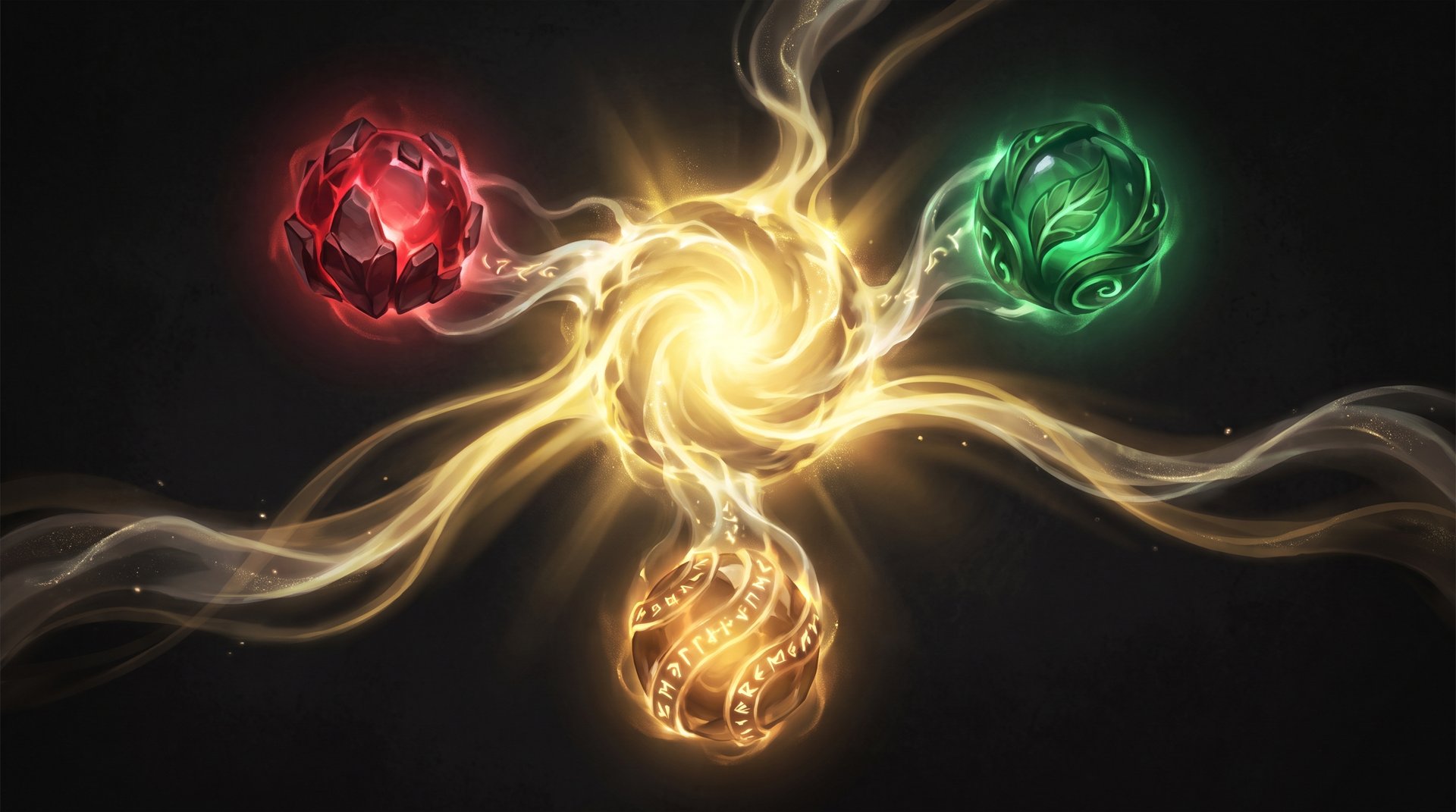
This flexibility is particularly valuable in uncoordinated public matches, where you often cannot predict exactly how you will be farmed or what items you will complete in time. Universal heroes let you adapt your build on the fly. If you end up tankier than expected, you still have attack damage to show for it. If you got rich early, any damage item you buy scales efficiently.
The mechanic was introduced in patch 7.32 as part of Valve’s effort to reduce hero complexity and open up itemization variety. Since then, 22 heroes carry the Universal designation, spanning every role from position 1 carry to position 5 hard support.
How Patch 7.41 Changed Universal Heroes
Patch 7.41 was one of the largest Dota 2 updates in recent memory, primarily because it removed the Facets system entirely. Facets had allowed heroes to choose a skill variant during the pick phase. With Facets gone, heroes now have fixed kits again, and their balance is determined entirely by base stats and ability values.
For Universal heroes, this meant that the itemization advantage of their attribute type became even more relevant. Without the pick-phase skill variant system adding complexity, players can now focus entirely on drafting and item builds. Some Universal heroes — Abaddon, Dazzle, Snapfire — received integrated ability buffs to compensate for losing their best Facets. Others lost their defining Facet without equivalent compensation, which explains why several Universal heroes now have below-average win rates.
Why Universal Heroes Reward Adaptable Players
Most heroes in Dota 2 have an optimal item path that experienced players follow game after game. A Juggernaut goes Phase Boots into Battle Fury into Manta Style. A Rubick rushes Blink Dagger and Aghanim’s Scepter. That predictability is intentional — it makes the hero reliable and easy to pilot once learned.
Universal heroes break this pattern in a useful way. Because any stat item adds to their damage output, you can deviate from the standard item path in response to what your team needs and still come out ahead. An Abaddon who builds Pipe of Insight for magic resistance is also getting attack damage from the Strength it provides. A Snapfire who buys Rod of Atos to lock down a mobile target is also buffing her damage with its Intelligence stat. This flexibility makes Universal heroes uniquely valuable in drafts where the optimal strategy is not clear until the game has started.
Full Universal Hero Roster and Win Rates (7.41d)
The table below shows all 22 Universal heroes with their current public match win rates from OpenDota data covering patch 7.41d. Win rates reflect all skill brackets combined. The data covers hundreds of thousands of matches per hero for high-volume picks and tens of thousands for niche picks like Visage and Brewmaster.
| Hero | Win Rate | Pick Volume | Primary Role | Tier |
|---|---|---|---|---|
| Snapfire | 52.9% | 606,093 | Support / Flex | S |
| Nyx Assassin | 52.1% | 230,823 | Support / Roamer | S |
| Visage | 51.5% | 50,930 | Support / Core | S |
| Abaddon | 51.4% | 168,043 | Support / Carry | S |
| Techies | 50.8% | 321,613 | Support | A |
| Dazzle | 50.4% | 166,317 | Support | A |
| Brewmaster | 50.3% | 51,897 | Offlane / Core | A |
| Arc Warden | 50.0% | 120,947 | Carry / Mid | A |
| Bane | 49.9% | 132,073 | Support | B |
| Enigma | 49.9% | 129,533 | Offlane / Jungle | B |
| Io | 49.6% | 142,551 | Support | B |
| Marci | 49.3% | 131,116 | Support / Core | B |
| Void Spirit | 49.2% | 153,826 | Mid / Core | B |
| Magnus | 49.0% | 305,239 | Offlane / Support | B |
| Sand King | 48.7% | 145,735 | Offlane / Support | B |
| Windranger | 48.3% | 468,656 | Mid / Carry | C |
| Death Prophet | 47.4% | 143,754 | Mid / Offlane | C |
| Venomancer | 47.3% | 267,111 | Offlane / Support | C |
| Pangolier | 45.5% | 108,995 | Offlane / Mid | C |
| Beastmaster | 43.8% | 109,824 | Offlane | D |
| Nature’s Prophet | 43.1% | 308,905 | Mid / Carry / Support | D |
| Batrider | 42.7% | 52,459 | Offlane / Mid | D |
Source: OpenDota public match API, patch 7.41d. All win rates are all-bracket averages. High-skill bracket rates for S-tier picks are typically 1-3% higher than shown here.
Tier List: Universal Heroes in Patch 7.41d
S Tier — Consistent Winners (51%+ Win Rate)
These four Universal heroes win more than 51% of games across all brackets and are safe picks in nearly any lineup. They have strong kit synergies, reliable item paths, and benefit directly from the Facets removal through ability buffs integrated into their base kits.
- Snapfire — 52.9% win rate. Highest Universal win rate in the current patch. Excels as a soft or hard support with exceptional teamfight utility from Mortimer Kisses and Firesnap Cookie.
- Nyx Assassin — 52.1% win rate. Strong ganker and roamer. His Mana Burn and Spiked Carapace punish ability-heavy lineups with unique reflex-based counterplay.
- Visage — 51.5% win rate. High-skill-ceiling support-carry hybrid with strong early game pressure through Familiars. Lower pick rate reflects mechanical difficulty, not weakness.
- Abaddon — 51.4% win rate. The most draft-versatile hero in the Universal roster. He works as carry, support, or offlaner and provides the team with absurd healing and death immunity through Borrowed Time.
A Tier — Strong and Reliable (50-51% Win Rate)
A-tier Universal heroes have above-average win rates and fit multiple team compositions. They reward players who understand their timings and item spikes.
- Techies — 50.8% win rate. Surprisingly strong since Facets removal consolidated his best ability improvements into his base kit. High impact in long games where stasis trap zones control map access.
- Dazzle — 50.4% win rate. Received ability buffs in 7.41. Shallow Grave and Weave remain among the strongest support spells in the game for lane-winning and teamfight-decisive play.
- Brewmaster — 50.3% win rate. Excellent mid-to-late game teamfighter. His Primal Split ultimate can singlehandedly swing team fights when units are well-controlled.
- Arc Warden — 50.0% win rate. The most mechanically demanding Universal carry. In skilled hands, his Tempest Double creates a permanent economy and damage advantage that few teams can answer.
B Tier — Situationally Strong (48-50% Win Rate)
B-tier heroes are not bad picks but require more specific draft conditions or player skill to reach their full potential. In the right lineup they can match or exceed A-tier performance in individual games.
- Bane (49.9%) — Fiend’s Grip is one of the longest channeled disables in the game. Strong with coordinated lineups that can protect him during the channel duration.
- Enigma (49.9%) — Still a game-winning hero when Black Hole lands on a grouped enemy team. Requires some jungle access and a disciplined hold on his ultimate timing.
- Io (49.6%) — Tether-enabled carry acceleration is among the strongest support mechanics when used correctly. Demands communication and carry partnership synergy.
- Marci (49.3%) — High burst damage and mobility in a support frame. Falls off in uncoordinated games where tempo cannot be maintained after her laning burst.
- Void Spirit (49.2%) — A tempo mid hero who snowballs through mobility. Strong when ahead, predictable and punishable when behind.
- Magnus (49.0%) — Reverse Polarity remains one of the best team-fight ultimates in Dota 2. Value entirely depends on landing it against a grouped team.
- Sand King (48.7%) — A well-timed Epicenter in a clustered enemy team is game-ending. Still a strong physical burst offlaner even when the ultimate is suboptimal.
Top 5 Universal Hero Deep Dives
1. Snapfire — The Universal Support Powerhouse
Snapfire is the best Universal hero in patch 7.41d with a 52.9% win rate across over 606,000 public matches. She plays primarily as a soft or hard support, but her kit is complete enough to function in nearly any position in the right draft.
Her strength comes from combining damage, crowd control, and zoning into a single hero who requires minimal farm to be effective. Mortimer Kisses — her ultimate — provides long-range area bombardment that punishes grouped enemies and forces positioning breaks even without vision. Firesnap Cookie provides a targeted burst-stun combo with additional mobility. Her passive Lil’ Shredder gives her exceptional burst potential even with minimal items, making her a genuine kill threat in the early laning phase.
Because she is Universal, any Strength or Intelligence items she builds contribute to her physical damage. Rod of Atos gives her both mana and attack damage. Pipe of Insight provides health, regen, and damage through Strength. This makes her itemization highly adaptable — something Agility or Strength supports cannot replicate as cleanly.
Recommended Item Build:
- Starting: Tango, Clarity x2, Magic Stick, Stout Shield
- Early game: Wind Lace, Tranquil Boots, Urn of Shadows
- Core items: Glimmer Cape, Force Staff, Rod of Atos
- Late game options: Aghanim’s Scepter (dramatically extends Mortimer Kisses range and power), Octarine Core, Pipe of Insight
Why she wins games: Mortimer Kisses is effective even without Aghanim’s Scepter and forces enemies to scatter and break formation — a huge advantage in pubs where grouped pushes are how most games end. Once you add Aghanim, she can fire Mortimer across nearly half the map, making her one of the best late-game siege supports in Dota 2.
2. Nyx Assassin — The Intelligence Punisher
Nyx Assassin’s 52.1% win rate reflects how well his kit matches the current meta. He is built around punishing intelligence-heavy and high-mana lineups, and the current patch features several mana-intensive heroes in popular positions.
His Mana Burn is a targeted nuke that removes mana from an enemy and deals damage equal to the mana burned. Against an intelligence support with 1,000 mana, Mana Burn deals 500 damage before any amplification. Spiked Carapace reflects and stuns any hero who damages Nyx during its duration, making him a nightmare for aggressive lane partners and right-clickers. Vendetta provides invisibility, a gap closer, and a large physical damage burst that allows him to one-shot squishy supports in the midgame.
Recommended Item Build:
- Starting: Tango, Clarity, Stout Shield, Enchanted Mango
- Early game: Phase Boots, Urn of Shadows, Blink Dagger
- Core items: Solar Crest, Aghanim’s Scepter, Nullifier
- Luxury: Assault Cuirass, Diffusal Blade, Black King Bar
Matchup note: Nyx is at his best against lineups with five intelligence heroes or heroes with large natural mana pools like Zeus, Invoker, Leshrac, or Spirit Breaker. Against physical right-click lineups with low mana pools, his Mana Burn deals much less damage and his value drops significantly.
3. Abaddon — The Indestructible Flex Support
Abaddon’s 51.4% win rate understates his draft value. He is arguably the most role-flexible hero on the Universal list: effective as a position 1 carry who is near-impossible to burst through Borrowed Time, as a roaming position 4 who constantly heals and shields allies, or as a hard support who survives situations that would delete other heroes entirely.
As a Universal hero, Abaddon benefits enormously from stat items. Building Manta Style on carry Abaddon provides illusions AND damage from all three stat lines. Diffusal Blade adds mana burn and attack speed while contributing Agility damage. His baseline survivability through Borrowed Time means he can survive burst windows that would kill other carries, then come back with full health through the passive lifesteal component of Mist Coil.
Carry Abaddon Item Build:
- Early: Phase Boots, Morbid Mask, Vladimir’s Offering
- Core: Manta Style, Diffusal Blade, Eye of Skadi
- Late: Assault Cuirass, Butterfly, Satanic
Support Abaddon Item Build:
- Early: Arcane Boots, Urn of Shadows, Bracer
- Core: Mekansm, Glimmer Cape, Aghanim’s Scepter
- Situational: Guardian Greaves, Holy Locket, Pipe of Insight
If your team needs a support who can handle multiple roles in the same game — healing in lane, diving in teamfights, and surviving as the last hero standing — Abaddon is the top Universal hero to learn. He is also one of the most educational carries for players working on understanding how to stay alive through item build decisions rather than positioning alone.
4. Dazzle — Lane-Winning Sustain Support
Dazzle at 50.4% win rate is one of the most pick-friendly Universal heroes in the current patch. He is straightforward to play but scales well with player decision-making: the more accurately you time Shallow Grave, the more games you win outright.
His Weave ability reduces the armor of all enemies it touches over time, which in a teamfight means your entire team gains an armor advantage while the enemy team loses it. The differential can swing a fight by 10-15% physical damage amplification across multiple heroes. Combined with Poison Touch slow and Shallow Grave preventing death entirely, Dazzle is one of the strongest lane supports in the game when paired with aggressive physical damage carries who want to force early kills.
Recommended Item Build:
- Early: Arcane Boots, Wind Lace, Urn of Shadows
- Core: Holy Locket, Guardian Greaves, Aghanim’s Shard
- Luxury: Aghanim’s Scepter (Gravekeeper’s Cloak aura), Solar Crest, Pipe of Insight
Timing note: Dazzle’s power spike is concentrated in the early and middle game when Shallow Grave has a shorter cooldown and Weave’s armor shift makes the largest percentage difference. In the very late game against six-slotted carries, his impact diminishes. This means your team should use his laning strength to generate advantages that close games before the 50-minute mark.
5. Arc Warden — High-Ceiling Universal Carry
Arc Warden sits at 50.0% win rate across all brackets, but his win rate at high MMR is substantially higher. He is the most mechanically demanding Universal carry and rewards micro-management and split-push decision-making at a level that most other heroes cannot match.
His Tempest Double creates a temporary perfect copy of Arc Warden that can use all of his items and cast all of his spells. This effectively doubles his economy and map presence. An Arc Warden with two Maelstroms and a Manta Style has four units active — himself, his Manta illusions, his Double, and the Double’s illusions from its own Manta. At that scale, the enemy team cannot defend everywhere at once.
Because he is Universal, both Manta Style and Wraith Band contribute attack damage alongside their agility and stats. Building early stat items is highly efficient on Arc Warden in ways it simply is not for pure Agility carries who waste the non-Agility components.
Recommended Item Build:
- Early: Wraith Band x2, Power Treads, Maelstrom
- Core: Manta Style, second Maelstrom (upgrade to Mjollnir), Dragon Lance
- Late: Hurricane Pike, Monkey King Bar, Bloodthorn
Best Universal Picks by Role
Position 1 (Hard Carry)
For the carry position, Abaddon and Arc Warden are the two Universal heroes worth seriously considering in the current patch. Abaddon is safer and more forgiving — his Borrowed Time makes it near-impossible to die to burst damage once you have a few items. Arc Warden has a higher ceiling but demands consistent micro focus for the entire game, particularly around managing the Tempest Double cooldown and item usage.
Both benefit from the Universal attribute more than their competition in the carry pool. On Abaddon, Manta Style is exceptional because the Agility and Strength gains both add to damage simultaneously. On Arc Warden, the early Wraith Bands are more efficient than they would be on a pure Agility carry because all of the Agility AND the Strength gain contribute to his attacks.
Position 2 (Mid Lane)
Void Spirit (49.2%) and Arc Warden are the two primary Universal mid picks. Void Spirit is a tempo mid hero who snowballs through mobility and burst damage. He can win trades against almost any mid hero in the early levels and transition those early kills into map control. Arc Warden is a farm-intensive mid who operates slowly but transitions into an unstoppable split-push machine after his core item timing.
Death Prophet (47.4%) is technically a Universal mid but is currently underperforming. She lost strong ability improvements from Facets in the 7.41 update and has not received compensating base kit buffs. Avoid her at mid until her numbers are adjusted.
Position 3 (Offlane)
Magnus (49.0%), Sand King (48.7%), Enigma (49.9%), and Brewmaster (50.3%) cover the Universal offlane pool. Magnus and Sand King provide massive teamfight ultimates. Enigma has arguably the single most game-deciding ultimate in Dota 2 when Black Hole lands on a grouped enemy team. Brewmaster is a more independent style of offlaner who generates his own tempo through Primal Split’s three units and does not depend on coordinated teamfight execution to be effective.
Position 4 (Soft Support)
Snapfire is the best Universal soft support by a significant margin at 52.9%. She is safe to pick into most drafts, provides value at every stage of the game, and is beginner-friendly despite her high ceiling. Nyx Assassin (52.1%) also works as a roaming position 4 when the enemy draft has high-mana heroes to punish. Marci (49.3%) fills the aggressive melee soft support role — her burst and mobility are strong, but she has dipped slightly in patch 7.41 compared to earlier in the year.
Position 5 (Hard Support)
Dazzle (50.4%), Abaddon (51.4% when played support), Bane (49.9%), and Io (49.6%) are the core Universal hard supports. Dazzle wins lanes with Weave armor pressure and Shallow Grave saves. Abaddon provides constant healing and shields. Bane’s Fiend’s Grip is one of the longest-duration channeled disables in the game, providing a kill window that almost no other support can match. Io enables carry snowballing through Tether and Overcharge in the early game but requires coordination and a willing carry partner to play effectively.
If you want to accelerate your support improvement or reach a bracket where the Universal hero pool is played correctly, understanding whether Dota 2 boosting is safe and what it offers can help you make an informed decision about whether targeted help is right for your situation.
Universal Heroes to Avoid in Patch 7.41d
Three Universal heroes are in seriously poor shape right now and should be avoided unless you have a specific counter-strategy reason to pick them or hundreds of games on the hero.
Nature’s Prophet — 43.1% Win Rate (D Tier)
Nature’s Prophet is the most-picked D-tier hero on the Universal list, and his poor performance is a trap for players who remember how dominant he was in earlier patches. His global Teleportation presence and split-push capability are still technically available, but the loss of his strongest Facets in 7.41 hit him hard. The meta currently punishes his weak laning phase with aggressive dual-offlane setups that can deny him the early farm he needs to threaten map objectives. Until Valve adjusts his numbers, there are much better ways to play a global or split-push hero.
Batrider — 42.7% Win Rate (D Tier)
Batrider has the worst win rate of any Universal hero at 42.7%. His Flaming Lasso ultimate remains one of the best target isolation tools in the game on paper, but the heroes who can answer it with Black King Bar or Linken’s Sphere have all risen in the meta simultaneously. He also lost a movement-enhancing Facet that made his escape options more reliable in the post-Sticky Napalm world. Without significant base stat adjustments, he will remain one of the weakest picks in the game.
Beastmaster — 43.8% Win Rate (D Tier)
Beastmaster’s problem is that his kit has not aged well relative to the current offlane pool. The nerfs he received in sub-patches leading into 7.41 combined with stronger competition from Axe, Legion Commander, and Mars mean his win rate has settled in a very unfavorable range. His Wild Axes and Boar offer some utility, but his Primal Roar — his only truly game-changing spell — has a cooldown too long to carry the hero in a meta that punishes slow impact heroes in the offlane.
How to Climb MMR With Universal Heroes
Universal heroes have a specific MMR-climbing advantage: because they can be built in multiple ways and still function, you can adapt to your team’s needs better than a hero with a rigid item path. Here is how to leverage that advantage systematically across your games.
Pick heroes that match your team’s draft, not just your personal preference. If your team has three cores who all need farm, Snapfire or Dazzle will accelerate them more than another core pick. If your team has no disables, Bane or Sand King fill that gap better than a traditional support who offers mainly heals or shields.
Build stat items early on Universal carries. Bracers and Wraith Bands provide more value per gold on Universal heroes than on single-attribute heroes because the stat gain AND the attack damage contribution work together without either component being wasted. A 450-gold Bracer gives Abaddon +6 Strength, including health, regen, AND attack damage. That is a higher floor than the same item on a hero for whom Strength is not their primary attribute.
Start with Snapfire, Dazzle, or Abaddon if you are new to the Universal pool. All three have above-51% win rates and are forgiving to learn. Each has a clear primary role, a consistent item path, and generates high value even when you make suboptimal decisions. The heroes at the top of this tier list are there because they offer reliable value at average skill, not because they demand perfect play.
Track your item timing data. Universal heroes have a large spread of viable items, which means players often build inefficiently without realizing it. Review your win rate with specific item orderings using Dotabuff. If your Abaddon games underperform when you rush Mekansm third compared to second, that timing data is directly actionable and easier to correct than most other mechanical issues.
For players targeting a specific MMR bracket and wanting to study replays at a higher skill level, a Dota 2 MMR boosting service can place your account in higher-bracket games where you can observe how high-MMR players draft and itemize Universal heroes in real match conditions.
Getting More From Your Universal Heroes With Targeted Help
If you have settled on a Universal hero as your main but keep stalling at the same MMR bracket, the issue is often matchup-specific decision-making rather than a fundamental skill gap. Universal heroes require you to read the draft and adjust your build accordingly in every game — a more advanced skill than following a fixed item order, and one that improves fastest when you can see what you are doing wrong from an outside perspective.
A coaching session focused on your Universal hero main can identify exactly where you are losing value: late item timings, suboptimal positioning, missing power-spike windows, or incorrect target prioritization in teamfights. The best Dota 2 boosting and coaching services offer replay analysis alongside their MMR services, which makes them significantly more valuable than raw MMR gains alone.
Ready to Climb With Your Universal Hero?
TeamSmurf uses Immortal-rank boosters who specialize in the current meta, including all top-tier Universal picks. Whether you want to study replays through a coaching session or have a booster demonstrate optimal Universal hero play from the inside, we have both options available.
Get an MMR Boost Book a Coaching Session