Dota 2 Patch 7.41c: 10 Underrated Pub Heroes by Bracket

Everyone in your bracket is spamming the same five heroes. You see the same Pudge mid, the same Luna carry, the same Crystal Maiden pos 5 — every single lobby. And while the meta chasers draft from last week’s TI highlights, a set of quietly dominant heroes sits at 55%+ win rates with barely anyone playing them.
In patch 7.41c, ten heroes are doing serious work across every bracket with win rates that should have boosted their pick rates — but haven’t. This guide breaks them down by MMR range, explains exactly why they overperform, and tells you when to slot one into your pool if you want free MMR right now.
Table of Contents
What “Underrated” Actually Means in 7.41c
The word “underrated” gets thrown around loosely in Dota 2 content. Here is what it means in a useful, practical sense: a hero is underrated when their win rate in a given bracket is meaningfully higher than their pick rate would suggest. They are being ignored relative to how much they are winning.
Every hero on this list meets two criteria for patch 7.41c:
- Win rate above 53% in their target bracket (often 55-58%), based on aggregated pub data from Dotabuff and OpenDota
- Pick rate below their win rate’s implied value — meaning most players at that bracket aren’t playing them despite the results
This is different from “sleeper OP” heroes that are strong but already picked heavily. Heroes like Bristleback or Gyrocopter in certain patches have 55%+ win rates and high pick rates — they are not underrated, they are known. The heroes below are winning quietly.
| Hero | Bracket | Win Rate (7.41c) | Why Underrated |
|---|---|---|---|
| Viper | Herald/Guardian | ~57% | Looks boring, dominates lane |
| Ogre Magi | Herald/Guardian | ~56% | Perceived as RNG-dependent |
| Pugna | Crusader/Archon | ~55% | Squishy reputation overshadows damage |
| Venomancer | Crusader/Archon | ~54% | No flashy ult, boring visual kit |
| Underlord | Legend/Ancient | ~55% | Passive aura design, no carry appeal |
| Nyx Assassin | Legend/Ancient | ~54% | Fell out of meta spotlight post-rework |
| Centaur Warrunner | Legend/Ancient | ~54% | Seen as one-dimensional initiator |
| Ember Spirit | Divine/Immortal | ~56% | High skill ceiling scares off players |
| Grimstroke | Divine/Immortal | ~55% | Combo-dependent, needs team synergy |
| Arc Warden | Divine/Immortal | ~54% | Micro complexity, long farm pattern |
Note: Win rate figures are approximate pub averages from aggregated data. Your bracket-specific numbers may vary slightly.
Herald/Guardian (0-2K MMR): Two Heroes Winning Every Game
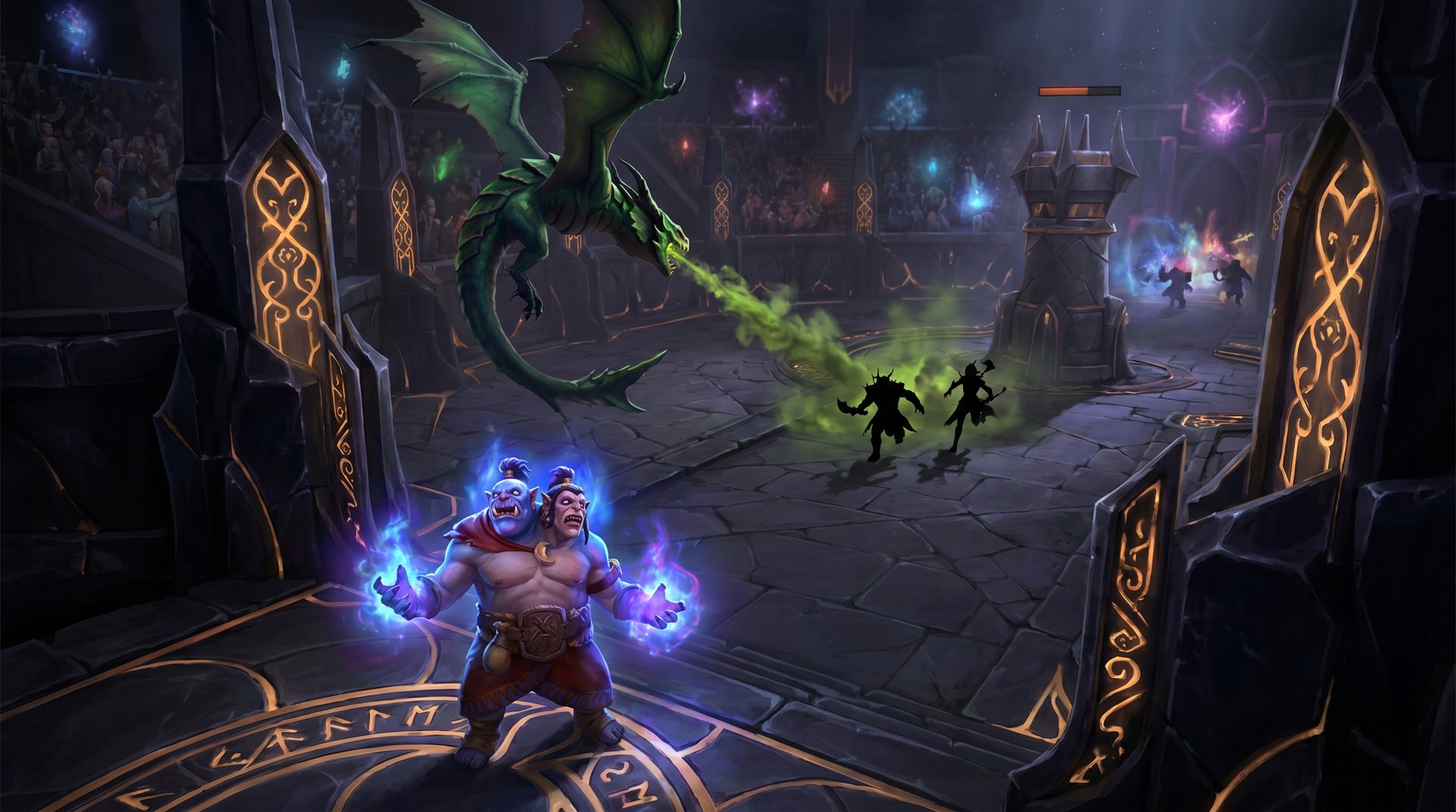
At Herald and Guardian, the winning formula is almost embarrassingly simple: pick a hero that can survive the lane, deal consistent damage without complex mechanics, and punish enemies who don’t respect you. Both heroes below do exactly this.
Hero 1: Viper — The Lane Bully Nobody Picks
Viper has one of the cleanest kits in the game for low-MMR pub play and somehow remains perpetually undervalued. Here is why he wins at Herald/Guardian:
- Poison Attack makes last-hitting trivial — the damage-over-time proc helps secure creeps without precise timing
- Nethertoxin turns Viper into a farming and pushing machine once it hits level 3+
- Corrosive Skin punishes anyone who auto-attacks him — in low-MMR games where everyone right-clicks, this passive is devastating
- Viper Strike is a free kill on any diving hero who does not immediately Salve or use a mobility item
The “boring” knock on Viper is that he does not have an escape or a flashy team fight ultimate. That is irrelevant at this bracket. Herald/Guardian games are decided in lane and in solo pickoffs — both of which Viper dominates. His laning stage win rate at this MMR range hovers around 57%, one of the highest in the pool.
Recommended Build (7.41c)
Starting items: Tango x3, Slippers of Agility x2, Quelling Blade. Rush Phase Boots into Dragon Lance. Upgrade Dragon Lance to Hurricane Pike if enemies have gap-closers. Core items: Witch Blade, Manta Style (for dispelling slows), Aghanim’s Shard (adds stacks to Poison Attack on top heroes). Keep it simple — Viper does not need a complex itemization path to win.
Hero 2: Ogre Magi — The Pub Carry Disguised as a Support
Ogre Magi’s reputation suffers from two misconceptions: that Multicast is pure RNG, and that he is only a pos 5. Both are wrong in 7.41c.
Multicast is not “pure RNG” in the sense that matters in lower brackets. When you have four skill casts active, the probability of at least one 4x Multicast in a fight is statistically meaningful. Across a 30-minute game, Ogre triggers enough Multicasts to be a genuine carry threat — especially with Soulring + Fire Blast spam being nearly mana-free.
More importantly, Ogre’s raw stats are better than most dedicated supports. His starting 12 armor base (with Bloodlust active), 7.0 strength gain, and Ignite slow make him one of the most durable heroes in the game during the laning stage. He does not need farm to be impactful — but if he gets farm, he becomes nearly unkillable.
Why Herald/Guardian Players Ignore Him
The honest reason is aesthetics. Ogre does not have complex combos, flashy animations, or a strong “highlight clip” identity. He does the same things every fight: stun, slow, Bloodlust your carry, Fireblast the target again. In a bracket where players choose heroes based on what looks cool in clips, Ogre just does not appeal.
That is your edge. While the enemy team drafts Lina mid and Dazzle support for the aesthetics, you take Ogre, press four buttons repeatedly, and win.
Crusader/Archon (2K-3.5K MMR): Two Heroes Flying Under the Radar
The Crusader/Archon range is where hero pool discipline starts mattering. Players at this bracket have enough game sense to punish obvious mistakes but not enough to properly counter less common picks. Pugna and Venomancer both exploit this gap perfectly.
Hero 3: Pugna — The Highest Damage-Per-Second Hero Nobody Respects
Ask any Archon player to name the highest DPS nuker in the game and they will say Zeus, Leshrac, maybe Invoker. Almost none of them will say Pugna — but in 7.41c, a properly built Pugna deals more sustained magic damage than any of those heroes in a 15-second teamfight window.
Nether Blast at max level and talent hits for massive numbers. Decrepify amplifies all magic damage by 40% and purges physical attacks simultaneously. Nether Ward converts any spell cast near you into mana drain. Life Drain is a long-range kill/sustain mechanism on a short cooldown at high levels. Combine these with a Kaya and Yasha into Bloodstone and you become a walking DPS fountain that also provides save/kill utility.
Why Pugna Thrives at This Bracket
The Archon-bracket limitation that benefits Pugna most: players at this MMR do not kite properly. They walk into your Nether Blast range. They stand next to Nether Ward. They do not break Life Drain with repositioning until they are already 60% dead. Pugna punishes passive, reactive play — which describes most players at this level perfectly.
The weakness Archon players cite is his low HP. This is real but manageable. Stick behind your team during teamfights. Use Decrepify on yourself to block physical attacks when focused. Position near the trees — Pugna’s long cast ranges mean you almost never need to stand in melee range.
Hero 4: Venomancer — The Zoner Nobody Bans
Venomancer is one of the oldest heroes in Dota 2 and remains one of the most misunderstood at the Crusader/Archon range. The common knock — “he’s too easy, he just places wards and presses W” — is partly true and entirely beside the point. Simplicity is a feature, not a bug, when the mechanics produce a 54% pub win rate.
What Venomancer provides:
- Plague Ward spam makes pushing and defending trivially easy — wards block high ground, block Roshan, block jungle camps, and deal consistent damage with zero input required after placement
- Venomous Gale is a reliable slow + poison across a wide area for early ganks and teamfight setup
- Poison Nova is the most team-fight-warping ultimate in the Archon pool — it forces immediate retreats, extends fights long enough for wards to finish kills, and has massive AoE
- Poison Sting on auto-attacks means even right-clicking is threatening in drawn-out fights
Legend/Ancient (3.5K-5K MMR): Three Heroes Winning Without Recognition
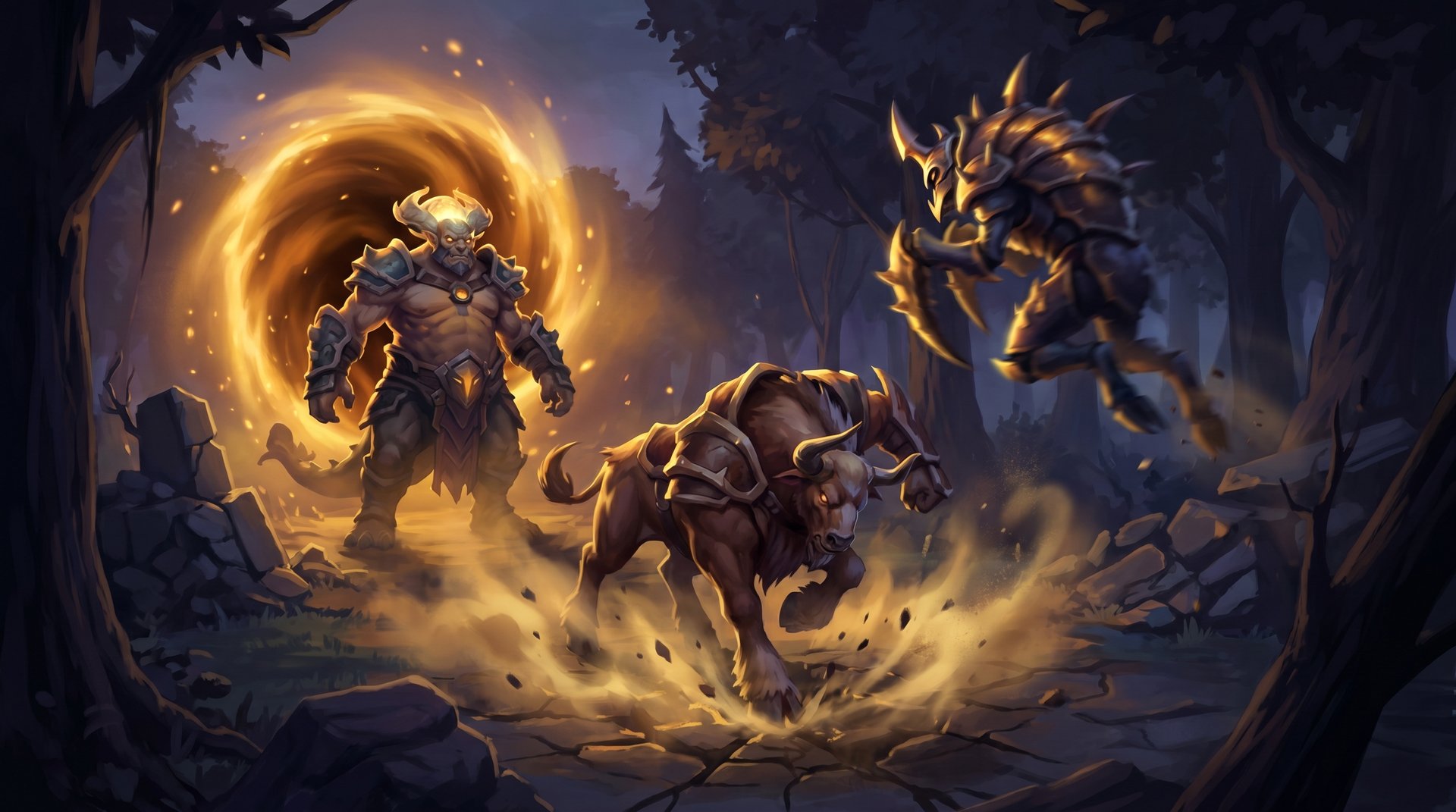
Legend and Ancient is where Dota 2 becomes genuinely strategic. Game sense, macro decisions, and draft awareness all start mattering. The three heroes below are underrated specifically because they require a degree of positioning and teamfight awareness that players at this bracket are developing but not yet respecting in the draft phase.
Hero 5: Underlord — The Passive Win Condition
Underlord’s design is so passive that many players find him boring. His aura (Atrophy Aura) does not require inputs. His Pit of Malice has a simple cast animation. His farming is straightforward split-push and jungle. None of this inspires confidence in players who want to feel proactive.
The results, however, are undeniable. Underlord’s 55% pub win rate at Legend/Ancient comes from three things that his opponents cannot stop without dedicated countermeasures: permanent armor reduction aura that stacks with desolator and assault, AoE rooting in Pit of Malice that is nearly impossible to track in chaotic teamfights, and Firestorm that deals substantial damage over time across a large area when stacked.
The Aghanim’s Scepter upgrade — Fiend’s Gate — gives Underlord a global teleport portal that his entire team can use. At the Ancient bracket, where map rotations and objective transitions frequently decide games, this ability is a strategic disruption tool that most teams are not prepared to counter in real-time.
Who Should Play Underlord
Underlord is ideal for players who want to win games without being the mechanical highlight of the match. If you find yourself frequently losing because your mechanical carry play is inconsistent, Underlord lets you win through macro — sustaining a strong lane, accumulating Atrophy stacks, and out-statting enemies in the late game rather than outplaying them in lane.
Hero 6: Nyx Assassin — The Roamer Who Disappeared From Radar
Nyx Assassin was a staple in competitive and pub play for years. After several balance changes and the shift toward larger teamfight supports, he drifted out of the collective memory at Legend/Ancient. That drift is a mistake.
In 7.41c, Nyx provides three things that no other roaming support provides in the same package:
- Spiked Carapace — reflects and stuns any hero who attacks Nyx for the stun duration. Against multiple attackers, this can stun the entire enemy team simultaneously. Against a Tidehunter Ravage, this reflects the full stun back to Tidehunter.
- Mana Burn — deals Intelligence-scaled magic damage and destroys mana, making Nyx one of the best answers to high-Intelligence carries like Invoker, Storm Spirit, and Silencer
- Impale — a reliable stun on a low cooldown, usable from range, that sets up any kill in a dark-forest gank context
The lane flexibility is notable too. Nyx functions as a hard support, a roaming pos 4, or a semi-initiating offlaner depending on the draft context. At Legend/Ancient, that flexibility means you are never “wasted” in a draft even when teammates lock in unexpected roles.
Hero 7: Centaur Warrunner — The Initiation Everyone Underestimates
Centaur Warrunner is consistently under-picked at Legend/Ancient despite having one of the most reliable teamfight skill sets in the current patch. The perception is that he is a “one trick” initiator with Double Edge damage and a stomp. The reality is that he is a durable initiating engine that becomes globally threatening with Aghanim’s Scepter.
Stampede with Aghanim’s Scepter affects all allied heroes, turning a five-person rotation across the entire map into a near-instant initiation. At a bracket where teams frequently fail to respond to split pushes and side rotations, Stampede collapses the map and gives your team a constant global presence that is disproportionately difficult to track.
Combine this with Retaliate (the Shard upgrade, which now procs passive damage on all incoming attacks), and Centaur becomes a hero that demands dedicated resources to kill while simultaneously being able to initiate, chase, escape, and rotate globally. That is an enormous amount of value for a single item investment.
Divine/Immortal (5K+ MMR): Three High-Ceiling Heroes Outperforming Expectations
The high-bracket list looks different from lower brackets. At Divine and Immortal, every hero gets picked for a reason — the “underrated” tag applies to heroes whose win rates are strong but whose perception has been warped by mechanical complexity, a single bad patch, or shifting meta narratives.
Hero 8: Ember Spirit — The High-Ceiling Tempo Carry
Ember Spirit is perceived as a “mechanically demanding” hero that only works in the hands of high-skill players. This perception keeps his pick rate low at lower Divine and holds it below his win-rate potential even at the Immortal level.
The truth in 7.41c is that Ember has one of the cleanest power curves in the current patch. Flame Guard — his bread-and-butter ability — got buffed to absorb significantly more physical damage, making him far more durable in fights than his base stats suggest. Chains of Blazing — Remnant-based escape and engagement — remains one of the most versatile tools for staying in fights while dodging critical abilities.
The path to viability on Ember is now shorter than it has been in years: Maelstrom rush for farm acceleration, into Aghanim’s Shard for Searing Chains applying to Flame Guard, into Radiance for burn AoE. This is a well-defined, learnable build — not the creative improvisation that Ember previously demanded. The learning investment is smaller than the community believes.
Hero 9: Grimstroke — The Lockdown Piece Nobody Drafts
Grimstroke has an image problem. He is seen as a “combo hero” who only works with specific partners — Faceless Void, Tidehunter, or Enigma for the Soulbind plus ult chain. This is partially true but dramatically overstated as a limiting factor.
Phantom’s Embrace — his leech ability — is one of the best nuisance tools in the game, draining HP and mana over time and rooting on expiry if not removed. Ink Swell stuns an enemy with a growing AoE burst after a short duration, making it a reliable teamfight setup with no targeting demands. Stroke of Fate applies ink stacks to every target in a line, dealing damage and slowing movement — useful in dense groupings throughout the game.
The Soulbind combo requirement is real but overstated. Grimstroke in 7.41c wins games even without a dedicated combo partner by functioning as a sustained peel/lock support who can keep one target permanently managed in extended fights. His 55% win rate at Divine/Immortal comes primarily from this general-purpose toolkit, not from the highlight-reel Soulbind chains.
Hero 10: Arc Warden — The Solo Tempo Carry With the Longest Runway
Arc Warden’s micro complexity is genuine. Controlling the Tempest Double requires simultaneous management of two hero entities, two sets of items, and two positioning decisions per fight. For players who are not comfortable with unit micro, Arc Warden will underperform.
For players who make the investment — 20 to 30 practice games — the return is one of the highest win rates in the Divine/Immortal pool during 7.41c. Tempest Double’s ability to hold a lane while the real Arc Warden takes Roshan, or farm a second wave while contesting high ground, creates a global resource advantage that opponents cannot fully counter without a coordinated response that most pub teams cannot execute.
The farm path is also more forgiving than people assume. Flux into Maelstrom/Gleipnir provides enough lockdown and farm acceleration that Arc Warden does not need a 30-minute Radiance to be relevant. He can participate in teamfights from minute 18 with the correct early-game itemization.
Why These Heroes Stay Underplayed Despite Winning
The core reason is aesthetic bias in hero selection. Players at every bracket tend to pick heroes based on what looks impressive, what is being streamed, or what feels “meta” based on pro play they watched two weeks ago. These signals all lag reality by at least one patch cycle.
Viper looks boring. Ogre Magi is not flashy. Pugna gets called a “one-trick support” in low-MMR games. Grimstroke requires setup. None of these critiques translate to actual win rate data — but all of them translate to player psychology.
A secondary factor is the meta echo chamber in lobby draft chat. When the first four picks go Pudge/Lina/Sniper/Earthshaker, the social pressure to draft “normal” heroes becomes immense. Venomancer in lobby chat is met with “ez gg report veno” — even though Venomancer beats that draft on paper.
How to Add One of These Heroes to Your Pool
Adding a new hero to your active pool is not a casual process. Here is a structured approach that works:
- Pick one hero from your bracket’s section above. Do not add two at once. One hero, full focus.
- Play 5 practice games on the hero before ranked. Use Unranked or Turbo to understand the item timings, ability interactions, and positioning requirements without MMR pressure.
- Commit to 20 ranked games minimum before evaluating. The first 5 games will be rough — you are building muscle memory. Results in games 15-20 are a more accurate indicator of the hero’s value for you.
- Use one external resource per hero. Dotabuff for patch win-rate trends. A single pro replay for positioning context. One guide for item build path. More than this creates analysis paralysis.
- Identify your most common win condition and spam it. Viper wins by surviving the laning stage and out-sustaining. Pugna wins by dealing damage before the enemy can kite him. Know your win condition and execute it — do not improvise until you have the basics locked.
| Bracket | Recommended Entry Hero | Ramp-Up Time | Primary Win Condition |
|---|---|---|---|
| Herald/Guardian | Viper | 5-10 games | Lane dominance + no-escape kills |
| Crusader/Archon | Venomancer | 5-10 games | Ward spam + Poison Nova siege |
| Legend/Ancient | Underlord | 10-15 games | Atrophy aura + Fiend’s Gate rotations |
| Divine/Immortal | Grimstroke | 15-20 games | Phantom lock + Soulbind lockdown |
When Boosting Accelerates This Process
Adding an underrated hero to your pool is a reliable path to MMR gains — but it is a slow one. Twenty games at Herald is three to four weeks of real time for most players. If you are working with limited hours, or if you need to cross a bracket boundary before a specific deadline, a targeted MMR boost compresses that timeline dramatically.
Team Smurf’s boosters play these exact heroes at Immortal-level calibration. When a booster takes Viper or Venomancer in your MMR range, the execution ceiling is the difference between a 55% pub win rate and a 75-80% booster win rate on the same hero — because the booster is never making the positioning errors that cost an average pub player games.
What a Boost Actually Changes
A boost does not change your hero knowledge or mechanics. What it changes is your bracket starting point. Once you are in Legend, learning Underlord at Legend instead of Archon means you are practicing the hero where it matters — against players who will actually test the mechanics you are building. Boosting to a realistic target bracket first, then self-grind, is a legitimate hybrid strategy.
If you are evaluating boosting, check Team Smurf’s MMR Boost options — all boost orders at teamsmurf.com come with a win-rate guarantee and are handled by verified Immortal-rank boosters only.
Skip the Grind — Jump to Your Target Bracket Now
Team Smurf’s Immortal-rank boosters use these exact heroes to guarantee your MMR increase. 75%+ win rate guarantee on all orders, zero ban risk, account security-first process.
Get MMR Boost Book a Coaching Session