What Is a Gank in Dota 2? Definition, Timing Windows and How Not to Die to One

A gank is one of those Dota 2 terms you will hear in every game, every bracket, every patch — but very few players can explain exactly what makes one work and, more importantly, how to spot one coming before you are already dead. This guide covers the full picture: the definition, the timing windows where ganks are most dangerous, the map signals that warn you, and the concrete steps that keep you alive.
Whether you are the one getting caught out of position at Herald or the player trying to coordinate kills at Archon, understanding the gank is the single skill with the highest return on investment at almost every rank.
What You Will Learn
What Is a Gank in Dota 2?
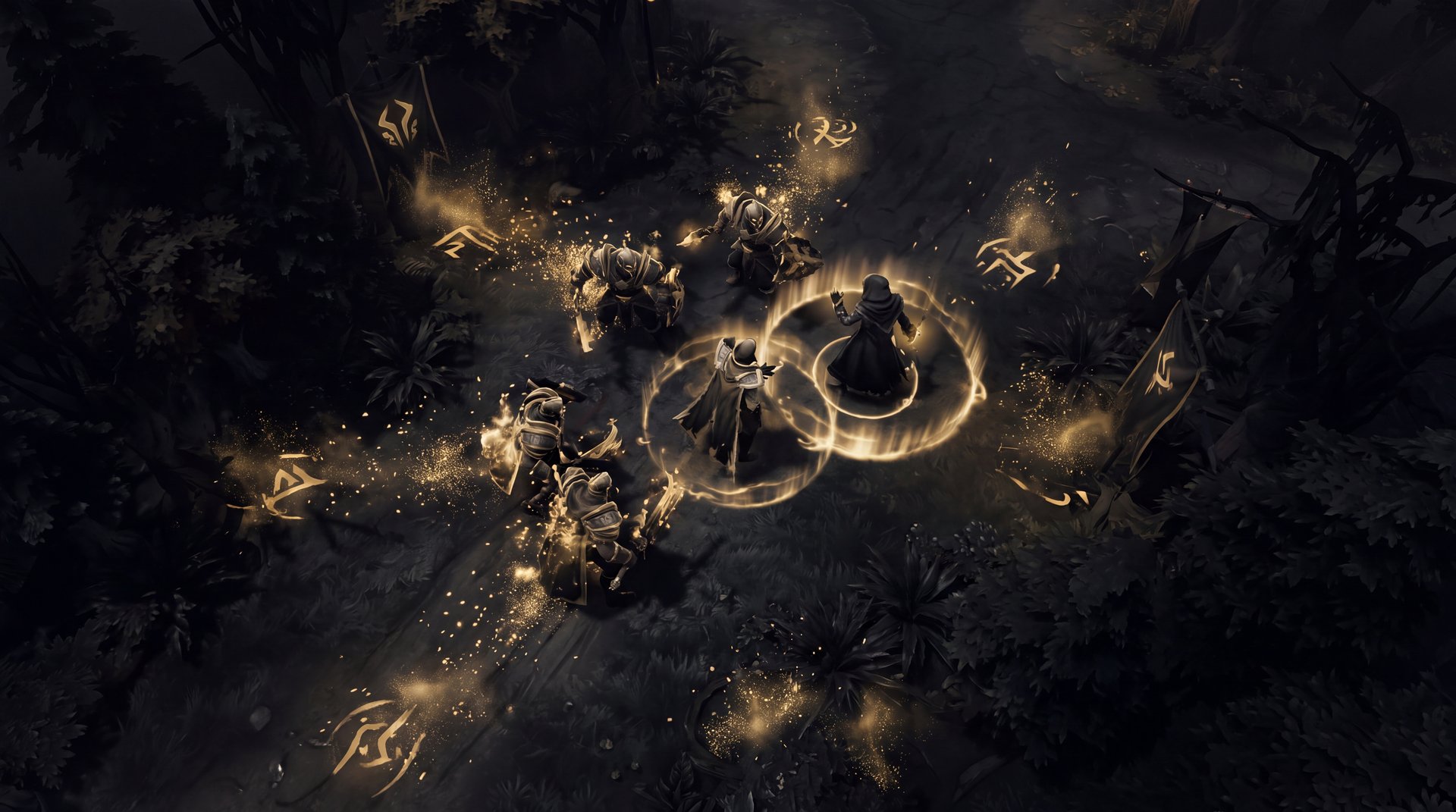
A gank is a coordinated kill attempt on an enemy hero who is out of position, overextended, or isolated from their team. The word is short for “gang kill,” a term carried over from the earliest days of Warcraft 3 custom maps. In practice, it means two or more heroes converging on a single target with the explicit goal of securing a kill rather than trading resources.
The key distinction between a gank and a teamfight is intent and scale. A teamfight involves most or all of both teams in the same area. A gank is surgical — one to three heroes moving specifically to eliminate a single target who cannot realistically escape or survive the burst.
Three things define a successful gank:
- Target isolation — the enemy hero is far from their fountain and their teammates cannot TP in time to help.
- Coordinated arrival — the ganking heroes arrive together or in close enough sequence that the target cannot deal with them one at a time.
- Kill window — the ganking heroes have enough burst damage, lockdown, or slow to reduce the target to zero HP before their abilities and cooldowns run out.
A gank is not the same as a 1v1 solo kill. If a carry grabs a solo kill on a support who wandered too far, that is an opportunistic kill. A gank involves at least one hero leaving their lane or position specifically to come assist with the kill.
For a deeper look at other Dota 2 terminology, the complete Dota 2 glossary covers over 150 terms with the same level of detail.
Gank Timing Windows: When They Happen and Why
Ganks are not random. Every effective gank happens inside a specific timing window where one or more conditions line up to make the target vulnerable. Understanding these windows is what separates players who “always get caught” from players who avoid ganks 90 percent of the time.
Early Laning Phase (Minutes 2-8)
The first major gank window opens the moment the game starts and does not close until towers fall or heroes rotate to their natural farming spots. During the laning phase, heroes are confined to three narrow corridors with limited escape routes. A missing offlaner or midlaner almost always means they are walking toward someone.
The most common early gank pattern is a trilane-into-safelane play: one support and one offlaner leave the offlane and show up in the enemy safelane while the enemy carry is last-hitting under their own tower. If the enemy carry does not have a TP scroll or a natural escape mechanism (like a blink), the gank succeeds roughly six times out of ten at Herald-to-Crusader brackets according to community aggregate data from Stratz (2026 sample).
The second high-frequency early window is the mid rotation, where the mid hero’s 6-minute power spike — a completed Phase Boots or a level 6 ultimate — makes them dangerous enough to kill a safelane carry without backup. Heroes like Lion, Bounty Hunter, and Tusk exploit this window consistently.
Smoke Ganks (Any Phase, But Mostly 8-20 Minutes)
Once the Smoke of Deceit is purchasable (available from the Side Shop or Secret Shop after minute 5), a new form of coordinated gank becomes possible. Smoke removes a group of heroes from the minimap as long as none of them attack, cast a targeted ability, or come within range of an enemy unit without invisibility. This allows a group to walk from base directly to the enemy carry’s position without appearing on the minimap.
The smoke gank window is widest in the 8-to-20-minute range because ward coverage tends to be sparse after the laning phase, heroes are farming alone across the map, and the first item timing spikes (Battlefury, Maelstrom, Midas payoff) make targets worth killing rather than just delaying.
For a full breakdown of when your team will smoke at each rank and how to read those patterns, see our dedicated guide on smoke gank timing by rank.
Post-Roshan (Aegis Window)
After a team kills Roshan and the carry receives the Aegis of the Immortal, the 5-minute Aegis timer creates one of the most dangerous gank windows in the game. The carrying team feels emboldened to split-push and farm aggressively. Enemies who understand this will immediately try to catch isolated Aegis carriers before they can use it offensively.
Conversely, if your team does not have the Aegis and you are farming alone, the 5 minutes after an enemy Roshan kill is one of the most dangerous periods to be out of position. The enemy is likely to group and use the temporary power advantage to look for kills.
After Pickoffs and Cooldown Windows
One underappreciated gank window is the 40-to-60-second period after a hero on your team dies. When your carry or offlaner is on respawn cooldown, the enemy knows your team is playing 4v5. This is a standard time to force a gank on an isolated hero who is still farming because they assume their own team needs them nearby.
Map Signals: You Are About to Be Ganked
No gank is truly invisible if you know what to look for. The following signals, in order of reliability, tell you a gank is likely incoming.
Missing Pings from Teammates
The most common signal is a “missing” ping from a teammate or the absence of enemy heroes on the minimap. If a hero who was visible in another lane 10 seconds ago has now disappeared from the minimap and you have no ward coverage between your position and the river, assume they are coming toward you.
At lower ranks, players often ignore missing pings or never send them at all. Get into the habit of checking the minimap every 10-15 seconds and treating any unexplained disappearance as a gank flag.
Your Own Ward Coverage Has Gaps
Observer wards are your primary defense against ganks. If your ward on the offlane high ground expired and nobody has replaced it, the river pathway to your safelane is dark. Any organized team will exploit dark pathways. If you notice a ward expiring and a replacement has not gone down, either pull toward a safer position or ask your support to drop a new ward before continuing to farm aggressively.
Our complete warding guide covers every key ward spot on the current map with timing recommendations per role.
Enemy Jungler or Support Disappears
The most frequent gank setup involves a support or offlaner who was last seen in their own jungle or pulling camp area suddenly vanishing. This hero has one of two jobs: they are either securing their own jungle or they are walking toward you. If the smoke timer on a known smoke buyer (check their starting items when the game begins — does the enemy have an early Dust and Tango pattern that suggests a support buying smoke?) has reset, treat their disappearance as a movement toward your position.
Enemy Courier Delivery or Item Pickup Timing
One of the least-known gank signals is courier timing. When you see an enemy hero’s courier flying to them in the jungle or at a neutral camp, it often means they are about to complete a kill-enabling item like a Blink Dagger or a Drum of Endurance. That item delivery is frequently followed within 30-60 seconds by a gank attempt.
Enemy Heroes Clustering in One Area
If the minimap shows two or three enemy heroes in close proximity in a location where only one hero would normally be — say, two heroes in the enemy safelane when their carry is solo farming — one of them is about to rotate. Track where that second hero is heading relative to your position.
| Signal | Reliability | What to Do |
|---|---|---|
| Enemy hero missing from minimap | High | Move to a safe farming position immediately |
| Ward expired, no replacement | High | Pull toward tower or request new ward |
| Teammate pinged “missing” | High | Acknowledge and move toward high ground |
| Smoke of Deceit item purchased (visible in kill feed) | Medium-High | Stop farming aggressively for 60 seconds |
| Enemy courier delivering to jungle | Medium | Note the item; expect aggression after delivery |
| Two enemy heroes grouped where one should be | Medium | Assume rotation is imminent |
| Your teammate just died, you are farming alone | Medium | Move to a safer zone for next 60 seconds |
How Not to Die to a Gank: Four Habits That Actually Work
The single biggest mistake players make when thinking about surviving ganks is treating it as a reaction problem. “How do I escape once they are on top of me?” is the wrong question. By the time two heroes with lockdown are casting spells at you, your survival rate is already below 30 percent unless you have a very specific escape item. The four habits below are all prevention — they reduce the number of times you find yourself in that situation.
1. Maintain Safe Positioning at All Times
Safe positioning means staying closer to your own tower than to the enemy tower whenever a gank is possible. In the laning phase, the classic rule is to never stand in the enemy “triangle” — the area between the two side rune spots and the mid tower — unless you have vision of all three potential gank paths.
As the game progresses, safe positioning means understanding which parts of the map are lit by your team’s wards and which are dark. Farm inside the lit zones. Move through the dark zones only with a TP scroll in your inventory and a clear awareness of where enemy heroes were last seen.
Improving your map awareness and understanding the areas where ganks are most likely to originate is a core skill tracked at every rank. Players who consistently climb MMR steadily rank map awareness as one of their top three contributors to rank gain above the Archon bracket.
2. Always Carry a TP Scroll
A Town Portal Scroll (TP scroll) costs 100 gold and is the single most cost-effective defensive item in the game. It does not let you escape a gank that has already landed — you cannot TP while stunned, silenced, or rooted — but it lets you escape a gank that is still approaching. If you see two enemy heroes running toward you from the river and you have a TP scroll, you can channel a 3-second teleport to your tower before they reach stun range.
The rule is simple: if you ever find yourself without a TP scroll and you are more than 1,500 units from your nearest tower, you are in a situation where you cannot escape a well-executed gank. This is true at every rank and every hero. Carry a TP scroll at all times once you leave the base. Replace it immediately after use — the 100 gold cost is trivial compared to the 200-400 gold you lose from dying, plus the XP and time lost during the death timer.
3. Ward Aggressively for Information
Supports are not the only players who should care about vision. If you are a core hero and you are farming a jungle quadrant that your team does not normally ward, buying two Observer Wards (300 gold total) and dropping them in key positions gives you the ability to see ganks forming before they reach you. This is not the support’s job exclusively at high ranks — every player who farms in isolated areas is responsible for their own vision in those areas.
Key ward spots for preventing ganks on the safelane carry include: the river bush on the edge of the Radiant safelane, the high ground ledge above the Radiant triangle, and the Dire jungle entrance near the Radiant safelane tier-2 tower. All three of these spots provide advance warning of at least 10-15 seconds before an approaching gank reaches farming range.
For a full map-by-map breakdown of the best ward spots to prevent ganks in each lane, our map awareness guide covers the exact sight lines with screenshots.
4. Build an Escape Item When the Gank Threat Is High
Some heroes have natural escape mechanisms built into their kit: Morphling’s Waveform, Weaver’s Time Lapse, Puck’s Phase Shift. If you are playing a hero without a natural escape, and the enemy lineup has three dedicated gank heroes with lockdown, building one escape item is not a luxury — it is a necessity. The cost-effectiveness calculation is straightforward: if you die to ganks twice and each death costs you 300 gold and 60 seconds of dead time, the 2,250 gold you spent on a Blink Dagger has paid for itself in gank prevention before minute 20.
The most efficient escape items for heroes without natural mobility, ranked by gold efficiency versus gank prevention value:
- TP Scroll — 100 gold, requires 3-second uninterrupted channel. Prevention only; useless once stunned.
- Wind Lace / Boots of Speed — 50-500 gold. Pure speed increase. Works passively without activation.
- Eul’s Scepter of Divinity — 2,725 gold. Active self-cyclone makes you temporarily untargetable. Breaks stun chains and resets the situation.
- Blink Dagger — 2,250 gold. 1,200-unit instant reposition on a 15-second cooldown. Disabled for 3 seconds after taking damage.
- Force Staff — 2,200 gold. 600-unit push in any direction. Works through most forms of disable and cannot be disabled by damage.
For a deeper breakdown of which escape items work for which heroes against specific gank threats, see our guide on best escape items for every role.
6 Dota 2 Heroes Built for Ganking
Not every hero is designed to gank. The heroes below are among the strongest gank heroes in the current patch because they combine mobility, lockdown, and burst damage in a package that can show up anywhere on the map and create a kill opportunity out of nothing.
Bounty Hunter
Bounty Hunter is arguably the most complete gank hero in Dota 2. Jinada gives him a single-target slow and damage amplifier on a short cooldown. Track reveals an enemy hero to your entire team, strips invisibility, and provides gold bonuses for kills on the tracked target. His ultimate ability also lets his team share gold when tracked heroes die, making every successful gank more economically impactful than a normal kill. Bounty Hunter excels at extended gank-heavy strategies because his Track effectively gives every kill on a tracked target an extra item’s worth of value.
Lion
Lion is the most popular gank support at sub-5,000 MMR brackets because he has two hard disables in his kit (Earth Spike and Hex) on relatively short cooldowns. The combination of a 1.6-second stun into a 3.25-second disable at level 6 is more total lockdown time than most heroes can survive if the Lion’s allies can contribute any damage at all. Finger of Death — his ultimate — deals pure damage that scales to enormous numbers with items and levels. He is most effective in the 6-to-18-minute window before enemy heroes can build enough survivability items to withstand his burst.
Spirit Breaker
Spirit Breaker is the quintessential global gank threat. Charge of Darkness has no range limit — he can begin charging at an enemy hero from his own base and arrive anywhere on the map in under 10 seconds. The charge is visible when he begins it, but a well-timed charge from the fog of war gives the target as little as 2-3 seconds of warning. His Bash passive stuns for 1.4 seconds on random attack procs, giving him consistent lockdown without ability reliance. He is most dangerous in the 5-to-15-minute window when heroes are isolated and do not have enough health or ability power to survive his arrival plus a teammate’s follow-up.
Pudge
Pudge is the most picked hero in public matchmaking for a reason — his Hook is one of the highest-upside gank tools in the game. A successful 1,300-unit hook pulls an enemy hero into Pudge’s melee range and stuns them for 0.9 seconds, which is enough time for a coordinated follow-up stun or burst. His Rot deals heavy DPS in an area around him while slowing targets, and his Dismember ultimate applies a 3-second disable that deals scaling true damage. Pudge’s weakness is that he is entirely hook-dependent for gank initiation — missed hooks are entirely counterable — but at lower brackets where players are less experienced at running perpendicular to hooks, he is one of the most effective gank heroes available.
Tusk
Tusk is a high-mobility gank support with one of the fastest kill setups in the game. Ice Shards can block an enemy’s escape path with a wall of impassable terrain. Snowball allows Tusk to pick up a nearby ally and charge at an enemy, delivering both heroes into melee range with a stun. The combination — Snowball with a carry into an enemy hero, then Ice Shards behind them to block escape — creates a kill box that most heroes cannot survive at level 6. Tusk is particularly strong in the 8-to-16-minute window when his Snowball cooldown is low relative to his impact and allies have enough damage to finish kills quickly.
Nyx Assassin
Nyx Assassin is the closest thing to a “pure ganker” in Dota 2 — a hero whose entire kit is designed around one successful kill burst with as little wasted time as possible. Impale is a 2.4-second stun that travels in a line. Mana Burn destroys a percentage of a hero’s mana, which deals that same amount as damage. Vendetta grants permanent invisibility outside of combat, 20-second duration, and the first attack from invisibility deals a significant damage multiplier. A Nyx Assassin who emerges from Vendetta on a fragile support — Mana Burn, Impale, then the Vendetta break attack — can delete a target in under 2 seconds of combined burst if the timing is right. He is most dangerous against intelligence-heavy lineups because Mana Burn scales with the target’s intelligence, making their high mana pool a liability.
| Hero | Primary Gank Tool | Best Window | Counter |
|---|---|---|---|
| Bounty Hunter | Jinada slow + Track bonus gold | All game | BKB, Dust from enemy |
| Lion | Earth Spike + Hex double disable | 6-18 min | BKB, Linken’s Sphere |
| Spirit Breaker | Global Charge of Darkness | 5-20 min | Town Portal Scroll, Eul’s cyclone |
| Pudge | Long-range Hook into Rot + Dismember | 6-25 min | Visibility of hook angle, BKB |
| Tusk | Snowball delivery + Ice Shards wall | 8-16 min | TP scroll before shards land |
| Nyx Assassin | Vendetta burst + Mana Burn damage | 6-20 min | Gem of True Sight, high HP pool |
How to Execute a Clean Gank
If you are the player initiating or participating in a gank rather than defending against one, the following framework is what separates a wasted cooldown from a secured kill.
Identify the Target and the Kill Condition
Before moving, ask yourself: does your team have enough burst and lockdown to kill this specific hero at their current HP, items, and position? A gank on a carry who just bought a BKB is likely to fail even if you have three heroes. A gank on a support who is down to 30 percent HP and out of mana is almost always a free kill.
Approach from a Dark Angle
Use Smoke of Deceit if the approach path has ward coverage. Take the path that avoids known ward spots — typically the deep jungle routes rather than the river. Arrive from the angle that blocks the enemy’s natural escape path to their tower. If the enemy carry is farming the Radiant triangle and their nearest escape is toward the tier-2 tower, position yourself between them and that tower before revealing yourself.
Coordinate the Initiation
The most common reason well-planned ganks fail is poor coordination on the initiation moment. One hero shows up 3 seconds before their partner, the target reacts and runs, and the initiation hero either dies or the opportunity is wasted. Use the chat wheel or a voice call to count down: “Going in 3 seconds” means both heroes attack or cast at the same moment. If your support has a stun, they should generally land it first so the carry can deal damage freely during the lockdown.
Cut Escape Routes
Any escape tool the target has — Blink Dagger, Eul’s, Force Staff, natural mobility ability — is your primary concern. If you have an Ice Shards (Tusk), use it to block the escape path before the target can reach it. If the target has a Blink Dagger, open with a slow or a root rather than a stun so they cannot blink (blinking while silenced, slowed, or taking damage interrupts the Blink channel in certain setups). A target who escapes a 3-hero gank is a full cooldown wasted plus a potential counter-initiation window.
How Ganks Change by Rank
Ganks look very different depending on the bracket you are playing in. Understanding the gank culture at your rank helps you predict when ganks will happen and whether your opponents will execute them correctly.
Herald and Guardian (Calibration to ~1,400 MMR)
At Herald and Guardian, ganks are almost always solo-initiated — one player decides to walk somewhere and try to get a kill without coordination. Ward coverage is nearly zero. Most players do not carry TP scrolls consistently. The gank “plan” is typically: hero moves toward enemy, hero hopes they are near death from the lane, hero attempts a kill. Surviving at this bracket is primarily about keeping your HP above 50 percent and staying near your tower when lane equilibrium is uncertain.
If you want to climb from Herald or Guardian, the most reliable gank contribution you can make is buying a TP scroll every time you recall to base and using it to respond to allies who are being ganked rather than trying to execute complex multi-hero ganks yourself.
Crusader and Archon (~1,400-2,800 MMR)
At Crusader and Archon, players begin to understand smoke ganks and the concept of “following up” a teammate’s initiation. Ganks become more coordinated but still break down on execution — heroes show up at the right location but initiate at the wrong time, or the support uses their stun on a hero who would have been killed by the carry’s burst anyway.
The single most effective gank habit to develop at this bracket is replacing your TP scroll immediately after every use and pinging “missing” every time you notice an enemy hero has disappeared from the minimap. These two habits alone place you in the top half of your bracket in terms of gank awareness.
Legend and Ancient (2,800-4,600 MMR)
At Legend and Ancient, ganks become a core strategic tool rather than an improvised opportunity. Teams coordinate smoke timings around key rotations, use Bounty Rune timings to set up ganks when heroes are repositioning, and actively track which enemy heroes are carrying TP scrolls based on their courier activity. Avoiding ganks here requires much more active minimap tracking and the discipline to never farm in dark areas for extended periods.
Players aiming to break through the Ancient bracket to Divine level consistently report that gank-reading — the ability to predict when a gank is coming based on minimap state rather than reacting after the fact — is one of the clearest skill separators. Working with an experienced Dota 2 coach who can watch your replays and identify gank-reading mistakes is one of the fastest paths to fixing this specific pattern.
Divine and Immortal (4,600+ MMR)
At Divine and Immortal, ganks are systematic. Players track the enemy jungler’s camp rotation to predict their position, buy smoke in response to known ward gaps on the enemy side, and use draft synergies (triple stun lineups, for example) to guarantee kills on specific hero types. Surviving ganks at this level requires near-perfect minimap discipline, consistent ward replacement, and item choices that directly counter the enemy gank threats identified in the draft phase.
Master Gank Timing With an Immortal Coach
Gank awareness is one of the highest-impact skills to develop, and replay analysis with an expert coach accelerates that development faster than any guide. Our Immortal coaches identify exactly where you are getting caught and why — and build a plan to fix it in 1-3 sessions.