How to Master Visage in Dota 2: The Ultimate Guide for Every Rank (2026)

Visage is one of the most underrated and misunderstood heroes in all of Dota 2. With a 55% winrate in Divine and Immortal brackets yet barely a 2% pick rate across all ranks, this spectral gargoyle is the definition of a hidden weapon. Players who invest the time to learn Visage’s micro-intensive kit are rewarded with one of the most oppressive mid laners in the game — capable of solo killing at level 6, melting towers faster than most carries, and snowballing games out of control before the enemy team even understands what hit them.
This guide covers everything you need to go from fumbling with Familiars to dominating pubs at every rank. We break down ability mechanics most players get wrong, item builds that shift dramatically by bracket, laning tricks that win you the first five minutes, and the exact micro patterns that separate a 3K Visage from an 8K Visage. Whether you are a Herald trying Visage for the first time or a Divine player looking to add a pocket pick, this is your complete blueprint.
Table of Contents
Why Visage Is Dota’s Best Kept Secret
Visage occupies a unique space in Dota 2. He is primarily played as a mid laner, though he occasionally appears as a position 3 offlaner or even a greedy position 4 support in higher-level games. His identity revolves around one thing: Familiars. These summoned stone gargoyles give Visage an absurd amount of burst damage, tower push, and map presence that few heroes can match at his timing windows.
According to Dotabuff, Visage consistently maintains one of the highest winrates in the game across Ancient, Divine, and Immortal brackets — often sitting between 53% and 56%. His pick rate, however, hovers around 1.5-2.5% in most brackets, meaning you will rarely see him banned and even more rarely face someone who actually knows how to play against him.
What makes Visage special is the speed at which he ends games. A Visage who gets a clean level 6 timing at around 5:30-6:00 can immediately rotate, secure a kill, and take a tower. By 15-18 minutes, a snowballing Visage can have multiple towers down and be knocking on the enemy’s high ground. He does not need 35 minutes of farming to come online — he comes online the moment his birds hit the map.
The tradeoff Micro management. Visage demands that you control three units simultaneously — your hero and two Familiars. You need to stun with birds, position them to avoid AoE, resummon them at the right time, and manage Gravekeeper’s Cloak charges all at once. This mechanical demand is why his pick rate stays low, but it is also why mastering him gives you such a massive edge. Most opponents have no idea how to play against a competent Visage.
Abilities Deep Dive
Grave Chill (Q)
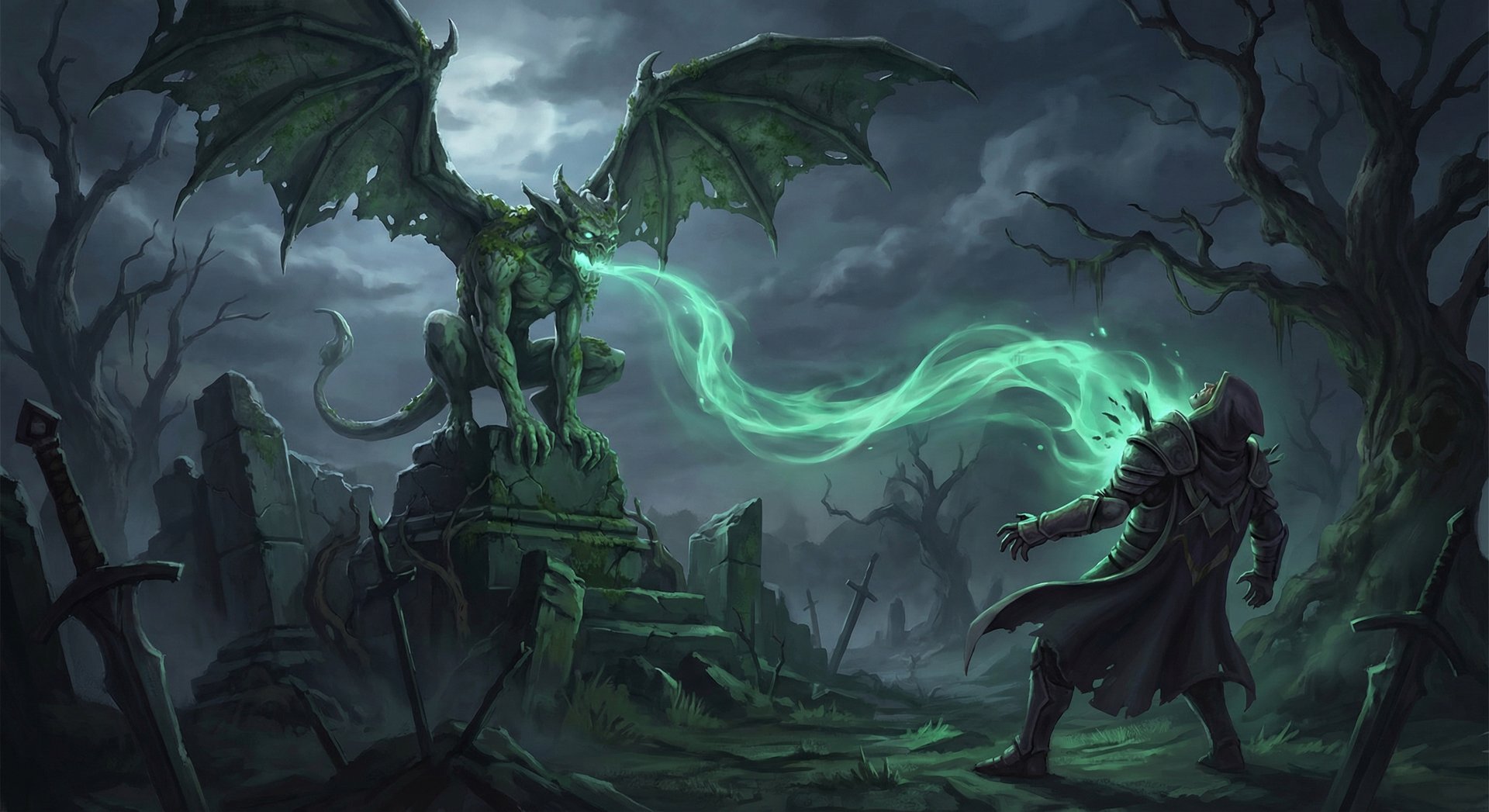
Grave Chill is Visage’s bread-and-butter harassment and chase tool. It steals movement speed and attack speed from an enemy and transfers it to Visage for 6 seconds. At max level, you steal 64 attack speed and 32% movement speed. The numbers look modest on paper, but the swing is enormous — the enemy loses what you gain, creating a double-sided advantage.
Hidden mechanics most players miss:
- It works on Familiars. The attack speed bonus applies to your birds too, making them hit significantly faster during the debuff duration. This is crucial for burst damage combos.
- The movement speed steal is percentage-based. Against heroes with high base MS or MS items, the absolute value stolen is higher.
- Cast range is 600. This outranges most right-click harass in the mid lane, letting you trade favorably without taking return damage.
- You can cast it while moving. No turn rate needed — use this to chase without losing ground.
In lane, use Grave Chill to set up favorable trades. Cast it on the enemy mid, right-click them 2-3 times while they are slowed, then back off. The stolen attack speed also helps you secure last hits during the debuff window.
Soul Assumption (W)
Soul Assumption is what makes Visage a burst assassin. It fires a projectile that deals base damage plus bonus damage based on soul charges. You gain charges whenever any hero (ally or enemy) takes damage within 1400 range of Visage. At max charges (6), Soul Assumption deals up to 390 magical damage at max level — on a 4-second cooldown.
Critical interactions:
- Charges accumulate from ALL damage instances in range. This includes damage to you, your allies, enemies, and even creeps being denied. A busy teamfight fills your charges almost instantly.
- Each charge requires 110 damage dealt to nearby heroes. Familiar attacks count toward this — meaning your birds charging in and hitting enemies rapidly builds your Soul Assumption stacks.
- The 4-second cooldown means you can fire multiple fully-charged Soul Assumptions in a single fight. In extended engagements, Visage can pump out 800+ magical damage every 4 seconds.
- It is a projectile and can be disjointed. Heroes with blinks or mobility can dodge it if they react fast enough.
Gravekeeper’s Cloak (E)
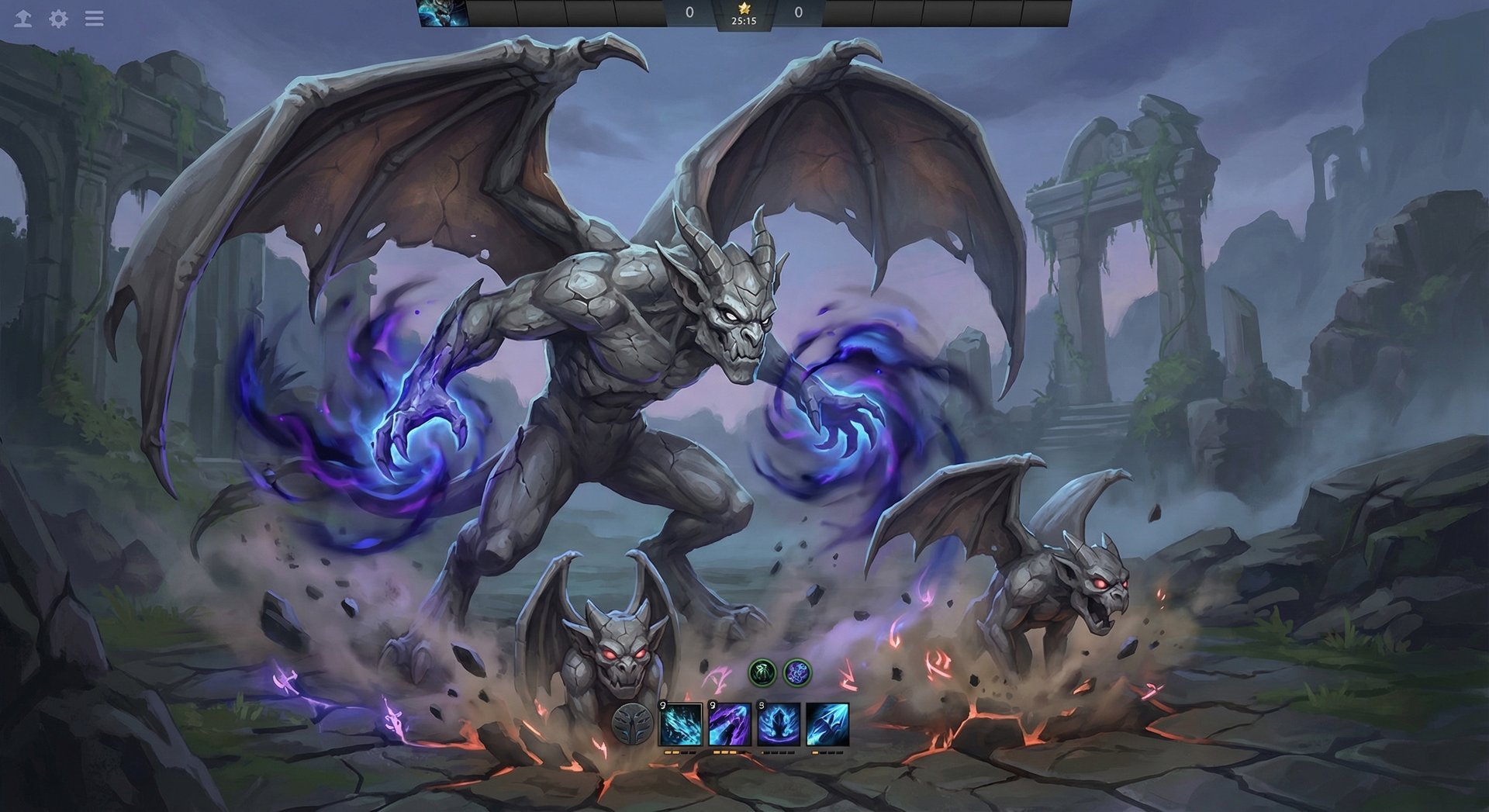
Gravekeeper’s Cloak gives Visage layered damage resistance. He starts with 4 charges, each providing damage reduction. When he takes damage above a threshold, he loses a charge. Charges regenerate over time.
What separates good and great Visage players with this ability:
- Each layer provides 20% damage reduction at max level. With all 4 layers, Visage takes 59% less damage from all sources (stacks multiplicatively). This makes him deceptively tanky in the early game.
- The damage threshold to remove a layer is 40 at max level. This means weak damage instances (like Radiance burn, Shadow Shaman wards, or low-damage DoTs) will NOT remove charges. Visage is naturally resistant to chip damage.
- Charges regenerate one at a time every 6 seconds at max level. During laning, back off after losing 2-3 charges, wait for them to regen, then re-engage.
- BKB does not protect charges. Physical damage still strips them during magic immunity.
This ability is the reason Visage can take aggressive trades in lane. Most mids cannot burst through 4 layers of Cloak early, meaning you effectively have a massive HP advantage in short trades.
Summon Familiars (R) — Ultimate
The core of Visage’s identity. Summon Familiars creates two stone gargoyle companions (three with Aghanim’s Scepter) that have their own HP pool, deal significant physical damage, and can Stone Form — slamming into the ground to stun enemies in an AoE for 1 second.
Familiar mechanics you must know:
- Familiars deal 56/98/154 damage per hit at levels 1/2/3. With two Familiars and Grave Chill’s attack speed buff, the burst DPS is enormous.
- Familiars lose 7 damage per hit after their initial attack. This means their damage ramps down over consecutive hits. The solution Use Stone Form to reset their damage back to maximum.
- Stone Form stuns for 1 second in a 350 AoE and deals 100/150/200 damage. Two birds stunning back-to-back gives you a 2-second stun chain, which is enough to solo kill most heroes.
- Stone Form also fully heals the Familiar. Use it when a bird is low HP to reset it, but time it carefully — a dead Familiar is far worse than a stunned one.
- Resummoning Familiars (pressing R again) kills the old ones and creates new ones at full HP next to Visage. If your birds are across the map and you need them NOW, just resummon. The cooldown is only 70/60/50 seconds.
- Familiars give a bounty of 100 gold each when killed. Do not let enemies farm your birds. Pull them back when low.
Skill Build Order
The standard skill build for mid Visage in 2026:
| Level | Skill | Reasoning |
|---|---|---|
| 1 | Grave Chill (Q) | Lane trading from level 1 |
| 2 | Gravekeeper’s Cloak (E) | Survivability for aggressive trades |
| 3 | Soul Assumption (W) | Burst damage as lane gets active |
| 4 | Soul Assumption (W) | Maximize kill potential before 6 |
| 5 | Soul Assumption (W) | 390 damage nuke ready for level 6 all-in |
| 6 | Summon Familiars (R) | Immediate kill and tower threat |
| 7 | Soul Assumption (W) | Max nuke damage |
| 8-9 | Grave Chill (Q) | Better chase and AS steal |
| 10 | Talent | +30 Damage or situational |
| 11 | Grave Chill (Q) | Max slow/steal values |
| 12 | Summon Familiars (R) | Stronger birds for mid-game |
In some matchups where you face heavy right-click harass (like against Huskar or Monkey King), you may want to take a second point in Gravekeeper’s Cloak at level 4 before maxing Soul Assumption. The extra damage reduction layer is worth more than the nuke damage if you are getting bullied.
Item Builds by Rank Bracket

Visage’s itemization shifts dramatically depending on your rank. Lower brackets need survivability and simplicity, while higher brackets leverage aura items and aggressive timing pushes. Here is the complete breakdown:
| Rank | Starting | Early Game | Core | Late Game |
|---|---|---|---|---|
| Herald – Crusader | Tango, Branches x2, Circlet, Faerie Fire | Bracer, Boots, Magic Wand | Phase Boots, Medallion, Drum of Endurance | Solar Crest, Assault Cuirass, BKB |
| Archon – Legend | Tango, Branches x2, Circlet, Faerie Fire | Bracer, Boots, Medallion | Phase Boots, Solar Crest, Aghanims Scepter | Assault Cuirass, Orchid, Hex |
| Ancient – Divine | Tango, Branches, Circlet, Blight Stone | Medallion, Phase Boots | Solar Crest, Orchid Malevolence, Aghanims Scepter | Assault Cuirass, Hex, Nullifier |
| Immortal | Tango, Branches, Blight Stone, Faerie Fire | Medallion, Phase Boots | Solar Crest, Orchid, Aghanims | Bloodthorn, AC, Hex, Nullifier |
Why Items Differ by Rank
Herald to Crusader: At lower ranks, fights are chaotic and extended. Drum of Endurance gives you and your Familiars a nice all-around stat boost plus a burst of movement and attack speed for engagements. Players at this bracket struggle with micro, so simpler items that passively benefit your birds work best. Skip Orchid — the active is one more thing to mess up.
Archon to Legend: Players here are starting to understand timing pushes. Solar Crest is your single most important item — it amplifies your Familiars’ physical damage massively by reducing enemy armor by 5 and giving your target -10% attack speed. Rush it every game. Aghanim’s Scepter gives you a third Familiar, which is a 50% increase in your DPS and stun potential.
Ancient to Divine: This is where Orchid Malevolence becomes essential. Players at this bracket will try to escape or TP when you jump them. Orchid provides a 5-second silence that completely shuts down escape options while amplifying your damage by 30% at the end. The buildup also gives you attack speed and mana regen, both of which Visage desperately needs.
Immortal: At the highest level, Blight Stone start is standard because Immortal Visage players pressure the lane from level 1 with right-clicks plus Familiar damage. The item progression is aggressive: Medallion into Solar Crest as fast as possible, then Orchid for pickoffs. Late game pivots into Bloodthorn (upgraded Orchid), AC, and Hex depending on what the enemy lineup requires.
Laning Phase Masterclass
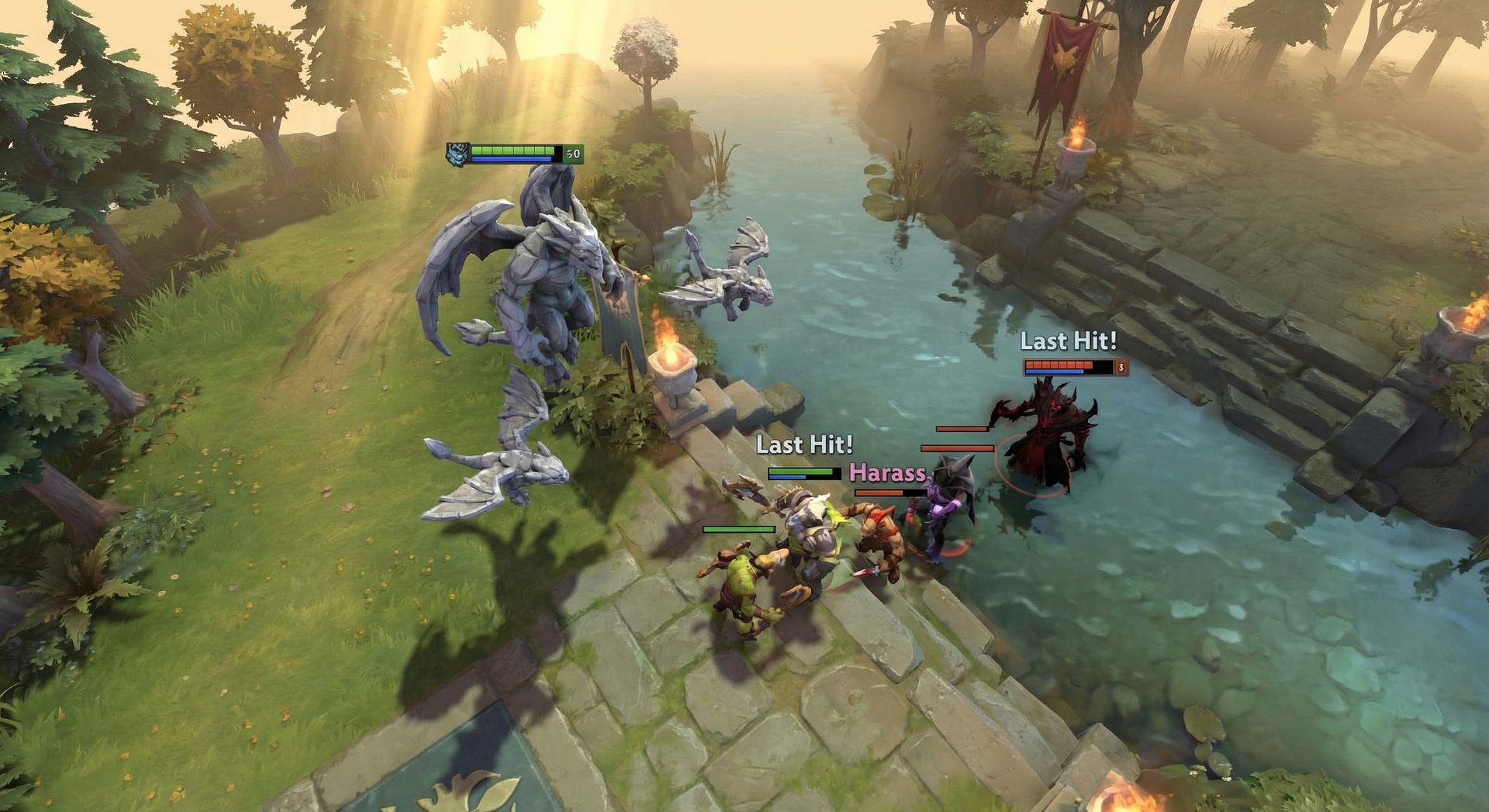
Visage’s laning phase is deceptively strong. Most opponents underestimate him because they rarely face him, and his Gravekeeper’s Cloak makes him far tankier than his HP pool suggests.
Pre-Level 6 Strategy
Levels 1-2: Focus on securing last hits. Use Grave Chill to trade when the enemy steps forward for a last hit — the attack speed steal lets you get 2-3 hits in while they struggle to hit back. With Cloak charges up, you can afford to take 1-2 hits in return without much consequence.
Levels 3-5: Once you have Soul Assumption, start looking for kill potential. Every time creeps trade damage in your vicinity, your Soul charges build. When you have 4-6 charges, Grave Chill the enemy and fire Soul Assumption for a massive chunk of their HP. Two rotations of this combo typically forces the enemy to use their regen or retreat to base.
Power spike alert: Level 5 with a full-charge Soul Assumption deals 390 magic damage. Combined with Grave Chill slow and 3-4 right-clicks, you can kill most mid heroes from 70% HP. Call for a support rotation at this timing for a guaranteed kill.
The Level 6 All-In
This is where Visage transforms. The moment you hit 6, you should be looking to kill. The combo:
- Grave Chill the enemy for the slow and attack speed steal
- Send both Familiars to attack the target — they benefit from the Grave Chill AS bonus
- Fire Soul Assumption once charges are full (birds hitting + your right-clicks fill this fast)
- Stone Form with the first Familiar when the target tries to run
- Stone Form with the second Familiar 0.5 seconds later for a chain stun
- Second Soul Assumption if the fight lasts long enough (4-second cooldown)
This full combo does approximately 1,200-1,500 damage at level 6, which is enough to kill any mid hero who is not at full HP. If you land this cleanly, immediately push the tower with your Familiars. They melt towers incredibly fast.
Lane Partner Synergies (If Played Offlane/Safelane)
While Visage is primarily a mid hero, he occasionally shows up in other lanes:
- Drow Ranger: Drow’s Precision Aura gives your Familiars bonus damage, creating an absolutely disgusting push lineup.
- Vengeful Spirit: Vengeance Aura boosts Familiar damage, and Wave of Terror armor reduction stacks with Medallion/Solar Crest.
- Dark Seer: Vacuum into double Stone Form stun is a devastating AoE combo in teamfights.
Mid and Late Game Transitions
When Does Visage Peak?
Visage has two major power spikes:
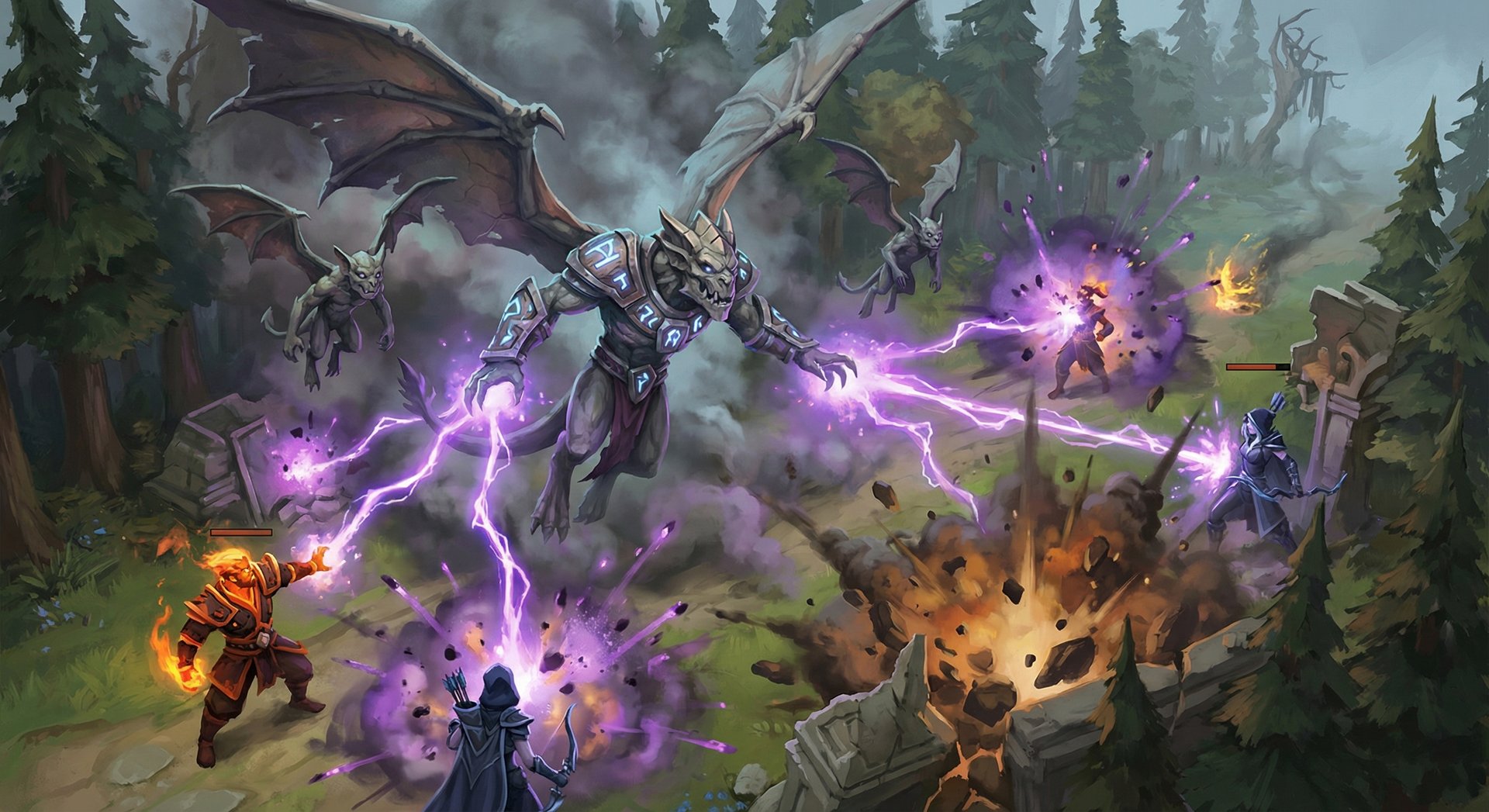
- Level 6 (5:30-6:30): Your first Familiars. This is your strongest relative power spike in the game. No other mid hero gains as much combat power from a single level-up.
- Solar Crest + Level 12 (14-18 minutes): Level 2 Familiars hit like trucks, and Solar Crest’s minus armor makes every hit even more devastating. This is your window to take all outer towers.
Visage starts to fall off around 35-40 minutes if the game goes late. Enemy carries will have enough items to two-shot your Familiars, AoE becomes more prevalent, and BKBs make your Soul Assumption less impactful. The goal with Visage is always to end the game before the 35-minute mark.
Teamfight Positioning
In teamfights, Visage operates on two planes simultaneously:
Your hero should be positioned on the back edge of the fight, close enough to cast Grave Chill and Soul Assumption but far enough that you do not get jumped. Gravekeeper’s Cloak helps if you get clipped by AoE, but you are not a frontliner.
Your Familiars should be positioned aggressively. Send them to dive the enemy backline — supports and squishy cores. The goal is to force the enemy to either deal with your birds (wasting time and abilities) or ignore them (and get stunned/bursted). Either way, your team wins.
The key micro pattern in teamfights:
- Send Familiars to hit the highest-value target (usually the enemy mid or carry)
- After 4-5 hits, Stone Form the first bird on the target (stun + damage reset)
- Continue hitting with the second bird
- Stone Form the second bird 1 second later
- By now, the first bird’s Stone Form has ended — resume attacking
This pattern gives you 2 seconds of stun, continuous DPS, and maximum Familiar damage by resetting the damage decay through Stone Form.
Tower Pushing
Visage is one of the fastest tower-takers in the game. Familiars deal full damage to buildings, and with Solar Crest debuff on the tower (yes, it works on buildings), you can melt a T1 tower in under 10 seconds. After every successful kill or won fight, immediately send your birds to hit the nearest tower. This is how Visage snowballs — converting kills into objectives faster than anyone else.
BKB Timing
Visage typically wants BKB as a third or fourth item, not before his damage items. Your first two items should always be Solar Crest and either Orchid or Aghanim’s. BKB becomes necessary when the enemy has stuns or disables that prevent you from executing your combo — heroes like Lion, Shadow Shaman, or Earthshaker who can lock you down before your birds land their stuns.
If the enemy has minimal lockdown, you can skip BKB entirely and go straight into Assault Cuirass or Hex for even more damage amplification.
Counters: Heroes That Destroy Visage
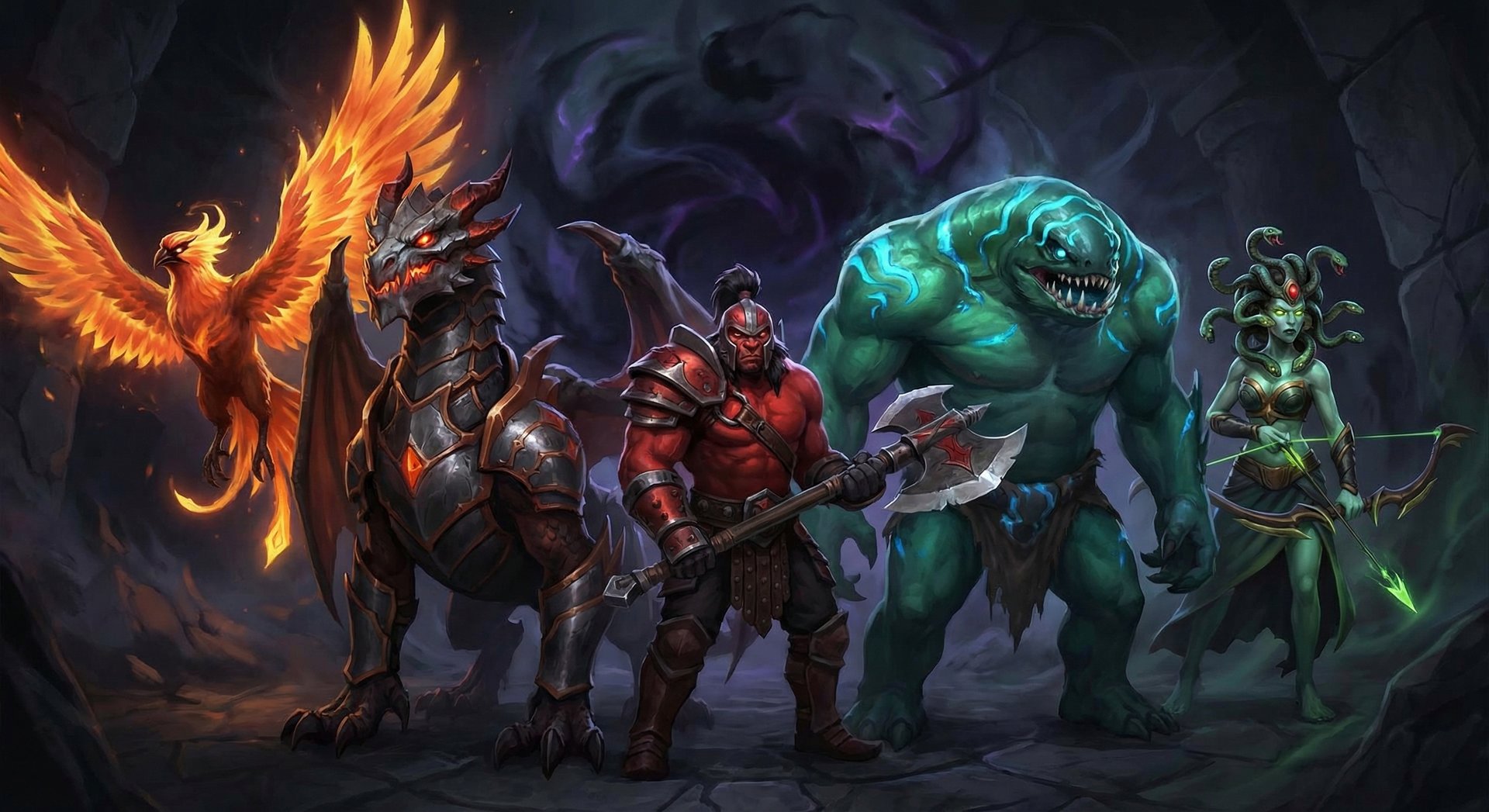
No hero is unbeatable, and Visage has some very real weaknesses. These are the five heroes you should dread seeing on the enemy team:
1. Phoenix
Phoenix is Visage’s single worst matchup. Fire Spirits shred Gravekeeper’s Cloak charges with their damage-over-time, Sun Ray melts Familiars with percentage-based HP damage, and Supernova forces Visage to either commit Familiars to attack the egg (killing them from the explosion) or retreat entirely. Phoenix’s entire kit seems designed to punish summon-based heroes.
How to play around it: Ban Phoenix. Seriously. If Phoenix gets through, focus on killing Phoenix before they can cast Fire Spirits. Orchid silence is your best tool here — silence Phoenix before they can use abilities, then burst them with Familiars.
2. Axe
Axe’s Counter Helix procs from Familiar attacks, meaning your birds spin Axe constantly while killing themselves in the process. Berserker’s Call also forces your Familiars to attack Axe, triggering even more spins. A good Axe will blink into your birds specifically to farm Counter Helix procs.
How to play around it: Never send Familiars into Axe alone. Hit other targets. Use Stone Form stun on Axe from range without committing to extended right-click trades with your birds.
3. Tidehunter
Anchor Smash and Ravage are both AoE abilities that hit your Familiars. Kraken Shell’s damage block reduces your Familiar damage significantly, and Ravage’s massive stun radius will catch your birds in every teamfight. Tidehunter also builds aura items that make him even tankier against physical damage.
How to play around it: Split your Familiars before Tidehunter Ravages. Keep one bird on a flanking path so it can stun after Ravage ends. Focus your damage on other targets.
4. Dragon Knight
Dragon Knight’s Dragon Blood gives him insane armor and HP regen that makes him nearly impossible to burst in lane. His Breathe Fire damage reduction also cripples your Familiar damage output. In dragon form, his splash damage hits all your birds at once.
How to play around it: You will not kill DK in lane. Focus on farming, push other lanes with Familiars, and look for kills on his teammates instead.
5. Medusa
Medusa’s Split Shot hits all your Familiars simultaneously, and her naturally high physical damage with Mana Shield makes her extremely hard to burst. Stone Gaze also turns your Familiars to stone if they are facing her, effectively removing them from the fight.
How to play around it: End the game before Medusa gets online. Visage peaks at 15-20 minutes; Medusa peaks at 35-40. Use your timing advantage to destroy her towers and strangle her farm. If the game goes late, focus on other targets in fights.
Heroes Visage Destroys
On the flip side, Visage absolutely dominates certain matchups. Pick him into these heroes for near-guaranteed wins:
1. Sniper
Sniper has zero escape, low HP, and no way to deal with Familiars. Grave Chill eliminates his range advantage by closing the gap, and two Stone Form stuns lock him down for an easy kill. Sniper players panic when birds fly at their face. Sniper’s Take Aim range means nothing when gargoyles are diving past it.
2. Invoker
Invoker struggles against Visage because Gravekeeper’s Cloak absorbs his combo damage and Familiars force him to Cold Snap them instead of you. QW Invoker’s EMP is annoying for mana drain but does not kill your birds. QE Invoker’s Forge Spirits lose the summon war badly against Familiars.
3. Shadow Fiend
Shadow Fiend needs to stack Razes to kill, but Gravekeeper’s Cloak reduces each Raze’s damage. Meanwhile, Visage’s burst with Familiars at level 6 easily kills SF before he can triple-Raze. SF also has no way to deal with Familiars in lane.
4. Drow Ranger
Drow‘s Marksmanship gets disabled when Familiars are within melee range, removing her biggest damage source. She has no AoE to deal with birds and no escape from Stone Form stuns. Visage can dive Drow under tower with Familiars and kill her without risk.
5. Zeus
Zeus relies on magical burst, and Gravekeeper’s Cloak dramatically reduces his damage. Each Lightning Bolt removes one Cloak charge, but Zeus needs 4 separate instances to strip all layers — by which time Visage has already sent Familiars to murder him. Zeus also has no mobility, making him easy prey for Stone Form stuns.
How Pros Play Visage in the Current Patch
Visage has seen sporadic but impactful pro picks throughout the 2025-2026 competitive season. When he appears, it is almost always as a mid pick in the second phase, drafted into favorable matchups where the opposing mid is a squishy hero without AoE clear.
At DreamLeague Season 23, Team Spirit’s Larl picked Visage mid against an enemy QW Invoker. The strategy was textbook: farm safely until level 6, kill the Invoker solo at 6:15 with the classic Grave Chill into double Stone Form combo, then rotate bottom to take the tier 1 tower before 8 minutes. Larl finished the game 12-1-8 with all 6 outer towers destroyed by 22 minutes.
Chinese teams have been particularly fond of Visage in recent months. Xtreme Gaming’s midlaner has shown a Solar Crest rush build that skips Orchid entirely, relying on the team’s support duo to provide lockdown while Visage focuses purely on damage amplification and tower pushing. This build prioritizes Solar Crest into Aghanim’s Scepter into Assault Cuirass — pure physical damage and push.
Key pro trends in 2026:
- Blight Stone start is nearly universal in pro games. The minus armor from level 1 amplifies right-click trades and Familiar damage.
- Phase Boots over Treads. The armor and movement speed burst help Visage chase and position. Pros almost never buy Treads on Visage.
- Helm of the Overlord has appeared as a niche pickup. The dominated creep provides another unit to micro but gives powerful aura bonuses to Familiars.
- Early Roshan attempts at 15-18 minutes with Solar Crest. Visage + Familiars + Solar Crest can take Roshan surprisingly fast, and the Aegis on a snowballing Visage is often game-ending.
For detailed match data and more pro builds, check Liquipedia’s Visage page.
Rank-Specific Climbing Guide
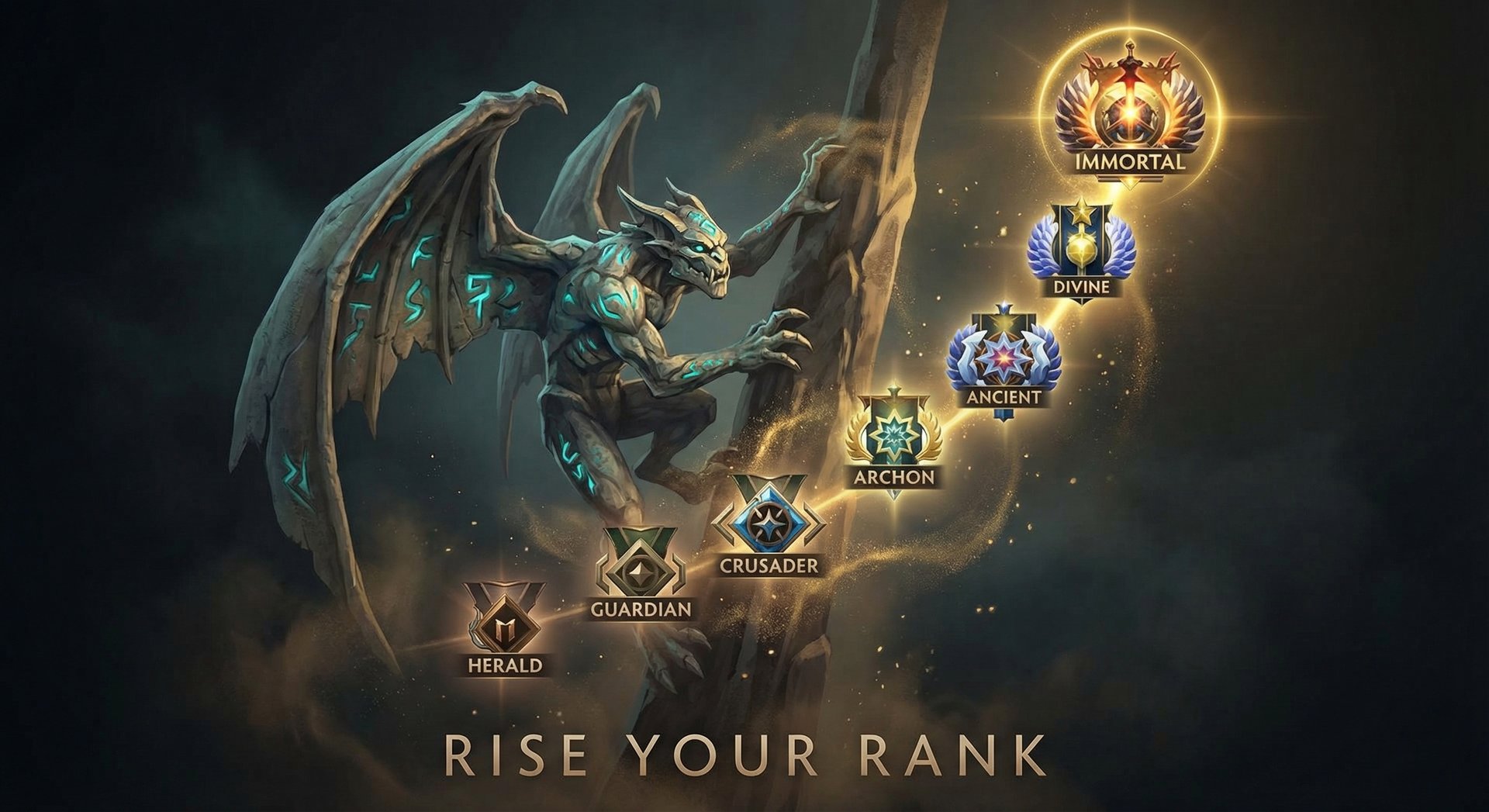
Herald to Guardian: Foundation Basics
At this bracket, your opponents have no idea what Visage does. Most players below Crusader have never played against a Visage and will not understand his abilities, timings, or Familiar mechanics. This is your biggest advantage — and your biggest trap.
Focus on these fundamentals:
- Do not overthink micro. At Herald/Guardian, simply having Familiars attack the same target as you is enough. Do not try fancy Stone Form chains yet.
- Use Familiars for tower pushing. After any kill, send birds to hit the tower. Players at this rank will not defend towers, and you can take all T1s by 15 minutes.
- Buy Drum of Endurance. It is simple, gives good stats, and the active speed burst helps you and your Familiars.
- Use tab-select to cycle between Familiars. Set up control groups: 1 for hero, 2 for all Familiars, 3 for hero + Familiars. This is your starter micro setup.
Expected winrate at this bracket with basic Visage competency: 60-65%. Opponents simply cannot handle the hero.
Crusader to Archon: Adding Game Sense
Opponents here are starting to understand that your Familiars can be killed and that you are weaker when they are on cooldown. You need to evolve.
Level up these skills:
- Stone Form timing. Practice the double-stun chain: first bird Stone Forms, wait exactly 1 second, second bird Stone Forms. This gives a 2-second stun that secures almost any kill.
- Map awareness for bird positioning. Keep Familiars near you but spread slightly so AoE does not hit both. When pushing a lane, send one Familiar ahead as a scout.
- Solar Crest usage. Buy it every game. Use it on the target your birds are attacking. This single item increases your kill potential by roughly 30%.
- Roshan timing. At 15-18 minutes with Solar Crest, you can solo Rosh with your Familiars. This is a massive advantage at Archon where teams rarely contest Rosh early.
Legend to Ancient: The Macro Leap
This is where Visage games get decided by macro decisions, not micro mechanics. Players at Legend-Ancient know how to play against Visage on a basic level — they will try to kill your birds, they will group as 5 when you push, and they will buy BKBs to ignore your stuns.
What to master:
- Split-push with Familiars. Send your birds to push a side lane while you farm or teamfight elsewhere. This creates map pressure that Ancient players struggle to handle without committing resources.
- Orchid timing. Rush Orchid after Solar Crest against mobile heroes. The silence prevents escapes and the damage amp finishes kills.
- Bird preservation. At this bracket, enemies will actively target your Familiars. Pull them back when low HP and resummon only when you have a clear opening. Dead birds = dead pressure.
- Aghanim’s Scepter timing. Three birds is a massive power spike. Consider Aghanim’s as second item if you are snowballing and the enemy has limited AoE.
Divine to Immortal: What Separates the Top 1%
At Immortal, Visage is a known quantity. Opponents will pick counters, focus your Familiars, and try to drag the game late. The difference between a Divine Visage and an Immortal Visage comes down to:
- Perfect Stone Form execution. Top Visage players stun exactly at the right moment — not too early (wasting stun duration while the target is still mobile) and not too late (target has already escaped). The ideal timing is when the target commits to a direction after Grave Chill.
- Familiar damage reset micro. After 4-5 hits, immediately Stone Form to reset damage, then continue attacking. This is a constant cycle in fights that maximizes DPS.
- Drafting awareness. Only pick Visage when the enemy team has at most 1-2 AoE abilities. If you see Phoenix, Axe, and Tidehunter already picked, do not pick Visage.
- Aggressive warding with Familiars. Send a bird into the enemy jungle to provide vision. If it gets attacked, Stone Form to stun the attacker and reveal their position.
- Itemization flexibility. Immortal Visage players adapt their builds game-to-game. Against heavy magic damage, they rush Pipe of Insight. Against physical carries, they might get Halberd. The standard build is a guideline, not a script.
If you are struggling to climb and want professional coaching from Immortal-rank players, our coaches can review your Visage replays and identify the specific micro and macro mistakes holding you back.
Tips and Tricks
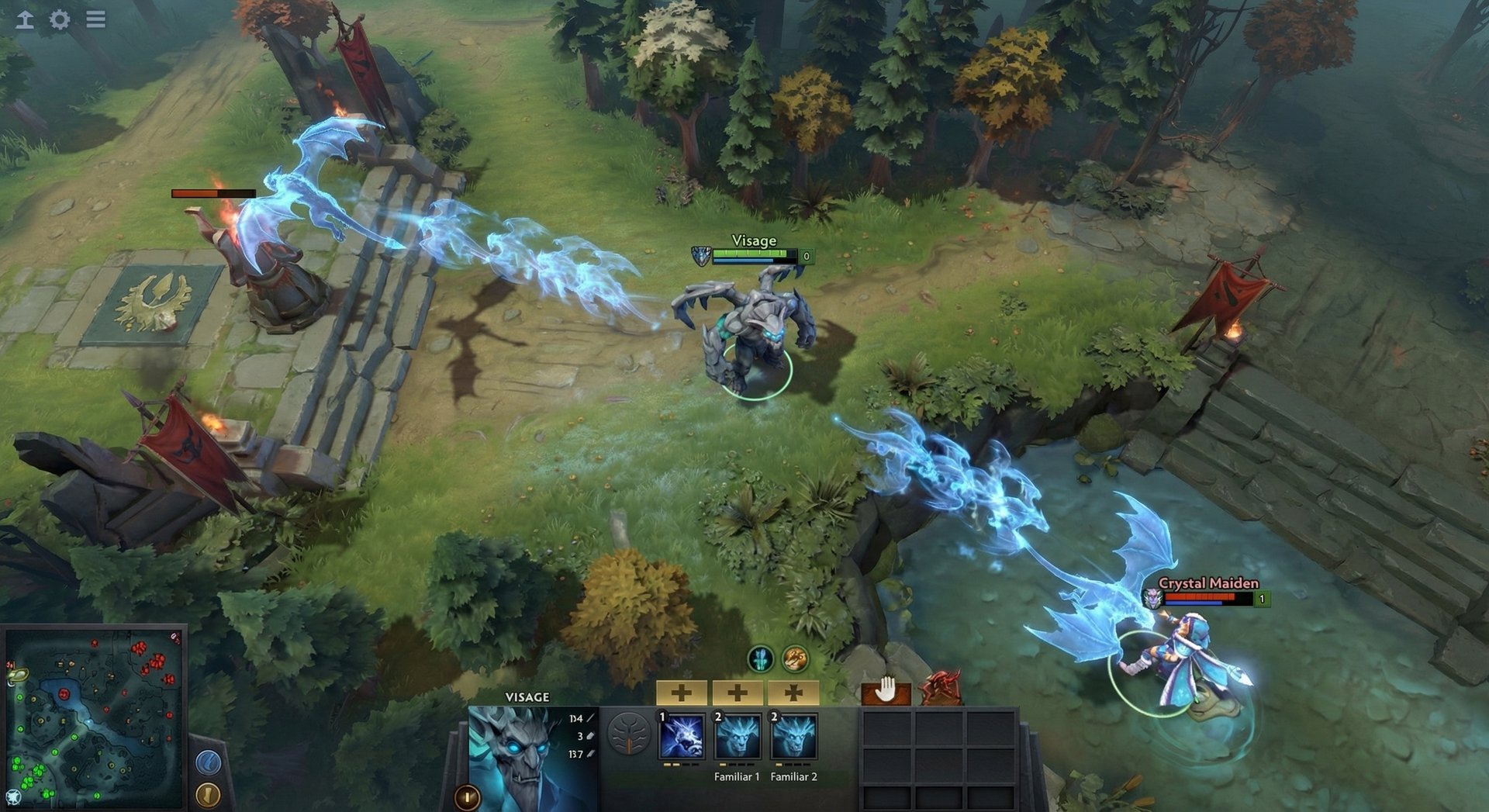
Animation Cancels and Hidden Interactions
- Stone Form has a 0.55-second cast animation. The stun lands at the END of the animation, not the start. Account for this delay when chaining stuns.
- You can queue Stone Form. Shift-click Stone Form on a Familiar while it is moving to have it automatically slam when it reaches the target location. This is essential for long-range initiations.
- Familiars can be used to block camps. Park a bird on a neutral camp spawn box to prevent the enemy from farming that camp. This is extremely annoying for enemy carries.
- Soul Assumption gains charges from illusion damage. Heroes like Phantom Lancer and Naga Siren fill your Soul charges incredibly fast because every illusion hit counts.
- Grave Chill can be cast on Roshan. The attack speed steal helps your Familiars kill Rosh faster.
Common Mistakes to Avoid
- Sending Familiars into fights alone. Birds without hero backup get focused and killed. Always engage together.
- Forgetting to resummon. If your Familiars are on the wrong side of the map and a fight breaks out, just press R to summon fresh ones next to you. The cooldown is short enough.
- Not resetting Familiar damage. After 5+ hits, your birds are dealing significantly reduced damage. Stone Form to reset, then continue attacking.
- Building Visage like a carry. Visage does not need Daedalus or Butterfly. His damage comes from Familiar attacks, minus armor, and Soul Assumption. Build items that amplify your birds, not your hero’s right-click.
- Ignoring towers after kills. Every kill should be followed by tower damage. Visage’s biggest strength is converting kills into objectives — do not waste it by going back to farming jungle.
Advanced Mechanics for High-MMR Players
- The “Reverse Stone Form” trick: Send Familiars past a target, then Stone Form behind them. The stun radius hits the target from behind, and they run into your hero instead of away from the fight.
- Split Familiar aggro in Rosh pit. Alternate which Familiar Roshan targets by pulling the targeted one back and sending the other in. This keeps both birds alive through the entire Roshan fight.
- Use a dead Familiar as bait. If one Familiar dies, leave the corpse visible. Enemies will often focus the remaining bird, assuming you have no stun. Resummon the dead one behind them for a surprise stun.
- Smoke + Familiar scout. Before smoking as a team, send one Familiar ahead along the smoke path to ensure you do not walk into a ward or enemy team. If the bird gets attacked, your smoke is not broken.
Frequently Asked Questions
Visage is one of the hardest heroes in Dota 2 due to the micro-management required. However, if you are willing to invest 20-30 games into learning his mechanics, the payoff is enormous. Start by using Familiars as simple damage bots without worrying about perfect Stone Form timing, then gradually add complexity.
Mid is Visage’s best position in 2026. He needs fast levels to get Familiars online, and mid gives him solo XP plus easy access to both side lanes for rotations after level 6. Offlane Visage works but delays your timing by 1-2 minutes, which can be the difference between snowballing and getting outscaled.
The standard setup is: 1 = Hero only, 2 = All Familiars, 3 = Hero + All Familiars, 4 = Familiar 1, 5 = Familiar 2. Use group 3 for moving together, group 2 for sending birds to a target, and groups 4/5 for individual Stone Form stuns. Tab cycles between selected units.
Use Stone Form to heal if your birds are mid-fight and you need the stun. Resummon (press R) if your Familiars are far away and you need them immediately, or if both are critically low and Stone Form is on cooldown. Resummoning has a 50-70 second cooldown depending on level, so do not waste it.
Yes, but it depends on timing. Aghanim’s gives you a third Familiar, which is a 50% increase in DPS and stun chain duration (3 seconds instead of 2). Buy it as a second or third item if you are ahead. If you are behind, prioritize Solar Crest and BKB first — a third bird does not help if you cannot survive long enough to use it.
Spread your Familiars apart. Never cluster them near each other or near your hero. In fights, send birds in from different angles so a single AoE spell cannot hit both. Against extreme AoE (Tidehunter, Enigma, Earthshaker), keep Familiars on the fight’s edge and only commit them after the big AoE abilities have been used.
Visage maintains a 53-56% winrate in Divine and Immortal brackets, making him one of the highest winrate heroes in high-level play. In lower brackets (Herald-Archon), his winrate drops to 47-50% due to the micro skill required. The gap between brackets highlights how much execution matters on this hero.
Ready to Dominate With Visage
Learning Visage micro takes time. Our Immortal-rank coaches can fast-track your progress with personalized replay analysis and live coaching sessions tailored specifically to Visage mechanics, Familiar micro, and high-level game sense.