Valve Loot Box Lawsuit: What Dota 2 Players Need to Know

On March 11, 2026, Valve published a rare public statement on Steam directly addressing the lawsuit filed by New York Attorney General Letitia James — a lawsuit that targets the loot box mechanics in Counter-Strike 2, Dota 2, and Team Fortress 2. The NYAG is calling these systems “addictive, harmful and illegal,” seeking to permanently ban Valve from selling mystery boxes in New York and impose financial penalties.
Valve is pushing back hard. They are arguing that Treasures and cases are no different from Pokemon card packs, that cosmetics are optional and purely visual, and that taking away item trading would hurt players, not protect them. This is not some background legal noise — the outcome of this case could fundamentally change how Dota 2 Treasures, the Steam Community Market, and third-party skin trading work for every player worldwide.
Here is the complete breakdown of what is happening, what both sides are arguing, and what Dota 2 players specifically need to watch for.
Table of Contents
- The Full Timeline: How We Got Here
- Valve’s Defense: The Five Core Arguments
- The NYAG’s Case: Why They Think Loot Boxes Are Gambling
- What This Means for Dota 2 Specifically
- Steam Community Market and Third-Party Trading at Risk
- The Dota 2 Cosmetics Economy by the Numbers
- The Privacy Angle: Why Valve Refuses to Collect More Data
- Valve vs Gambling Sites: A Long History
- What Happens Next: Possible Outcomes
- Frequently Asked Questions
The Full Timeline: How We Got Here
This did not start overnight. The legal battle between Valve and the New York Attorney General’s office has been building for over three years, and understanding the timeline is critical to seeing where this is headed.
Early 2023: NYAG Opens Investigation
The New York Attorney General’s office first contacted Valve in early 2023, opening an investigation into the loot box mechanics used in Counter-Strike 2 (then CS:GO), Dota 2, and Team Fortress 2. According to Valve, they spent the next two-plus years “explaining how the system works” to the AG’s office — suggesting they believed they could resolve the matter without litigation.
February 2026: The Lawsuit Drops
That did not happen. AG Letitia James filed a formal lawsuit accusing Valve of operating “unlawful gambling mechanics” through what her office calls “mystery boxes” — the cases, crates, chests, and Treasures players can purchase in Valve games. The filing described these mechanics as “addictive, harmful and illegal” and sought two major remedies:
- A permanent injunction stopping Valve from selling mystery boxes in New York
- Financial penalties (amount unspecified in public filings)
March 11, 2026: Valve Fires Back
Valve published a public statement directly on Steam, addressed specifically to players in New York. The statement was unusually long and detailed for Valve, a company famous for saying almost nothing publicly. The fact that they went this route — speaking directly to their player base rather than only through lawyers — tells you how seriously they are taking this.
Valve’s opening line set the tone: “We don’t believe that they do” — referring to the claim that mystery boxes violate New York gambling laws.
Ongoing: Separate Class-Action Lawsuit
Making things even more complicated, Valve is simultaneously facing a separate class-action lawsuit related to its loot box systems. That is two active legal battles over the same core mechanic, coming from different angles — one from a state government, one from players themselves.
Valve’s Defense: The Five Core Arguments
Valve’s public statement laid out a structured defense. Here are the five pillars of their argument, broken down for what they actually mean:
Argument 1: “This Is Just Like Baseball Cards”
Valve’s primary defense is that randomized loot boxes are not a new concept. They explicitly compared their system to:
- Baseball card packs — you buy a pack, you do not know what is inside
- Pokemon card packs — same randomized model, massive industry
- Magic: The Gathering booster packs — random cards, some worth hundreds
- Other collectible blind-box items — Funko Pops mystery boxes, etc.
The argument: if Pokemon card packs have been legal for decades, why would the digital equivalent suddenly be gambling This is a strong legal position because it forces the NYAG to explain why the physical version is fine but the digital version is not.
The counterpoint: Digital items exist within an ecosystem where Valve directly facilitates resale through the Steam Community Market and takes a cut of every transaction. A Pokemon card company does not run the secondary market. This distinction matters.
Argument 2: “Cosmetics Are Optional”
Valve emphasized that opening loot boxes is entirely optional:
“Players don’t have to open mystery boxes to play Valve games. In fact, most of you don’t open any boxes at all and just play the games, because the items in the boxes are purely cosmetic — there is no disadvantage to a player not spending money.”
For Dota 2 players, this is demonstrably true. You can play every hero, access every game mode, and compete at the highest MMR bracket without spending a single dollar. An Arcana does not make your Phantom Assassin’s crits hit harder. A $500 Baby Roshan courier does not give you better ward vision.
But anyone who has played Dota 2 for years knows the social pressure around cosmetics is real. Loading into a lobby with default skins at Immortal rank gets noticed. Battle Pass levels become a flex. The FOMO around limited-time Treasures is deliberately engineered.
Argument 3: “Trading Items Is Good for Players”
This might be Valve’s most interesting argument. They are pushing back against the NYAG’s suggestion that items from loot boxes should not be tradeable:
“We think the transferability of a digital game item is good for consumers. It allows players to sell or trade unwanted items in the same way an owner can sell or trade a tangible item like a Pokemon or baseball card.”
Valve is framing item trading as a consumer right — and arguing that the NYAG wants to take that right away. This is a clever pivot because it positions the government as the entity that would hurt players, not Valve.
Argument 4: “We Will Not Spy on Our Players”
The NYAG apparently proposed that Valve collect additional data from users to enforce location-based restrictions (preventing New York residents from accessing loot boxes) and age verification. Valve’s response was sharp:
They said the AG’s proposals would require deploying “invasive technologies for every user worldwide” — including breaking VPN protections and collecting personal data beyond what payment systems already verify.
Valve positioned themselves as the privacy-conscious party: they limit data collection, they believe users expect their personal information handled carefully, and they are not willing to build a surveillance system to enforce a single state’s regulations.
Argument 5: “We Already Fight Gambling”
Valve pointed to their existing anti-gambling track record:
- Over 1,000,000 Steam accounts locked for connections to gambling, fraud, or theft involving in-game items
- Trade reversals and trade cooldowns implemented to reduce abuse
- Gambling-related businesses are banned from sponsoring Valve game tournaments
- Valve stated they do not cooperate with gambling sites and actively work against them
This is significant context. Valve has been fighting the skin gambling ecosystem for years — shutting down sites like CSGOLounge and others that were using Steam items as de facto casino chips. They are essentially saying: “We are on your side against actual gambling. Our loot boxes are not gambling.”
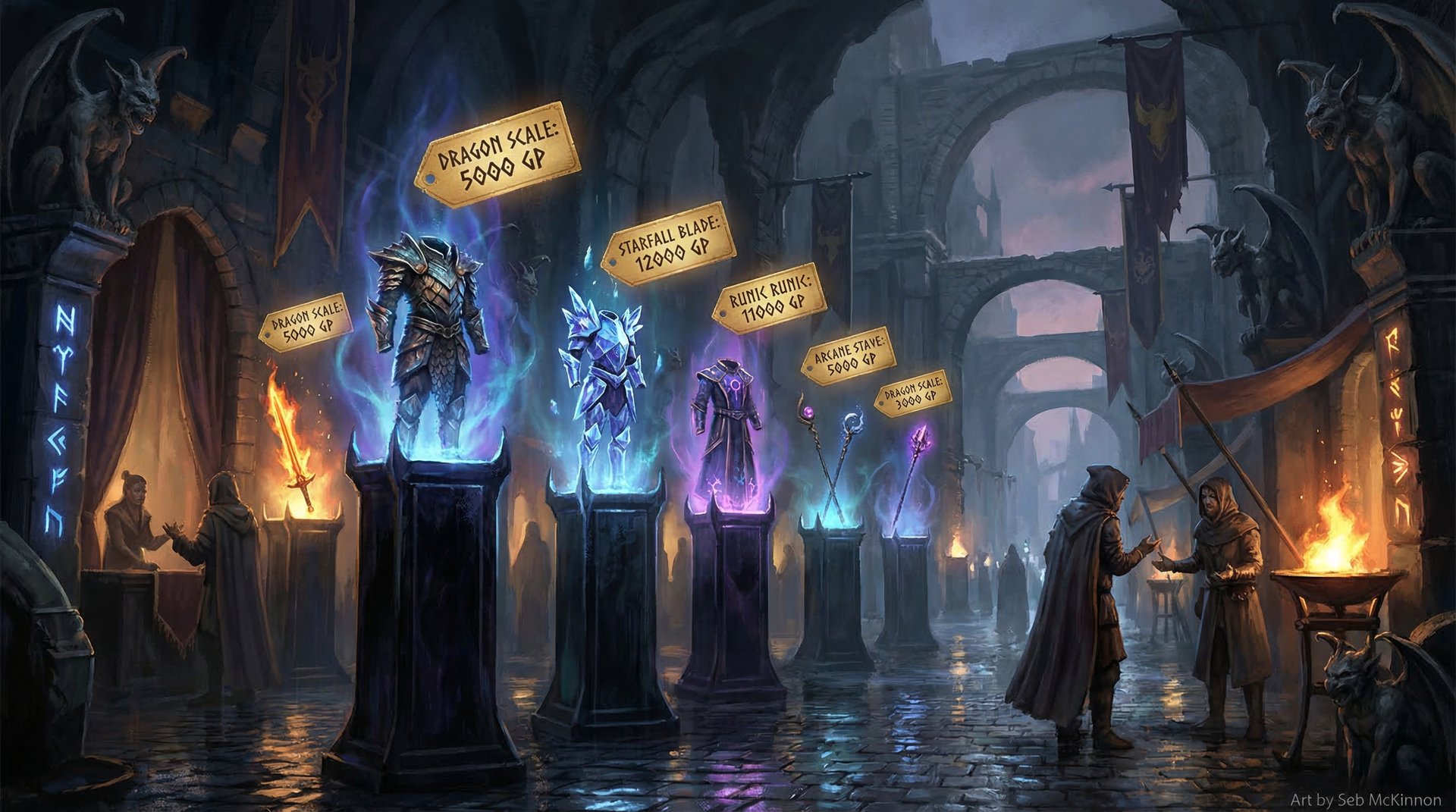
The NYAG’s Case: Why They Think Loot Boxes Are Gambling
The New York Attorney General’s office has not published a full public response to Valve’s March 11 statement yet, but based on the original filing and public comments, their case rests on several key claims:
The “Gambling Mechanic” Argument
The NYAG argues that paying real money for an item with a randomized outcome — where you might get something worth pennies or something worth hundreds of dollars — is functionally gambling. You are wagering money on an uncertain outcome with variable returns.
In Dota 2 terms: when you open a Collector’s Cache or Treasure, you are paying a fixed price ($2.49 for most standard Treasures) for a randomized reward. The common items might be worth $0.03 on the Market, while the ultra-rare could trade for $50-200+. That gap between cost and potential value is what the NYAG calls a gambling mechanic.
The Secondary Market Problem
This is where the Pokemon card comparison breaks down slightly. When you open a Pokemon pack, The Pokemon Company does not run the shop where you sell your rare pulls and take a 15% commission. Valve does.
The Steam Community Market is Valve-operated, and Valve takes a cut of every transaction (15% total — 5% Steam transaction fee plus 10% Dota 2 game fee). This means Valve profits from both the initial loot box sale AND the subsequent resale of items. The NYAG can argue this creates a financial incentive for Valve to keep rare items extremely rare — because scarcity drives up Market prices, which drives up Valve’s commission revenue.
The “Addictive Design” Claim
The NYAG described loot box mechanics as “addictive” — pointing to the psychological design elements that make opening them compelling. Every Dota 2 player knows the feeling:
- The spinning animation when you open a Treasure
- The escalating odds text that tells you each opening increases your ultra-rare chance
- The golden shimmer when you hit something rare
- The FOMO pressure of time-limited Treasures during Battle Pass season
These are not accidental design choices. They are deliberate psychological hooks borrowed from slot machine design. Whether that crosses the legal line into “gambling” is exactly what the court will decide.
The Video Games and Violence Tangent
In a bizarre twist, the NYAG apparently also made remarks linking video games to real-world violence during the investigation. Valve shut this down hard, citing “numerous studies throughout the years” that have concluded there is no link between media and real-world violence. This side argument probably weakened the NYAG’s credibility on the core loot box issue.
What This Means for Dota 2 Specifically
Let us get specific about how this lawsuit could affect Dota 2 players depending on the outcome.
Scenario 1: Valve Wins — Status Quo Continues
If the court sides with Valve, nothing changes for Dota 2. Treasures continue working exactly as they do now, the Steam Market stays untouched, and the Battle Pass keeps its current monetization model. This is the most likely outcome based on current legal precedent — no U.S. court has ruled that loot boxes constitute gambling under existing law.
Scenario 2: NYAG Wins — New York-Only Restrictions
If the NYAG wins, the initial impact would be limited to New York state. Players in New York might lose access to Dota 2 Treasures and other randomized purchases. However, a New York ruling would set legal precedent that other states could follow — potentially creating a patchwork of regulations across the U.S.
Valve might respond by:
- Geo-blocking Treasure purchases for New York IP addresses
- Revealing exact drop rates before purchase (some regions already require this)
- Offering direct-purchase alternatives alongside random Treasures
- Removing tradability from items obtained through loot boxes (the nuclear option)
Scenario 3: Settlement with Industry-Wide Changes
The most impactful scenario. If Valve settles and agrees to systemic changes, it could reshape how every game company handles randomized monetization. Potential changes include:
- Mandatory drop rate disclosure — Valve already shows “escalating odds” text but does not publish exact percentages for Dota 2 Treasures in most regions
- Spending limits or cooldowns — caps on how many Treasures a player can open in a given period
- Age verification requirements — more than just a checkbox saying you are 18+
- Separation of random items from tradeable items — items from loot boxes might become non-tradeable
The Battle Pass Question
Here is what most Dota 2 players are not thinking about: the Battle Pass itself could be affected. Every Battle Pass includes Immortal Treasures I, II, and III with randomized drops. The Collector’s Cache is a paid random Treasure. Even the Arcana and Prestige items are gated behind spending thresholds that incentivize buying levels rather than grinding them.
If loot boxes in Dota 2 get restricted, Valve would need to restructure the entire Battle Pass monetization model. That could mean:
- Direct purchase options for all cosmetic items
- Flat-rate Battle Pass with no randomized rewards
- Removal of the ultra-rare/rare tier system from Treasures
Whether that would be better or worse for players depends on how Valve prices direct purchases. If they charge $30 for an Arcana you used to have a small chance of unboxing, some players win and some lose.
Steam Community Market and Third-Party Trading at Risk
The trading angle is arguably the most significant part of this lawsuit for the Dota 2 community. Valve explicitly defended item trading, but the NYAG apparently wants to restrict or remove it.
How the Steam Market Works for Dota 2
Quick refresher for anyone who does not trade actively:
- Valve takes a 15% cut of every Steam Community Market sale (5% Steam fee + 10% Dota 2 fee)
- Items have a 7-day trade cooldown after purchase or unboxing
- Rare items from Treasures can sell for anywhere from $0.03 to $2,000+
- The market operates 24/7 with real-money balances (Steam Wallet)
- Third-party sites like DMarket, Skinport, and Buff163 facilitate cash-out trading
Why the NYAG Targets Trading
The ability to trade items for real money is what transforms loot boxes from “just cosmetics” into something the NYAG can argue is gambling. If you open a Treasure and get a $200 item you can sell, that Treasure was not just a cosmetic purchase — it was a $2.49 bet that paid out $200. Without the trading component, the gambling argument is much weaker.
Third-Party Market Impact
The third-party Dota 2 skin market is substantial. Sites like Buff163 (primarily Chinese market), DMarket, and various others facilitate trades outside the Steam ecosystem. If the lawsuit forces changes to item tradability, it would not just affect the Steam Market — it would ripple through the entire third-party economy.
Professional players and content creators who receive rare items as part of tournaments, promotions, or early access would also be affected. The value proposition of rare Dota 2 items is directly tied to their tradability.
The Dota 2 Cosmetics Economy by the Numbers
To understand the stakes, you need to understand the scale of the Dota 2 cosmetics economy:
| Item Category | Typical Price Range (Steam Market) | How Obtained |
|---|---|---|
| Common Treasure Items | $0.03 – $0.50 | Standard Treasure drops |
| Rare Treasure Items | $2.00 – $15.00 | Rare bonus from Treasures |
| Very Rare Treasure Items | $10.00 – $50.00 | Very Rare bonus from Treasures |
| Ultra Rare Treasure Items | $30.00 – $300.00 | Ultra Rare bonus from Treasures |
| Arcanas | $15.00 – $35.00 (marketable ones) | Store purchase or Battle Pass |
| Legacy/Retired Items | $50.00 – $2,000+ | No longer obtainable |
| Collector’s Cache Sets | Non-tradeable (gift only) | Annual Cache Treasures |
| Baby Roshan Couriers | $100.00 – $1,500+ | Diretide/Battle Pass rewards |
Key insight: The variance between a “bad” Treasure opening ($0.03 common) and a “good” one ($200+ ultra-rare) is massive. That variance is exactly what makes the gambling comparison stick. A 66:1 payout ratio on a $2.49 purchase looks a lot like a slot machine to a regulator.
The Escalating Odds System
Dota 2 Treasures use an “escalating odds” system that Valve implemented after pressure from regulators in China and other regions. Each time you open a Treasure and do not get the rare/very rare/ultra rare item, your odds increase slightly for the next opening.
The problem: Valve does not publish exact odds for most Western regions. In China, regulations forced Valve to disclose that ultra-rare items typically have a base drop rate of roughly 1-2%, escalating with each opening. But for North American and European players, the exact probabilities remain hidden behind the vague “escalating odds” label.
If the NYAG lawsuit forces transparency, we might finally get exact drop rate numbers for all regions — which would actually be a win for players regardless of the lawsuit’s outcome.
The Privacy Angle: Why Valve Refuses to Collect More Data
One of the more unexpected battlegrounds in this lawsuit is player privacy. The NYAG apparently proposed that Valve implement location tracking and enhanced age verification to restrict loot box access by region and age group.
What the NYAG Wants
- VPN detection — preventing New York residents from bypassing geo-restrictions
- Enhanced age verification — beyond the current self-reported birthdate system
- Location data collection — tracking where players are physically located
Why Valve Says No
Valve’s argument is straightforward: implementing these measures would require “invasive technologies for every user worldwide” — not just New York players. You cannot build a VPN detection system that only affects one state. You cannot implement biometric age verification for one jurisdiction without building the infrastructure globally.
Valve also pointed out that many payment methods already include built-in age and identity verification. If you buy Steam Wallet funds with a credit card, the card issuer has already verified your age and identity. Valve is arguing that adding another layer on top is redundant and invasive.
For Dota 2 players, this matters because of what it means in practice. Imagine having to verify your real identity with a government ID scan every time you want to open a Treasure. Imagine Valve tracking your physical location to determine whether you are allowed to make cosmetic purchases. These are the scenarios Valve is pushing back against.
Valve vs Gambling Sites: A Long History
One thing Valve has genuinely been proactive about is fighting skin gambling sites. Here is the relevant history:
2016: The Gambling Site Crackdown
In 2016, after widespread publicity about CS:GO skin gambling sites, Valve sent cease-and-desist letters to major gambling operations and began restricting API access that gambling sites relied on. Sites like CSGOLounge, CSGODiamonds, and others were forced to shut down or restructure.
Ongoing Enforcement
According to Valve’s March 11 statement, they have now locked over 1,000,000 Steam accounts connected to gambling, fraud, or theft involving in-game items. That is a massive enforcement effort that covers Dota 2 items as well as CS2 skins.
Valve also implemented:
- Trade cooldowns — the 7-day hold on newly acquired items
- Trade reversals — the ability to undo trades linked to fraud
- Steam Guard requirements — mobile authentication for trading
- Gambling sponsor bans — no gambling companies can sponsor Valve game tournaments
This track record is important because it undercuts the NYAG’s framing of Valve as a company that profits from gambling. Valve can credibly argue they have spent years and significant resources fighting actual gambling — and that their loot boxes are a different product entirely.
The Dota 2 Angle: Why Dota Is Different from CS2
It is worth noting that the gambling problem has always been significantly worse in CS2 than in Dota 2. CS2 skins have a more established cash-out ecosystem, higher individual item values (some CS2 knives sell for $10,000+), and a longer history of being used as gambling chips.
Dota 2 cosmetics have a smaller secondary market, fewer extremely high-value items, and less gambling site infrastructure built around them. However, the NYAG’s lawsuit targets both games equally, so the outcome will apply to Dota 2 regardless of these differences.

What Happens Next: Possible Outcomes
Valve closed their statement with: “Ultimately, a court will decide whose position, ours or NYAG’s, is correct.” Here is what the realistic timeline and outcomes look like:
Short Term (Next 3-6 Months)
- Pre-trial motions — both sides will file motions, potentially including a motion to dismiss from Valve
- Discovery phase — the NYAG may gain access to internal Valve data about loot box revenue, drop rates, and user spending patterns
- No immediate changes — Dota 2 Treasures and the Market will continue operating normally during litigation
Medium Term (6-18 Months)
- Settlement talks — most cases like this settle before trial. Valve acknowledged this, saying “reaching a settlement could have been easier” but they disagreed with the proposed terms
- Possible voluntary changes — Valve might proactively add drop rate transparency or spending tools to strengthen their legal position
- Industry response — other game companies are watching this closely. EA, Blizzard, and Riot all have similar loot box mechanics
Long Term (18+ Months)
- Trial and ruling — if no settlement is reached, a court ruling would set legal precedent for the entire gaming industry
- Legislative action — regardless of the lawsuit’s outcome, New York or other states might pass specific loot box legislation
- The class-action factor — the separate class-action suit could reach a different conclusion, creating conflicting legal standards
The Global Picture
This is not just a U.S. issue. Belgium banned loot boxes entirely in 2018, forcing games like FIFA to remove them. The Netherlands took similar action before partially reversing course. China requires drop rate disclosure. Australia and the UK have investigated but not yet legislated.
A strong ruling against Valve in New York could accelerate global regulation. Conversely, a Valve win could slow down regulatory momentum worldwide.
What Dota 2 Players Should Do Right Now
Honestly Nothing dramatic. This lawsuit will take months or years to resolve. Your Treasures are not going anywhere tomorrow. But here are some practical considerations:
- If you have high-value items you want to cash out — the market is stable now, but uncertainty could cause price fluctuations as the case progresses. There is no rush, but be aware of the landscape.
- If you are in New York — you will not lose access to anything in the short term. Even if the NYAG wins, implementation of any restrictions would take time.
- If you care about drop rate transparency — this lawsuit might get you what you want regardless of who wins. The discovery process alone could force Valve to reveal internal data about Treasure drop rates.
- If you are spending heavily on Treasures — this is always a good time to evaluate your spending. Regardless of legality, loot boxes are designed to encourage spending. Set your own limits.
Frequently Asked Questions
Will Dota 2 Treasures be removed because of this lawsuit
Not in the short term. The lawsuit is in its early stages and will take months to years to resolve. Even if the NYAG wins, restrictions would initially only apply to New York state. Valve has shown no indication of voluntarily removing Treasures.
Could this lawsuit affect the Steam Community Market
Yes, this is one of the key risks. The NYAG has suggested that items from loot boxes should not be tradeable. If the court agrees, Valve might be forced to make loot box items non-tradeable, which would significantly impact the Steam Market and third-party trading sites for Dota 2 items.
Does this affect players outside the United States
Directly, no — the lawsuit is specific to New York state law. However, Valve’s response suggested that some proposed changes would require “invasive technologies for every user worldwide,” meaning implementation of restrictions could affect global infrastructure. A ruling could also set precedent that encourages other countries to take similar action.
Will Valve have to reveal Dota 2 Treasure drop rates
Possibly. During the discovery phase of the lawsuit, the NYAG could compel Valve to disclose internal data about drop rates, revenue from Treasures, and user spending patterns. Even if this data is not made public during litigation, the pressure could lead Valve to voluntarily publish drop rates for all regions — something they already do in China.
Is Valve right that loot boxes are not gambling
This is the core legal question the court will decide. Valve argues their system is equivalent to buying randomized physical collectibles like trading cards. The NYAG argues the combination of real-money purchase, randomized outcomes, and the ability to sell items for cash creates a gambling mechanic. No U.S. court has definitively ruled on this question yet, which is why this case is so significant.
What happened with loot box bans in other countries
Belgium banned loot boxes in 2018, forcing games like FIFA to remove them for Belgian players. The Netherlands took similar action but partially reversed course. China requires mandatory drop rate disclosure. Australia and the UK have investigated but not enacted specific legislation. Japan banned “complete gacha” (a specific loot box variant) in 2012. The global regulatory landscape remains fragmented.
Should I sell my valuable Dota 2 items now
There is no urgent reason to panic-sell. The lawsuit will take a long time to resolve, and the market is currently stable. However, if you have been considering cashing out high-value items, it is worth monitoring the case. Major legal developments could cause price volatility on the Steam Market and third-party trading platforms.
Skip the Loot Box RNG — Invest in Your MMR Instead
While the lawyers argue about Treasures, smart players are investing in what actually matters: their rank. TeamSmurf offers professional Dota 2 MMR boosting and 1-on-1 coaching from Immortal players who can help you understand the meta, improve your mechanics, and climb to the bracket you deserve. No RNG involved — just guaranteed results.