Duo Boost Diary: A Week Climbing With a Client

What actually happens during a week-long duo boost? Not in the abstract — the scheduling, the first game jitters, the mid-week adjustment, the communication rhythm, and what the final rank gain realistically looks like?
This article walks through a representative week of duo boosting on TeamSmurf. It is a composite walkthrough drawn from how these engagements typically unfold across our booster team. No invented client names, no fabricated match IDs. The goal is to show you exactly what the process looks like from Day 0 to Day 7 so you know what to expect before you order — and how to get the most out of the experience if you do.
If you are considering Dota 2 boosting services and are weighing solo boost versus duo, this walkthrough will answer most of your questions.
In This Guide
- Day 0: Setup and Coordination
- Days 1-2: The Assessment Phase
- Days 3-4: Finding the Groove
- Days 5-6: The Pressure Test
- Day 7: The Final Push
- What the Client Learns Game by Game
- How Communication Works
- Honest Rank Outcome Expectations
- The 7.41d Meta Context
- Is a Duo Boost Worth It?
- Frequently Asked Questions
Day 0: Setup and Coordination
A duo boost does not start when the first game loads. It starts with a brief coordination exchange that determines how the whole week will run. Most clients underestimate how much this initial setup matters.
When a duo order comes in, the assigned booster sends a short intake message. The typical questions asked are straightforward: what bracket are you in right now, which roles do you prefer to play, do you have a hero pool you want to stick to, and what time windows work for sessions this week?
This is not small talk. The answers directly shape which heroes the booster will play alongside you, what the laning setup will look like, and how aggressively the booster will call macro plays during games. A client who plays Position 1 on carry heroes and a client who roams on Position 4 require completely different booster complementation.
Role and Hero Coordination
In a standard week-long engagement, the client picks a hero pool of 3 to 5 heroes they are comfortable on. The booster picks heroes that pair well with those selections. In the current patch 7.41d environment, some of the most natural pairings look like this:
| Client Role | Client Hero Example | Booster Pairing | Why It Works |
|---|---|---|---|
| Pos 1 Carry | Juggernaut | Crystal Maiden (Pos 5) | Free lane control, Omnislash follow |
| Pos 1 Carry | Gyrocopter | Jakiro (Pos 5) | Dual Breath lockdown enables early kills |
| Pos 2 Mid | Dragon Knight | Earthshaker (Pos 3) | Global coordination, smokeganking mid |
| Pos 3 Offlane | Mars | Shadow Shaman (Pos 4) | Lockdown stacks, push towers fast |
| Pos 4 Soft Support | Clockwerk | Leshrac (Pos 2) | Pounce setup into Pulse Nova teamfight |
These are not rigid rules — the booster adapts based on what is available in draft and what the enemy picks. But the initial hero sync gives both players a shared vocabulary before the games even start. You are not walking into game one with a stranger. You have already agreed on what the plan is.
Scheduling the Week
Most week-long duo engagements target 8 to 12 games across 7 days. That typically means 2 games per session, 4 to 5 sessions. Playing more than 4 games in a day is usually counterproductive — both solo queue and boosted games suffer from diminishing returns on win rate when players push past their focus ceiling.
Sessions are agreed on in 2-hour blocks. The booster confirms availability at least an hour before each session. If a session needs to move, clients can reschedule without penalty as long as the booster is notified with enough lead time to clear their queue.
Days 1-2: The Assessment Phase
The first two sessions serve a function that most clients do not expect: assessment. The booster is not just there to win games. They are learning how you play so they can adjust their approach for the rest of the week.
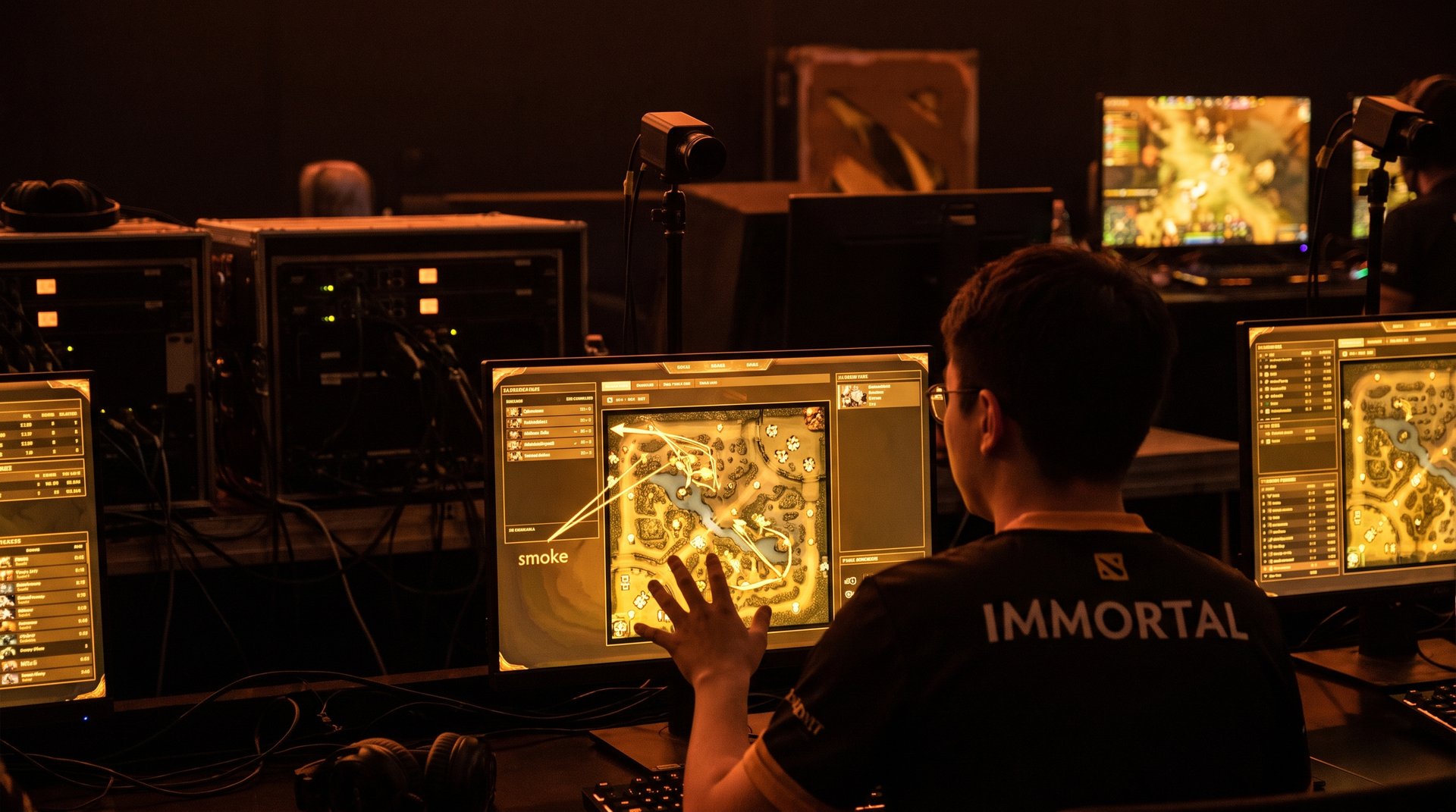
In typical first sessions, the booster plays close to full strength but deliberately leaves certain decisions to the client. If the client is a Pos 1 player, the booster will not smoke the client to a fight the client has not spotted — they will ping the opportunity and wait to see if the client identifies it. If they do, great. If they miss it, that is logged as something to reinforce over the coming days.
What the Booster Is Watching
The mental checklist a good booster runs through the first two days looks something like this:
- Lane phase decision-making: When does the client call for a trade and when do they play passively? Are they reading the opposing support correctly?
- Item timing signals: Does the client know their power spike window? Are they farming with the correct path for their intended first item?
- Map awareness cadence: How often does the client glance at the minimap during laning? Do they notice when their supports rotate, or does the information only register after fights start?
- Fight entry judgment: Do they commit when the numbers favor them? Do they pull back when they are behind in resources?
- Smoke and vision usage: Do they call or participate in smoke ganks, or do they primarily react to what the team initiates?
By the end of Day 2, the booster has a clear picture of where the client’s game costs them MMR. Most of the time, the gaps are concentrated in one or two specific patterns — not a broad deficiency across everything. A client is rarely bad at everything. They usually have a specific timing they consistently misread or a specific resource decision they get wrong under pressure.
Typical Day 1-2 Results
Win rates in the first two sessions tend to be around 50-65% in a representative engagement. The booster is still calibrating. The hero pairing is working, but the coordination is not yet fully dialed in. Clients sometimes feel a little frustrated at this stage because the games feel only marginally different from their solo play. That is normal. The payoff comes later in the week.
Days 3-4: Finding the Groove
By Days 3 and 4, the coordination starts to feel like a well-worn system. The booster knows your tendencies. You know roughly what the booster will do when a smoke opportunity opens. Communication drops to a lower overhead — fewer confirmations needed before a play happens.
This is when the macro advantage of having an Immortal-rank partner starts to show up in game outcomes more clearly. The booster begins calling higher-leverage plays: controlled Roshan timings, cross-map pressure after a key pick-off, tower sieges timed to coincide with a buyback cooldown on the enemy carry.
For many clients, Days 3-4 represent the first time they have genuinely played alongside someone who processes the game at a significantly higher level while occupying a different role. The experience is instructive in a way that is hard to replicate through solo play or watching VODs. The pace and confidence of the decision-making is simply different.
The Synergy Effect
A key advantage of duo boosting versus solo boosting is exactly this: in a duo arrangement, the client is in the game, making decisions, while an Immortal-level player operates in synergy with them. The result is not just winning — it is winning in a way that shows the client what organized, intentional Dota 2 play looks like from the inside.
Solo boost is cleaner and faster. But the client never sees a single game. Duo boost is slower and costs more, but the client finishes the week having watched how an Immortal player manages tempo, resources, and risk across 10+ games while coordinating with their specific hero choices.
See also our MMR boosting guide for a broader look at how different boost formats compare on outcome quality.
Days 5-6: The Pressure Test
Almost every week-long duo engagement includes a 1 to 2 game losing streak somewhere in the middle or latter half of the week. This is not a failure of the process — it is a predictable feature of Dota 2’s matchmaking system adjusting to a rising win rate.
As a player gains MMR, the system recalibrates and begins placing them into harder matches sooner. At the same time, weekend queue pools tend to shift the composition and playstyle of opponents. Boosters who have run dozens of week-long engagements know to expect a resistance point and plan for it.
How the Booster Adjusts
When the pressure test hits, the booster makes two typical adjustments:
- Hero selection tightens: The pool narrows to the 2-3 pairings with the highest reliability in the current queue meta, rather than experimenting with new combinations.
- Post-game debrief lengthens: Instead of a quick 5-minute recap, the booster spends more time reviewing specific moments from the loss to identify correctable patterns before the next session.
The client’s mental state during this phase matters. Losing 2 games in a row when you were expecting a clean win week is frustrating. But a booster who is paying attention will catch the tilt risk early and suggest a session break if needed. Forcing games through a tilt state is one of the fastest ways to bleed back MMR.
| Day | Typical Session Result | Booster Adjustment | MMR Movement |
|---|---|---|---|
| Day 1 | 1W 1L (calibrating) | Assessment mode, light calls | +0 to +50 |
| Day 2 | 2W (hero sync clicks) | First macro calls begin | +50 to +100 |
| Day 3 | 2W (groove phase) | Full macro coordination active | +100 to +175 |
| Day 4 | 2W (strong session) | Roshan/push timing plays | +175 to +275 |
| Day 5 | 1W 1L (resistance hits) | Hero pool tightens, longer debrief | +250 to +300 |
| Day 6 | 1W 1L then 1W (recovery) | Adjusted draft, tilt break if needed | +280 to +350 |
| Day 7 | 2W (final push) | Close-out mode, clean execution | +325 to +425 |
These numbers are representative ranges, not guarantees. Actual MMR gain depends on the starting bracket, the consistency of the client’s performance, and how the weekly queue pool runs. The table above reflects how a solid engagement in the Archon-to-Legend range typically progresses.
Day 7: The Final Push
The final session of a week-long engagement tends to be the cleanest. Both players are fully synchronized. The booster knows exactly which calls the client will respond to and which they still need visual confirmation for. The hero pairing is optimized. The lane match-up preferences are understood.
Most final sessions in a representative engagement end with a 2W result. The clean week-ending session is partly skill, partly queue timing — and partly the compounding effect of a week of coordinated play that has pushed the client’s decision confidence noticeably higher than it was on Day 1.

What the Client Learns Game by Game
One of the most frequently undervalued aspects of duo boosting is the incidental learning that accumulates over 10+ games alongside an Immortal-rank player. This is distinct from coaching — the booster is not pausing to explain theory mid-game. But what the client absorbs through playing is substantial.
The Tempo Pattern
The most common observation clients make by mid-week is that the booster always seems to know when to commit to a fight and when to hold. This is tempo reading — the ability to track resource states (buybacks, ultimates, Roshan, Tower HP, gold leads) and make high-confidence decisions based on them. After 10 games of watching this modeled live, clients start to internalize what optimal commitment timing looks like.
Smoke and Vision Discipline
In a representative week of duo boosting, the booster will initiate 8 to 15 smokes depending on draft and game count. Clients consistently report that experiencing well-timed smokes from inside the formation — rather than watching from a death screen or a VOD — changes how they think about smoke usage in their own solo games. The read that precedes the smoke (ward check, enemy position estimation, pick target selection) becomes legible when you are part of the play.
Resource Priority During Power Spikes
The booster adjusts their item build in real time based on what the game state demands. Clients who pay attention to this tend to notice patterns they can apply: when to delay an item to prioritize a component, when to skip a planned buy because the fight is happening now, and how to balance fighting tempo against farming efficiency.
None of this is explicitly taught. It is shown, repeatedly, across a week of games.
How Communication Works Throughout the Week
Communication is one of the most common questions clients have before their first duo engagement. The answer varies by booster style, but here is what the typical structure looks like in a TeamSmurf engagement.
Pre-Session (5 Minutes)
Before each session, the booster and client confirm the hero picks, roles, and any adjustments from the previous session. This is the time to flag if something in the last session felt off — a laning matchup that was uncomfortable, a hero pairing that did not click, a timing call the client could not react to quickly enough. The booster incorporates that feedback into the next session’s plan.
In-Game Communication
In-game communication is intentionally minimal. The booster uses in-game pings for immediate calls and voice for situations where a quick verbal confirmation is faster than a series of pings. The goal is not to talk the client through every decision — that creates dependency. The booster calls the plays that require coordination and lets the client execute the rest autonomously.
Clients who try to run constant voice during games tend to get worse results than those who keep in-game communication focused. Playing and processing voice instructions simultaneously is cognitively expensive at the MMR levels where duo boost clients typically operate.
Post-Game Debrief (10-15 Minutes)
This is where the real communication happens. After each game, the booster identifies 2 to 3 specific moments — usually a decision point the client misread or a timing they missed — and walks through why those moments mattered. This is not criticism. It is orientation.
The debrief is also where the client can ask questions about anything they noticed in the game. Why did the booster take that fight with a 4v5? Why did they delay the Roshan when the enemy team was split? These conversations compress a significant amount of high-MMR game knowledge into a short post-game exchange.
If you want to get maximum value from a duo boost engagement, protect the post-game debrief time as much as you protect your session schedule. Clients who skip debriefs consistently report lower learning outcomes by the end of the week.
Honest Rank Outcome Expectations
This section is important. Setting accurate expectations before a duo boost week prevents disappointment and ensures clients are planning the right next steps for after the engagement ends.
The MMR gain ranges below are based on TeamSmurf aggregate experience across repeated duo engagements. They are not Valve statistics. They reflect what our team typically observes when clients play 8-12 games across 7 days with consistent scheduling and participation in post-game debriefs.
| Starting Bracket | Typical Games Played | Expected MMR Gain | Notes |
|---|---|---|---|
| Crusader (1-5) | 8-10 | 200-450 MMR | Highest variance, opposition is inconsistent |
| Archon (1-5) | 8-10 | 175-400 MMR | Common bracket, resistance point usual at Day 5 |
| Legend (1-5) | 8-12 | 150-350 MMR | Opponents read synergy faster, draft matters more |
| Ancient (1-5) | 8-12 | 100-250 MMR | Harder bracket, longer resistance phases |
MMR distribution data from community aggregators (including Stratz and DotaBuff community datasets labeled as community-compiled estimates, not official Valve statistics) consistently places the majority of active ranked players in the Crusader-to-Ancient range. This means the brackets listed above represent the most common duo boost use cases.
What Happens After the Week Ends
A duo boost ends when the agreed game count is completed or the week window closes. The MMR gain on your account is real. The question clients most often ask next is: will I hold it?
The honest answer is: it depends on whether the patterns you observed during the week translate into habit change in your solo games. A duo boost is not a permanent MMR floor — it is an elevation. The degree to which it sticks depends on your solo play in the weeks that follow.
Clients who use the week as a structured learning experience (engaging with debriefs, paying attention to the booster’s decision patterns) tend to hold more of the gain than clients who treat the week as a pure rank transaction. Read more about this in our guide on whether Dota 2 boosting is safe and how to protect your account long-term.
The 7.41d Meta Context: Why Hero Choice Matters Now
Patch 7.41d has been the active patch since June 5, 2026. It is a relatively stable patch by Dota 2 standards — no sweeping hero reworks, but a series of targeted adjustments that have shifted which heroes reward coordinated duo play most clearly.
What 7.41d Favors
The current patch leans toward heroes with strong lane presence and early fight capability. Tempo-setting supports — heroes that can control the lane phase outcome — are particularly strong because 7.41d’s resource economy makes early tower and kill gold matter more in the first 15 minutes than in previous patches.
For a duo boost engagement, this means the laning phase coordination has higher leverage than it would in a farm-heavy meta. A booster playing Crystal Maiden or Jakiro alongside a client Juggernaut can generate genuine kill pressure in lane at level 3-4 with the right setup. That kill pressure translates directly into a gold lead that carries into the mid-game.
Hero Pool Stability in 7.41d
One practical consequence of a stable patch is that hero pools built around reliable picks stay viable for longer. Clients do not need to scramble to relearn new meta heroes mid-week. A pool of 3-4 proven carries or supports with good synergy partners remains effective across all 7 days of the engagement without needing adjustment.
This is meaningfully different from climbing in a high-churn patch environment where the top-tier hero pool shifts every 2-3 weeks. In 7.41d, the investment in learning synergies with your booster actually compounds across the week without being undercut by a patch dropping mid-engagement.
For hero-specific guidance on the current patch, the MMR boosting guide includes a section on meta-aligned picks by role that is updated for 7.41d.
Is a Duo Boost Worth It?
The value proposition of a duo boost is specific. It is not the cheapest way to gain MMR, and it is not the fastest. If raw rank gain in the shortest time is the priority, a solo MMR boost is more efficient on both dimensions.
Duo boost makes sense when one or more of the following is true:
- You want to play in the games yourself, not just receive a boosted account
- You are interested in the learning component — seeing Immortal-rank decision-making from the inside
- You want to push through a specific bracket that has been a long-term wall, with the expectation that the week gives you enough exposure to understand why the wall exists
- You are planning to continue playing after the boost and want the rank gain to be paired with a genuine ability upgrade
Clients who expect a duo boost to be equivalent to a coaching session are partly right — there is real learning embedded in the format. But the booster’s primary job is still to win games alongside you, not to structure your improvement. For a more structured skill-development experience, the Dota 2 coaching service is the right option.
Duo Boost: Pros
- You play every game yourself
- Observe Immortal decision-making live
- Build real coordination habits
- More engaging than passive solo boost
- Rank gain with learning component
Duo Boost: Cons
- Slower than solo boost
- Higher cost per MMR gained
- Results depend on client consistency
- Requires scheduling commitment
- Not a substitute for structured coaching
The right answer depends on what you are actually trying to accomplish. If you have read this far and the week we described sounds like what you want — the coordination, the debrief conversations, the firsthand experience of Immortal-level macro — then duo boost is the format that delivers it.
Frequently Asked Questions
Ready to Run Your Duo Boost Week?
Book a week-long duo engagement with a TeamSmurf Immortal booster. You play every game. We provide the coordination, the macro calls, and the post-game debriefs that make the week worth it.
Start Your Duo Boost Prefer Coaching Instead?