DreamLeague Season 28 Hero Meta Report: 7 Heroes That Dominated Patch 7.40c and How to Abuse Them in Pubs

Tundra Esports just won DreamLeague Season 28 with a 3-1 grand finals stomp over Aurora Gaming. But forget the trophy for a second — the real story is what the tournament revealed about patch 7.40c’s hero meta. Over 200 matches across two weeks of tier-1 competition gave us the clearest picture yet of which heroes actually matter in this patch.
We broke down every contested pick from the tournament — the heroes that won games, the heroes that got banned into oblivion, and the trap picks that teams kept falling for despite terrible win rates. More importantly, we are telling you exactly how to translate these pro-level insights into free MMR in your ranked games.
Table of Contents
- DreamLeague Season 28 at a Glance
- Shadow Fiend — The Undisputed King (64.6% WR)
- Tiny — The Flex Pick That Won Tundra the Tournament
- Treant Protector — 170 Bans and Counting
- Warlock — The Lane Bully Nobody Expected
- Largo — From “Support” to Offlane Monster
- Kez — The Bait Pick You Should Probably Avoid
- Your Pub Tier List Based on DreamLeague Data
- Frequently Asked Questions
DreamLeague Season 28 at a Glance
Before we dive into individual heroes, here is the context. DreamLeague Season 28 ran from February 16 to March 1, 2026, featuring 16 teams competing for a $1,000,000 prize pool. The tournament was played entirely on patch 7.40c, and the meta evolved significantly as teams figured out the patch over two weeks of play.
Tundra Esports dominated the event, sweeping Team Liquid 2-0 in the upper bracket finals before closing out Aurora Gaming 3-1 in the grand finals. Read our full tournament recap here for match-by-match breakdowns. What matters for this article is what the drafts told us.
| Hero | Picks | Wins | Win Rate | Bans | Contest Rate |
|---|---|---|---|---|---|
| Treant Protector | 13 | 11 | 84.6% | 170 | Highest |
| Shadow Fiend | 48 | 31 | 64.6% | High | Top 3 |
| Warlock | 69 | 38 | 55.1% | High | Top 5 |
| Jakiro | 76 | 35 | 46.1% | 75 | Most Picked |
| Largo | 53 | 32 | 60.4% | High | Top 5 |
| Tiny | 50 | 27 | 54.0% | High | Top 5 |
| Kez | 50 | 22 | 44.0% | High | Top 5 |
| Razor | 51 | 19 | 37.3% | Moderate | High |
The numbers tell a clear story: Shadow Fiend, Treant Protector, and Largo are the real deals. Meanwhile, Kez and Razor are traps that teams kept drafting despite underwhelming results. Let us break each one down.
Shadow Fiend — The Undisputed King (64.6% Win Rate)
31 wins out of 48 picks. That is not a small sample size, and that is not a marginal advantage. Shadow Fiend was the best core hero at DreamLeague Season 28 by a significant margin, and the reasons are not hard to understand once you look at how pros are building him in 7.40c.
The key innovation this patch is the Kaya and Yasha build path. Forget Manta Style — KnY gives Shadow Fiend everything he wants: spell amplification for Razes and Requiem, movement speed to reposition in fights, and a faster farming cadence through the mana regen. Combined with the shortened Requiem of Souls cast animation from recent patches, SF can now get jumped and still rip a full Requiem before dying.
Why SF Dominated the Grand Finals
In Game 2 of the grand finals, Pure’s Templar Assassin put up a perfect 8-0-9 scoreline in just 28 minutes. But it was actually the threat of his SF that warped Aurora’s banning phase all series. Tundra flexed Shadow Fiend between carry and mid positions constantly throughout the tournament, making it nearly impossible for opponents to draft around.
This is the real power of SF right now: he is a legitimate first-phase pick because you cannot tell where he is going. Carry SF farms the triangle with Razes, mid SF dominates the lane with soul stacking. Both versions hit their timing around 18-22 minutes with KnY plus BKB.
How to Abuse SF in Your Pubs
Recommended roles: Mid (primary) or Safe Lane carry (secondary)
The pro build is straightforward: Bottle, Treads, Kaya and Yasha, BKB, then situational. After BKB, you can go Aghanim’s Scepter for the double Requiem or Satanic for raw survivability. The double Requiem build is particularly nasty in pubs because lower-ranked players rarely spread out properly.
Your power spike is at two items. Once you have KnY + BKB, you should be looking for fights at every Roshan and tower push. SF falls off hard if the game goes past 40 minutes against true late-game carries, so apply pressure early.
Best partners: Tiny (Toss + Requiem combo), Warlock (Fatal Bonds amplifies all your damage), Magnus (Empower + Skewer setups)
Worst matchups: Huskar (magic resistance nullifies Razes), Anti-Mage (burns your mana, outscales you), Nyx Assassin (Spiked Carapace reflects Razes)
Tiny — The Flex Pick That Won Tundra the Tournament
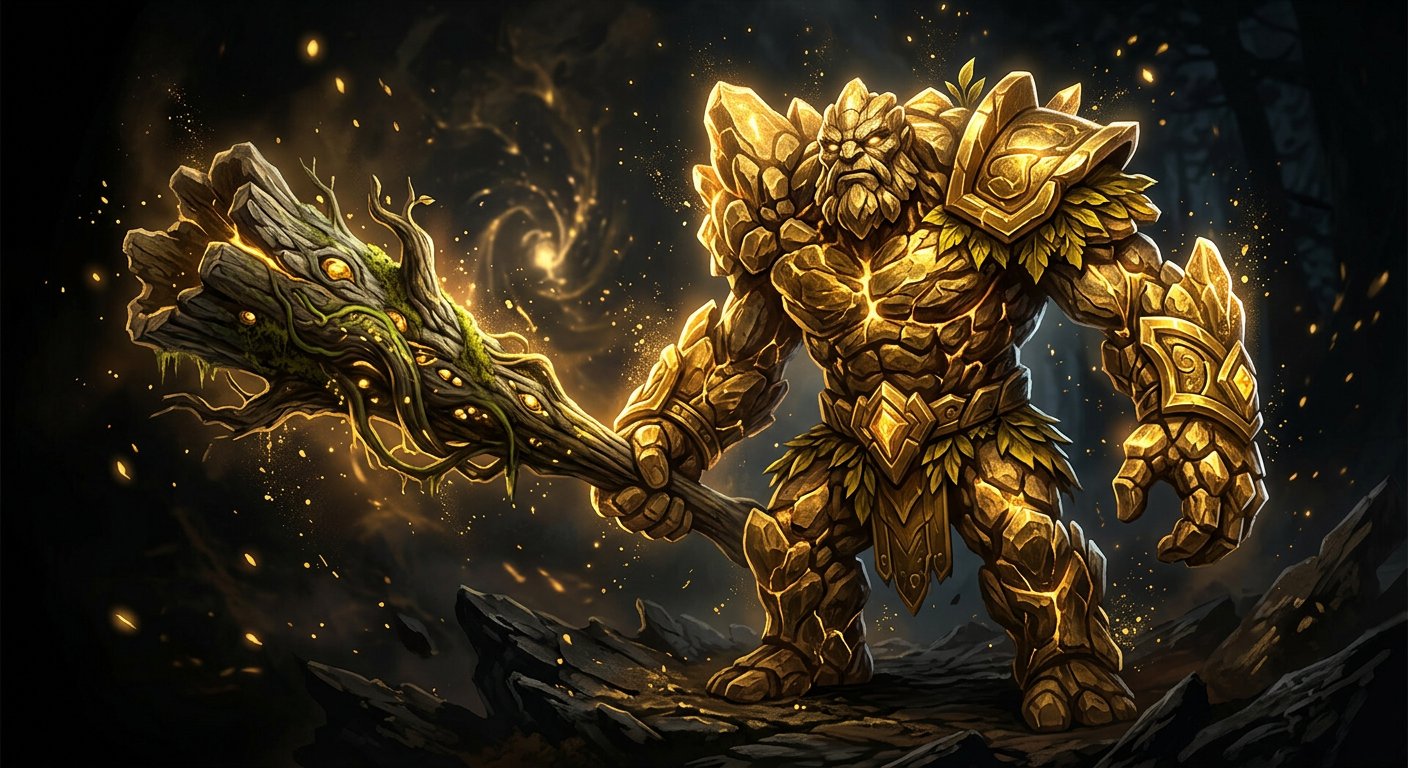
27 wins out of 50 picks — and Tundra alone went 9-1 with Tiny. That 90% win rate from the tournament champions is not a coincidence. Tundra understood something about Tiny in 7.40c that most teams were slow to figure out: the hero is not just a mid laner anymore. Position 4 Tiny is equally terrifying.
The Tiny-Shadow Fiend synergy was the backbone of Tundra’s entire tournament run. Toss a hero into a full Requiem and they just die. It sounds simple because it is — but executing it consistently at the pro level is what separates Tundra from everyone else.
The bzm Factor
In Game 1 of the grand finals, bzm’s mid Beastmaster went 17-2-6, which is absurd enough. But when Tundra pivoted Tiny to mid for Game 2, bzm secured a 12-minute Blink Dagger timing and proceeded to demolish Aurora with Avalanche-Toss combos. The game was effectively over by minute 15.
The lesson here is that Tiny’s burst window is genuinely one of the smallest in the game. Avalanche into Toss deals approximately 550 magic damage at level 7 before reductions. With a Blink Dagger, that combo comes from fog with zero counterplay if the target does not have a save.
Pub Translation: When to Pick Tiny
As mid: Pick Tiny into squishy mid laners who cannot survive the burst at level 7. Storm Spirit, Invoker, Puck, and QoP all struggle against a Tiny who hits the Blink timing on schedule.
As position 4: Pick Tiny when your team already has a farming core who benefits from Toss setups. SF, Sven, and Ursa all love having a Tiny throwing enemies into their face. Your job is not to farm — it is to make plays at every power rune.
Treant Protector — 170 Bans and Counting
Here is a stat that should make every Dota player sit up and pay attention: Treant Protector was banned 170 times at DreamLeague Season 28. He only made it through the draft 13 times. And when he did, he won 11 of those 13 games for an 84.6% win rate.
Let that sink in. This hero was so terrifying that professional teams — who practice against every hero in scrims — decided “no, we are not dealing with that” in over 90% of their drafts. Treant Protector is the single most feared hero in competitive Dota 2 right now.
What Makes Treant So Broken
The 7.40 rework of Living Armor fundamentally changed how this hero operates. The global heal is now strong enough to win any lane trade on the map from minute zero. Your mid gets ganked Living Armor keeps them alive. Your carry gets dove under tower Living Armor turns the fight. It creates an invisible safety net that disrupts the entire aggressive tempo teams try to play in the current meta.
On top of that, Overgrowth remains one of the most powerful teamfight ultimates in the game. A well-timed Overgrowth catches the entire enemy team, pierces BKB with the right talents, and sets up every other AoE spell your team has. The hero does not need items to be impactful — Arcane Boots into Refresher Shard gives you two Overgrowths per fight, which is basically a guaranteed won teamfight.
Should You Spam Treant in Pubs
Absolutely yes. Unlike some pro meta heroes that require coordination to work, Treant Protector is actually better in pubs than in pro play. Here is why:
- Pub players do not respect Living Armor. They will keep diving your teammates and lose trades they thought they would win.
- Overgrowth is easier to land when enemies group up poorly, which happens in literally every pub game.
- You do not need communication to use Living Armor — just watch the minimap and heal whoever is getting dove.
- The hero is simple to execute. No complex combos, no mechanical requirements. Just good game sense.
If you are looking to climb MMR fast, Treant is one of the highest win rate heroes at every bracket from Archon to Immortal right now. Our coaching sessions frequently recommend him for support players who want fast gains.
Warlock — The Lane Bully Nobody Expected
38 wins out of 69 picks (55.1% win rate). Warlock was the most reliably drafted support at DreamLeague, and his dominance comes down to one thing: Shadow Word got buffed into absurdity in 7.40c.
The numbers on Shadow Word right now are legitimately unfair for a basic ability. At max level, it heals 720 HP over its duration on an ally, or deals 720 damage to an enemy. That is more total damage than most ultimates. In the laning phase, trading with a Warlock lane is almost impossible because he just heals his carry back to full while simultaneously damaging you.
Fatal Bonds: The Hidden Carry
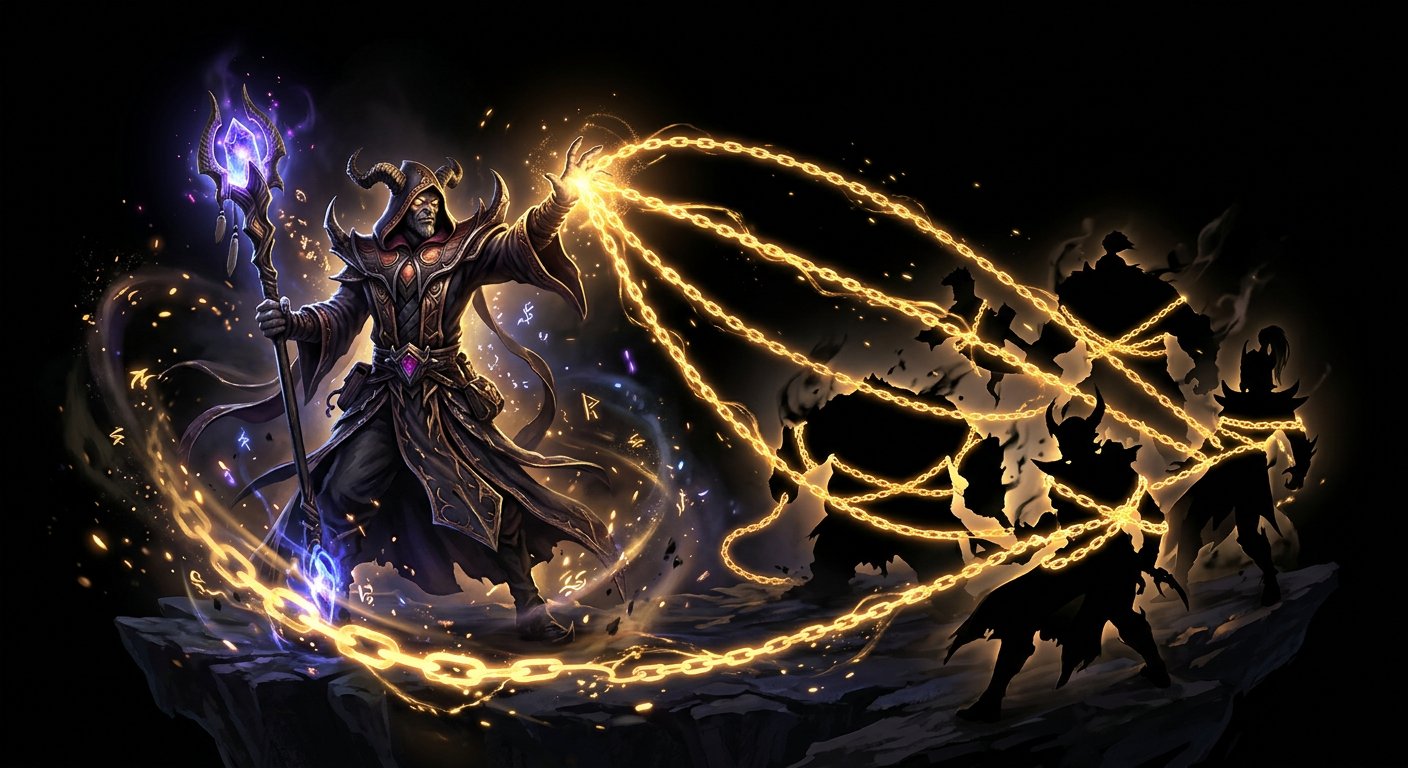
Pro teams are not picking Warlock just for the lane dominance though. Fatal Bonds in teamfights is basically a damage amplifier for your entire team. When you bond 4-5 heroes together, any damage one of them takes gets shared to all of them. Combined with AoE damage from heroes like Shadow Fiend, Kunkka, or Sven, a single good Fatal Bonds can deal thousands of damage across the enemy team.
At DreamLeague, Warlock was frequently the highest damage support in entire games — not through direct damage, but through Fatal Bonds amplification. This is the kind of value that does not show up on the scoreboard but wins teamfights.
Warlock’s Best Pairings
| Carry Partner | Why It Works | Pro Example |
|---|---|---|
| Shadow Fiend | Fatal Bonds + Requiem = team wipe | Tundra ran this combo repeatedly |
| Sven | Cleave damage spreads through bonds | Multiple teams throughout groups |
| Luna | Eclipse bounces amplified by bonds | Xtreme Gaming group stage |
| Phantom Assassin | Crit damage shared across bonded targets | BetBoom Team attempts |
Largo — From “Support” to Offlane Monster
32 wins out of 53 picks (60.4% win rate). Largo might be the biggest meta surprise of DreamLeague Season 28. When this hero was released, everyone assumed he was a support. Pros have now conclusively proven that offlane Largo is the correct way to play this hero.
The build is deceptively simple: sit in lane for 15 minutes, rush Aghanim’s Scepter, then become unkillable while buffing your entire team. Aghanim’s lets Largo play two songs simultaneously with Amphibian Rhapsody, meaning he can buff his team’s damage output while also healing them — at the same time.
Why Pros Love Offlane Largo
Marcus “Ace” Christensen on Tundra was one of the standout Largo players at DreamLeague. The hero fits perfectly into the current aura-stacking offlane meta that 7.40c favors. When Largo gets Aghanim’s + Guardian Greaves, he effectively gives his team a permanent stat advantage in every fight.
The hero is also extremely hard to kill. His base stats are tanky enough to survive the lane, and once he has Aghanim’s, the sustain from his songs makes diving him a losing proposition. Pro teams learned quickly that you either ban Largo or commit multiple heroes to shut him down — and even then, he often trades favorably.
Pub Application: The 15-Minute Rule
If you want to play Largo in ranked, here is the rule: your only goal for the first 15 minutes is getting Aghanim’s Scepter. Do not fight, do not rotate, do not chase kills. Farm the lane, stack the jungle if you can, and hit that 15-minute Aghanim’s timing.
Once you have it, group with your team and never stop fighting. Largo with Aghanim’s in a five-man push is almost impossible to deal with below Divine rank because teams do not coordinate well enough to focus you down. You just walk at towers with your songs running and your team heals through everything.
Item progression: Soul Ring, Arcane Boots, Aghanim’s Scepter, Guardian Greaves, then Refresher Orb or Lotus Orb depending on the game.
Kez — The Bait Pick You Should Probably Avoid
22 wins out of 50 picks (44% win rate). Here is where we need to have an honest conversation. Kez was one of the most picked heroes at DreamLeague, and he also had one of the worst win rates among contested picks. This hero is a trap for 99% of Dota players.
The problem is not that Kez is bad — his kit is genuinely overloaded. The problem is that he requires near-perfect execution to function. At DreamLeague, only true specialists like REKONIX’s Jikroy and Liquid’s miCKe could consistently make Kez work. Everyone else was essentially gambling.
The Momentum Problem
Kez is the most momentum-dependent carry in Dota 2 right now. Similar to Templar Assassin, dying once or twice as Kez feels catastrophic. You lose your stacks, you lose your tempo, and suddenly you are a melee hero with no escape trying to farm back into the game while the enemy carry freefarms.
In pro play, this was painfully obvious. Games where Kez got ahead early were stomps. Games where Kez fell behind even slightly were losses. There was almost no middle ground. At a 44% win rate across 50 games, the data speaks for itself: most pro teams cannot even make this hero work consistently.
The Pub Verdict
Unless you have 100+ games on Kez and genuinely understand his power spikes, do not pick this hero in ranked. You are far better off playing Shadow Fiend, who has a 20% higher win rate at DreamLeague and is significantly easier to execute. If you want to play a flashy carry, pick Faceless Void or Phantom Assassin — heroes that do not require perfection to function.
If you are working with a coach, Kez can be worth learning as a long-term project. But for climbing MMR efficiently, he is one of the worst choices you can make right now.
Your Pub Tier List Based on DreamLeague Data
Taking everything we learned from DreamLeague Season 28, here is how these meta heroes translate to pub play. Remember: pro meta does not always equal pub meta. Heroes that require team coordination drop in value, while heroes that work independently rise.
| Tier | Hero | Role | Pub Recommendation |
|---|---|---|---|
| S Tier | Treant Protector | Pos 5 | Best support to spam right now. 85% WR at DreamLeague. |
| S Tier | Shadow Fiend | Pos 1/2 | KnY build is dominant. First pick material. |
| A Tier | Warlock | Pos 5 | Lane bully + teamfight god. Easy to execute. |
| A Tier | Largo | Pos 3 | 15-min Aghs timing wins games below Divine. |
| B Tier | Tiny | Pos 2/4 | Strong but needs combos. Better with a duo queue partner. |
| B Tier | Jakiro | Pos 4/5 | Solid but not flashy. Good default support pick. |
| C Tier | Razor | Pos 3 | Aura build is fine but 37% WR is concerning. |
| D Tier | Kez | Pos 1 | Avoid unless you are a specialist. 44% WR at pro level. |
Honorable Mentions
A few other heroes worth noting from the tournament data:
- Puck — 72.4% win rate in the group stages. Still one of the best mids if you can play him.
- Beastmaster — bzm’s 17-kill game in the grand finals showed the hero’s ceiling. Good in coordinated play.
- Phoenix — Aurora’s kaori showed how lane-winning Phoenix can be with proper positioning.
- Faceless Void — Nightfall’s 12-kill Void in Game 3 reminded everyone this hero still exists.
The bottom line is this: if you want to climb MMR in March 2026, your hero pool should include at least two of the S/A tier heroes above. Treant and Shadow Fiend are the safest bets. If you are struggling to break through a rank plateau, our calibration service can help you start the season at the right MMR, and our Immortal-level coaches can help you master these meta heroes faster.
Frequently Asked Questions
DreamLeague Season 28 was played entirely on patch 7.40c. This is the current live patch as of March 2026. No 7.40d has been released yet, so the tournament meta directly applies to your ranked games right now.
Tundra Esports won 3-1 over Aurora Gaming in the grand finals on March 1, 2026. Tundra took home $290,000 and 5,010 ESL Pro Tour points. This was their third title of the 2025-2026 season after BLAST Slam IV and BLAST Slam V.
Based on DreamLeague Season 28 data, Treant Protector is the most feared hero (84.6% win rate, 170 bans), while Shadow Fiend is the best core (64.6% win rate across 48 games). For pub play specifically, both are S-tier picks right now.
Not unless you are a specialist with 100+ games on the hero. Kez had a 44% win rate at DreamLeague Season 28 even among tier-1 professionals. The hero is extremely difficult to pilot and punishes mistakes harder than almost any other carry. Stick to Shadow Fiend or Faceless Void for a similar playstyle with better results.
The meta build is Bottle, Power Treads, Kaya and Yasha, BKB, then Aghanim’s Scepter or Satanic. Max Razes first, aim for KnY by 16-17 minutes, and start fighting with your team once you have KnY + BKB. SF’s power spike is in the mid-game — do not try to outfarm late-game carries.
Position 3 offlane. Despite initial assumptions that Largo was a support, DreamLeague Season 28 proved conclusively that offlane Largo with a 15-minute Aghanim’s Scepter timing is the optimal way to play this hero. He had a 60.4% win rate from the offlane at the tournament.
The next major event is Wallachia Season 4, expected in mid-March 2026. Tundra and Aurora are currently 1st and 2nd on the ESL Pro Tour leaderboard, which determines qualification for the Esports World Cup 2026. The top 12 teams on the leaderboard earn a spot.
Ready to Climb TeamSmurf Has Your Back
Now that you know which heroes are dominating the meta, it is time to put that knowledge to work. Whether you want to grind MMR yourself or get a boost from our Immortal-rank players who actually use these exact heroes and builds, we have got you covered.