

Dota 2 7.41f Offlane Guide

Dota 2 7.41f offlane is not won by the player who has the highest net worth at minute 10. It is won by the player who makes the enemy safe lane feel unsafe, then arrives at the first two fights with a real timing instead of one component and a teleport on cooldown.
This guide is for players who want a repeatable 7.41f offlane plan: lane pressure, first-item logic, tower conversion, and the fight calls that stop a good lane from becoming a pointless farm race. The patch has already produced plenty of support-focused advice. The offlane angle is different: you are the player who has to make the map small for the enemy carry.
Table of Contents
The Dota 2 7.41f Offlane Plan
The clean 7.41f offlane plan is simple: secure levels, force the carry to spend resources, take the safe-lane tower when it is actually available, then use your first item to start fights where your mid and supports can arrive. You are not a second carry. You are the player who decides whether the enemy gets a quiet triangle and three protected waves.
Most losing offlane games follow the same script. The offlaner wins a few trades, shoves every wave without a ward, dies to a support rotation, returns to lane angry, and farms the dangerous part of the map for six more minutes. The scoreboard may say the lane was fine. The game is not fine because the enemy carry is now free and your own team has no forward position.
| Game minute | Your default job | What success looks like |
|---|---|---|
| 0-3 | Establish equilibrium and deny access | Carry spends regen or misses a ranged creep |
| 3-6 | Break the pull and create a kill window | Support cannot pull safely; wave reaches their tower awkwardly |
| 6-10 | Use level and item spike | Carry leaves, dies, or tower becomes vulnerable |
| 10-16 | Convert your first item into map pressure | Enemy must react with two or more heroes |
| 16+ | Start the correct fight | Your team takes objective space after the pick |
Draft an Offlaner for a Job, Not a Comfort Pick
The best Dota 2 7.41f offlane hero is the one that solves the draft’s missing job. That can be reliable initiation, aura delivery, wave access, building pressure, or a way to punish a greedy safe lane. Picking a comfort hero without checking that job is how teams end up with three cores that all want the fight to begin after someone else stuns first.
Three questions before the horn
- Who starts? If your mid is a farming hero and your position four has a conditional stun, choose an offlaner that can make the first contact without gambling the game on a smoke.
- Who shows waves? A hero that can safely clear a side wave lets your team hold map pressure without sending the carry into fog.
- Who hits the tower after a win? Teamfight damage is not conversion. If your lineup cannot touch buildings, one good fight often produces nothing.
Use the lane matchup as a tiebreaker, not your only draft criterion. A hero that wins lane but cannot initiate into the enemy save supports can become irrelevant after minute 15. Conversely, a slightly uncomfortable lane is playable if your hero gives your team the one spell that turns a smoke into Roshan space or a tower.
For hero and matchup ideas, compare your draft against Team Smurf’s 7.41f hero tier list, then decide what the game needs before copying a build.
Win the Lane by Controlling Waves
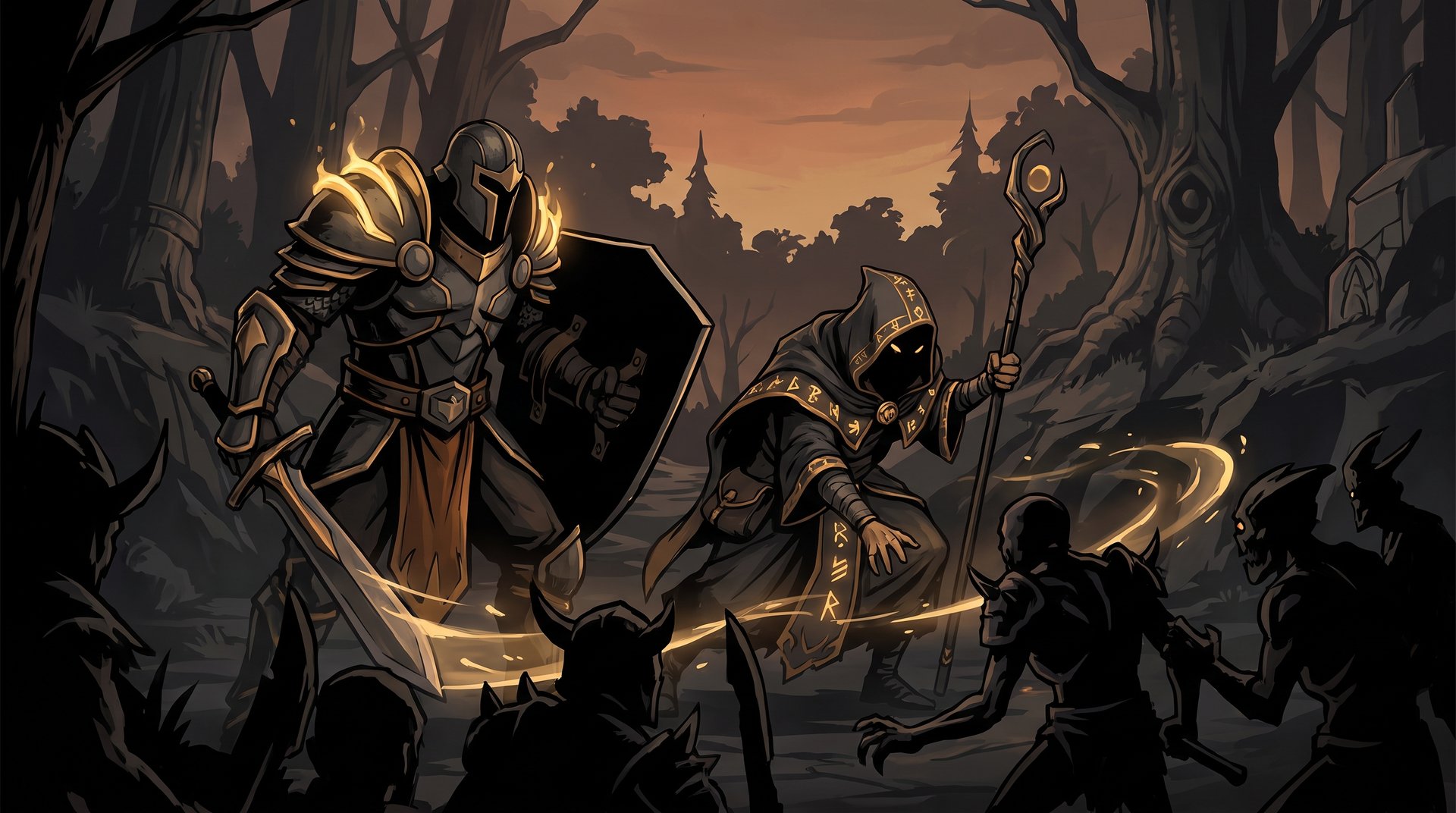
The offlane is a wave-management lane disguised as a brawl. Trading matters because it changes who can stand near creeps. When you understand that, you stop using every spell on the enemy hero and start using spells to make the next thirty seconds impossible for them.
Level one: protect the first ranged creep
The first ranged creep is your first real negotiation with the lane. Position close enough that the enemy has to choose between hitting you and securing it. If you have a ranged position four, use that range to make the enemy support reveal their own commitment. Do not chase behind their creep wave for cosmetic damage. You lose your own deny position and invite the support to trade you back for free.
Pull discipline is offlane discipline
When the enemy hard support leaves to pull, do not automatically chase the carry. First decide whether you can cut the next wave, block the camp, or kill the current wave fast enough to make the pull bad. The answer changes with your hero’s wave clear, your four’s health, and where the enemy mid could rotate from.
If you cannot contest the pull safely, tell your four to keep vision and preserve resources. A failed camp contest that costs two salves is worse than giving up one wave. Good offlaners make low-variance decisions while waiting for the one high-value opening.
When to drag the wave
Drag or cut only when it creates a known advantage: your lane is unwinnable head-on, the enemy support cannot punish you, or you need to reset a bad equilibrium before your level spike. It is not a default display of skill. A cut wave with no exit route is just a donation to the enemy support rotation.
Build for the First Fight, Not the Demo Screen
Offlane items should answer a question. Blink-style initiation answers “how do we begin?” Auras answer “how do we survive their first spell cycle?” A dispel or mobility item answers “how do I remain a threat after they target me?” If you cannot say which question your next item answers, you are probably buying a habit.
| Team problem | Item direction | Decision test |
|---|---|---|
| No reliable start | Initiation timing | Can your team follow the jump immediately? |
| Magic burst and chain control | Durability or resistance | Does it let you cast a second rotation? |
| Enemy escape and split push | Catch and mobility | Can you force a fight before they reset? |
| Physical right-click lineup | Armor or team protection | Does it keep your backline alive through commitment? |
| Your team cannot end fights | Objective or disable utility | Does it turn a kill into a tower or Roshan area? |
The important 7.41f habit is checking your item timing against the opponent’s next movement, not your own net worth graph. If the enemy carry is about to finish their first farming item, your best response may be to move with the incomplete component you already have. A smoke with two supports and a level advantage can be worth more than waiting for a perfectly clean purchase while the map disappears.
Do not copy a pro build in a vacuum. Pro games have coordinated saves, lane swaps, and information that your ranked team does not. In pub Dota, an item that lets you show up to a fight on time is often stronger than the theoretical highest-value aura finished four minutes later.
Take the Tower, Then Occupy the Useful Side
Taking the safe-lane tower is only half of an offlane conversion. The real prize is the area around it: access to deep vision, a safer route to invade, and a side lane that forces the enemy carry to choose between farm and safety. If you take the tower and instantly teleport to defend your own safe lane, you often give all of that back.
After the tower falls, make one clear call. Either hold the enemy side with wards and a support, rotate mid to remove the next outer tower, or use the pressure to enter the enemy jungle. What you should not do is split into five separate farming patterns while the enemy carry begins their recovery route.
Show the wave with a purpose
Showing an aggressive wave is powerful because it creates information. If two enemies reveal to deal with it, your team can take the opposite map. If nobody reveals, you can keep pushing or set a trap. The mistake is showing the wave without teammates nearby, wards behind you, or a teleport plan. That does not create pressure; it creates a highlight clip for the enemy.
Support players can pair this plan with the 7.41f support smoke guide. An offlaner who tells their supports where the next kill converts into space is far more useful than one who only says “smoke” after the fight has already passed.
Start Fights That Your Team Can Actually Win
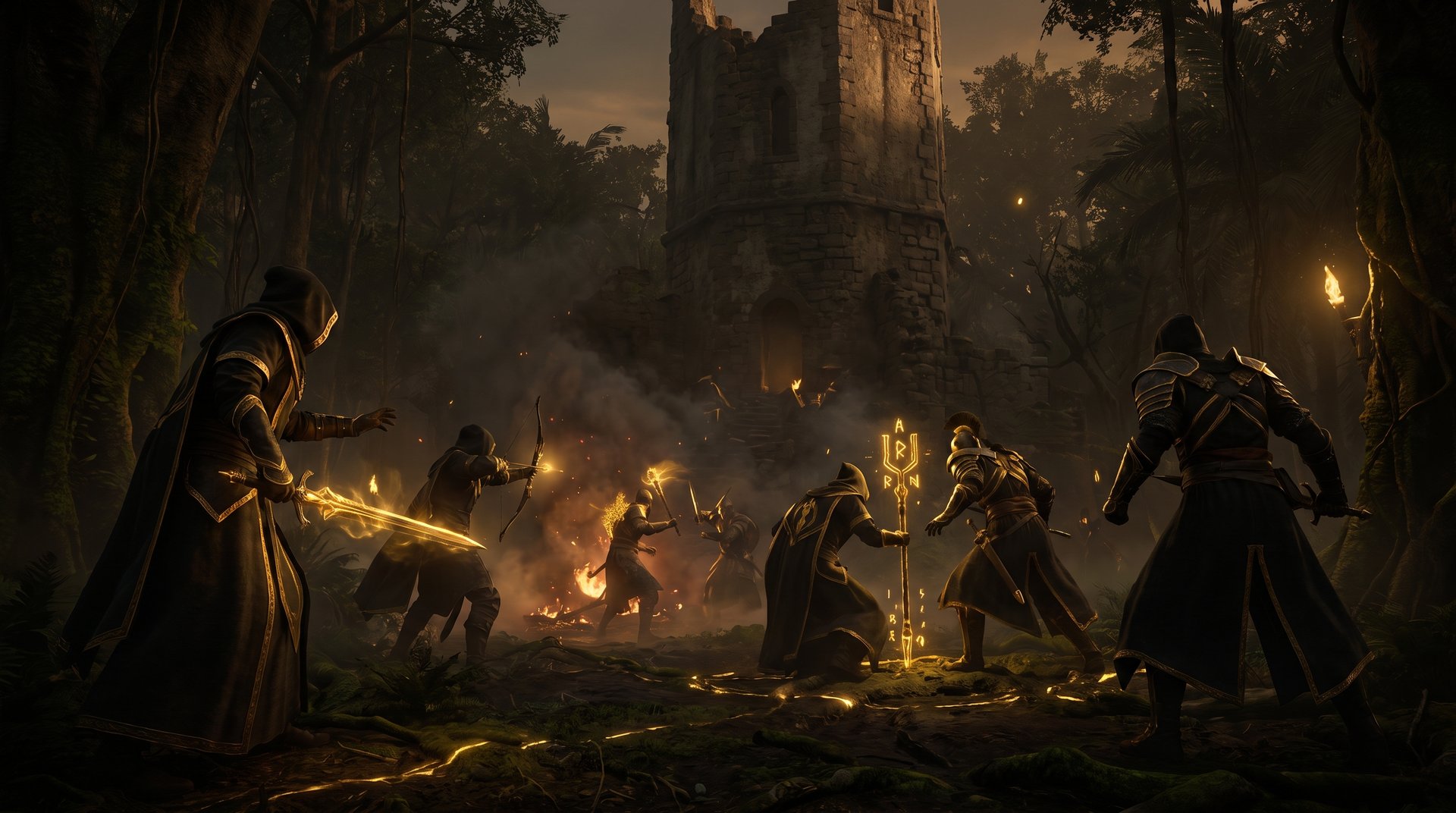
The best offlane initiation is not always the first body you see. It is the target whose death breaks the enemy’s response. Against a lineup built around defensive support spells, forcing that support to use a save early can be better than committing every cooldown on the enemy carry. Against a split-push team, catching the mobile core before a wave reaches your tower can be worth more than a low-percentage high-ground attempt.
Count spells before you commit
In Immortal games, the offlaner who counts enemy answers wins more fights than the offlaner with the fastest fingers. Identify the stun that stops your entry, the save that ruins your target, and the spell that kills your backline. Make your first move force one of those spells, then decide whether the fight is still yours.
Do not treat every cooldown as permission to dive. A successful initiation needs follow-up damage, a route to the next objective, and enough information that you are not walking into three heroes behind the target. If two of those are missing, reset. Your hero will get another jump; your team may not recover from an avoidable death near Roshan.
Five 7.41f Offlane Mistakes That Lose MMR
- Buying the same build every game. Your item choices should react to enemy damage, save, and mobility.
- Shoving the lane without vision. Pushing creates a rotation window. Respect it before the enemy uses it.
- Winning lane and farming your own triangle. You handed the enemy carry the map you were supposed to take.
- Jumping the first visible hero. Make the target choice based on spells, not proximity.
- Calling a fight without an objective. A kill is temporary. A tower, Roshan area, ward line, or stolen jungle is lasting value.
If you are stuck because every game feels different, that is exactly why focused review helps. A session with a Dota 2 coaching specialist can identify whether your losses begin in lane equilibrium, item timing, or midgame map calls. If your goal is simply to reach the bracket where games fit your available time, see the practical options in Team Smurf’s Dota 2 MMR boost service and read the site’s guide on safe Dota 2 boosting first.
A Practical Replay Review Framework
Most players review an offlane loss by watching the final fight and deciding that their team did not follow. That is usually the least useful place to start. The fight that feels decisive is often only the bill for a bad decision made six minutes earlier: an unnecessary death, a wasted teleport, an item timing that did not match the map, or a tower that fell without anyone using the new space.
Use a short review instead. Open the replay and stop at four checkpoints: the first ranged creep, the first enemy pull, your first death or forced reset, and the first minute after your major item. Ask one question at each stop: did my action create a better next wave, a better next fight, or better map access? If the answer is no, it may have looked active but it was not productive.
Checkpoint one: the first three waves
Do not only count last hits. Check where the creeps met and why. If the wave sat under the enemy tower, did you push it with a spell at the wrong moment? If it sat under your own tower, did you fail to contest a pull or avoid a trade that would have forced the carry away? Good offlane play is not about keeping the wave in one perfect spot. It is about putting it in the spot that gives your pair the next useful choice.
Also inspect resource trades. When you use a salve, it should buy something. It might let you contest a ranged creep, stand between the carry and a pull, or threaten a kill at the next level. If it only lets you return to the same losing position, your starting items or first two trades need work.
Checkpoint two: the first rotation
Every position four leaves eventually. When that happens, pause the replay and look at what information you had. Was the enemy support visible walking to the camp? Did your mid show on the minimap? Did you have a ward, a teleport, or a safe route behind your own creeps? The important lesson is not that rotations are dangerous. It is learning the exact signals that make a rotation likely before it arrives.
If you died, do not write it off as a gank. Work backwards. Which wave did you show? Did you hit the tower alone? Could you have waited for your support to break fog first? Offlaners gain a huge amount of MMR by treating enemy absences as information instead of bad luck.
Checkpoint three: your first item
At the moment your first major item arrives, look at the map rather than your inventory. Which enemy hero can you now pressure? Which teammate can follow you? Which lane has a wave that creates a reason for enemies to show? A timing without a target is just a purchase. The best offlaners turn it into a call within the next minute.
There is a useful distinction here. Some games demand you use the timing immediately because the enemy carry is weak and the map is open. Other games demand you show one more wave, wait for a support to arrive, and make the same move with vision. The goal is not maximum aggression. The goal is maximum conversion.
Checkpoint four: after the first fight
After a successful fight, rewind ten seconds and identify the first available objective. Was there a tower? A ward hill? An enemy jungle entrance? A Roshan setup? If your team scattered to farm after a three-for-zero trade, the review should focus on the call that was missing, not the last hit you could have taken.
Make the next objective easy to say in advance. “Kill their support then ward triangle” is a real plan. “We fight and see” is not. Your teammates do not need a lecture; they need a short destination that makes the smoke or initiation worth taking.
Communication that actually helps a pub team
Offlane calls work best when they name the next action and the reason. Say “show top, then smoke behind their safe lane ward” instead of “play aggressive.” Say “do not defend bottom without buyback; take mid tower after they show” instead of “give it.” These calls reduce the decision load for teammates and prevent the common situation where your support thinks you want a fight while you are only trying to force a rotation.
Keep the language short after the fight starts. A single target, a single retreat route, or a single objective is enough. The offlaner often has the clearest view of the frontline, but that does not mean you need to narrate every spell. Make the map call before contact; make the survival call during contact; make the objective call when the fight ends.
Dota 2 7.41f Offlane FAQ
Turn Better Offlane Calls Into Better MMR
Need a sharper read on your drafts, item timings, or midgame map calls? Team Smurf pairs Dota 2 players with specialists who understand ranked pressure.
Explore Dota 2 CoachingSee MMR Boost Options



