Viper Guide Dota 2 (2026): Mid & Offlane Builds That Win

Viper is one of the most oppressive dual-role heroes in Dota 2. In patch 7.41e, he is a genuine meta pick both in mid lane and as a pos-3 offlaner — two roles, one hero, and a toolkit that punishes greedy opponents in completely different ways depending on where you play him. The post-TI 2026 meta has settled into durable physical carry lineups, and Viper slots perfectly into that environment: he disrupts carries with Nethertoxin break, slows any escape with Poison Attack, and shuts down team fights with Viper Strike from either role.
This guide covers both roles end to end for patch 7.41e. You will find the correct skill builds, item orders, facet picks, talent choices, and matchup data for mid Viper and offlane Viper — with clear reasoning for every decision. Whether you are a mid player who wants a lane bully with a clean path to late game, or an offlaner looking for a hero who can win matchups through sheer attrition, this is the guide for you.
Table of Contents
Why Viper Works in Both Roles in Patch 7.41e
Patch 7.41e has been live since early August 2026 and the meta is settled. Community data from Batru.gg across more than 2.5 million ranked matches shows the post-TI environment favoring tanky physical carries and sustained-damage frontliners — exactly the environment where Viper thrives. The patch has not nerfed his core toolkit since 7.40, and the item pool in 7.41e gives Viper strong options at every timing window.
What changed in 7.41e that matters for Viper players:
- Sange base strength increased from 26 to 30 — Sange and Yasha and Kaya & Sange are slightly stronger, which benefits Viper’s right-click and mixed damage builds
- Satanic cooldown increased from 30s to 40s — enemies relying on Satanic to survive your Viper Strike window have a wider gap between uses, making Viper Strike harder to play around
- BKB remains a primary counter pre-level 20, but Viper’s level 20 talent (Poison Attack Pierces Spell Immunity) makes late-game BKB less effective against him than it is against most heroes
The dual-role viability comes from how the post-TI 2026 draft pool has evolved. Against right-click heavy safelane cores, offlane Viper is one of the few heroes who trades and wins because Corrosive Skin punishes every attack. Against mobile mid laners or high-passive heroes like Phantom Assassin (post the 7.41e undispellable buff) or Bristleback, Viper’s Nethertoxin break is game-changing. Team Spirit’s TI 2026 victory on August 23 cemented a meta that favors durable, fight-forward heroes — and Viper fits that archetype cleanly in both mid and offlane.
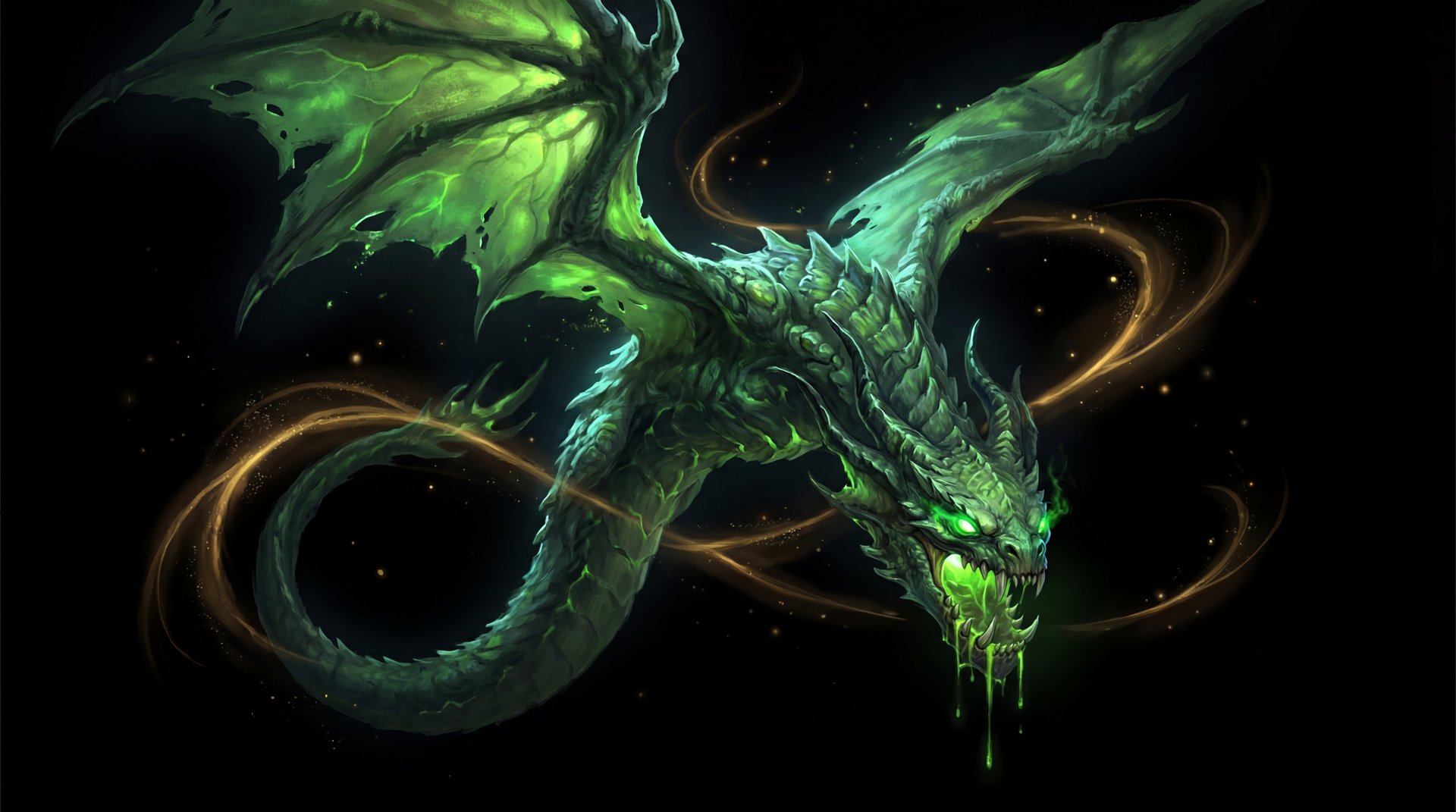
Abilities Deep Dive
Poison Attack (Q)
Poison Attack is an attack modifier that adds magic damage over time and a stacking movement slow. Each stack is independent — every right-click refreshes its own duration timer, so consistent attacks keep maximum stacks rolling on a target. At max level, each stack deals 16 magic damage per second for 4 seconds and applies a stacking movement slow that becomes crippling with multiple stacks active simultaneously.
Key hidden mechanics:
- Manually casting Poison Attack (press Q, then click the target) does not draw creep aggro — this is Viper’s signature harassment tool in the laning phase
- Poison Attack is an orb effect; manually casting overrides autocast and gives you complete control over when the slow and DoT applies
- The slow stacks multiplicatively with Eye of Skadi and Hurricane Pike active, creating near-zero movement speed for any target in the late game
- At level 20, the talent makes Poison Attack pierce spell immunity — enemies inside BKB are no longer safe from the slow or damage
Skill priority: Max Poison Attack first in 95% of games. Going from level 1 to level 4 triples the DPS per stack. The exception is picking into passive-reliant carries like Phantom Assassin, Bristleback, or Wraith King — in those drafts, 2 points in Poison Attack and then max Nethertoxin gets break online faster.
Nethertoxin (W)
Nethertoxin creates a toxic AoE ground pool that deals damage and applies Break to any hero standing in it. Break disables all passive abilities — this is the most strategically valuable ability in Viper’s kit in the 7.41e meta, where the most popular carry heroes rely heavily on passives for their effectiveness.
Break targets worth noting right now: Wraith King (Reincarnation passive, Mortal Strike), Phantom Assassin (Blur evasion, Coup de Grace), Bristleback (damage reduction passive), Huskar (Berserker’s Blood attack speed), Lifestealer (Feast lifesteal), Spectre (Dispersion). All of these heroes are in the post-TI 2026 meta and all of them have dramatically reduced effectiveness under Nethertoxin break.
Pool mechanics: 8 seconds at max level, damage ramps over duration. Nethertoxin destroys trees in its area (useful for checking ward spots and scouting rosh pit) and provides vision of its area for the duration. Place it on corners of the Roshan pit before entering to check for enemy presence without committing your hero to a dangerous position.
Corrosive Skin (E)
Corrosive Skin provides passive magic resistance and applies a damage-over-time plus attack speed slow to any unit that attacks Viper or targets him with a spell. At max level: up to 25% magic resistance passively, and attackers receive -64 attack speed and a damaging debuff for 8 seconds.
In the right-click carry meta of 7.41e, this passive turns every trade into an unfavorable math problem for opponents. A carry hitting Viper is simultaneously losing attack speed and taking DoT damage — while Viper takes 25% less magic damage on every exchange. The attack speed reduction at -64 is not cosmetic. Against a 200 attack speed carry, dropping them to 136 is roughly a 32% DPS reduction. Combined with Poison Attack stacks slowing their movement and Viper’s own attack output, the trade math almost always favors Viper unless the enemy has a pure damage source or a dispel.
Viper Strike (R)
Viper Strike applies an extreme multi-second slow (60/70/80% movement and attack speed) with sustained damage per second for 5 seconds. At level 3, this is effectively a 5-second near-disable that deals significant damage per second while completely preventing the target from fighting or fleeing.
Aghanim’s Scepter transforms this ability. The cooldown drops to approximately 10 seconds and the ability now affects all enemies in a radius on cast. Every team fight, you can slow the entire enemy group simultaneously. This is the single most important item purchase decision for Viper in nearly every game — the upgrade from 35s single-target to 10s AoE changes everything about how you play mid and late game.
Facets — Which to Pick in 7.41e
Viper has two facets that alter how his kit functions. Choosing the right facet for your role and the enemy draft is the first decision you make in every game.
| Facet | Best For | When to Pick |
|---|---|---|
| Vile Frenzy | Mid Viper, 1v1 lane dominance | Default mid lane pick. Simplifies micro, produces consistent DPS, strongest in extended right-click trades. |
| Corrosive Presence | Offlane Viper, teamfight frontliner | Best when you are in proximity to multiple enemies during laning and team fights. Exceptional against grouped-up lineups. |
Recommendation for 7.41e: Vile Frenzy is the default for mid. The always-on Poison Attack removes one variable from lane micro and produces more consistent harassment. For offlane, Corrosive Presence maximizes your value as a frontliner because you are physically near multiple enemies constantly, and the radiating debuff punishes aggressive carries who try to run up and kill you.
Viper Mid Guide (7.41e)
Mid Skill Build
- Level 1: Poison Attack
- Level 2: Corrosive Skin
- Level 3: Poison Attack
- Level 4: Nethertoxin
- Level 5: Poison Attack
- Level 6: Viper Strike
- Level 7-9: Max Poison Attack, 1 more Nethertoxin
- Level 10: Talent (+200 HP default)
- Level 11: Viper Strike level 2
- Level 12-14: Max Nethertoxin, then Corrosive Skin
Against PA, Bristleback, or Huskar: 2 points in Nethertoxin by level 5. Getting break online early removes those heroes’ primary defensive mechanic before they reach their first item. In patch 7.41e, PA’s debuff is undispellable — land Nethertoxin break on her before she gets Battlefury or Manta, and she loses her defining passive for the duration of every fight.
Mid Item Build
Starting: Tango, 2x Iron Branch, Circlet, Faerie Fire. The Circlet builds into Wraith Band, branches into Magic Wand.
Bottle is your first purchase or combined with Boots. Rune control is the mid laner’s primary advantage and your Poison Attack harassment wins rune contests at levels 2-3 against most opponents.
Power Treads is the default boot choice for mid Viper. Attack speed synergizes with Poison Attack stacks. Take Phase Boots if you need the active to catch mobile heroes or if you are snowballing into early fights.
Dragon Lance is the first major item and it is mandatory. At 1900 gold: +14 strength, +8 agility, +12 damage, and +140 attack range. The attack range is the key stat — it lets you Poison Attack from a distance where most mid laners cannot return fire. This is the item that makes Viper’s laning phase translate into mid game dominance.
Hurricane Pike (built from Dragon Lance) gives Viper one of the strongest mid game positions in the game. The Pike active lets you fly away from melee heroes trying to close the gap. Against mobile assassins who dive you, the 450-unit repositioning is a game-winning mechanic.
Aghanim’s Scepter: After Dragon Lance / Hurricane Pike, Aghs is the priority. 10-second AoE Viper Strike transforms every team fight. Aim for Aghs by 22-25 minutes. This is the benchmark that separates good mid Viper from great mid Viper. If you are struggling to climb MMR on Viper, Aghs timing is typically the first thing to examine in your replays.
Viper Offlane Guide (7.41e)
Offlane Role Identity
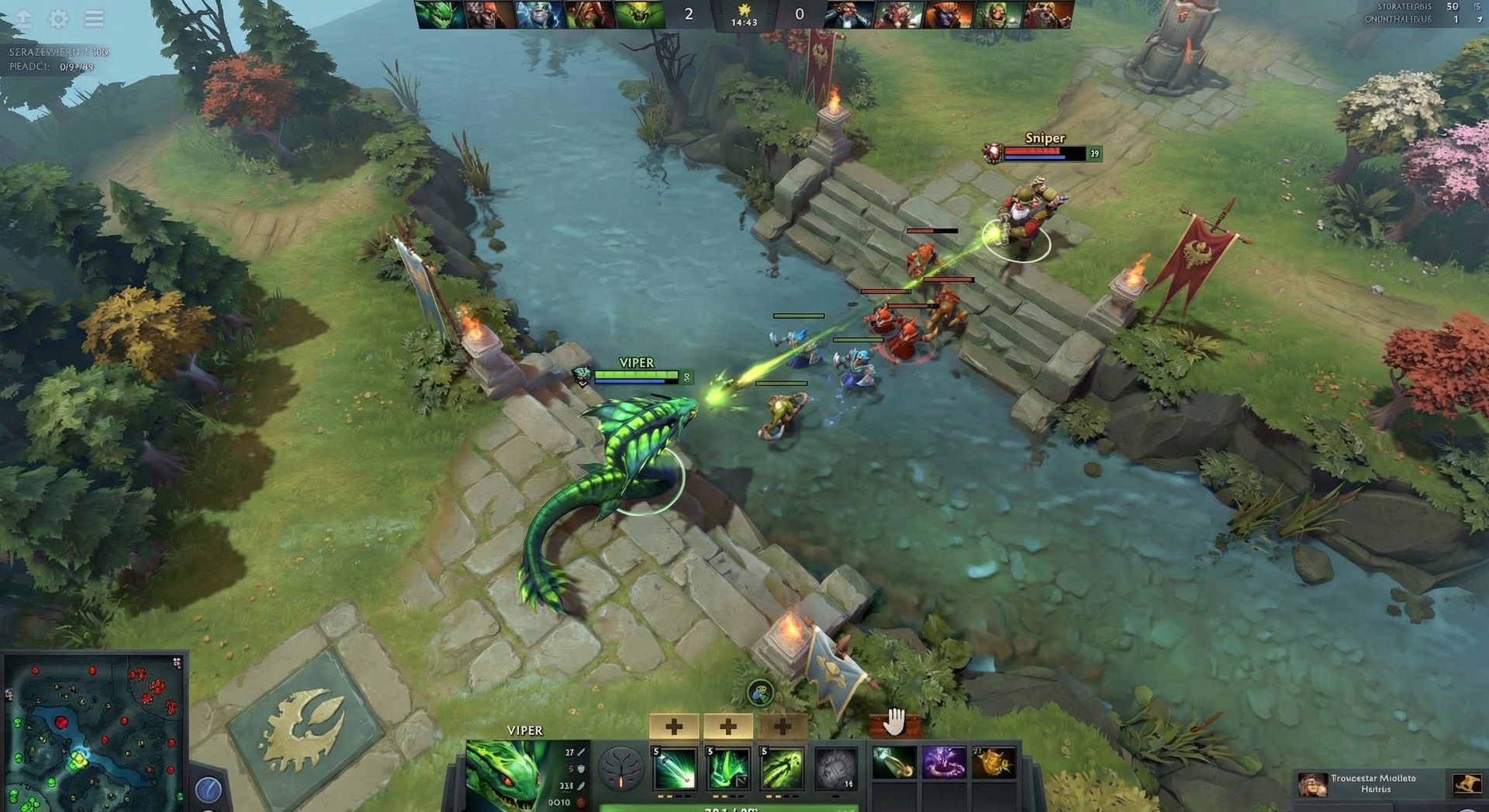
Offlane Viper is a frontliner whose job is to be an unkillable presence that disrupts the enemy carry’s laning phase, applies Nethertoxin break in early skirmishes, and becomes a team fight AoE slow machine after Aghs. You are not trying to kill the safelane duo at level 3 — you are denying them farm, breaking their passive at critical moments, and surviving long enough to reach your power spike at 20-25 minutes.
The 7.41e meta rewards offlane heroes who can absorb resources and convert them into mid-game relevance. Viper does this better than most offlaners because Corrosive Presence (if you took that facet) turns his mere proximity into harassment, and Nethertoxin provides break on a short cooldown at minimal mana cost.
Offlane Skill Build
- Level 1-4: 1 Poison Attack, 1 Nethertoxin, 2 Poison Attack, 2 Nethertoxin
- Level 5-7: Max Nethertoxin, then 1 Corrosive Skin level 2
- Level 6: Viper Strike level 1
- Level 8-11: Max Poison Attack
The early Nethertoxin emphasis applies break to the safelane carry during the critical 5-10 minute window where their passive is their primary source of power. An early Nethertoxin pool on top of the carry’s last hit position either forces them off the wave or removes their passive while they take it. Both outcomes delay their item timing.
Offlane Item Build
Starting: Tango, 2x Iron Branch, Circlet (into Bracer), Faerie Fire. Bracer gives the HP buffer needed to survive aggressive support pressure in early 2v1 situations.
Phase Boots over Treads for offlane. The Phase active catches carries who try to kite away from Corrosive Skin’s radius, and the armor is more relevant for a frontliner absorbing physical hits.
Vanguard is the strongest first major item for offlane Viper in 7.41e. The block is underrated in the physical carry meta. Vanguard builds into Crimson Guard, which gives your entire team a 6-second 70% block active. This is a first-tier team fight item right now and one of the best uses of 3000-4000 gold available to a position 3.
Aghanim’s Scepter is the identical power spike goal as mid. After Crimson Guard around 20 minutes, Aghs completes at 25-27 minutes and makes your position 3 a teamfight-winner every 10 seconds. The key advantage of offlane Aghs Viper versus mid Aghs Viper: you are already in the front of every fight, so the AoE Viper Strike hits the maximum number of enemies without requiring precise positioning.
Situational additions: Blademail vs physical-heavy lineups. Shiva’s Guard for mana and AoE slow. Linken’s Sphere against single-target disables (Bane, Doom). All of these pair well with Aghs and extend Viper’s front-line lifespan into the late game.
Item Build Tables (7.41e)
| Phase | Mid Viper | Offlane Viper |
|---|---|---|
| Starting | Tango, 2x Iron Branch, Circlet, Faerie Fire | Tango, 2x Iron Branch, Circlet, Faerie Fire |
| Early (5-10 min) | Bottle, Power Treads, Magic Wand, Wraith Band | Phase Boots, Bracer, Magic Wand |
| Core (15-20 min) | Dragon Lance into Hurricane Pike | Vanguard into Crimson Guard |
| Power spike (20-25 min) | Aghanim’s Scepter | Aghanim’s Scepter |
| Late game | Eye of Skadi, BKB, Butterfly, Bloodthorn | Shiva’s Guard, Linken’s Sphere, Blademail, Eye of Skadi |
The shared Aghs priority is intentional. AoE Viper Strike on a 10-second cooldown is the build-defining purchase for both roles. Every item decision before it should accelerate the Aghs timing, not delay it. A mid Viper with Dragon Lance + Hurricane Pike who then delays Aghs by buying BKB first loses the 22-minute team fight window that Aghs would have won. For analysis of which items are performing best in 7.41e generally, see the 7.41e item tier list.
Talent Tree Breakdown (7.41e)
| Level | Left Option | Right Option | Recommended Pick |
|---|---|---|---|
| Level 10 | +200 Health | +1s Poison Attack Duration | +200 Health — mid game survivability during the Dragon Lance window matters more than extended PA DoT |
| Level 15 | +90 Corrosive Skin DPS | -4s Viper Strike Cooldown | +90 Corrosive Skin DPS in winning games; -4s VS in defensive games where you need your ultimate more frequently |
| Level 20 | Poison Attack Pierces Spell Immunity | +25% Nethertoxin Max HP Damage | Poison Attack Pierces Spell Immunity — removes BKB as an effective counter in the late game |
| Level 25 | +500 Viper Strike Range | Viper Strike AoE on Cast | Viper Strike AoE if you did not buy Aghs; +500 range if you already have AoE via Aghs and want to hit backline supports |
Level 10 — Health wins: The +200 HP makes you harder to burst in the mid game around Dragon Lance timing. The +1s Poison Attack duration has situational value in a very slow-and-win game plan, but the HP is more universally correct.
Level 15 — Corrosive Skin DPS: 90 extra damage per second for 8 seconds on every attacker is a significant deterrent in team fights. Against an enemy team that is attacking you in fights (as they should be against a frontline Viper), this talent can deal several thousand damage over a long engagement. Take -4s VS cooldown only if you are getting kited out of fights and need more VS access.
Level 20 — Pierce Spell Immunity: One of the best level 20 talents in the game. BKB is the primary counter to Viper’s slows throughout the mid game. After level 20, a BKB-buying carry can no longer escape your Poison Attack stacks by pressing W. Combined with Aghs AoE Viper Strike, this makes Viper nearly unescapable in late-game right-click battles. If your games are going late, this talent is the one that wins them.
Laning Phase Mastery
Mid Laning
Viper’s mid lane win condition is attrition harassment — wear the enemy mid laner down to kill-range, then execute at level 6. The single most important mechanical habit: manually cast Poison Attack instead of using autocast. Manual casting never draws creep aggro. You deal damage to the hero, the creep wave ignores you, and you continue hitting without taking return fire from five melee creeps. Most Herald-to-Crusader Viper players use autocast. Not using autocast is the most impactful single mechanical improvement available to any mid Viper player.
Level 6 kill pattern: three manual Poison Attacks on the target, land Viper Strike (they are now near-stationary at 80% slow), place Nethertoxin directly under them, continue auto attacks. Against most mid heroes with under 70% HP at level 6, this is a kill. Against tanky heroes like Dragon Knight or Axe, you may need a second rotation — back off, wait 8 seconds for Corrosive Skin cooldown to expire, re-engage.
Offlane Laning
Offlane harassment is about zoning, not killing. Place Nethertoxin on top of the ranged creep each wave — the carry must either walk into break to last hit the ranged creep or miss the CS. Over 6-8 waves, this adds up to 3-4 missed ranged creep bounties and equivalent experience gaps. Use Corrosive Presence (if taken) to maximum value: stand 400-500 units from the duo’s position. The radiating debuff affects them without you attacking. The moment they step forward to last hit, they are already in your aura and taking damage.
Mid and Late Game
Viper’s power window is 15-30 minutes. This is when Aghs comes online and before enemy carries complete 5-6 item builds. The pattern is consistent across both roles:
- Pre-Aghs (35s cooldown): Save Viper Strike for kill confirmations in 1v1 or 2v1 situations. Gank mid with supports. Pick off supports who are caught out. Place Nethertoxin in every fight to deny enemy passive use.
- Post-Aghs (10s AoE cooldown): Fight every opportunity. Initiate by Viper Striking the most mobile or most dangerous enemy. Place Nethertoxin in the center of the enemy group. With Corrosive Presence, simply being in the fight is dealing damage to multiple enemies.
- Roshan: Take Roshan at 20-25 minutes after Aghs. Viper Strike reduces Roshan’s attack frequency and Nethertoxin deals significant damage to his HP pool. Teams with Aghs Viper Roshan noticeably faster than those without.
Late game beyond 40 minutes, Viper needs Eye of Skadi to remain dominant. The Skadi slow stacks with Poison Attack for near-zero movement speed on targets, and the HP and attribute gain extends your relevant combat window. Without Skadi, full-build carries begin out-trading you. The goal is always to close the game before enemies get to 6 items — use good tempo around mid-game advantages to accelerate your climb.
Counters — Heroes That Beat Viper in 7.41e
| Hero | Why They Counter Viper | How to Respond |
|---|---|---|
| Silencer | Global Silence stops Viper Strike and Nethertoxin cast timing. Intelligence drain reduces ability damage over time. | Buy BKB. Time your Viper Strike before Global Silence lands. Play around his 3-minute cooldown reset. |
| Slark | Dark Pact purges Poison Attack stacks and Corrosive Skin debuff. Essence Shift steals agility over multiple right-clicks. | Land Viper Strike before he uses Dark Pact. Build Aghs for near-constant ultimate availability. BKB blocks Pounce initiation. |
| Doom | Doom silences Corrosive Skin and all Viper abilities for 16+ seconds. Pure damage type bypasses magic resistance entirely. | Build Linken’s Sphere to block the cast. Stay grouped. Bait Doom, then have your team fight 5v4 while you are doomed. |
| Zeus | Global Thundergod’s Wrath deals pure damage anywhere on the map. Static Field at low HP converts any engage into a kill risk. | Build Hood of Defiance or Pipe for magic resistance stacking. Never go below 35% HP without BKB active. |
| Anti-Mage | Blink lets AM escape Viper Strike range. Counterspell reflects targeted spells. Scales significantly past Viper late game. | Fight AM early and often before Battlefury. Viper wins 1v1 vs AM in early mid game — delay that window if needed by roaming off mid. |
| Dark Seer | Surge gives ally heroes movement speed that partially negates Poison Attack’s slow. Wall of Replica clones your image. | Nethertoxin break removes Ion Shell passive from Surge-buffed targets. Prioritize Dark Seer in team fights as your first Viper Strike target. |
Heroes Viper Destroys in 7.41e
Viper’s favorable matchups are overwhelmingly passive-dependent heroes. In a meta where Wraith King, Phantom Assassin, Lifestealer, and Bristleback are all popular, Viper has more favorable matchups than at any point in recent history. See also the Wraith King guide for 7.41e to understand why he is the most-picked carry and why Viper hard-counters him.
| Hero | Why Viper Destroys Them |
|---|---|
| Wraith King | Nethertoxin break disables Reincarnation and Mortal Strike. Viper Strike prevents any combat attempt during the revive window. WK is the highest win rate hero in 7.41e and Viper is one of its hardest counters. |
| Phantom Assassin | Nethertoxin removes Blur (evasion) and Coup de Grace. PA’s key debuff may be undispellable in 7.41e, but Viper’s damage is magic-typed and bypasses PA’s physical damage interactions. Break makes PA a slow melee hero with average stats. |
| Bristleback | Nethertoxin disables Bristleback’s passive damage reduction. Without Bristle’s passive, he is a slow, low-damage hero with no sustain. Viper Strike prevents him from turning to angle the passive damage correctly. |
| Huskar | Nethertoxin removes Berserker’s Blood at the exact moment Huskar’s low HP would otherwise give him massive attack speed. Corrosive Skin punishes every low-HP attack Huskar makes with a debuff that returns to him. |
| Lifestealer | Nethertoxin disables Feast (lifesteal passive). Corrosive Skin reduces his attack speed. Viper Strike makes Infest-escaping extremely difficult. Lifestealer without Feast is dramatically weaker in any sustained fight. |
| Dragon Knight | Consistent Viper win in mid lane. DK has no meaningful escape from Poison Attack harassment and Viper Strike outclasses Elder Dragon Form in the 15-25 minute window that Viper owns. |
Tips and Tricks
- Combo setup — Nethertoxin before Viper Strike: use the cast animation delay to place the Nethertoxin pool on the target’s feet before Viper Strike animation completes. The moment they are slowed by the ultimate, they are standing directly in the pool and taking both simultaneously.
- Corrosive Skin as detection: if enemy supports are hiding in trees or just outside your vision, approaching and watching for the Corrosive Skin debuff icon appearing on heroes reveals their position without using a sentry.
- Hurricane Pike self-cast escape: mid Viper with Hurricane Pike can use the active on himself to fly 450 units away from melee heroes who close the gap. This is the same mechanic ranged carries use to kite Viper — use it proactively before you are in trouble, not reactively when you are already surrounded.
- Post-level 20 BKB bait: after the Poison Attack Pierces Spell Immunity talent, use auto attacks with Poison Attack to drain BKB duration on an enemy carry. Once BKB expires, land Viper Strike. Experienced opponents will save BKB for your ultimate — this changes the interaction entirely after level 20.
- Treads switching for Aghs mana: before casting Aghs-buffed Viper Strike in team fights, switch Power Treads to Intelligence for the cast, then back to Agility for right-click damage. Each switch adds roughly 130-150 mana at low cost.
- Deny under tower: Viper has above-average base damage and Poison Attack makes contested denies easier. Denying ranged creeps under your offlane tower costs the enemy carry both gold and experience. Over multiple waves this produces a significant timing gap.
For direct help with Viper mechanics and game sense, consider a session with TeamSmurf’s high-MMR coaches. We offer personalized replay reviews and live coaching for any rank. Check our Dota 2 coaching page for current availability.
Ready to Take Viper to the Next Rank?
Knowing the guide is only half the work. The other half is eliminating the mechanical habits that keep most players stuck at their current bracket. Our Immortal-rank coaches have reviewed thousands of Viper replays and can identify exactly what is holding your MMR back.