


Best Healer Heroes in Dota 2 (2026): Sustain Picks by Role

Not every support hero saves their carry with a last-second stun or an invulnerability frame. Some heroes do something quieter — and often more impactful over a full game: they keep the whole team topped up. Healers restore HP through direct spells, damage-absorbing shields that convert to health, passive regeneration auras, or sustained lifesteal that never lets the enemy punish a small mistake.
This list focuses specifically on heroes whose kit includes meaningful HP restoration — not displacement, not invulnerability, not barrier absorption. If you are looking for heroes that save teammates from a single burst kill, our best support heroes guide covers that angle. Here, we rank the heroes who restore the most raw HP across the lane phase and teamfights, organized by the role they play in-game.
Table of Contents
What Makes a True Healer Hero in Dota 2?
The word “healer” gets used loosely, so here is the distinction this guide uses. A healer hero restores HP — either through a spell that directly adds health to an ally, a passive that regenerates HP over time, a lifesteal-granting ability that lets allies recover by dealing damage, or a heal-over-time (HoT) that ticks across a fight. Heroes that prevent damage (spell immunity, displacement, barriers) do not make this list unless they also restore HP.
There are four primary heal delivery types in Dota 2:
- Burst heal: a single cast restores a large amount of HP instantly. Best for saving a teammate after a gank or topping up before a fight. Examples: Omniknight Purification, Soul Rip.
- Heal-over-time (HoT): HP restores gradually across several seconds. Better for sustaining through a long fight or a dangerous lane phase. Examples: Warlock Shadow Word, Treant Protector Living Armor.
- Lifesteal aura or buff: the hero grants allies a lifesteal percentage, meaning allies heal themselves by dealing damage. Very strong with high-attack-speed or multi-hit cores. Examples: Lifestealer Open Wounds, Enchantress in sustained fights.
- Passive self-regen: the hero regenerates HP without casting a spell, often scaling with damage taken or items. Examples: Dragon Knight Dragon Blood, Necrophos Sadist passive.
The best healer heroes combine two or more of these types, making them relevant across the laning phase, mid-game, and high-ground sieges. Understanding which type your team needs is as important as picking the healer itself — burst heals counter assassination-style enemies, while HoT healers counter sustained physical damage.
Quick Reference: Best Healer Heroes by Role
| Hero | Role | Heal Type | Best Bracket | Team Friendly? |
|---|---|---|---|---|
| Dazzle | Pos 5 | HoT + burst (Shadow Wave) | All brackets | Yes |
| Omniknight | Pos 5 / Pos 4 | Burst heal (Purification) | Herald — Ancient | Yes |
| Warlock | Pos 5 | HoT (Shadow Word) | Crusader — Legend | Yes |
| Oracle | Pos 5 / Pos 4 | HoT burst (Purifying Flames) | Archon+ | Yes |
| Undying | Pos 4 / Pos 5 | Burst heal (Soul Rip) | All brackets | Yes |
| Abaddon | Pos 5 / Pos 3 | Burst + absorption (Mist Coil) | All brackets | Yes |
| Chen | Pos 4 / Pos 5 | Global burst (Hand of God) | Legend+ | Yes |
| Io | Pos 5 / Pos 4 | HoT (Tether) | All brackets | Yes (tether partner) |
| Juggernaut | Pos 1 | AoE HoT (Healing Ward) | All brackets | Yes |
| Lifestealer | Pos 1 / Pos 3 | Lifesteal aura (Open Wounds) | All brackets | Team lifesteal |
| Phoenix | Pos 3 / Pos 5 | Beam heal + revival (Sun Ray) | Archon+ | Yes |
| Necrophos | Pos 3 / Pos 5 | AoE burst (Death Pulse) | All brackets | Yes |
| Treant Protector | Pos 4 / Pos 5 | HoT (Living Armor) | Herald — Legend | Yes |
| Enchantress | Pos 4 | Healing swarm (Nature’s Attendants) | Archon — Divine | Yes |
Best Hard Support (Pos 5) Healer Heroes
Position 5 healers are the backbone of the sustain-draft archetype. They operate with limited gold and need their heals to function on relatively low levels. The best pos 5 healers provide healing that scales on raw spell level, not on item investment.
Dazzle — Shadow Wave and Poison Touch Sustain
Dazzle is the benchmark healer in Dota 2. Shadow Wave bounces between heroes (both allied and enemy), dealing damage to enemies while healing allies it touches. At level 3 Shadow Wave, each cast can restore over 200 HP spread across multiple heroes in a chain, which is extraordinary for a level 5 pos 5 support. In the lane phase, Dazzle keeps his carry alive through aggressive enemy supports far more reliably than most healers, and his Shallow Grave provides a last-second save window for the heals to land.
Dazzle’s Poison Touch applies a slow and a small DoT, but the talent tree allows significant healing amplification at level 10 (bonus Shadow Wave heals) and level 15 (Mending Wave, which adds extra bounces). A level 15 Dazzle in a sustained fight is healing 3-4 heroes per Shadow Wave cast, providing hundreds of HP per second in aggregate during the 8-second Shadow Wave cooldown.
Main heal mechanic: Shadow Wave (AoE bounce, heals allies in chain).
Best bracket: Effective at every bracket. Shadow Wave is easy to execute and the heal is unconditional — no micro required.
Synergy note: Pairs with melee carries who fight in tight proximity (Lifestealer, Juggernaut, Axe) because the wave bounces more efficiently when heroes stand close. Stack Dazzle with another healer for oppressive sustain drafts in higher brackets.
Omniknight — Purification Burst Heal
Omniknight’s Purification is the single highest-burst heal in the game per cast at a low level: at level 1 it restores 120 HP to the target and deals 120 damage to enemies within 260 range, which outperforms most early-game consumables per cast. In lower brackets where enemies tend to bunch near their carry, Purification’s AoE damage pushes the lane while simultaneously sustaining your carry. The heal scales to 400 HP at max level with minimal item support.
Omniknight’s Guardian Angel — which grants full physical immunity — is not a heal, but it keeps allies alive long enough for Purification casts to restore the health back up, making him functionally the best lane-phase healer in the game when paired with an aggressive carry. On longer cooldowns than Shadow Wave, Omniknight relies on fewer, higher-value casts — learn to read when the enemy is about to burst and time Purification to absorb the follow-up damage window.
Main heal mechanic: Purification (targeted burst heal + AoE damage around target).
Best bracket: Herald through Ancient. In Divine and Immortal play, teams draft around Omniknight more deliberately and the counters (Silences, Black King Bar) appear more reliably.
Synergy note: Best with melee cores who run into the enemy team — the AoE damage from Purification gets maximized while the target gets healed. Excellent with Axe, Lifestealer, and Dragon Knight.
Warlock — Shadow Word Heal-Over-Time
Shadow Word applies a 5-second HoT that restores HP to an ally (or deals damage to an enemy). At level 2 it heals 75 HP per second for 5 seconds — 375 total HP — without any requirement for allies to be near enemies. This makes Warlock one of the rare healers who can top up an ally from range and safety, which matters in lane phases where the enemy is a long-range harasser. Shadow Word’s healing output is lower than Purification per cast but costs less mana and has a shorter cooldown, meaning Warlock sustains through extended harassment more consistently.
Warlock’s Fatal Bonds plus his Golem are fight-closers, but during the lane phase and before fights, Shadow Word does quiet, consistent work keeping the carry’s HP above the danger threshold. The dual-use as both a heal and a damage tool makes it one of the most versatile support spells available at early levels.
Main heal mechanic: Shadow Word (targeted HoT, 5 seconds).
Best bracket: Crusader through Legend. In Herald and Guardian brackets, players often under-use Shadow Word as a healing tool. From Archon upward, the healing value is maximized and the hero’s win rate reflects that.
Synergy note: Works with any carry. Especially strong when paired with Dazzle or Treant Protector in a double-sustain lane — enemies cannot trade into a lane where every hit gets erased.
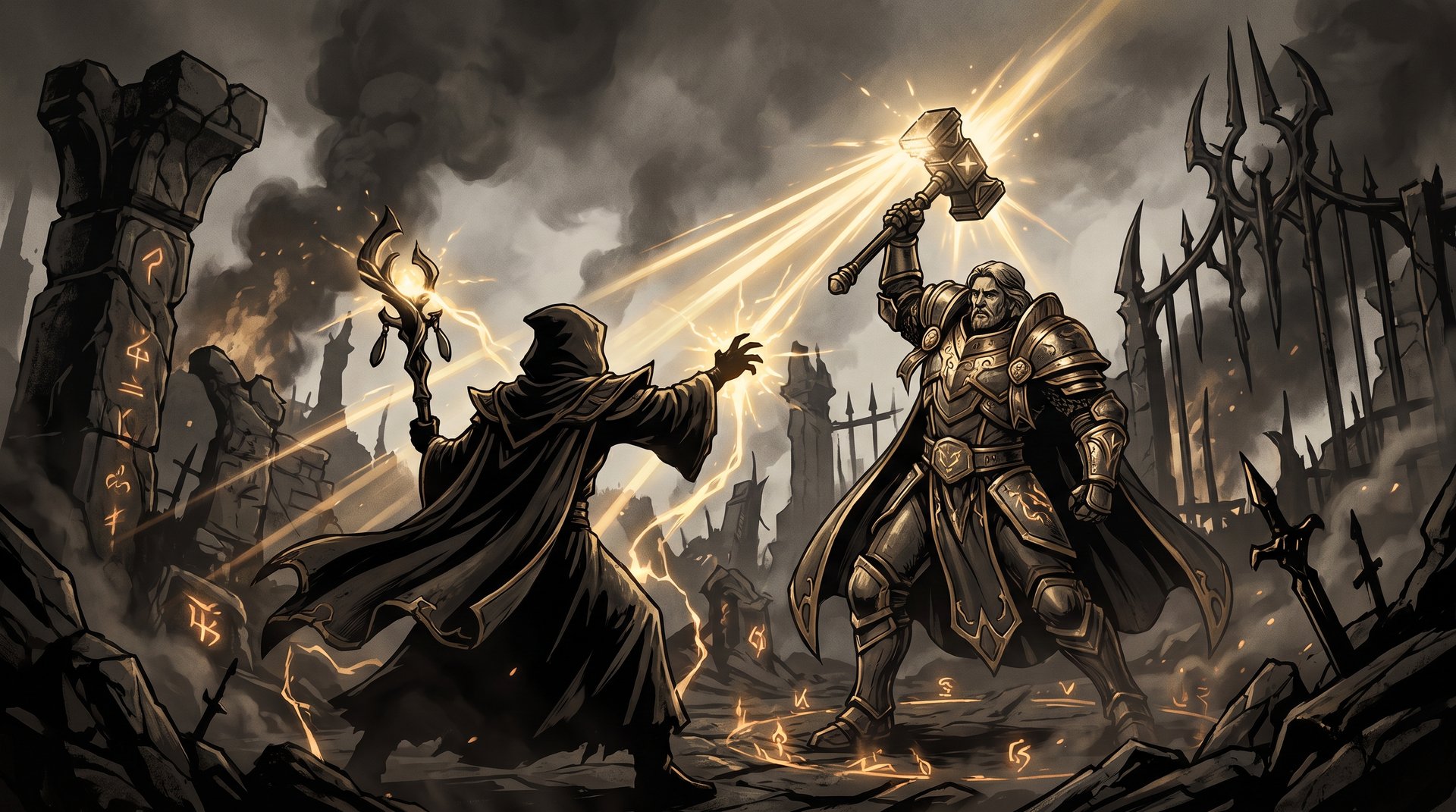
Best Soft Support (Pos 4) Healer Heroes
Position 4 healers have more gold and levels than a traditional pos 5, giving their healing abilities more impact. The best pos 4 healers typically bring healing that doubles as an offensive tool — making them harder to draft against.
Oracle — Purifying Flames (High-Skill, High-Reward)
Oracle is the most mechanically demanding healer on this list and also the most impactful at high skill levels. Purifying Flames initially deals damage equal to approximately 1.2x the healing value over the next 6 seconds. To use it as a pure heal, you cast it on an ally during a moment when the immediate damage will not kill them, and the HoT out-heals the upfront damage significantly. The total heal at level 4 (175 damage upfront / 525 HP healed over 6 seconds) nets 350 effective HP per cast — massive for a pos 4.
False Promise prevents an ally from dying for its duration, then removes debuffs and heals all missing HP at the end — functioning as a conditional burst heal of up to several thousand HP when timed correctly. When both spells align, Oracle provides more healing potential per game than almost any other hero. The false economy of the ability (promising healing that only materializes if the ally survives the window) is what separates average Oracle players from skilled ones.
Main heal mechanic: Purifying Flames HoT + False Promise conditional burst heal.
Best bracket: Archon and above. The damage-before-heal mechanic kills allies who Oracle players mistime at lower brackets.
Synergy note: Works best with cores that can survive the upfront Purifying Flames damage — tanky or high-HP heroes (Axe, Dragon Knight, Tidehunter).
Undying — Soul Rip Multi-Target Heal
Soul Rip is one of the most scaling heals in the game: it heals a target ally for 18 HP per nearby unit (hero or creep), up to a maximum of 20 units. In a creep wave of 6 creeps plus 4 heroes, a single Soul Rip cast heals 180 HP per cast at level 1. In a teamfight with full creep waves and all 10 heroes nearby, a max-level Soul Rip can heal over 700 HP. Undying is most effective as a teamfight healer — his healing is weak in isolated 1v1 scenarios but exceptional in grouped fights.
Undying’s Decay also steals Strength from enemies, effectively moving raw HP from their pool to his own, which functions as a form of sustain during fights even though it is not a traditional heal. Combined with Soul Rip, Undying’s presence in any extended fight means the enemy team is getting weaker (reduced max HP) while your team is getting healed simultaneously.
Main heal mechanic: Soul Rip (scales with nearby units).
Best bracket: Herald through Immortal. Soul Rip scales linearly with game understanding — lower-bracket players underuse it and higher-bracket players maximize creep proximity for massive heals.
Synergy note: Best in teamfights on high ground with full creep waves. Pairs with AoE initiators (Earthshaker, Tidehunter) who keep the fight clustered near the wave.
Abaddon — Mist Coil and Aphotic Shield
Abaddon provides healing in two ways. Mist Coil heals a targeted ally for 100/150/200/250 HP at the cost of 50/60/70/80 HP from Abaddon himself — a negative trade in raw numbers but a valuable heal for a teammate whose survival is higher priority. Aphotic Shield absorbs a flat amount of incoming damage and when it expires (or is dispelled), it detonates around the target for the absorbed amount. The shield itself is not a heal but it protects HP that would otherwise be lost, effectively acting as “prevented damage” that the carry keeps.
Abaddon’s ultimate, Borrowed Time, makes him immune to death while converting damage received into healing — allowing him to sustain himself through any amount of burst during that window. This self-healing is among the most reliable in the game for a solo-diving scenario, and Aghanim’s Scepter makes it castable on allies, extending this near-immortality to a nearby teammate.
Main heal mechanic: Mist Coil (targeted burst heal, costs own HP); Borrowed Time (self-sustain and Aghs: ally sustain).
Best bracket: All brackets. Simple execution, forgiving playstyle.
Synergy note: Pairs well with aggressive carries who dive into enemies — Mist Coil keeps them alive through burst windows. Excellent with Ursa, Lifestealer, and Bristleback.
Chen — Hand of God (Global Team Heal)
Chen’s Hand of God is the only global team-heal ultimate in Dota 2. At level 3 it heals every allied hero on the map for 1,000 HP. There is no cast range, no positioning requirement — every hero everywhere gets 1,000 HP. Used between two fights when the team has retreated to regenerate, it can negate the need for a courier bottle or healing consumables and get every hero back to fight immediately. Chen does not heal repeatedly during a fight (unlike Dazzle or Undying), but the between-fight healing of a Hand of God is unmatched.
Chen’s jungle micro skills also allow him to have converted creeps with aura abilities, supplementing the team’s sustain in the early-to-mid game before Hand of God comes online. A well-played Chen can hold the entire team in the field for 20-minute pushes without a single hero needing to base.
Main heal mechanic: Hand of God (global AoE team heal, 160-second cooldown).
Best bracket: Legend and above. Chen requires creep micro that is unreliable at Herald/Guardian brackets.
Synergy note: Best with aggressive 5-man fighting teams. Hand of God enables two consecutive fights with minimal downtime, which suits early-teamfight compositions with heroes like Underlord or Dark Seer.
Best Core Healer Heroes (Positions 1-3)
Core heroes that provide healing are valuable precisely because enemies cannot draft directly around them — the healing comes for free alongside damage output. The best core healers bring team-wide sustain, not just self-regen. If you are working to improve your MMR with a carry hero, understanding which carries provide passive team healing is a significant edge in solo queue.
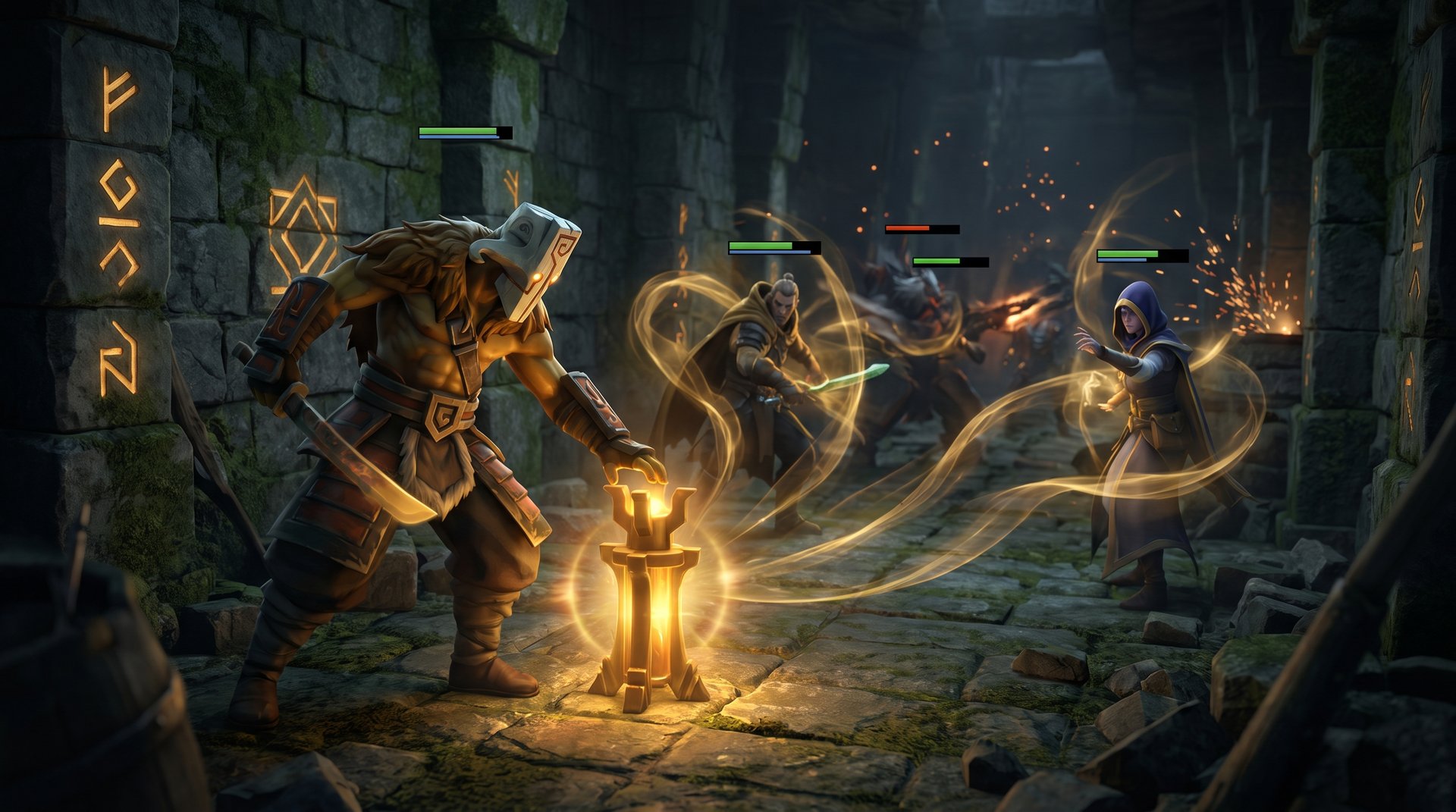
Juggernaut — Healing Ward (Best Team Healer Among Carries)
Juggernaut’s Healing Ward is the most powerful team-heal ability on any carry in Dota 2. The ward heals every nearby allied hero for 4%/4.5%/5%/5.5% of their maximum HP per second for up to 25 seconds, making it HP-percentage-based — meaning it scales automatically with whatever items your carry and offlaner have built. A Juggernaut with a Healing Ward next to a Wraith King with 4,000 HP heals that Wraith King for 200-220 HP per second. Against a team dealing 600-800 DPS, the ward alone negates a third to a half of incoming damage.
The ward moves at 100 movement speed and can be kited away from enemies to deny the heal, which is the primary counterplay. In lower brackets where enemies rarely walk up to deny the ward, it provides nearly uninterrupted healing across long teamfights. Pairing Juggernaut with Dazzle or Abaddon creates one of the most oppressive sustain combinations in the game.
Main heal mechanic: Healing Ward (percentage HP regen per second, AoE).
Best bracket: Herald through Ancient. In Immortal play enemies consistently focus-fire the ward.
Synergy note: Best with tanks and high-HP frontliners who maximize the HP-percentage return. Strong alongside Axe, Mars, or any hero above 3,000 HP.
Lifestealer — Feast and Open Wounds (Lifesteal for the Team)
Lifestealer heals himself through Feast (passive lifesteal proportional to enemy maximum HP) and provides a team lifesteal through Open Wounds. Open Wounds slows an enemy and causes every hero that attacks the target to lifesteal a percentage of the damage dealt — turning every physical attacker on your team into a self-healer for the duration. At max level, all allies lifesteal 40% of damage dealt to the Open Wounds target.
In a teamfight, an Open Wounds cast on the tankiest enemy hero can heal an entire team by hundreds of HP per second while dealing massive damage simultaneously. This dual damage-and-sustain output makes Lifestealer uniquely efficient as a core healer — he heals the team through the act of fighting, not by interrupting his attack cadence. Feast also provides passive self-regen that scales with enemy max HP, making Lifestealer more durable against tanky enemies than glass-cannon assassins.
Main heal mechanic: Feast (self-lifesteal vs max HP); Open Wounds (team lifesteal buff).
Best bracket: All brackets. Feast is passive, Open Wounds is a slow that even beginners use effectively.
Synergy note: Best with attack-speed heroes who maximize the Open Wounds lifesteal window — Phantom Assassin, Troll Warlord, and Juggernaut all work exceptionally well.
Phoenix — Sun Ray and Supernova Self-Revival
Phoenix provides healing through two mechanisms. Sun Ray fires a beam that heals allied heroes it passes through for a percentage of their maximum HP per second. At max level, allies in the beam receive 4% of their max HP per second — extremely powerful for tanky allies in a sustained fight. Phoenix can rotate the beam during cast, allowing skilled players to simultaneously damage enemies and heal allies caught in the path.
Supernova transforms Phoenix into an egg that explodes after a delay, reviving Phoenix to full health. The Supernova revival is a powerful self-heal every 140 seconds at level 3. Phoenix is one of the few heroes who can meaningfully contest a long siege because Sun Ray provides sustained healing to allies on the high ground while Supernova ensures Phoenix never dies permanently in a drawn-out fight.
Main heal mechanic: Sun Ray (directional HP-percentage beam heal); Supernova (full HP revival).
Best bracket: Archon and above. Sun Ray requires positioning skill to heal allies without putting Phoenix in danger.
Synergy note: Excellent alongside tanky frontliners who stay in the Sun Ray beam. Dragon Knight, Centaur Warrunner, and Axe all benefit enormously from sustained HP-percentage healing.
Necrophos — Death Pulse AoE Healing
Necrophos’s Death Pulse sends out a pulse that damages enemies and heals allied heroes for 90/120/150/180 HP each. On a 6-second cooldown (reduced further with items and Octarine Core), Necrophos can pulse heal three to four times per teamfight, providing 360-720 HP of healing per fight to every nearby allied hero. This is particularly powerful on heroes that get chunked repeatedly by abilities — the repeated healing keeps allies above kill-combo thresholds.
Sadist passive gives Necrophos HP regeneration based on the number of units near him when they die — strong during creep wave clears and teamfights. Necrophos also scales extremely well in a dive draft where allies are constantly fighting near enemy heroes and creeps, maximizing both the heal target count and Sadist triggers.
Main heal mechanic: Death Pulse (AoE burst heal + damage, 6-second cooldown); Sadist (passive self-regen on kills).
Best bracket: All brackets. Death Pulse is fire-and-forget — it heals automatically regardless of aim.
Synergy note: Strong with tanky cores who fight near Necrophos — Dragon Knight, Underlord, Axe. Avoid pairing with mobile heroes who kite away from fights, as they exit Death Pulse range.
Universal Healers: Heroes That Fill Any Role
Io — Tether Sustain and Relocate Rescue
Io is the most unique healer in Dota 2. Tether links Io to an allied hero and transfers a portion of Io’s health regeneration to the tether partner — the exact amount scales with Io’s bonus regen from items, meaning an Io with Soul Ring, Urn of Shadows, and Glimmer Cape can push enormous regeneration onto a linked carry. Spirits heal Io on return, sustaining Io’s own HP while tethered. And Relocate brings both Io and the tether partner anywhere on the map — functionally rescuing a dying hero to safety where heals, consumables, and distance from the enemy work together to restore them.
What makes Io special is that the healing scales entirely with item investment — a well-farmed Io with Greaves, Pipe, and multiple regen items can push hundreds of HP per second onto a tether partner. For players looking to understand support hero mechanics at depth, the TeamSmurf coaching program includes Io specialists who can walk through tether positioning and regen-stacking rotations in personalized sessions.
Main heal mechanic: Tether (regen transfer to partner).
Best bracket: Ancient and above in competitive play; effective at all brackets in casual stomps.
Synergy note: Exclusively strongest with one dedicated tether target — pairing with a melee carry (Lifestealer inside Infest, or Juggernaut) creates unbreakable sustain lanes.
Treant Protector — Living Armor (Passive Global Healer)
Living Armor provides a passive HoT to any allied structure or hero that takes damage — Treant does not have to cast it, it applies automatically. Each Living Armor stack restores HP over 6 seconds and removes one stack per instance of damage. In the lane phase this creates consistent passive healing for your carry whenever they get hit, making it nearly free sustain that requires zero Treant attention or mana during the initial exchanges.
At level 4 Living Armor, each proc heals 324 HP total (54 HP per second over 6 seconds). Combined with Nature’s Guise invisibility for Treant and Overgrowth for teamfights, Treant is an excellent “set-and-forget” healer for players who want sustain without the mechanical demands of Oracle or Io.
Main heal mechanic: Living Armor (passive triggered HoT on taking damage).
Best bracket: Herald through Legend. In higher brackets enemies draft around Treant’s predictability and Living Armor stacks become harder to maintain through burst combos.
Synergy note: Best in aggressive lanes where the carry is trading hits constantly — every trade triggers Living Armor healing. Strong with Bristleback, Dragon Knight, or any tanky carry willing to stand in the enemy creep wave.
Enchantress — Nature’s Attendants Healing Swarm
Nature’s Attendants summons 9 healing wisps that orbit Enchantress (or a target in some builds), each healing 20 HP per second for 15 seconds. Total: up to 2,700 HP of healing if all wisps hit for the full duration. The ability has a 25-second cooldown, meaning Enchantress can get two casts across a long teamfight for up to 5,400 HP of healing spread across nearby heroes.
The catch is that the wisps heal whichever ally is nearest — in a 2v2 lane, the healing intelligently distributes between Enchantress and her partner. Enchantress also benefits from Untouchable, which reduces incoming enemy attack speed on hero attacks — this decreases the incoming damage rate simultaneously with the wisps healing outgoing damage, creating a strong sustain loop for extended dueling scenarios.
Main heal mechanic: Nature’s Attendants (swarm HoT, distributes to nearest allies).
Best bracket: Archon through Divine. Enchantress requires reading fight positions to maximize wisp coverage.
Synergy note: Strong with tanky melee heroes who stand in sustained fights — Axe, Lifestealer, Dragon Knight. Enchantress + Dazzle creates an almost unbreakable sustain lane at lower brackets.
Healer Hero Synergies Worth Knowing
| Healer | Best Paired With | Why the Synergy Works |
|---|---|---|
| Dazzle | Juggernaut, Lifestealer, Axe | Shadow Wave bounces better in melee-range clustering; Healing Ward + Shadow Wave covers both sustained and reactive healing |
| Omniknight | Dragon Knight, Axe, Bristleback | Purification targets the initiating tank; AoE damage helps them push while healing simultaneously |
| Warlock | Wraith King, Slardar, Pudge | Shadow Word buys time for slow tanks to close distances; Fatal Bonds locks enemies for maximized heal windows |
| Io | Lifestealer (Infest), Juggernaut | Tether HP regen on a carry already healing through lifesteal creates oppressive sustain |
| Necrophos | Underlord, Mars, Earthshaker | Death Pulse AoE heals every hero inside a wall/pit; captive fights maximize pulse value |
| Phoenix | Centaur, Axe, Dragon Knight | Sun Ray beams through tanky heroes who bait enemies into staying in range |
| Juggernaut | Dazzle, Abaddon | Healing Ward + Shadow Wave from Dazzle covers both HP-percentage and flat healing simultaneously |
Healer Heroes by Bracket Tier
Not every healer is equally effective at every bracket. This table summarizes which heroes provide the best return on mechanical investment at each rank range. Use this as a starting point when deciding which healer to learn for your current rank.
| Bracket | Top Healer Picks | Why |
|---|---|---|
| Herald — Guardian | Omniknight, Dazzle, Treant | Simple execution, unconditional heals that work even without coordination |
| Crusader — Archon | Dazzle, Warlock, Undying, Necrophos | Heals that scale with grouping and fight duration reward players who teamfight consistently |
| Legend — Ancient | Oracle, Io, Abaddon, Enchantress | More complex heal mechanics provide larger advantages for players who can execute them |
| Divine — Immortal | Oracle, Io, Phoenix, Chen | High-bracket teams draft around healers — these heroes have counterplay depth that simple heroes do not |
Healer Heroes in the Current Dota 2 Meta (2026)
The 7.41f patch (current as of October 2026) continues to reward greedy drafts with strong team sustain. The meta remains teamfight-heavy with early-Roshan contests, and healer heroes that provide between-fight healing (Chen, Necrophos, Io) are consistently high-priority in Divine and Immortal lobbies.
In pubs specifically, Dazzle and Juggernaut lead win rates among healer-class heroes. Dazzle’s Shadow Wave damage-plus-heal dual-utility makes him hard to lane against even without coordination, and Juggernaut’s Healing Ward provides team sustain that solo-queue teams cannot coordinate away from effectively. If you are trying to understand your options for climbing, healer heroes are among the most consistent win-rate drivers in the current meta because fights in pubs tend to run longer than in coordinated play, maximizing HoT and repeated-pulse value.
One trend worth noting in 2026 competitive play: teams are drafting one healer and one save hero (displacement/invulnerability) rather than two save heroes or two healers. The combination of a Dazzle (healer) and an Earthshaker (disable/save via Fissure positioning) provides better coverage across fight phases than two heroes sharing the same category. When evaluating your own draft, ask whether you want consistent in-fight healing (favor Dazzle, Necrophos, Juggernaut) or powerful burst restore after a fight (favor Chen, Omniknight, Undying) — they serve different moments in a game’s timeline.
For players who want to improve their support play systematically, the best teamfight ultimates guide and our easiest heroes by role guide are both worth reading alongside this one — knowing which healer is easiest to execute at your rank is as important as knowing which healer has the highest ceiling.
Frequently Asked Questions
Struggling to Climb With Support Heroes?
Knowing which healer hero to draft is only part of the picture. Positioning, timing your heals around enemy cooldowns, and reading when to convert heals into aggressive plays — these are the skills that separate a 3,000 MMR support from a 5,000 MMR one.
The TeamSmurf coaching team includes Immortal-bracket support specialists who can review your replays and build a game plan around healer heroes specifically.



