Warding for Comebacks: 12 Defensive Spots Most Players Ignore

When your team is down 10,000 gold and the enemy is grouping for high ground, most players default to panic: buying back deaths, over-defending their base, or attempting forced fights on a cooldown disadvantage. What separates teams that successfully come back from those that do not is rarely mechanical ability — it is vision control. Specifically, it is whether the losing team has placed the defensive wards that reveal the enemy’s movements and give the comeback heroes the time they need to develop.
This guide documents 12 defensive warding positions that most players below Immortal either do not know about or systematically skip under pressure. These are not aggressive, information-gathering wards — they are survivability wards that buy your cores time to farm a critical item, detect smoke ganks before they collapse your base, and let your team know exactly where the enemy is grouping before they push in.
Each spot is described with its specific defensive value, the scenario where it matters most, and what it fails to cover so you can combine spots for maximum coverage. Map positions are given as clock-face directions from the Roshan pit for orientation.
Table of Contents
Why Defensive Warding Is Different From Standard Vision
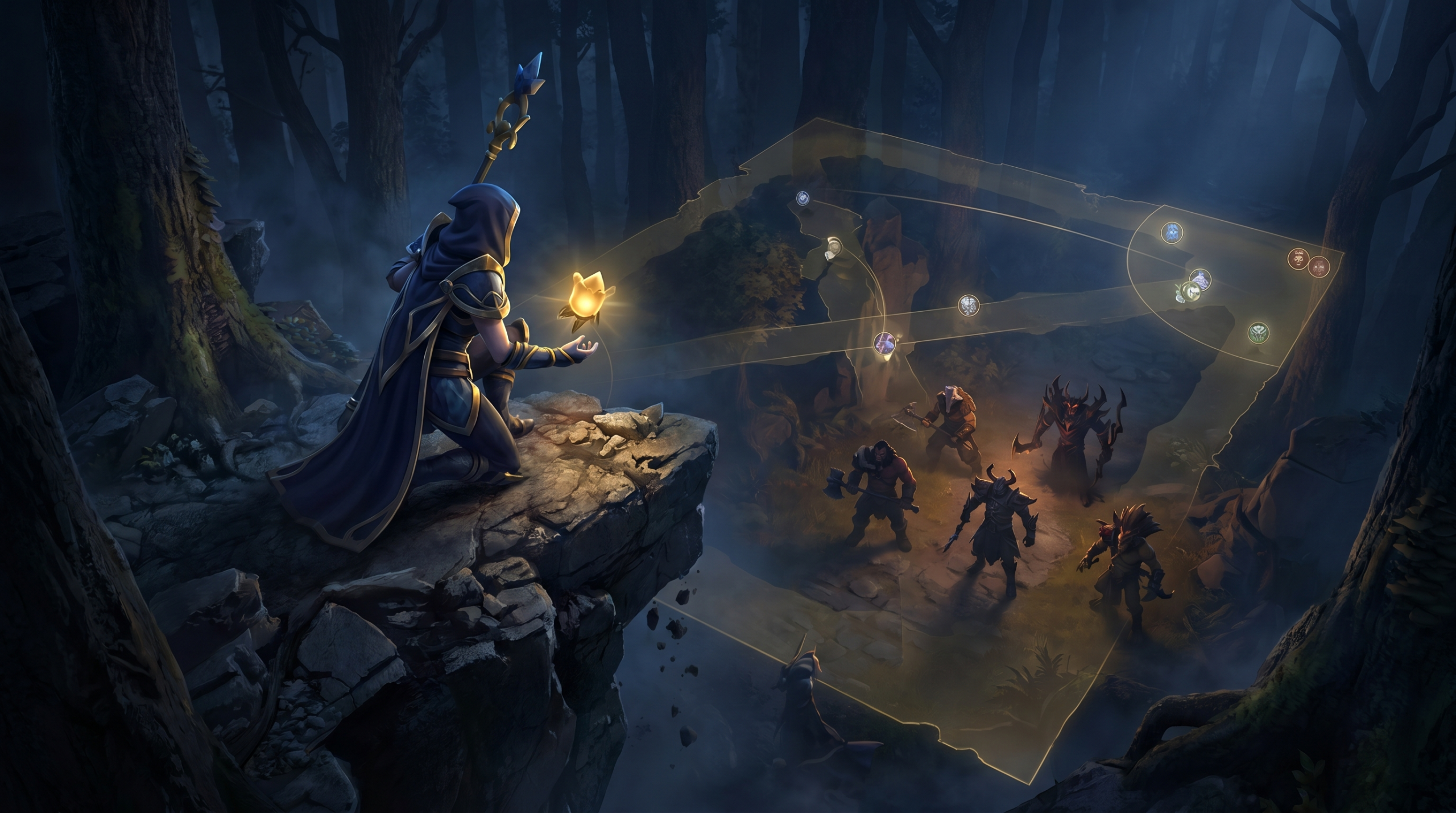
Standard vision strategy is offensive — you ward to see the enemy jungle, anticipate rotations, and set up kills. Defensive warding is the opposite: you are not trying to find the enemy for kill opportunities. You are trying to ensure your cores have enough warning time to retreat to a safe position before the enemy can collapse on them.
The key difference in execution is ward placement priority. When you are ahead, you place wards in the enemy jungle to gather information that sets up your own aggression. When you are behind, the enemy jungle vision is irrelevant — you cannot act on that information. What you need is vision of the jungle routes closest to your base, the smoke corridor approaches, and the high ground ramps that give you early detection of a push.
The 12 spots below are all within 3,000-4,000 units of your own base when you are playing from a defensive position. None of them are aggressive warding positions. All of them serve a specific defensive function that standard support warding routines miss under pressure.
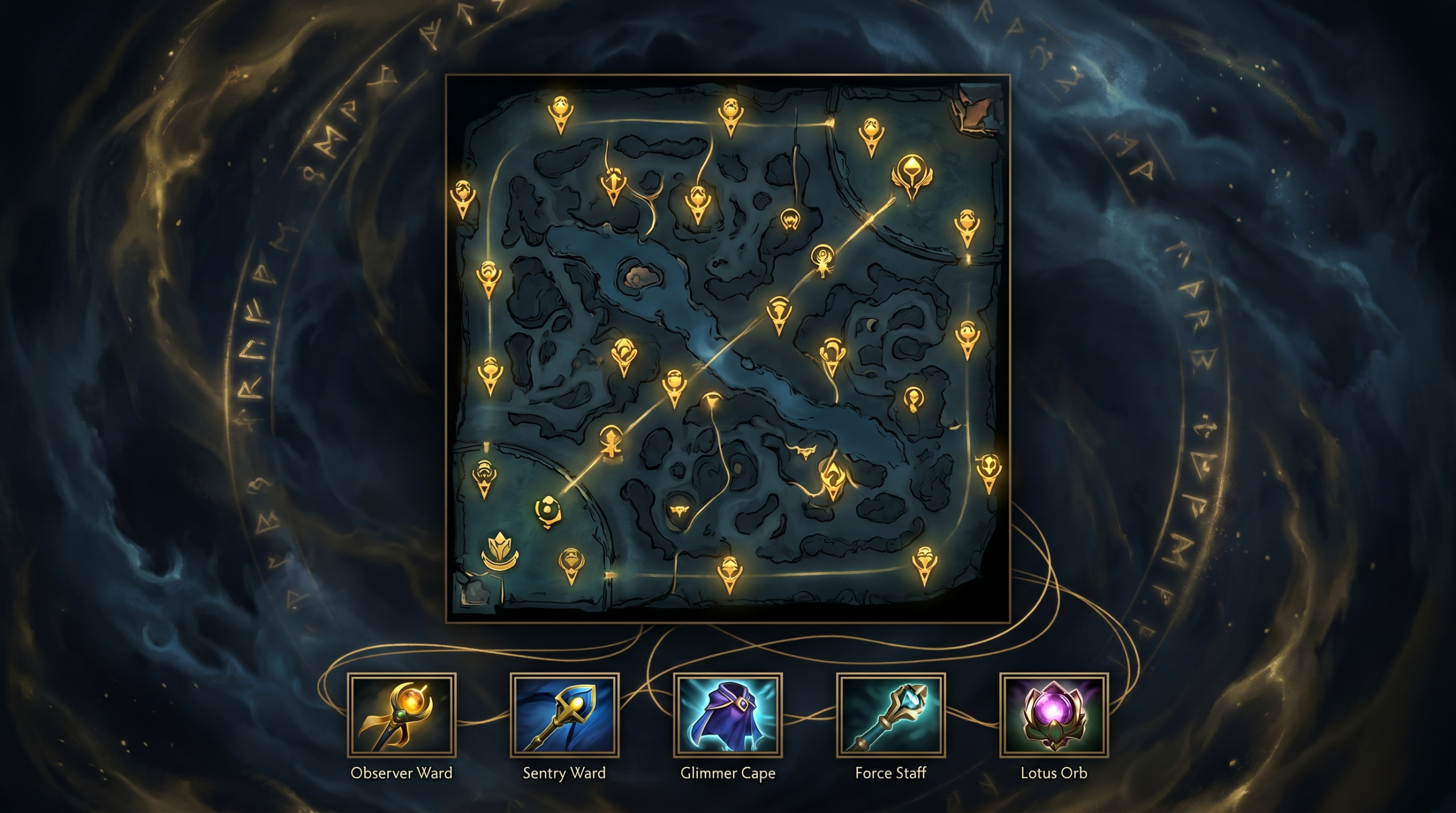
Six Defensive Spots on the Radiant Side
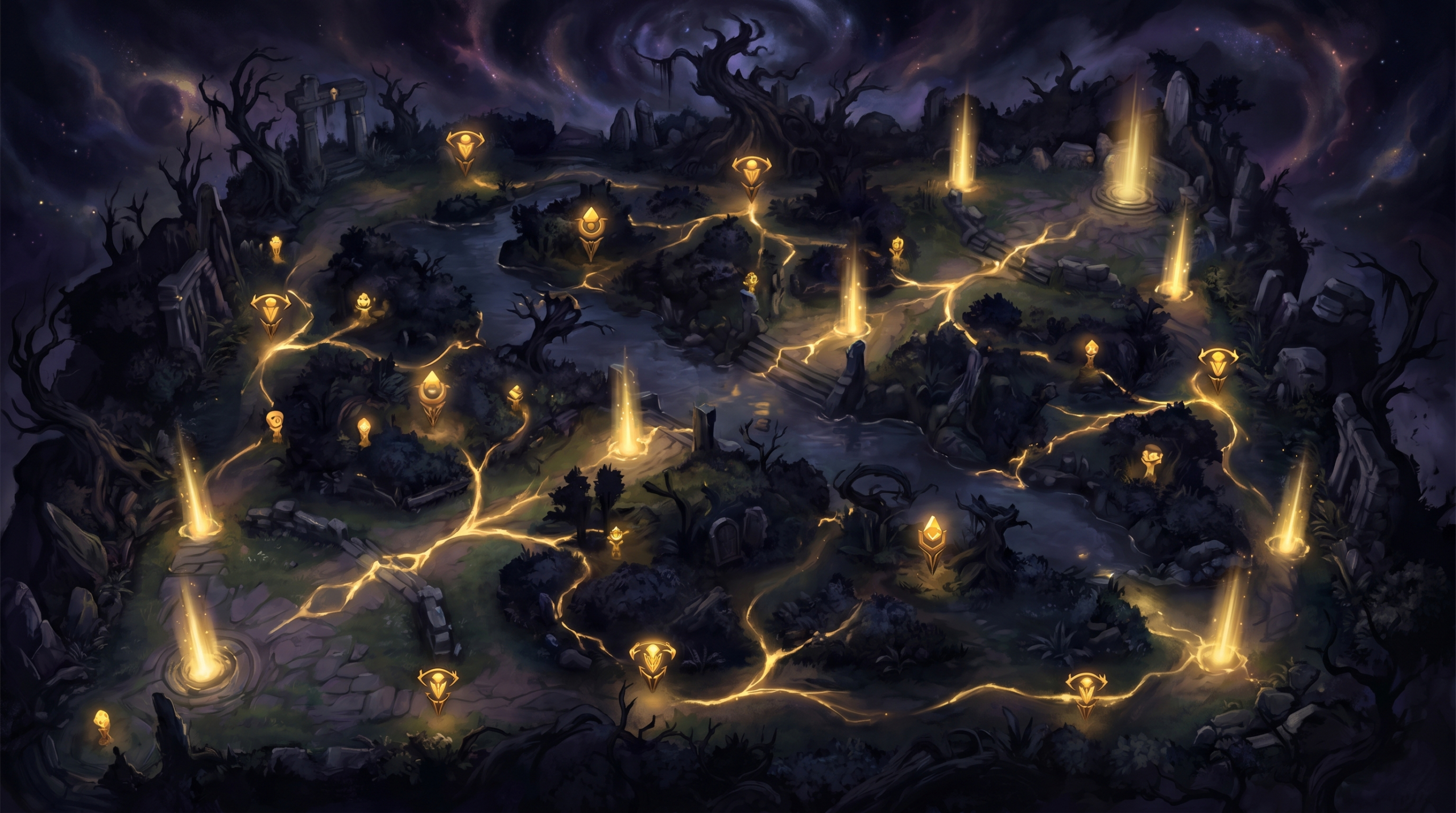
These six positions are most valuable when Radiant is playing from a deficit. They cover the primary approach corridors the Dire team uses when grouping for a push or setting up a Roshan-to-highground sequence.
Spot 1: Rosh Pit Cliff (East Face)
Ward placement on the east face of the Roshan pit cliff gives Radiant vision of whether the Dire team is stacking near the pit, whether Roshan is being attempted, and which direction the Dire team moves after a potential Roshan kill. This is the most underused defensive ward in the game for Radiant because most players associate the Rosh cliff with offensive warding (used when you are ahead to check if the enemy is attempting Rosh). When you are behind, this ward tells you whether you need to respond to an Aegis possession, which changes the entire fight calculation.
The specific placement is on the elevated terrain jutting from the pit’s east wall, reachable without Blink Dagger using the tango-cliff path. A ward here lasts 6 minutes and covers a fight corridor that directly impacts your base defense strategy.
Spot 2: Radiant Secret Shop Bush
The bush area adjacent to the Radiant secret shop is a critical smoke gank initiation point. The enemy team frequently smokes through this bush to collapse onto the Radiant jungle or mid-lane heroes who are farming to catch up. A ward here gives 900 units of vision into the corridor between the tier 2 and tier 3 towers, revealing smoke walks before they reach attack range. At sub-Immortal play, this ward alone prevents 30-40% of successful comeback-derailing ganks.
Spot 3: Radiant Triangle Cliff
The elevated terrain in the triangle between Radiant’s mid lane and the secret shop path reveals movement through the central jungle approach. Dire teams pushing down the mid lane frequently use this triangular corridor to position before walking into the Radiant base. A ward here gives 10-15 seconds of warning before their front line crosses the tier 3 tower range — enough time for your cores to teleport home or your support to set up a defensive position.
Spot 4: Ancient Camp Entrance (Radiant)
The Radiant ancient camp — the one adjacent to the bottom lane — is frequently used as a staging area for Dire five-man groups before pushing the bottom barracks. A ward at the camp entrance reveals when the enemy is grouping in this staging area, which typically precedes a push by 1-3 minutes. This gives your carry time to recall from a distant farm location and gives your supports time to prepare smoke counters or set up defensive terrain.
Spot 5: Dire Bottom Rune to Radiant Jungle Crossover
This ward covers the crossing point between the bottom river rune area and the Radiant safe-lane jungle. It is one of the most common smoke-gank entry routes in the game because it approaches from an angle that the standard Radiant jungle ward does not cover. The placement is on the elevated terrain just north of the bottom rune spawn. A ward here reveals smoke walks attempting to access Radiant’s bottom lane carry from the river side — the direction least often covered defensively.
Spot 6: High Ground Ramp (Radiant Mid)
This placement is on the high ground ledge just behind the Radiant mid-lane tier 3 tower. It gives vision down the ramp toward the tier 2 structure and reveals enemy approach vectors 8-10 seconds before they reach the tier 3 attack range. The value is specifically in detecting whether the enemy is grouping for a staged siege versus a fast push — if they are setting up slowly (posturing with all five), you have time to establish a defensive formation. If they sprint push, you at least see it coming early enough to begin buybacks and defensive teleports.
| Spot | Primary Coverage | Warning Time | Sentry Needed? |
|---|---|---|---|
| Rosh Pit East Cliff | Roshan attempt + post-Rosh direction | 3-5 min lead | Rarely |
| Secret Shop Bush | Smoke gank corridor | 15-25 sec | Yes (common dewarding spot) |
| Radiant Triangle Cliff | Mid corridor approach | 10-15 sec | Situational |
| Ancient Camp Entrance | Bottom push staging area | 1-3 min lead | No |
| Bottom Rune Crossover | River-to-jungle smoke approach | 20-30 sec | Yes (frequently dewarded) |
| Mid High Ground Ramp | Siege vs. fast push detection | 8-10 sec | Situational |
Six Defensive Spots on the Dire Side
Mirror positions for when Dire is defending a deficit. The specific geometry of the Dire base — particularly the Roshan access angle and the different jungle layout — means several of these spots are in distinct locations from their Radiant counterparts.
Spot 7: Rosh Pit North Cliff
The north face of the Roshan pit is Dire’s equivalent of Spot 1. When Dire is behind, Radiant frequently attempts Roshan and then pushes high ground on the top or mid lane with Aegis in hand. A ward on the north cliff gives Dire 2-4 minutes of warning for a Roshan attempt and reveals which direction the post-Rosh group moves. The movement direction tells you which lane to defend first — if they move toward top, collapse top. If mid, rotate mid before they hit the tier 3.
Spot 8: Dire Secret Shop Approach
Equivalent to Spot 2 on the Radiant side. The Dire secret shop corridor is approached from the lower river area and is a primary smoke gank path targeting Dire’s offlane or mid heroes who are trying to farm a deficit item. The ward placement is on the cliff overlooking the path between the Dire tier 2 mid tower and the secret shop — a 6-minute ward here covers both the approach from below and lateral movement through the upper river.
Spot 9: Dire Jungle Sentinel Outpost Area
The terrain around the Dire jungle’s top sentinel outpost (the one on the east side of the map) is a common assembly point for Radiant five-man groups before they push the top barracks. A ward in the elevated terrain adjacent to this outpost reveals whether the enemy team is grouping here for a coordinated push. The warning window from this ward is 2-4 minutes, giving Dire’s carry time to finish a critical item and teleport to defense.
Spot 10: Radiant Triangle Mirror (Dire Equivalent)
The Dire equivalent of Spot 3 is on the cliff above the path between the Dire tier 2 mid and the central jungle. This position reveals movement through the mid-lane approach corridor before it reaches the tier 3. At lower MMR brackets specifically, Radiant teams telegraph mid pushes by grouping in this corridor 3-5 minutes before the push — this ward catches that grouping early and allows Dire to pre-position their defense rather than scrambling reactively when the wave hits the tier 3.
Spot 11: Dire Bottom River Crossing
The crossing point between the Roshan pit and the Dire bottom jungle is a frequently smoked approach for Radiant attacks on Dire’s bottom lane tier 2 or the carry who is trying to farm the Dire ancients. This spot is on elevated terrain north of the bottom river path. It covers both the smoke approach from the river direction and the movement of any Radiant heroes rotating from the Roshan area toward the bottom lane. For Dire carries attempting to farm their way back into a deficit game, this ward is the most important single piece of vision they can have active.
Spot 12: Dire Mid High Ground Ramp
Mirroring Spot 6, this placement is on the ledge behind Dire’s mid-lane tier 3 tower, looking down toward the tier 2. The specific value of this spot over a standard high ground ward is the angle: it covers the direct ramp approach from mid-river while also providing partial vision of any attempts to use Blink Dagger onto the high ground cliff from the right angle. A ward here combined with Spot 9 gives Dire near-complete coverage of the two most common Radiant push approaches when they are ahead.
How to Combine Spots for Full Coverage
Individual wards provide incomplete coverage. The goal of defensive warding in a comeback scenario is a overlapping vision network that has no blind approach corridors within 2,000 units of your base. With a limited ward budget, you need to prioritize which combinations give you the most coverage per ward.
Two-Ward Priority Combination
If you can only place two wards, prioritize: Spot 1 (or 7) for Roshan detection plus Spot 2 (or 8) for the main smoke approach. Roshan detection tells you the biggest game-state threat (Aegis possession), and the smoke approach coverage protects your farming heroes from the most common gank vector. These two wards, refreshed every 6 minutes, cover the highest-impact defensive scenarios.
Three-Ward Comprehensive Coverage
The third ward slot should go to the jungle staging area (Spot 4 or 9) to detect early grouping behavior by the enemy. With Roshan detection, main smoke approach, and staging area vision, you have a 3-7 minute warning window for most major game-state events — more than enough time to prepare your defense if your team reacts appropriately.
Observer-Sentry Balance
In a deficit scenario, sentries should be prioritized at the spots most likely to be actively dewarded by the enemy (the smoke corridor wards). If you place a standard observer at Spot 2 without a sentry companion and the enemy dewarding support knows the spot, the ward provides zero value after minute 2. Run one sentry for every two observers in high-priority dewarded spots when playing from behind.
When to Place Defensive Wards in a Comeback Scenario
Timing matters as much as placement. There are three moments in a deficit game where ward investment has the highest return:
After any teamfight where the enemy wins: The enemy team has just fought, used spells, and will need 45-90 seconds to regroup and decide their next move. Use that window to place your defensive wards while they are not actively pursuing. A ward placed in the 60 seconds after a lost teamfight can survive to provide 5+ minutes of coverage.
Before the Roshan respawn timer: Roshan respawns 8-11 minutes after being killed. In the 2 minutes before that window opens, the enemy will begin moving toward the pit. If you have no ward there, you are blind to the most important objective decision in the late game. Prioritize Spot 1 or 7 placement specifically in this pre-respawn window.
During a buyback window: If a key enemy hero has died and is on a 50-70 second buyback timer, the enemy team will hesitate to push. Use those seconds to place the wards they would otherwise deward aggressively.
Sentry Ward Priorities When You Are Behind
Sentries serve two functions: dewarding enemy wards and providing true sight for invisible heroes. When you are behind, the priority flips from your standard game — enemy wards in your jungle are probably already there and already stale. The active threat is the invisible heroes or couriers using your lack of counter-ward coverage.
Target Enemy Smoke Corridors First
When behind, your sentry budget should go to the smoke corridors (Spots 2 and 11) rather than trying to deward deep enemy wards in the enemy jungle. You cannot act on enemy jungle vision when you are behind. You can act on revealed smoke groups before they reach your heroes.
Dust Over Sentry for Mobile Invisible Heroes
If the enemy has Riki, Clinkz, or a Nyx Assassin who is actively hunting your farming core, dust is more cost-effective than sentries for a mobile invisible target. Sentries cover a fixed area; dust covers wherever the fight happens. In a deficit scenario where your carry is moving between farm spots, dust in your support’s inventory is often better vision investment than a static sentry.
For players who want to develop a deeper understanding of vision control in comeback scenarios, our Immortal coaching sessions include map-specific vision walkthroughs with our Immortal analysts. If you want to observe defensive warding from a first-person perspective in your bracket, our MMR boost service generates replays in your match history that show Immortal support warding patterns at your rank.
Ready to Skip the Grind?
Team Smurf’s Immortal boosters demonstrate correct warding and vision control in your actual match history.
Get Your Boost Now Talk to Our Team