How to Master Storm Spirit in Dota 2: The Ultimate Guide for Every Rank (2026)

Storm Spirit is the kind of hero that makes you fall in love with Dota 2 all over again. When you watch an Immortal Storm player zip across the entire map, chain-kill two supports, and escape with 50 HP, it looks like the hero has zero counterplay. The truth is more nuanced — Storm Spirit sits at roughly a 48% winrate across all brackets in 2026, but climbs to a devastating 54%+ in Divine and Immortal games where players understand his mana thresholds and power spike timings.
This guide breaks down everything you need to dominate with Storm Spirit, from hidden ability mechanics most players never learn, to rank-specific item builds that actually reflect how the hero is played at your MMR. Whether you are a Crusader trying to understand when Storm becomes active, or a Divine player looking to refine your Ball Lightning efficiency, this is the only Storm Spirit resource you will need in 2026.
Table of Contents
Why Storm Spirit Is Dota’s Ultimate Playmaker
Storm Spirit is a ranged intelligence hero who plays exclusively in the mid lane. His identity revolves around one of the most unique ultimates in the game — Ball Lightning — which lets him travel any distance on the map as long as he has mana. This single ability transforms Storm from a decent mid laner into an unstoppable ganking machine that can appear anywhere, delete a target, and vanish before the enemy team reacts.
In the current patch, Storm Spirit holds a 48.2% winrate across all ranks according to Dotabuff, with a 9.1% pick rate that places him firmly in the “popular but skill-dependent” category. His winrate jumps significantly in higher brackets: 52.8% in Ancient, 54.3% in Divine, and peaks around 55.1% in Immortal. This gap tells you exactly what Storm Spirit is — a hero that rewards mechanical skill, game sense, and mana management more than almost any other hero in the pool.
What makes Storm Spirit unique is his infinite mobility ceiling. Unlike heroes with fixed-distance blinks or dashes, Storm can travel from fountain to fountain if he has enough mana. This creates a playstyle where your effectiveness scales directly with your ability to calculate mana costs on the fly, predict enemy positions, and identify the exact moment to commit. Get the timing right, and Storm Spirit feels completely broken. Get it wrong, and you zip into five heroes with no mana and die instantly.
Abilities Deep Dive
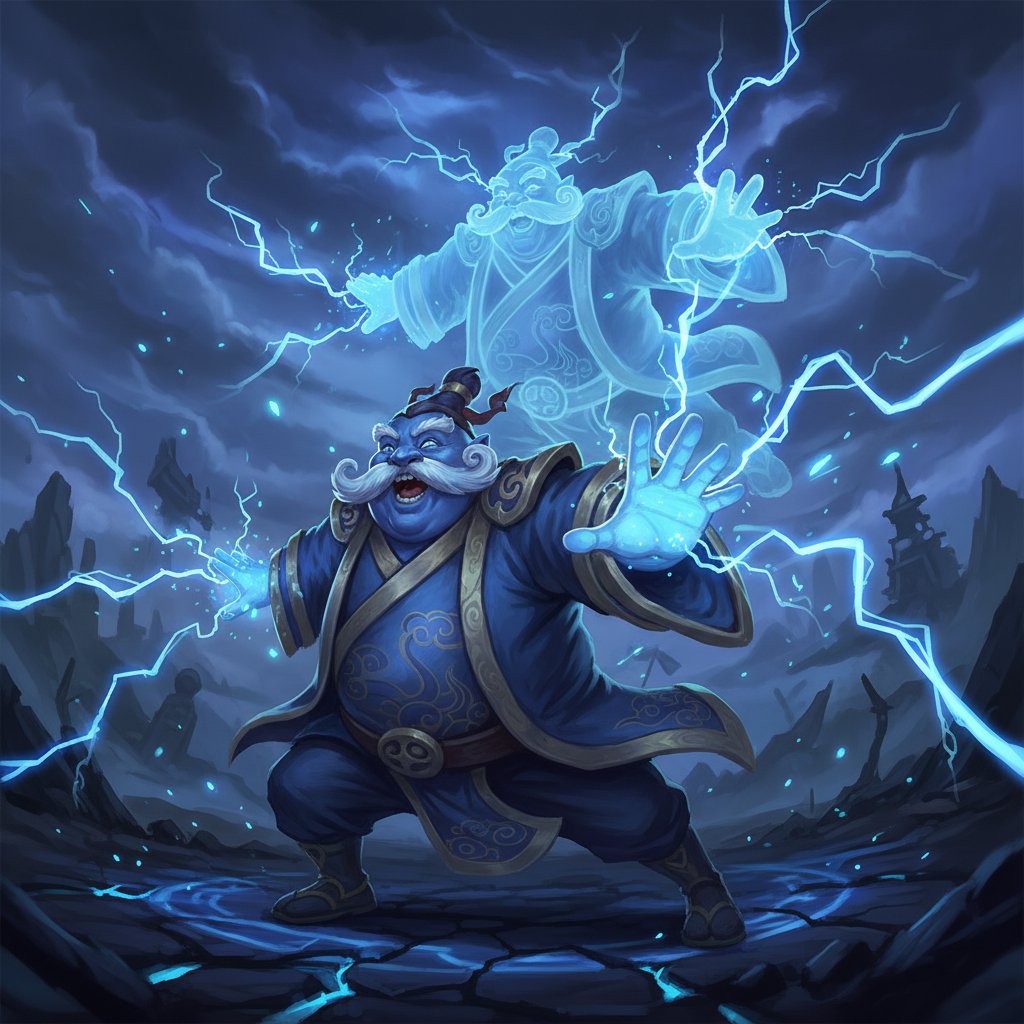
Static Remnant (Q)
Storm Spirit creates a clone of himself at his current location that explodes after 1 second, dealing 100/160/220/280 damage in a 260 radius. The remnant lasts for 12 seconds if not triggered by an enemy walking near it. At max level, this ability costs 100 mana on a 3.5-second cooldown.
Hidden mechanics most players miss:
- Remnant placement during Ball Lightning: You can drop a remnant while zipping. This means you can Ball Lightning through a target, drop a remnant mid-zip, and the remnant explodes on the enemy as you pass through them. This is the bread-and-butter combo.
- Remnant stacking: Multiple remnants can exist simultaneously. In late game with enough mana, you can place 3-4 remnants in a chokepoint before a fight starts. This is devastating for Roshan pit entries.
- Creep wave clearing: At level 3 (220 damage), a single remnant plus one Overload attack clears the ranged creep. At level 4, remnant alone kills ranged creeps after the 15-minute mark when you have some spell amplification.
- Vision: Remnants provide 600 flying vision for their entire duration. Use them to scout Roshan, check high ground, or spot incoming ganks in the jungle.
Electric Vortex (W)
Storm pulls a target enemy toward him over 0.4/0.6/0.8/1.0 seconds, dealing 80 damage. This is Storm’s only hard disable and the ability that makes his kill potential real. Without Vortex, enemies can simply TP, BKB, or use mobility spells to escape after your initial zip.
Critical interactions:
- Cast during Ball Lightning: You can cast Electric Vortex while inside Ball Lightning. The pull starts from your zip’s endpoint, not where you cast it. This is essential — it means you zip to a target and immediately Vortex them, giving them zero reaction time.
- Pull direction: The target gets pulled toward Storm’s position at the moment the pull completes, not where you cast it. If you zip past someone and Vortex them, they get pulled toward your landing point.
- Linken’s interaction: Vortex pops Linken’s Sphere. Many Storm players forget this and waste their combo. Against Linken’s carriers, either pop it with an item first or accept Vortex will be consumed.
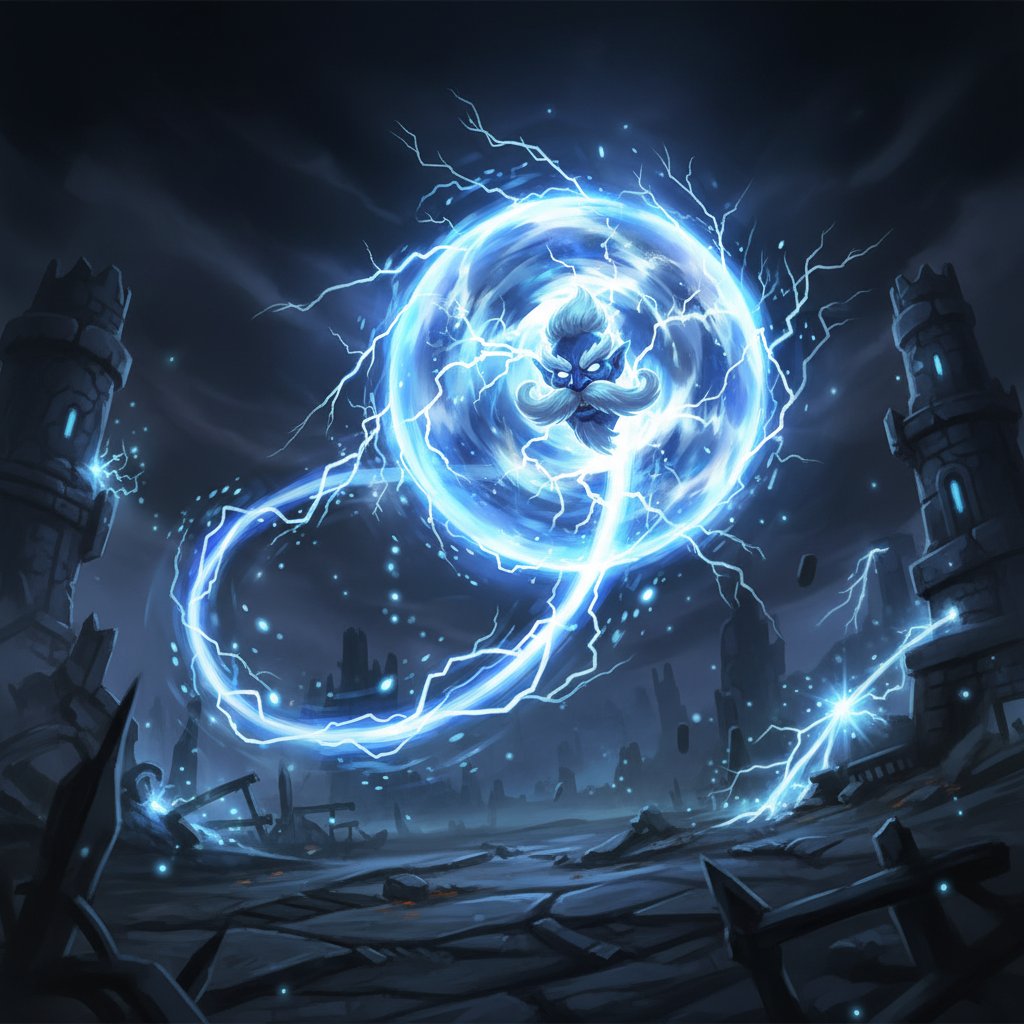
Overload (E) — Passive
Every time Storm casts a spell, his next attack gets supercharged with 50/80/110/140 bonus magical damage and applies an 80% move slow plus 50 attack speed slow for 0.6 seconds. The attack also hits all enemies in a 300 radius around the target.
Why Overload is secretly Storm’s most important ability:
- AOE damage in fights: Overload procs splash in a 300 radius. In teamfights where enemies clump, each Overload proc hits multiple heroes. This adds up massively.
- Attack animation cancel: After casting any spell, immediately right-click the target to proc Overload. Then cast another spell and right-click again. The rhythm is: Spell > Attack > Spell > Attack. Players who skip Overload procs between casts lose 30-40% of their total damage output.
- Slow stacking: The 80% movement slow from Overload is enormous. Combined with Electric Vortex, your target literally cannot move for the duration of your combo.
- Farming tool: Drop a remnant in a creep wave, then auto-attack one creep. The Overload splash hits everything the remnant does not kill. This is how Storm flash-farms jungle camps between ganks.
Ball Lightning (R) — Ultimate
Storm transforms into pure energy, traveling to the target point at 1250/1875/2500 speed. While traveling, he is invulnerable to most effects and deals 16/26/36 damage per 100 units to nearby enemies. The cost is 30 + 8% of max mana to activate, plus 12 + 0.7% of max mana per 100 units traveled.
The mana math that separates good Storm players from great ones:
- Short zips: A minimum-distance Ball Lightning (just tapping R next to yourself) costs 30 + 8% max mana. With 1000 mana, that is 110 mana. You use these to proc Overload during fights without wasting mana on distance.
- Cross-map zips: Traveling from mid to bot (roughly 5000 units) with 2000 mana costs approximately 30 + 160 (activation) + 60 + 700 (travel) = 950 mana. You need to keep at least 500 mana for your combo after landing.
- Invulnerability abuse: During Ball Lightning, Storm is invulnerable. You can dodge projectiles (Sniper Assassinate, Sven Storm Hammer), avoid damage ticks (Venomancer wards, Jakiro Macropyre), and even dodge certain AoE abilities if timed correctly.
- Minimum distance trick: Tapping Ball Lightning in place costs the base 30 + 8% mana but still procs Overload and grants a tiny period of invulnerability. Immortal players use this to dodge key spells in fights.
Skill Build Order
The standard skill build for Storm Spirit in 2026 is:
| Level | 1 | 2 | 3 | 4 | 5 | 6 | 7 | 8 | 9 | 10 |
|---|---|---|---|---|---|---|---|---|---|---|
| Standard | Q | E | Q | W | Q | R | Q | E | E | E |
| Kill Lane | Q | W | Q | E | Q | R | Q | E | E | E |
| Passive Lane | Q | E | Q | E | Q | R | Q | E | E | W |
Max Static Remnant first in almost every game for wave clear and farming speed. Take one early point in Overload at level 2 for last-hitting efficiency and trading. Electric Vortex gets one value point at level 4 unless you have a kill opportunity at level 2 (like a support rotating mid with a stun). Skip Vortex until level 10 if you are in a passive matchup where you just want to farm — the extra Overload damage scales better for farming than a longer pull duration.
Item Builds by Rank Bracket
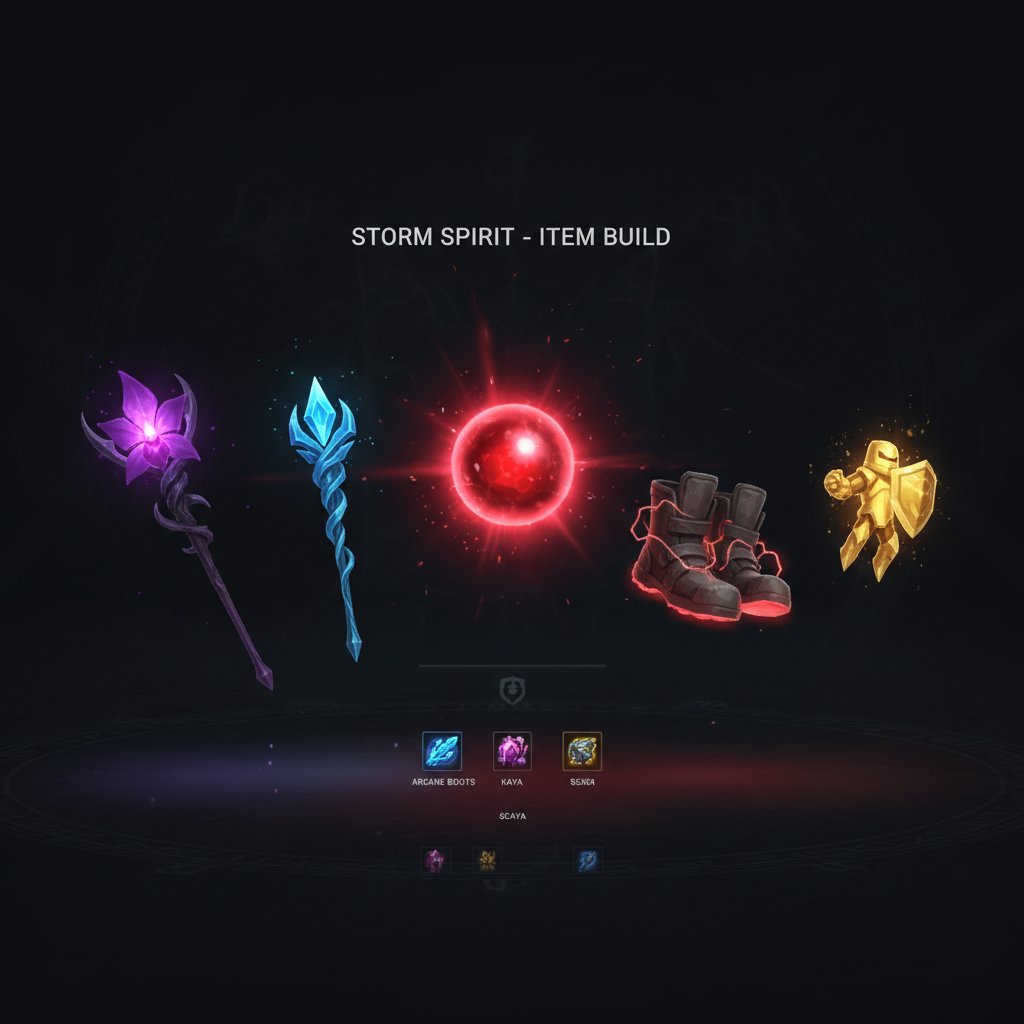
| Rank | Starting | Early Game | Core Items | Late Game |
|---|---|---|---|---|
| Herald – Crusader | Tango, Faerie Fire, 2x Iron Branch, Bottle rush | Bottle, Power Treads, Null Talisman | Kaya, Orchid Malevolence, BKB | Bloodthorn, Shiva’s Guard, Linken’s Sphere |
| Archon – Legend | Tango, Faerie Fire, 2x Iron Branch, Bottle rush | Bottle, Power Treads, 2x Null Talisman | Kaya and Sange, Orchid Malevolence, BKB | Bloodthorn, Shiva’s Guard, Aghanim’s Scepter |
| Ancient – Divine | Tango, Faerie Fire, Circlet, Bottle rush | Bottle, Power Treads, 2x Null Talisman | Kaya and Sange, Orchid, BKB or Linken’s | Bloodthorn, Hex, Refresher Orb |
| Immortal | Tango, Faerie Fire, Circlet, Bottle rush | Bottle, Power Treads, 2x Null Talisman | Witch Blade, Orchid or Eul’s, BKB | Bloodthorn, Hex, Refresher, Travels |
Why Items Differ by Rank
Herald to Crusader: At lower ranks, games go much longer and fights are chaotic. Kaya into Orchid gives you a straightforward damage spike without requiring complex decision-making. BKB is listed as core because low-rank players often skip it — do not do this. Storm without BKB after 25 minutes is a dead Storm in any 5v5 fight. Shiva’s Guard in late game provides mana pool and survivability, which compensates for the less efficient mana management at this bracket.
Archon to Legend: Players here start understanding power spikes. Kaya and Sange gives you status resistance (crucial for Storm since being stunned mid-zip is death), mana amp, and HP all in one slot. Orchid timing matters here — you want it before 18 minutes to start solo-killing supports and split-pushing carries. Aghanim’s Scepter becomes an option because players at this rank are starting to deathball, and the Scepter upgrade to Electric Vortex (pulling all nearby enemies) turns teamfights.
Ancient to Divine: Hex becomes a realistic pickup because games tend to feature more Linken’s Sphere carriers and BKB-dependent cores. A Storm with Orchid into Hex can solo-kill almost any hero in the game through Linken’s. The choice between BKB and Linken’s depends on the enemy draft — if they have targeted stuns (Lion, Bane), consider Linken’s; if they have AoE lockdown (Tidehunter, Enigma), BKB is mandatory.
Immortal: The Witch Blade opening has become standard at the highest level. It provides attack speed, armor, and a damage proc that improves Storm’s last-hitting and early fighting. Eul’s Scepter is sometimes preferred over Orchid when the enemy has strong dispels or when you need the self-purge against silences. Refresher Orb is the ultimate late-game luxury — two full rotations of spells with Overload procs is enough damage to kill any hero twice over.
Laning Phase Masterclass
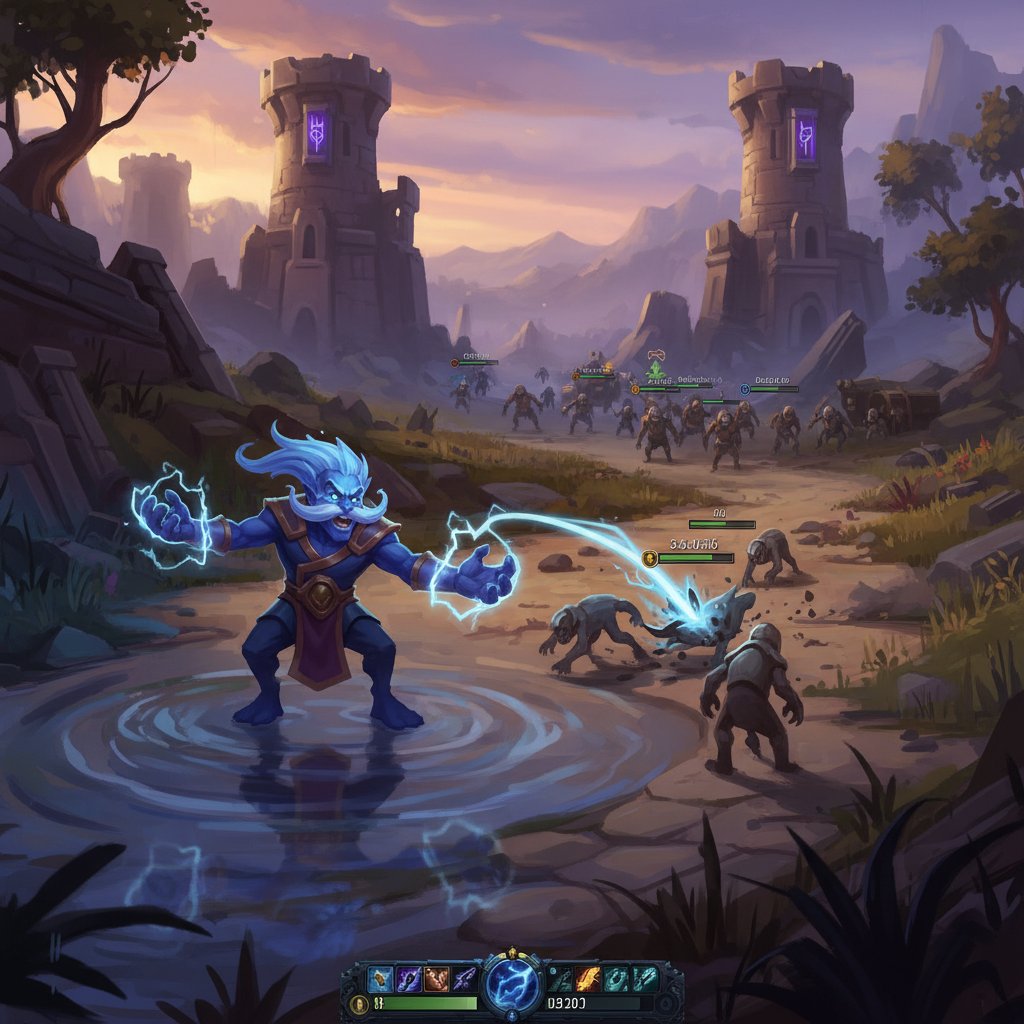
Levels 1-5: Surviving and Farming
Storm Spirit has one of the weakest level 1-5 laning phases among meta mid heroes. His base damage is mediocre, his attack animation is sluggish, and Static Remnant’s mana cost is punishing before you get Bottle. Your priority during this phase is simple: do not die, secure every rune, and hit level 6 with Bottle and Treads.
Creep equilibrium: Storm wants the wave slightly on his side of the river. Use Static Remnant defensively — place it behind you so approaching gankers trigger it. Do not spam remnants to push the wave unless you are about to grab a rune. Every wasted remnant pre-Bottle costs mana you need for emergency Vortex plays.
Rune control is non-negotiable. Storm Spirit with Bottle charges is a completely different hero than Storm without them. You should be moving toward a rune at x:45 every 2 minutes. Water runes at the 2-minute and 4-minute marks are especially critical — they restore both HP and mana, keeping you in lane when the enemy mid wants to push you out.
Level 6 Power Spike
The moment Storm hits level 6, the game changes. You now have kill potential on virtually any hero on the map if they are below 70% HP. Your first gank rotation should happen immediately after securing the 6-minute or 8-minute rune. The ideal sequence is:
- Push the mid wave with a remnant so the enemy mid has to last-hit under tower
- Grab the rune (power rune preferred — Haste and Invisibility are instant kills)
- Ball Lightning to the sidelane where the enemy is pushed out
- Execute the combo: Zip in > Vortex > Remnant > Overload attack > Zip again if needed
- Return to mid or stay to push the tower if the lane is empty
Matchup-specific laning tips:
- vs. Shadow Fiend: You lose the first 4 levels hard. SF’s triple raze can destroy you if you stand in the wave. Play safe, focus on ranged creep last-hits, and look for kills at 6. SF has zero escape — one good zip and Vortex usually results in a kill.
- vs. Invoker: Cold Snap is your worst nightmare pre-6. Do not trade hits with an Invoker who has Cold Snap — the ministuns interrupt your attack animation and remnant cast. After 6, you can kill Invoker if he does not have Ghost Walk ready. Bring dust.
- vs. Queen of Pain: She can Blink your Vortex, making kills difficult. Focus on farming in this matchup. You outscale QoP significantly after Orchid.
- vs. Huskar: Extremely difficult. Huskar’s magic resistance and Burning Spear damage make trading nearly impossible. Consider asking your team to swap lanes or just focus on farming with remnant from max range.
Lane Partner Synergies (When Supports Rotate)
Storm benefits enormously from supports who can set up kills or provide mana. The best support rotations for mid Storm include:
- Earth Spirit: Rolling Boulder into your Electric Vortex is an almost guaranteed kill at level 3-4
- Tusk: Snowball into Ice Shards creates the perfect setup for your full combo
- Crystal Maiden: Her aura alone makes Storm’s laning 50% easier by solving his mana problems
Mid and Late Game Transitions
The 12-20 Minute Window: Storm’s Golden Era
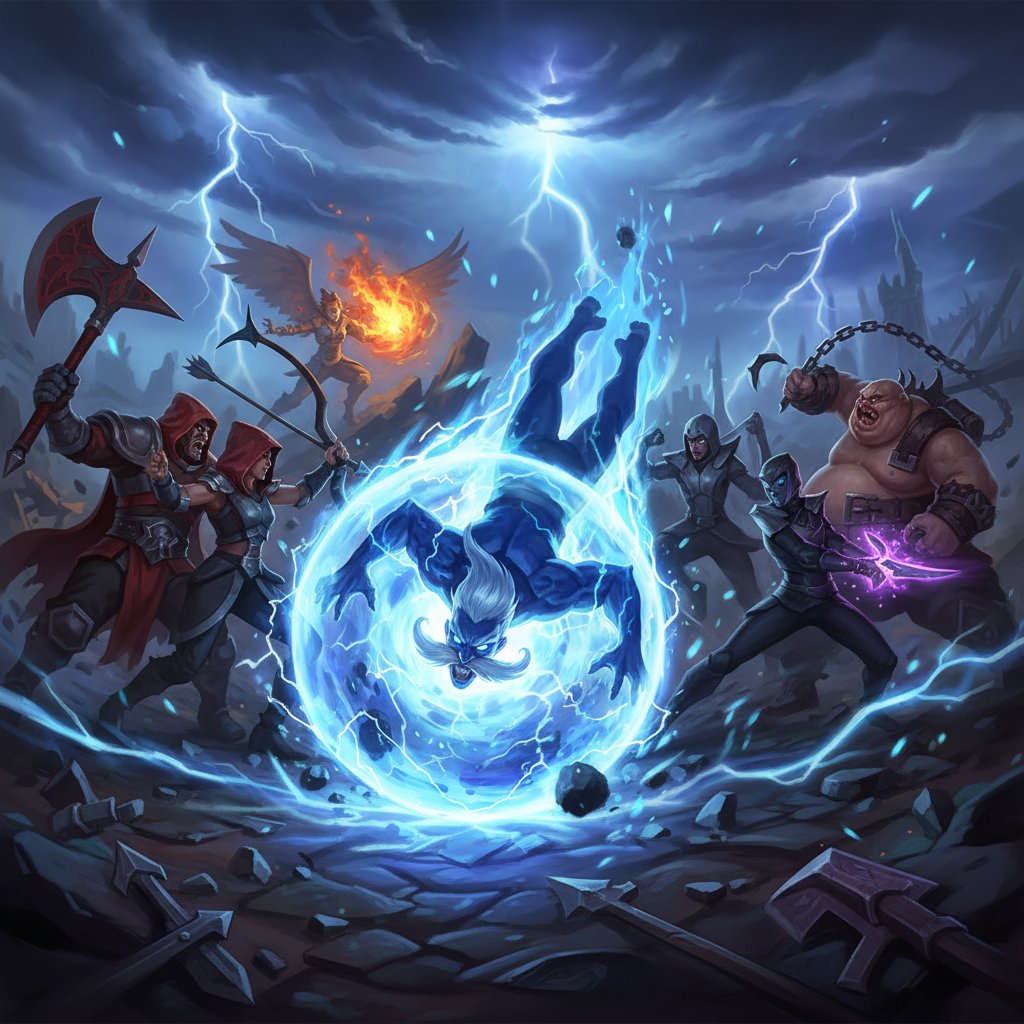
Storm Spirit is at his most dangerous between minutes 12 and 20. This is when he typically has Power Treads, Bottle, and Orchid Malevolence while most supports have no defensive items and carries are still farming. During this window, you should be constantly moving around the map, picking off isolated heroes and securing farm wherever your team is not.
The formula is straightforward: farm a jungle camp > check the minimap for isolated enemies > zip to kill or zip to the next farm spot. Do not sit in lane auto-attacking creeps. Storm’s efficiency comes from using Ball Lightning to cover distance between farm locations while being ready to pivot into a kill at any moment.
Target priority during ganks:
- Enemy supports without Glimmer Cape or Force Staff
- Split-pushing cores with no TP
- Junglers farming alone without vision
- Cores who just used their key defensive ability
25-40 Minutes: The BKB Timing
By 25 minutes, most games transition into 5v5 fights around objectives. Storm’s role shifts from “solo pickoff artist” to “teamfight initiator who dives the backline.” Your BKB timing is the single most important decision in this phase.
Pop BKB before or during your zip, not after. A common mistake is zipping in, landing, then trying to BKB — by then, you have already been stunned by the supports. The correct play is to Ball Lightning toward the enemy backline, activate BKB during the zip (yes, you can use items during Ball Lightning), and arrive BKB-active ready to Vortex their most important support or damage dealer.
When Storm Spirit peaks: Storm is strongest when he has 3 completed items (typically Orchid/Kaya-Sange/BKB). After this point, each additional item adds less relative power. Heroes like Medusa, Spectre, and Faceless Void will eventually outscale you in raw teamfight impact. Close games before 45 minutes if possible.
Late Game: 40+ Minutes
Storm does not fall off as hard as people think in ultra-late game, but his role changes. With Hex, Bloodthorn, and Refresher Orb, Storm becomes the ultimate pick-off hero. You are not looking to 5v5 — you are looking for the enemy carry farming a dangerous lane alone. One zip, Orchid, Hex, and the carry is dead before BKB can be activated.
If forced into 5v5, wait for key abilities to be used before committing. Do not be the first hero into a fight as Storm in the late game. Let your front-liners absorb the initial stuns and AoE, then zip past everything to reach the enemy backline during the chaos. Patience wins late-game Storm fights, not aggression.
Counters: Heroes That Destroy Storm Spirit
1. Anti-Mage — The Mana Nightmare
Anti-Mage is Storm Spirit’s hardest counter, and it is not close. Mana Break burns 28/40/52/64 mana per hit, which directly reduces Storm’s ability to zip and cast. A single Mana Void on a low-mana Storm deals catastrophic damage to him and his entire team. Anti-Mage’s Blink also makes him nearly impossible to catch with Ball Lightning — he just blinks away after your Vortex wears off.
How to play around Anti-Mage: End the game before AM gets Manta Style and Basher. If the game goes late, never zip into fights with less than 80% mana, and never be the target AM focuses.
2. Silencer — Global Shutdown
Last Word and Global Silence completely neutralize Storm Spirit. Last Word forces you to either waste a spell or eat a long silence during your combo. Global Silence shuts down your entire teamfight contribution from across the map. The Intelligence steal passive also permanently reduces Storm’s mana pool as the game goes on.
How to play around Silencer: Rush Eul’s Scepter or BKB. Use Eul’s on yourself to purge Last Word. Always wait for Global Silence to end before committing to fights, or use BKB to zip in during it.
3. Nyx Assassin — The Perfect Counter Kit
Mana Burn deals damage based on your Intelligence (which Storm stacks heavily), Spiked Carapace reflects your combo back at you, and Vendetta’s break ensures you cannot use mobility for a critical moment. A smart Nyx player will sit invisible near the backline and Carapace the moment you zip in, stunning you during your own combo.
How to play around Nyx: Buy Sentry Wards for teamfight areas. Do not zip directly into fights — zip to the side and walk in to bait out Carapace. Once Carapace is on cooldown (14 seconds), you have a window to commit.
4. Doom — Press R, Storm Dies
Doom (the ability) disables all of Storm Spirit’s spells and items. A Doomed Storm Spirit is just a ranged creep with poor stats. The duration is long enough that your team will likely lose the fight 4v5 before it wears off. Doom also tends to build Shiva’s Guard and Refresher, making him tanky enough to survive your initial combo.
How to play around Doom: Never be the first hero Doom sees. Stay on the edges of fights and wait for Doom to use his ultimate on a different target before committing. Buy Linken’s Sphere if the game demands it.
5. Bloodseeker — Grounding the Storm
Rupture punishes Ball Lightning brutally. Every unit traveled during Rupture deals percentage-based damage that can kill Storm in a single long zip. Thirst gives Bloodseeker vision of low-HP heroes, meaning he always knows when Storm is retreating with low health. Blood Rite also provides a large AoE silence that zones Storm out of teamfights.
How to play around Bloodseeker: Stand still when Ruptured — do not panic zip. Use short zips only to proc Overload. TP out if possible. In draft, if the enemy picks Bloodseeker early, consider whether Storm is the right pick at all.
Heroes Storm Spirit Destroys
1. Sniper
Sniper has zero mobility, zero escape, and zero survivability against a Storm Spirit who zips on top of him. Ball Lightning closes the distance instantly, Electric Vortex prevents any kiting, and Sniper’s pathetic HP pool means one combo kills him at any stage of the game. This matchup is so one-sided that experienced Sniper players will actually avoid picking Sniper when Storm is in the game.
2. Drow Ranger
Drow’s Marksmanship bonus damage disappears when a hero is close to her, and Storm Spirit’s entire kit is about being close. Ball Lightning into Drow’s face removes her strongest steroid, and she has no escape beyond Gust (which Storm can dodge during Ball Lightning invulnerability). After the push wears off, Drow is a sitting duck.
3. Shadow Fiend
Despite dominating the laning phase against Storm, Shadow Fiend becomes Storm’s favorite target after level 6. SF has no escape, no disable, and his Requiem of Souls requires a channel that Electric Vortex interrupts. One Orchid on an SF means instant death at virtually every stage of the game.
4. Crystal Maiden
Crystal Maiden’s incredible mana aura and teamfight ultimate mean nothing when Storm Spirit one-shots her from across the map. CM has the lowest base movement speed in the game and zero mobility spells. She cannot outrun a zip, she cannot survive the combo, and her Freezing Field gets canceled by Electric Vortex. Storm players should always prioritize killing CM first in teamfights.
5. Medusa
This might seem counterintuitive, but Storm Spirit handles Medusa better than most heroes. Orchid Malevolence prevents Medusa from using Mana Shield, and Storm’s burst damage overwhelms her HP pool without the shield active. In the laning phase, Storm can dodge Mystic Snake with Ball Lightning and out-rotate Medusa, who farms slowly and cannot follow ganks.
How Pros Play Storm Spirit in the Current Patch
Storm Spirit remains a staple pick in professional Dota 2 throughout 2026, particularly in the hands of players who specialize in aggressive mid heroes. The hero has appeared in several high-profile tournament matches with notable results.
Topson’s Storm Spirit at recent LANs showcased the Witch Blade rush build, prioritizing early fighting over the traditional Orchid timing. Topson frequently skips Orchid entirely in favor of Witch Blade into BKB, relying on his team’s disables instead of his own silence. This build sacrifices solo kill potential for earlier teamfight contribution.
NothingToSay (Xtreme Gaming) has been the most successful Storm Spirit player in competitive play this season, maintaining a 68% winrate on the hero across DPC matches. His signature build path involves an early Eul’s Scepter against silence-heavy lineups, which gives him a self-purge, mana regeneration, and setup potential for ganks. The Eul’s into Kaya and Sange path has become known as the “NTS build” in the community.
Key trends from pro play:
- Early Orchid timing is everything: Pro teams track the enemy Storm’s Orchid timing obsessively. A 14-minute Orchid means supports need to start moving in pairs immediately. A 20-minute Orchid means Storm’s window is closing.
- Shard pickup around 20 minutes: Aghanim’s Shard has become standard. The Shard upgrade (which makes Overload apply a ministun on the first target hit) gives Storm additional lockdown that synergizes with his rapid spell casting.
- Rosh timing: Pro teams take Roshan when their Storm Spirit has Orchid + BKB. The Aegis on Storm creates an almost unwinnable scenario for the enemy team — you have to kill the most mobile hero in the game twice.
For detailed match histories and build progressions, check Liquipedia’s Storm Spirit page.
Rank-Specific Climbing Guide

Herald to Guardian: Building the Foundation
At this bracket, Storm Spirit games are won or lost based on one thing: can you farm your Orchid before the game devolves into constant fighting? Herald and Guardian players tend to group as five from minute 10 onward, which destroys Storm’s ganking rhythm.
Focus areas:
- Last-hitting: Aim for 50 CS by minute 10. Use Static Remnant to secure ranged creeps you would miss.
- Bottle usage: Refill Bottle at every rune spawn. Store runes when possible — double damage and arcane runes are game-changing on Storm.
- Basic combo execution: Practice the Zip > Vortex > Remnant > Attack sequence in demo mode until it is muscle memory.
- Mana awareness: If you have less than 40% mana, do not zip aggressively. Farm jungle camps with remnant instead.
If climbing feels impossible, Dota 2 coaching from Immortal players can identify the specific habits holding you back at your rank.
Crusader to Archon: Adding Game Sense
This is where Storm starts feeling powerful because you understand the hero’s combo, but games still feel coinflip-y. The difference between a Crusader and an Archon Storm player is knowing when to farm and when to fight.
Focus areas:
- Minimap awareness: Check the minimap every 3 seconds. If you see 3+ enemies on the opposite side of the map from you, it is safe to push a lane or gank the remaining enemies.
- Orchid timing benchmark: You should have Orchid by 17-18 minutes. If you are getting it at 22+, you are not farming efficiently enough between ganks.
- Gank target selection: Stop trying to kill the enemy Bristleback or Tidehunter. Focus on supports and squishy cores. One dead Crystal Maiden is worth more than a failed attempt on their tanky offlaner.
- TP scroll awareness: Always carry a TP scroll. If the enemy dives your sidelane and your team is fighting, Ball Lightning to a nearby hidden spot and TP in behind the enemy.
Legend to Ancient: The Macro Leap
Legend and Ancient players have solid mechanics but often misread the game state. At this bracket, information wins games more than mechanics.
Focus areas:
- Smoke gank timing: Buy smokes yourself. When your Orchid completes, immediately smoke and hunt with one support. A 14-minute smoke gank with Orchid should result in a kill 80%+ of the time.
- Tower priority: After a successful gank, take the nearest tower. Storm with Orchid + Overload procs destroys towers fast. Map control is how you translate kills into wins.
- Enemy BKB tracking: Mentally note when enemy cores buy BKB and how many seconds remain on their charges. A carry with a 6-second BKB on cooldown is your primary target.
- Creep wave management: Before teamfights, make sure all three lanes are pushed toward the enemy side. Use Ball Lightning to zip between lanes, dropping remnants to nuke waves. This ensures you have map pressure regardless of the fight outcome.
Divine to Immortal: What Separates the Top 1%
At Divine and above, every Storm player knows the combos and timings. The gap comes from micro-optimizations that accumulate over a 40-minute game.
Focus areas:
- Tread-switching every zip: Intelligence treads before zipping, Strength treads upon landing. This saves approximately 150 mana per teamfight, which translates to one extra zip or one extra combo rotation.
- Pre-emptive remnant placement: Before a fight starts, place remnants at retreat paths and chokepoints. If the fight goes bad, enemies walking through your retreat path eat remnant damage. If the fight goes well, the remnants zone enemies into unfavorable positions.
- Ball Lightning pathing: Do not zip in a straight line. Curve your zips to avoid common ward spots and tree lines. Immortal supports will have sentries along predicted zip paths — take unexpected angles.
- Overload attack weaving perfection: Between every spell cast, you should land exactly one auto-attack. Zero wasted procs, zero extra auto-attacks that do not have Overload charged. This maximizes your damage per mana spent ratio.
- Mana pool thresholds: Know exactly how much mana you need for a full combo at your current level and items. If your combo costs 800 mana and you have 850, you can engage. If you have 780, farm one more camp. This razor-thin calculation is what separates Divine from Immortal Storm players.
Struggling to break through to the next rank? Our MMR boosting service can help you reach your target rank while you focus on improvement.
Tips and Tricks
Animation Cancels and Hidden Interactions
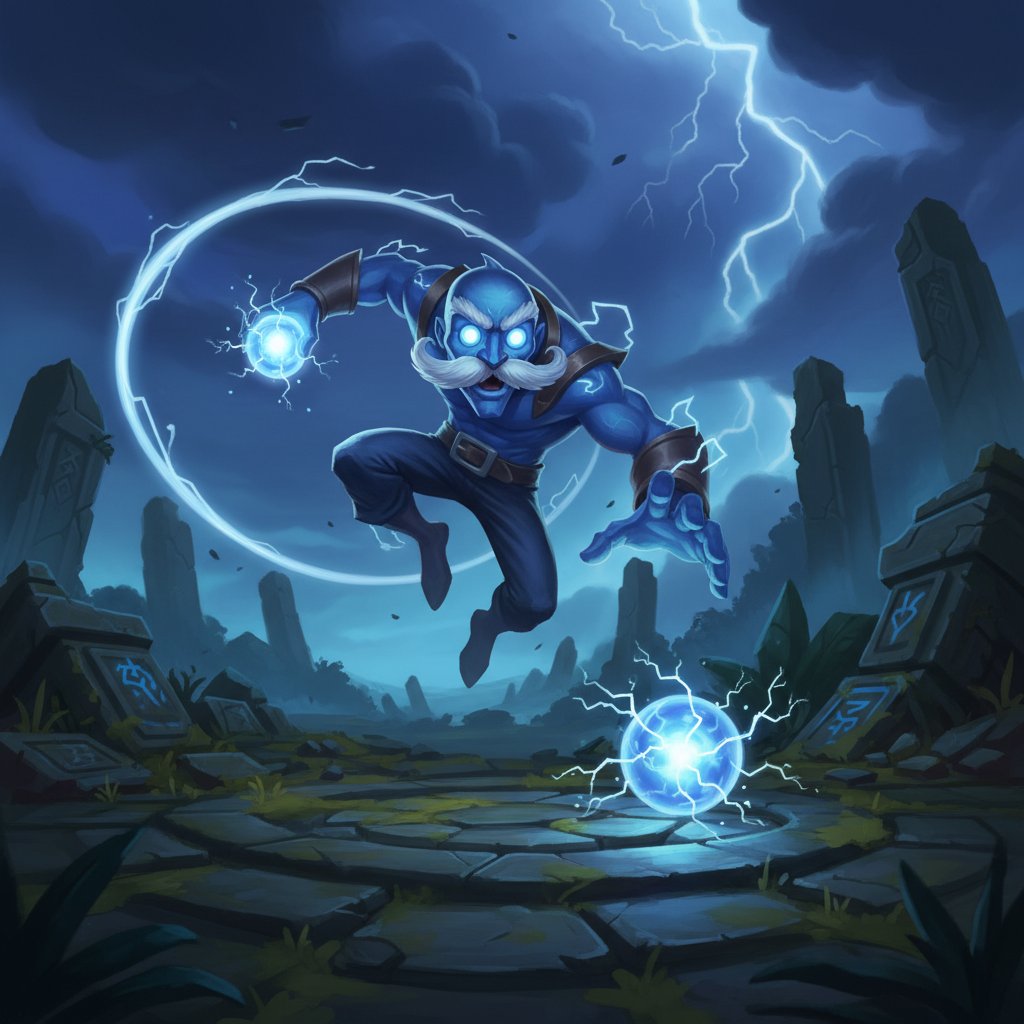
- Orchid during Ball Lightning: Cast Orchid on your target while mid-zip. The silence applies before you even land, giving the target zero time to react with BKB or escape abilities. This is the most important Storm Spirit mechanic to learn.
- Remnant while zipping: Drop Static Remnant during Ball Lightning by pressing Q while traveling. The remnant appears at your current zip position, not where you started. This lets you place remnants exactly on top of enemies you are flying over.
- Double remnant combo: Place a remnant before zipping, then place another remnant during the zip over the same target. Both remnants explode on the enemy, dealing double remnant damage in addition to your Ball Lightning travel damage and Overload proc.
- BKB timing: Activate BKB during Ball Lightning, not before or after. BKB does not interrupt your zip. This means you arrive at your destination already magic immune, giving the enemy team no window to stun you between landing and casting.
- Minimum-distance zip dodge: Tap R right on top of yourself to become briefly invulnerable. Use this to dodge incoming projectiles like Sven’s Storm Hammer, Wraith King’s stun, or tower shots. The mana cost is just 30 + 8% of max mana — worth it to dodge a 2-second stun.
Common Mistakes to Avoid
- Zipping without mana for the full combo: The number one Storm Spirit mistake across all brackets. Before every engagement, mentally calculate: Ball Lightning cost + Vortex (80) + Remnant (100) + at least one more short zip (110-150). If you do not have enough, do not engage.
- Skipping Overload procs: Many players panic and spam all abilities without auto-attacking between casts. This wastes 30-40% of your damage. The rhythm is always Spell > Attack > Spell > Attack.
- Joining fights too early: Storm is not an initiator in the traditional sense. Let your front-line go in first, wait for the enemy to use their key disables, then zip into the backline. Patience gets kills; impatience gets you killed.
- Ignoring BKB: Storm Spirit is one of the most BKB-dependent heroes in the game. Every game, no exceptions. The only question is when you buy it, not whether you buy it.
- Not carrying detection: Enemy supports with Shadow Amulet or Glimmer Cape will vanish mid-fight. Carry Dust of Appearance. Storm is the best Dust carrier in the game because he can close distance instantly and apply it in AoE.
Advanced Mechanics Only High-MMR Players Know
- Fountain regeneration zip: In ultra-late game with Refresher and massive mana pool, you can zip from the fight to your fountain, regenerate for 2-3 seconds, and zip back. This is extremely mana-intensive but can turn lost fights.
- Remnant-first farming pattern: When farming jungle, drop remnant on a large camp, walk to the next camp, auto-attack, drop another remnant, walk to the next. By the time you finish the third camp, the first remnant is ready again. This circular pattern maximizes GPM.
- Vortex as escape: If you are being chased and do not have mana to zip away, Electric Vortex the nearest enemy. The pull disrupts their pathing and movement abilities for up to 1 second, which may give your team time to TP in or give you time to regenerate enough mana for a short zip.
- Aegis timing: When you have Aegis, play hyper-aggressively. Zip into the enemy team, blow your entire combo, die, revive with full mana from Aegis, and immediately go for a second rotation. Two full Storm combos in 5 seconds is something no team can handle.
Frequently Asked Questions
Storm Spirit is not recommended for brand-new Dota 2 players. His mana management requires strong game knowledge, and his laning phase punishes players who do not understand mid lane fundamentals. We recommend learning mid lane with simpler heroes like Zeus or Lina first, then transitioning to Storm once you are comfortable with concepts like rune control, power spikes, and map rotations.
Pick Storm Spirit when the enemy team has squishy backline heroes (Sniper, Drow, Crystal Maiden) and lacks strong mana burn or silence. Avoid picking Storm into Anti-Mage, Silencer, Nyx Assassin, or Doom. Ideally, pick Storm in the second phase after you have seen the enemy mid and support heroes.
A good Orchid timing is 14-16 minutes. An average timing is 17-19 minutes. Anything past 20 minutes means your Orchid window is significantly reduced because enemy supports will have Glimmer Cape or Force Staff by then. Focus on efficient farming between ganks to hit the 15-minute mark consistently.
Not always. Against silence-heavy lineups, Eul’s Scepter first gives you a self-purge. Against heavy physical damage, Kaya and Sange first provides survivability and status resistance. The Witch Blade opening is also viable when you want to fight early. Orchid rush is strongest when the enemy has no natural dispels or BKB rushers.
Always tread-switch to Intelligence before using Ball Lightning. Use short zips (minimum distance) during fights instead of long ones to minimize mana waste. Keep track of your mana percentage — if you drop below 30%, disengage and farm a neutral camp to regenerate. Buy Clarity potions throughout the mid game and pop them before fights start.
Storm Spirit is exclusively a mid hero in competitive and ranked play. He needs the solo experience from mid lane to hit level 6 quickly, and he needs Bottle for mana sustain. Attempting to play Storm as a carry or offlaner results in a significantly delayed power spike that makes the hero far less effective.
Scythe of Vyse (Hex) is the single most impactful late-game item on Storm. It provides a 3.5-second hard disable that goes through BKB status resistance, a massive mana pool increase, and strong stats. Hex plus Orchid means you can lock down any hero for over 8 seconds, which is enough time for your team to kill anyone regardless of their items.
Ready to Ride the Lightning?
Storm Spirit rewards hundreds of games of practice with some of the most satisfying plays in Dota 2. If you want to accelerate your learning curve, our Immortal-rank coaches can review your replays and identify the exact moments where better decisions would have won you the game.