

BB.Save Goes Mid: BetBoom Pos 2 Switch Explained

BetBoom officially confirmed it on September 14, 2026: their cornerstone support player, known as Save, is moving from position 4 (soft support) to position 2 (mid lane) for the upcoming competitive season. The announcement dropped on BetBoom’s official channels and immediately lit up r/DotA2 with 519 upvotes — and for good reason. A veteran pos4 switching mid is not a minor roster tweak. It is a fundamental identity change for one of the CIS scene’s most recognizable teams.
This guide breaks down everything you need to know: who Save is, what pos4 and pos2 actually demand at the pro level, how this reshapes BetBoom’s draft fingerprint, and — most importantly for pub players — what you can steal from this story to level up your own game.
Table of Contents
The Official Announcement: What BetBoom Said
The announcement came from BetBoom’s official Twitter account and was direct: Save is making the move from pos4 to pos2 effective immediately. This is the kind of change that teams typically make in the post-TI roster shuffle window — the few weeks between The International ending and the new competitive season beginning, when contracts reset and organizations reconfigure their rosters.
TI 2026 just wrapped with Team Spirit claiming their third Aegis, cementing their dynasty status in Dota 2 history. As the dust settles across the competitive landscape, teams all over the world are making moves. Virtus.pro disbanded their entire roster. Sumail announced retirement from Nigma Galaxy. And BetBoom chose to keep their core intact but reimagine how their pieces fit together — by sliding Save from the support line into the mid lane.
What makes this announcement unusual is that it is not a replacement. Save is not being swapped out for a new mid player. Save himself is taking on the role. That distinction matters enormously when you are trying to understand whether this is a genuine strategic evolution or a stopgap fix.
Who Is Save? A Profile of BetBoom’s Pos4 Maestro
Save has been one of BetBoom’s most consistent performers over the past two seasons. As a pos4 soft support, his reputation was built on intelligent positioning, vision control, and what the community calls “save plays” — the ability to keep cores alive under pressure with the right items at precisely the right moment. Heroes like Bane, Witch Doctor, Shadow Demon, and Rubick were his bread and butter: heroes where split-second decision-making matters more than raw mechanical output.
The qualities that made Save elite at pos4 are not the same qualities that win mid lanes. A soft support wins by making sacrifices, absorbing punishment, creating space for the carry and mid, and staying relevant through utility rather than farm. A mid player wins by dominating their lane opponent, generating net worth leads, and translating those leads into game-wide pressure before the 20-minute mark.
That said, Save has always had a reputation for being one of the more flexible players on BetBoom’s roster. He has filled different support sub-roles depending on the draft — sometimes functioning closer to a 4.5 playing greedy items, sometimes running the aggressive roaming style that pressures all three lanes. Teams rarely make internal role switches with players who have zero foundation in the target role.
What BetBoom Is Betting On
This is what teams believe when they make a call like this:
- The player’s game sense and decision-making translate between positions — their ceiling of understanding is high enough to survive the lane phase
- Their mechanical skills are strong enough to compete in the 1v1 mid lane against dedicated mid specialists at the pro level
- The organizational structure around them — coaching, draft support, core player synergy — will accelerate the adaptation curve
- The roster remains competitive during the learning period without dropping to a tier they cannot recover from
BetBoom clearly believes Save passes all four tests. That is either a well-reasoned organizational bet, or it will be exposed within the first split of competitive play. Post-TI history has a long record of both outcomes in roughly equal proportion.
Pos4 vs Pos2: Two Different Universes
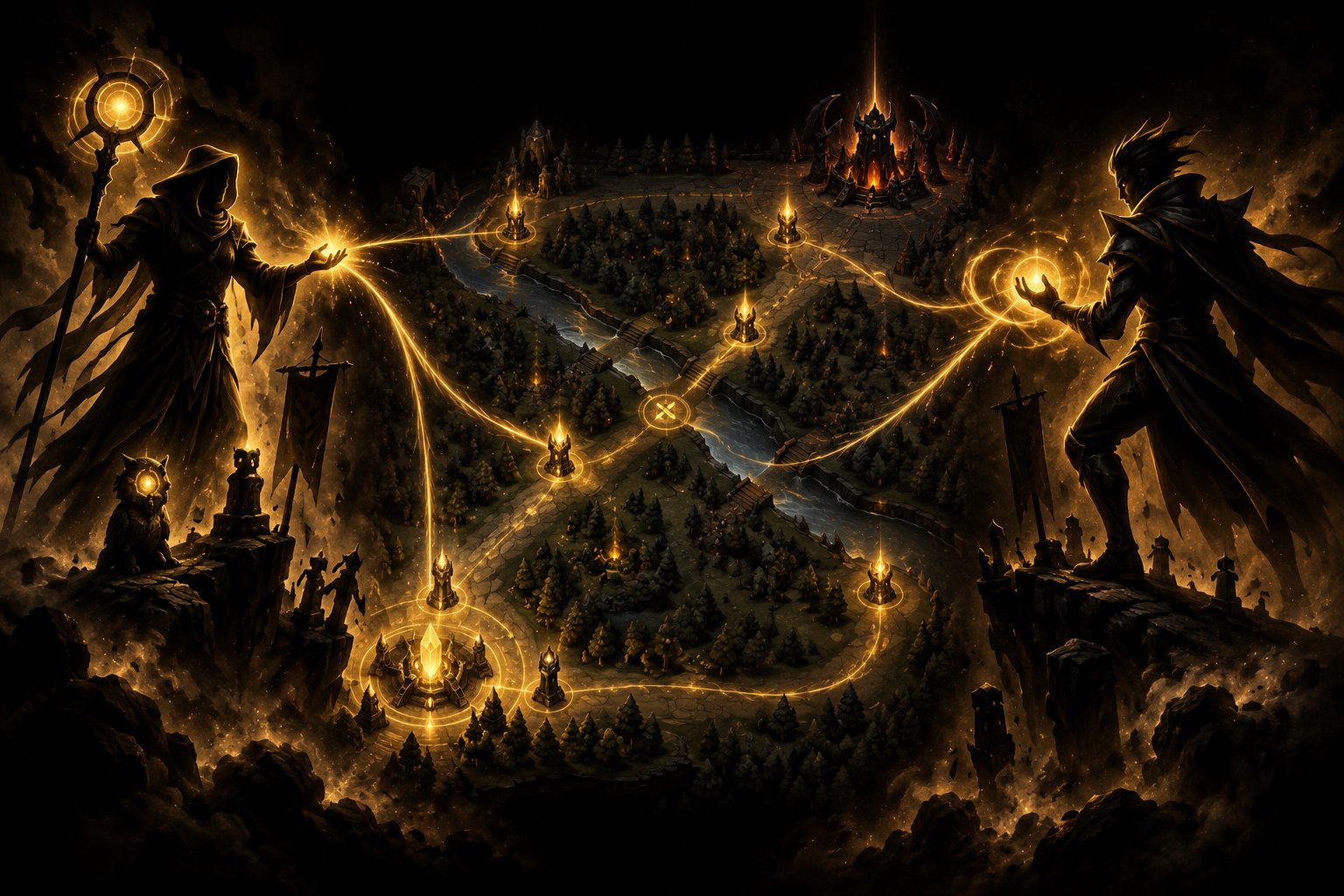
If you are a pub player who has never seriously played both roles, understanding what this switch actually demands is essential context for evaluating whether Save can pull it off — and for improving your own game. These roles share the same map but live in completely different mechanical and mental worlds.
What Pos4 Actually Does
The soft support (pos4) is the team’s early game utility engine. In the lane phase, pos4 typically shares the offlane alongside the pos3, or roams between lanes applying pressure. The priorities look like this:
- Vision and ward control: Pos4 spends a significant portion of their gold on Observer and Sentry Wards throughout the game. In high-level play, vision advantage translates directly into lane survival, Roshan control, and objective security.
- Lane aggression and zoning: Good pos4 play is about pushing the enemy support out of position during the first five to seven minutes so your pos3 can lane effectively and generate a net worth advantage.
- Roaming and kill creation: A pos4 who generates first blood and early kills across multiple lanes compresses the enemy cores and buys breathing room for your farming lineup to scale into their items.
- Core sacrifice: When resources are tight, pos4 is the player who surrenders farm, XP, and map presence. You win by enabling others to hit power spikes, not by hitting your own.
What Pos2 Actually Does
The mid lane (pos2) is a completely different discipline. Mid is the solo-XP priority position in Dota 2. The lane matchup is 1v1. The goals look like this:
- Lane dominance: Winning the mid lane is about creep score, denies, and forcing the enemy mid to lose XP by standing too far back under threat. Every denied creep is a compounding XP advantage that translates into a level lead that compounds further throughout the game.
- Rune control: Mid players contest bounty runes at the 0 and 2-minute marks, powerup runes at 2 and 4 minutes, and wisdom runes from 7 minutes onward. Rune control directly impacts the mid player’s farming tempo and kill threat against side lanes.
- Rotation timing: A dominant mid player creates a rotation window — they push the wave under the enemy tower and gank a side lane before returning to maintain their XP lead. Missing or mistiming rotations is the single most common mid player mistake at all MMR levels.
- Net worth timing: Mid heroes hit item timing power spikes that must be respected. Hitting your 6-minute Bottle and first-timing item by 12-15 minutes is a real difference-maker in high-level play. Late timings cascade into weak mid-game impact and lost objectives.
| Attribute | Pos4 (Soft Support) | Pos2 (Mid) |
|---|---|---|
| Farm Priority | 5th — survival items only | 2nd — core items on timing |
| Lane Structure | Trilane or roaming | Solo 1v1 |
| Main Mechanic | Vision, utility spells, saves | CS, denies, rune control |
| Win Condition | Enable cores to hit power spikes | Create your own power spike first |
| Sacrifice Tolerance | High — expected to go negative | Low — net worth gap matters |
| Hero Pool Type | Utility supports | Tempo cores, fighters, pushers |
| Mental Model | Team-first, selfless | Resource-first, impact-driven |
The mechanical demands are genuinely different. A pos4 who has not practiced CS discipline, last-hit timing under pressure, or 1v1 lane management against elite opponents is going to face a steep learning curve — regardless of how excellent their decision-making and game sense are.
The one area where pos4 experience transfers directly to mid is anti-gank awareness. A player who spent years as a soft support knows exactly when the enemy pos4 is likely to rotate through mid. That knowledge reduces the chance of getting caught off-guard by a gank they should have read several waves earlier.
How This Changes BetBoom’s Draft and Playstyle
The most immediate practical impact is on BetBoom’s hero pool. A pos4 hero pool and a pos2 hero pool have minimal overlap at the professional level. Save will need to develop comfort on mid heroes — typically across several categories:
- Tempo fighters: Heroes that create map pressure through kills and tower push without requiring frame-perfect CS mechanics. Death Prophet, Dragon Knight, and Leshrac fall into this category and suit players with strong teamfight positioning instincts.
- Utility mid heroes: Heroes that provide team utility from the mid role while generating enough net worth to be relevant — Invoker, Storm Spirit, and Puck reward game sense and timing more than pure CS output.
- Greedy but self-sufficient farmers: Heroes that can safely farm without needing to win the lane outright — Outworld Destroyer and Templar Assassin can be viable even from a lane that goes even or slightly negative, provided the player can free-farm safely.
What Save is unlikely to play early in his transition: pure farming carries that demand mechanical CS perfection (Arc Warden, Medusa) or aggressive lane bullies that require specific matchup knowledge developed over hundreds of games in the role (Shadow Fiend, Ember Spirit).
Draft Strategy Implications
BetBoom’s draft style will shift to accommodate a developing mid player. Teams typically respond to a transitioning mid by doing one of three things:
- Drafting safe mid heroes that can survive a suboptimal lane phase and still be relevant — protecting the mid player while they adapt
- Building team compositions around the mid being secondary — making the carry or offlaner the primary threat generator while mid plays supportive damage
- Front-loading the draft with supports that can enable a mid who is slightly behind — creating a protective bubble for the transition period
How aggressive BetBoom is willing to be in their drafts during Save’s first few months will tell us how confident the coaching staff actually is in his development.

Post-TI 2026 Competitive Context: Why This Is the Right Window
TI 2026 was the decisive event for the entire Dota 2 competitive year. Team Spirit’s third Aegis is the headline result, but the aftermath matters just as much for the rest of the scene. When Spirit wins convincingly — and they did — every other top team is asking the same question: what do we need to change to compete with them?
Some teams answer that question by buying new players. Some rebuild from the ground up (VP’s complete disband is the most extreme example this year). And some teams — like BetBoom — look internally and ask whether the talent they already have can be reconfigured more effectively. Internal role switches are a bet on player development rather than market acquisition.
The timing also matters because of the incoming Dota 2 patch. A 7.42 patch is expected in the post-TI window — the post-TI patch has historically been one of the largest reworks of the year, with hero reworks, item changes, and map adjustments that reset the meta significantly. When the meta resets, role-switching players have a window to establish themselves before the competition fully adapts.
If 7.42 arrives with new mid-lane hero buffs or item changes that favor Save’s likely hero pool, BetBoom may have timed this perfectly. If the patch heavily rewards mechanically precise farming mid heroes, the transition becomes harder. Either way, teams that can read the incoming patch and build their roster strategy around it are the ones that gain ground during the pre-season.
What Pub Players Can Steal From the Save Switch
Whether or not Save succeeds at pos2 is interesting to watch from a competitive perspective. But the practical question is what this situation teaches pub players about their own role selection, development, and MMR strategy.
Lesson 1: Your Role Is a Skill Set, Not a Permanent Identity
Most pub players pick a role and never seriously develop skills outside it. Supports do not practice last hitting. Carry players do not understand ward coverage patterns. Mids do not understand how pos4 rotations work. This creates massive blindspots that opponents at higher MMR exploit consistently.
Spending even 20 to 30 games per month in your off-role gives you information that directly improves your main role. A pos2 player who understands how pos4 rotations are timed will never get caught off-guard by a gank they should have read three wave-clears earlier. A pos4 player who understands mid CS patterns will set better lane aggression timings and know when their mid is vulnerable versus when they are safely ahead.
Lesson 2: Game Sense Is the Real Currency
What Save brings to mid is not raw mechanics. It is game sense — the ability to read a team fight situation, identify the threat vector, and respond in the correct priority order. That is the hardest thing to develop in Dota 2, and it is the quality that separates players who climb with any hero from players who are bracket-locked to specific heroes in a specific role.
For pub players transitioning positions: do not focus on your CS numbers in the first 30 to 50 games in a new role. Focus on decisions. Are you rotating when you should? Are you spending gold efficiently given your role’s priorities? Are you identifying power spike windows correctly? Mechanics catch up through repetition. Decision-making is the ceiling that most pub players never address directly.
Lesson 3: The Post-TI Window Is the Best Time to Experiment
If you have been thinking about trying a new role or a new hero category, right now is the moment to do it. The ranked pool is relearning the game alongside you. Opponents have less certainty about what the correct plays are. This compression in meta knowledge temporarily levels the playing field.
Many players have climbed entire brackets by being early adopters of a new meta hero or hero category in the post-TI patch window. That requires being the player who experiments, not the player who waits for the community tierlist to update before making any changes.
Lesson 4: Find Where Your Game Style Creates the Most Team Value
BetBoom did not make this call because Save is obviously the best mid player available on the market. They made it because the team as a whole plays better with Save in that role. In pub settings, the equivalent dynamic is finding a position where your team consistently plays better around you — even if it is not your highest-skill role on paper.
If your team wins 60% of games when you play pos3 but only 48% when you play carry, the math says play pos3. MMR optimization is partly a meta-game about finding where your skill set creates the most team value, not just maximizing your individual hero performance.
Will It Work? TeamSmurf’s Honest Analysis
Here is an honest assessment rather than a diplomatic fence-sit.
Factors Working in Save’s Favor
- Organizational stability: BetBoom is not a team in chaos. They have coaching infrastructure, draft support, and experienced teammates who can create a forgiving environment for the early learning curve games.
- Post-TI meta reset: If 7.42 arrives with significant changes, everyone is relearning simultaneously. The transition cost is lower when the benchmarks themselves are shifting for all players.
- High-level game sense: Understanding enemy support rotations, reading draft flow, and identifying throw patterns all transfer directly from pos4 to pos2. These are not role-specific skills.
- Internal preparation: Professional teams do not make role switch announcements on the fly. BetBoom has almost certainly been testing this internally for weeks before going public. The announcement signals confidence in early internal results.
Factors Working Against
- Pro-level mid is brutal: The 1v1 mid lane at tier 1 competition is one of the highest-pressure environments in Dota 2. Slight mechanics deficits get exploited mercilessly by dedicated mid specialists who have played nothing else for years.
- Hero pool takes time: Developing competitive confidence across 8 to 10 mid heroes takes months. BetBoom’s draft will have exploitable patterns until Save’s pool matures and becomes unpredictable.
- No live evidence yet: All analysis at this stage is projection. The first competitive tournament results will be the only real verdict, and those results take weeks to arrive.
| Factor | Assessment | Short-Term Impact |
|---|---|---|
| Game sense transfer | High — will carry over | Positive |
| Mechanical lane phase | Medium — needs work | Neutral to negative |
| Hero pool depth | Low initially | Negative short-term |
| Team support structure | Strong | Positive |
| Post-TI patch timing | Favorable | Positive |
| Competition quality | High — CIS tier 1 | Negative early |
Our verdict: Save will face real challenges in his first two to three tournaments. The lane phase will be the primary stress point. But BetBoom made this decision with internal information that we do not have access to, and competitive organizations at this level rarely make public role switch announcements unless internal scrims already demonstrate the player can survive the transition. By the second half of the first split, if the coaching staff can develop a stable mid hero pool around Save’s actual strengths — likely tempo heroes and utility mids that reward decision-making over mechanical precision — BetBoom could look like a different team. Not weaker. Different and potentially more unpredictable.
If you are an aspiring competitive player looking at what it takes to play at the highest levels of the Dota 2 scene, this is a useful reminder that professional teams value adaptability and organizational fit alongside mechanical peak. The players who stay in tier 1 for years are the ones who can serve a roster’s needs across multiple roles as the meta evolves.
FAQ: BB.Save Position Switch
Ready to Climb in the Post-TI Window?
The post-TI patch is the single best time to push your MMR. The meta is resetting, everyone is experimenting, and players who understand how to read these shifts gain the most ground. Whether you want to break through a bracket ceiling or get Immortal-rank coaching on the incoming meta, TeamSmurf delivers results.
Get Your MMR Boost Book Coaching Session


