How to Counter Riki: Vision, Items, and Timing

Riki is one of the most punishing heroes in pub Dota 2. His permanent invisibility forces your entire team to make costly decisions about vision items every single game, and if nobody commits to detection early, he snowballs into an untouchable assassin who picks off supports one by one until your lanes collapse. In lower MMR brackets, he is frequently one of the highest-win-rate heroes in the pool precisely because players do not respect what sustained detection coverage actually costs and requires.
The good news is that Riki has a real ceiling. He is fragile, mana-starved, and almost entirely dependent on the element of surprise. The moment your team runs proper detection — and more importantly, runs it at the right times and in the right places — Riki becomes one of the easiest carries in the game to neutralize. His kill potential drops sharply the second you can see him, and without kills to buy items, he cannot scale into the late game the way strength or intelligence carries can.
This guide covers everything you need in patch 7.41d: the detection hierarchy (dust, sentries, gem and exactly when to transition between them), the best counter heroes with their mechanical advantages explained, laning strategies, mid-game adjustments, and the draft principles that give you structural answers rather than just hoping your supports bought enough wards. If you are stuck at a bracket where Riki seems unbeatable, our MMR boosting guide covers how professional players handle vision control at every rank.
What This Guide Covers
Why Riki Is Dangerous in Patch 7.41d
Riki has always been a feast-or-famine hero. In a game where his team commits early and runs coordinated ganks while he picks up kills, he reaches his Diffusal Blade timing around 12-15 minutes and becomes extremely difficult to kill without preparation. In a game where detection is maintained and his targets stay grouped, he accomplishes very little and falls off sharply as the enemy team buys more cost-efficient fighting items.
In patch 7.41d specifically, Riki received a notable adjustment: the Smoke Screen ability had its enemy armor reduction reduced from 7 to 6. While this sounds minor, it actually reduces the burst window slightly and means tanky targets inside the Smoke Screen survive slightly longer, giving teammates more time to react. The patch also removed the earlier bonus evasion that used to benefit allied units standing inside the Smoke Screen radius — this was stripped in a prior patch, meaning the spell is now purely offensive with no defensive benefit for Riki’s team. The Smoke Screen radius itself was increased to 425, so the area it covers is larger, but the reduced armor penalty softens the threat against coordinated teams who can respond quickly.
What makes Riki genuinely dangerous is the combination of three factors happening simultaneously: his passive invisibility means enemies cannot track him on the minimap, his Smoke Screen silences and adds miss chance so targets cannot fight back effectively, and Tricks of the Trade hits every nearby enemy while he phases out of the physical plane. Against teams with no detection and poor positioning habits, this triple threat is almost impossible to deal with reactively.
Riki Abilities: A Quick Counter Reference
To counter Riki properly, you need to understand each ability and how it interacts with the tools available to you.
Cloak and Dagger — This is Riki’s passive permanent invisibility. He turns invisible when not attacking and stays invisible as long as he is not doing damage. Importantly, toggling items no longer breaks Cloak and Dagger invisibility (this was changed in a recent patch). Detection — dust, sentries, or gem — is the only counter. You cannot hear Riki unless you have true sight.
Blink Strike — A targeted blink onto an enemy that deals bonus damage and grants a temporary movement speed bonus. This is how Riki closes distance instantly against targets he should have no business reaching. The damage bonus scales with his agility. Countering this means having enough health to survive the initial burst and having teammates close enough to respond within 2-3 seconds.
Smoke Screen — Riki throws a cloud of smoke at a target location. All enemies inside are silenced and have a miss chance on their attacks. In 7.41d the radius is 425, the silence lasts up to 6 seconds, and the miss chance ranges from 40% to 70% depending on level. The armor reduction is 6 at max level. Force Staff is the primary escape tool because it moves you a fixed distance outside the radius.
Tricks of the Trade — Riki’s ultimate. He blinks to a target, phases himself so he cannot be targeted, and slashes every enemy in the area multiple times over several seconds. During this phase he is completely untargetable. You cannot kill him while Tricks of the Trade is active, but you can use area spells that persist on the ground (Chrono, Black Hole, Ravage) to hold enemies in place while waiting for him to reappear.
The Detection Hierarchy: Dust, Sentries, and Gem
The single biggest mistake players make against Riki is treating detection as binary — either buy some or buy none. The reality is that each detection tool has a specific role, and rotating between them as the game evolves is the difference between wasting gold and systematically denying Riki every opportunity to work.
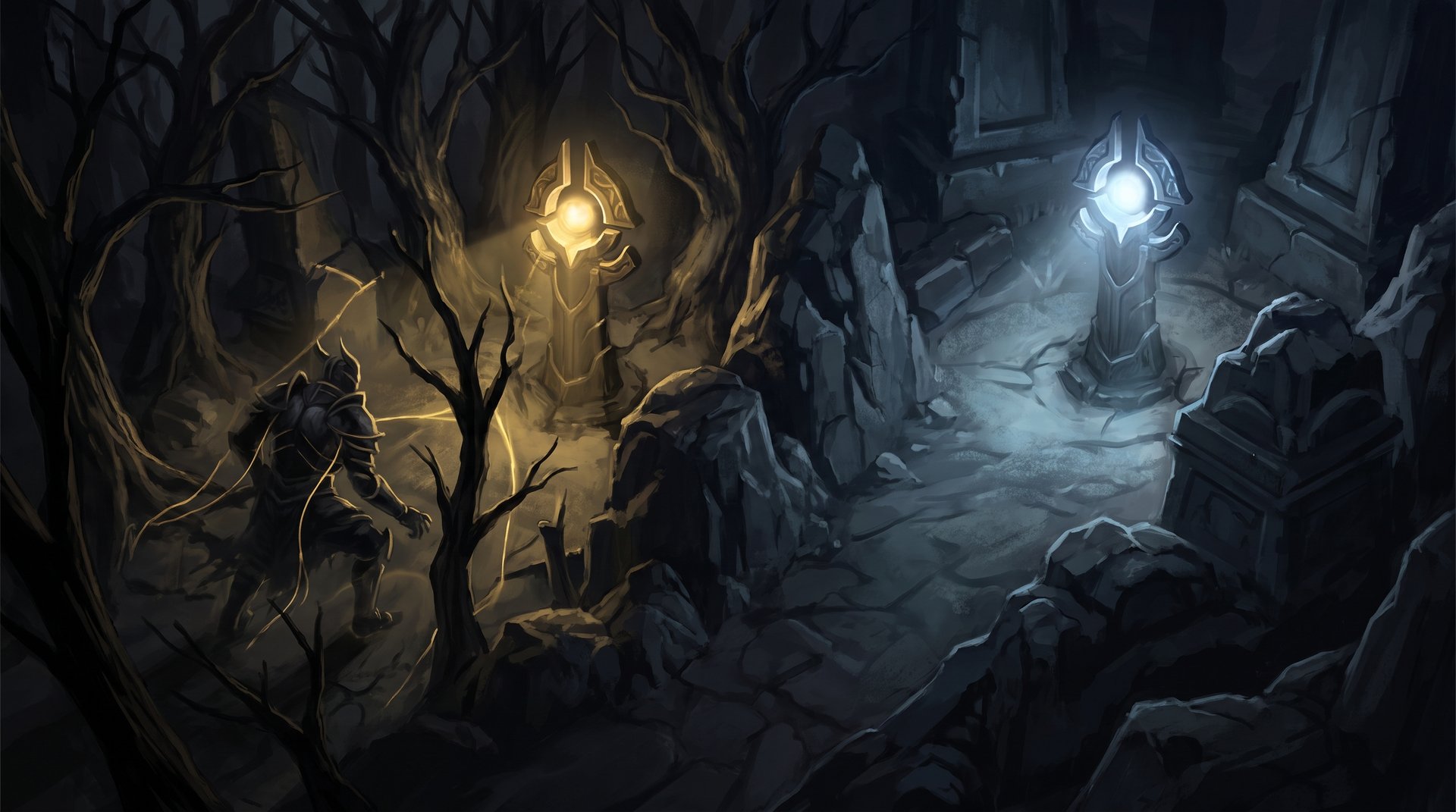
Dust of Appearance
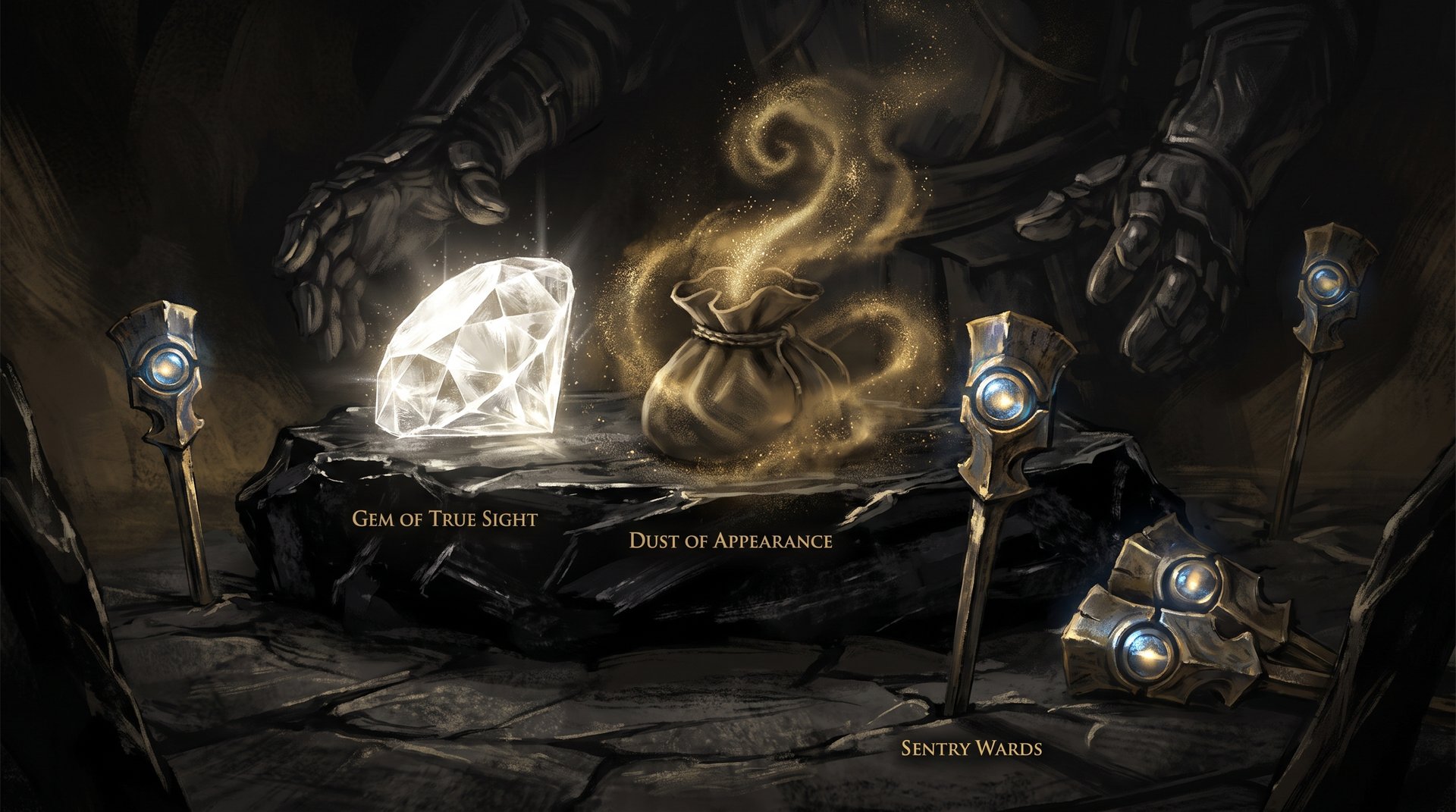
Dust of Appearance costs 80 gold, provides 12 seconds of true sight in a large radius around the user, and slows Riki by 10% when it triggers. It is the cheapest and most actionable detection tool in the game. Every support should have at least one dust in their inventory at all times starting from the 6-minute mark when Riki starts threatening to roam.
The key timing with dust is to use it proactively, not reactively. If you wait until Riki has already Blink Struck a target and thrown Smoke Screen, your ally is already silenced and at 40-70% miss chance. By the time you pop dust, the kill is often already secured. Instead, use dust when you see a gap in the minimap — when Riki has not been spotted for 30+ seconds, pre-dust the area where your team is positioned before moving forward on the map.
Dust is most effective during the laning and early mid-game phase (minutes 5-18). During this window, Riki likely does not have Diffusal Blade yet, cannot cleanse the slow, and your team can focus him down quickly once revealed.
Sentry Wards
Sentry Wards cost 75 gold each and provide true sight in a 850 radius permanently until destroyed or removed. Unlike dust, sentries are passive and defensive — they cover an area constantly without requiring a player to be present. They are ideal for protecting specific locations where Riki would frequently pass or station himself.
Key sentry ward placements against Riki in patch 7.41d:
- River rune spots — both bounty rune areas near minute 0, and both power rune spots at 6 and every 2 minutes after
- Ancient camp entrance — Riki frequently stacks and farms ancients while invisible; a sentry near the camp entrance spots him in transit
- Roshan pit — A sentry inside or at the entrance to Roshan pit completely denies Riki any attempt to solo Roshan or steal the Aegis
- High-ground chokepoints — the small ledge above each lane, especially the safe lane side, where Riki positions for gank setups
- Jungle entrances on your half of the map — any sentry placed at the narrow entry points denies Riki the ability to position unseen in your jungle before a fight
Replace sentries consistently. Riki players know where common placements are and will dedicate time to deward them using his invisibility advantage. Varying your placement spots slightly — moving sentries 100-200 units from the obvious position — dramatically increases their lifespan.
Gem of True Sight
Gem of True Sight costs 900 gold and provides permanent global true sight to the bearer. It is the most powerful detection tool in Dota 2 but also the riskiest: it drops on death and is fully retrievable by the enemy team. The gem is a commitment and a responsibility.
Optimal gem timing against Riki is approximately 20-25 minutes, when your team has enough gold efficiency that the 900 investment does not significantly delay core items, and when you have a hero who can realistically avoid dying while carrying it. Good gem carriers include tanky supports like Earthshaker or Tidehunter who have strong fighting presence and do not solo-dive, and off-core heroes who fight with the team rather than farming solo.
Never buy the gem on your position 5 support if Riki has already secured 3+ kills and has a Diffusal Blade. A dead gem is a gem that costs your team 900 gold and gives Riki a permanent ward. Wait until you have a teamfight win or a decisive map control advantage before committing to the gem.
| Detection Tool | Cost | Best Window | Primary Use Case |
|---|---|---|---|
| Dust of Appearance | 80 gold | Minutes 5-20 | Active ganks and rotations, catching Riki in transit |
| Sentry Ward | 75 gold each | All game, refresh every 5-7 min | Protecting key areas, tower defense, Roshan |
| Gem of True Sight | 900 gold | Minutes 20-25 onward | Full-map coverage when team is ahead or stable |
Counter Items Beyond Detection
Detection reveals Riki but does not kill him. You also need items that address his specific mechanical threats: the Smoke Screen silence, the burst from Blink Strike and Tricks of the Trade, and his ability to escape if the initial burst does not finish him.
Force Staff
Force Staff is the single best escape tool against Smoke Screen. The ability propels you a fixed 600 units in the direction you are facing, which at Smoke Screen’s 425 radius almost always puts you completely outside the cloud. Once out of the silence, you can cast spells, use items, and turn the fight around. Every intelligence support in a game with Riki should consider Force Staff as a mandatory buy unless another team member already has it.
Orchid Malevolence and Bloodthorn
Orchid silences Riki during Tricks of the Trade setup, preventing him from using Smoke Screen before his ultimate. Bloodthorn, the upgraded version, applies a debuff that causes all attacks against Riki to crit during its duration — when your team catches him with a gem or sentry active, Bloodthorn crits combined with Riki’s low health pool delete him in under 2 seconds. These are core items on mid heroes like Skywrath Mage or Silencer who already want the mana regen.
Ghost Scepter and Ethereal Blade
Ghost Scepter makes the user invulnerable to physical attacks for 4 seconds, negating almost all of Riki’s damage output since Blink Strike and Tricks of the Trade are both physical damage. The downside is increased spell damage taken, but Riki deals nearly zero magic damage, making this a near-perfect defensive item. Ethereal Blade upgrades this into a 3-second cast that also affects enemies, allowing you to etherealize Riki and then bomb him with magic burst.
Silver Edge
Silver Edge breaks Cloak and Dagger passive permanently for 5 seconds when it procs. This is relevant if you are playing an agility carry that wants to itemize against Riki — a single Silver Edge proc while he is visible (via detection) strips his passive, leaving him unable to go invisible again for 5 seconds, which is enough time to burn him down. Heroes like Phantom Assassin or Faceless Void can fit Silver Edge into their build naturally.
Heaven’s Halberd
Heaven’s Halberd gives evasion that partially compensates for Smoke Screen’s miss chance on your attacks. More importantly, its active disarms Riki for 3-4 seconds, completely shutting down his right-click output. Since Tricks of the Trade scales with attack damage, a disarmed Riki before his ultimate is significantly weaker. Strength cores and off-laners benefit most from this item.
Best Counter Heroes Against Riki in 7.41d
The following community data on hero performance against Riki is sourced from dota2counters.com, which aggregates public match data across all skill brackets. Win rates are approximate and vary by rank and sample size.
| Hero | Approx. Win Rate vs Riki | Sample Size | Primary Counter Mechanism |
|---|---|---|---|
| Omniknight | 54.8% (community data) | 21,000+ games | Guardian Angel denies physical damage burst |
| Lifestealer | 54.7% (community data) | 43,000+ games | Rage immune to Smoke Screen silence; high attack speed |
| Legion Commander | 53.9% (community data) | 90,000+ games | Duel isolates Riki; Overwhelming Odds punishes low armor |
| Clinkz | 53.0% (community data) | 51,000+ games | Skeleton Walk — also invisible, denies Riki free roam |
| Crystal Maiden | 52.5% (community data) | 81,000+ games | Frostbite root removes Riki after detection; slow |
| Bounty Hunter | 52.0% (community data) | 78,000+ games | Track reveals Riki globally; Gold bounty punishes kills |
| Anti-Mage | 54.2% (community data) | 91,000+ games | Counterspell reflects Smoke Screen silence back |
Bounty Hunter
Bounty Hunter is arguably the best structural answer to Riki in the game. His Track ability reveals any enemy hero on the minimap permanently until death — cast it on Riki once and your entire team knows his position for the rest of the fight. More importantly, Track denies Riki the psychological advantage of invisibility because he cannot reposition without your team noticing the minimap icon. Bounty Hunter also operates invisibly himself via Shadow Walk, making early skirmishes a battle of detection on both sides where Bounty Hunter has the advantage due to Track’s global reach. Purchase a wand and urn early to maximize your gold income from Track’s kill bonus.
Legion Commander
Legion Commander wins the Riki matchup primarily because of Duel. Once Riki is revealed, Legion Commander can force him into a one-on-one where Riki cannot escape and cannot throw Smoke Screen (the duration of Duel overrides most actions). Legion Commander’s Overwhelming Odds is especially strong against Riki because Riki has low base armor and low health — a max-level Overwhelming Odds into a Duel forces Riki’s hand completely. Press the Attack’s attack speed also helps push through Smoke Screen’s miss chance for 5 seconds. Pick Legion Commander as your carry or offlane when the enemy team has Riki and you want to be the answer rather than a passive counter.
Omniknight
Guardian Angel is the full counter to Riki’s damage profile. The ultimate makes all allied heroes immune to physical damage for 5-6 seconds globally (or much longer in a local radius), which completely negates Tricks of the Trade and Blink Strike since both deal only physical damage. Even Riki’s basic attacks deal zero damage during Guardian Angel. Omniknight also brings Heavenly Grace (formerly Repel) to purge silences, which synergizes against Smoke Screen. The downside is that Omniknight is a weak laner and needs careful positioning, but the teamfight contribution against Riki is unmatched.
Lifestealer
Lifestealer’s Rage ability provides magic immunity, which by extension makes him immune to Smoke Screen’s silence component since the silence is a magic debuff. A Lifestealer inside Smoke Screen can still attack, use items, and fight normally — the miss chance on his attacks remains, but he can compensate by building attack speed items like Basher. Feast passive also means Riki’s low health pool melts quickly to Lifestealer’s percentage-based lifesteal damage. Pick Lifestealer when you want a carry that naturally bypasses Riki’s primary tool.
Slardar
Slardar is not listed in the community table above due to sample size variance, but is widely cited by dotacoach.gg and other sources as one of the strongest hard counters to Riki. Corrosive Haze — Slardar’s ultimate — applies a permanent true sight debuff on the target hero that lasts until death and also reduces armor by 20. This means a single Slardar ult on Riki reveals him completely without requiring dust or sentries, and the armor reduction stacks with everything else your team is doing. Sprint gives Slardar enough movement speed to chase Riki after reveal. Buy Blink Dagger on Slardar and the combo becomes: Blink in, ult Riki, the entire team sees him and can pile on.
Zeus
Zeus counters Riki through Lightning Bolt, which provides true sight in a small radius at the cast location for 5 seconds. More importantly, Thundergod’s Wrath (Zeus’s ultimate) provides global true sight for its short duration, which combined with a dust throw can guarantee a kill on a fleeing Riki anywhere on the map. Zeus is also a natural mana-rich hero who has no reason to fear Smoke Screen beyond the miss chance on right-clicks, which he does not rely on anyway. Pick Zeus mid when you want both kill potential and a safety net for catching Riki at any point in the game.
Laning Phase: Shutting Riki Down Before He Snowballs
Riki almost always plays safe lane carry in pub games. His laning phase is weaker than most agility carries — he has low base stats outside of agility, minimal waveclear, and Cloak and Dagger does not activate in combat, meaning he cannot hide when trades happen. The window to hurt Riki is squarely between levels 1-6 before he gets roaming potential.
If you are the opposing safe lane support, your job is to buy and place sentry wards in the lane from the first minute. A sentry placed at the river entrance to the safe lane, near the pull camp, or along the main lane path removes Riki’s ability to position behind your creep wave while invisible. With a sentry active, Riki is visible while last-hitting and can be traded against and harassed normally.
Pair your lane sentry with an active dust on your position 4 or 5. When Riki hits level 3-4 and starts looking for a kill on your carry or mid, the dust plus sentry combination reveals him during the engage. A single successful dust-reveal in the lane where your carry kills or severely injures Riki delays his Diffusal Blade by 4-6 minutes — enough for your own core to pull ahead in net worth. If you want your carry to hit their power spike faster regardless of how the Riki matchup plays out, our boosting services provide dual-queue options where a high-MMR player facilitates lane control while you practice the vision habits described in this guide.
Against a Riki who goes safe lane, your position 3 offlaner should also purchase a sentry for the first minute and drop it at the common Riki positioning spots in the offlane jungle near the T2. This prevents him from ghosting into the jungle invisibly to stack camps while you are distracted in lane.
Mid-Game Adjustments: Minutes 10-25
By minute 10, the game against Riki transitions into a map control battle. If his team has been winning, Riki likely has his Diffusal Blade or is close to it. Diffusal Blade allows him to purge dust’s slow effect on himself immediately, which means your dust throws are still useful for revealing him, but he can now keep mobility after being revealed. This forces your team to follow up faster on a dust pop — you have about 8-10 seconds to land your follow-up before he purges and repositions.
The mid-game sentry strategy shifts from lane coverage to objective control. Every time your team approaches the Roshan pit, the river, or an outpost, drop sentries in the 30 seconds before your team arrives. Riki commonly stations himself at objectives waiting for an isolated target. A proactively placed sentry turns an ambush into a pinch — suddenly Riki is spotted and outnumbered rather than hunting a straggler.
This is also the window to transition to a more consistent detection setup. If your position 4 or 5 has reached Mekansm or Arcane Boots level and has extra gold, begin buying double sentries each shop visit rather than single ones. One sentry covers your team’s current location, one covers the next objective. Keeping two active zones of true sight eliminates most of Riki’s map mobility.
If Riki has reached 4+ kills by minute 15, consider fast-tracking Gem of True Sight on your most durable support rather than waiting until minute 20-25. The earlier the gem arrives, the harder Riki’s snowball is to sustain — but only commit to the gem if you can guarantee at least one more teamfight win to keep the gem alive.
Smoke ganks against Riki work surprisingly well in the mid-game. Since Riki relies on being the invisible party, being smoked yourself and catching him at his farm location — where he expects to be safe because no one “sees” him — creates a reversal where he cannot escape and your team has the numerical advantage. His poor health pool and lack of CC mean he cannot turn the fight if surprised.
Late Game Vision Control: The Gem Phase
By minute 25-30, the game enters a state where individual detection items should give way to the Gem of True Sight as the primary Riki counter. Dust has too short a duration and too small a radius to keep pace with late-game team fights where everyone is spread across a large area. Sentries require constant repositioning and replacement. The gem provides full global true sight to anyone on the map at all times as long as it stays alive.
The hero who carries the gem in the late game should meet all three of these criteria: high health pool (at least 2,000 HP), strong teamfight presence so they fight with the team rather than alone, and they should not be your primary initiation target. Good gem carriers in the late game include Tidehunter, Earthshaker, Dazzle with stacks, and Legion Commander after dueling ahead. The gem should never be on a paper support who can be one-shot by Riki — that is exactly the scenario Riki hopes for.
In the late game, Riki’s options narrow significantly once the gem is active. He can attempt to kill the gem carrier through coordinated dives, but that requires his team to win a full five-versus-five fight while your team knows his exact position. If his team cannot win that engagement, Riki becomes a liability — a hero who does zero damage when revealed and has no escape without the Smoke Screen setup. Many Riki games end when the gem appears and the enemy simply cannot contest a Baron or high ground push against a team with perfect vision.
One important note: if your team loses the gem in the late game, buy a replacement immediately regardless of cost. A 900 gold gem is cheap compared to the game-ending potential of a rampaging Riki with a Diffusal Blade and Aghanim’s Scepter. Keeping the gem alive or buying a second one within 60 seconds of losing it is mandatory if the game is still live. This level of investment in vision control is one of the fundamentals covered in depth in our comprehensive safety and improvement guide.
Draft Principles Against Riki
Countering Riki at the draft stage goes beyond hero selection. The structural decisions you make before the game starts determine how much of your gold budget goes into detection versus fighting items, and whether your heroes naturally handle the detection burden or require the entire support budget to funnel into wards.
Prioritize heroes with built-in true sight or reveal abilities. Slardar (Corrosive Haze), Zeus (Lightning Bolt), Bounty Hunter (Track), and Death Prophet (Silence plus farming presence) all reduce the detection burden on your supports. When your core heroes provide some form of detection natively, your pos 4 and 5 can split their gold between sentries and actual fighting items like Mekansm or Glimmer Cape.
Avoid picking multiple isolated, fragile heroes. Riki’s ideal target is a hero with low health and no teammates within 400 units. Drafts that include multiple roaming solo heroes (Tinker, Chen, Enchantress) are Riki’s dream matchup because he can pick each one off independently and none of them are forced to group with the team. Draft heroes that naturally play close together — supports with short-range ultimates, carries with global presence, initiators who want to fight five-versus-five.
Pick at least one hero with strong AoE silence or lockdown. Riki has no reliable escape once detected and locked down — his Smoke Screen and Tricks of the Trade both require him to be not-stunned when he casts them. A reliable stun chain from heroes like Tidehunter (Ravage), Earthshaker (Echo Slam), or Faceless Void (Chronosphere) ensures that once your team reveals Riki with detection, he cannot activate his abilities before dying.
Do not over-rotate your draft around Riki. Taking 3-4 hero slots specifically to counter one hero leaves you unprepared for the other 4 enemies. Pick two heroes that naturally address Riki (one detection-provider and one lockdown carrier) and let your remaining picks cover the rest of the enemy team’s threats. The goal is a resilient draft that beats Riki as a side effect of being well-rounded, not a single-minded answer that collapses if Riki has a bad game and the enemy wins through their other heroes instead.
If you want to climb efficiently and practice implementing these draft and vision habits, TeamSmurf’s professional boosting and coaching services let you study how high-level players manage detection budgets and draft sequencing in real time.
Frequently Asked Questions
Tired of Losing MMR to Invisible Pub Stompers?
Vision control is one of the hardest habits to build in Dota 2 — it requires constant gold management, map awareness, and team coordination. If you want to fast-track through the bracket where Riki and other pub-stomp heroes dominate, TeamSmurf’s Immortal-tier boosters manage detection and vision as second nature while climbing your account. Our coaches also offer replay sessions specifically focused on counter-drafting and item timing decisions.